

CEO Excerpt
"In the premium event world, I don't pay extra for the certificate itself; I pay for the immediate trust it creates. When a staff member walks in with verified bartending or safety credentials, they remove liability from the equation, allowing us to book them on our most complex, high-budget activations where the margin for error is zero. That operational readiness is the fastest way to move from standard rates to top-tier pay." - CEO Event Staff
If you want to increase your hourly rate in event staffing, certifications are one of the fastest and most controllable levers available to you.
The Top 10 Event Staffing Certifications That Boost Your Hourly Rate are not about collecting badges. They are about expanding eligibility, reducing liability for venues, and positioning yourself for higher-trust assignments. In many markets, a verified bartending certification, combined with required state alcohol training, can immediately move you from basic service shifts into premium bar production roles.
Event planners and staffing agencies do not raise rates because someone completed a course. They raise rates when a credential:
- Removes a compliance barrier
- Reduces supervision load
- Signals readiness for high-budget programs
- Makes scheduling faster and lower risk
In 2026, corporate receptions, stadium programs, trade shows, and brand activations operate under tighter compliance standards and compressed timelines. Alcohol service, food handling, and guest safety protocols are often audited. Staff who can show proof of certification are easier to deploy and easier to trust.
This guide ranks the top 10 event staffing certifications based on:
- Cost
- Time to complete
- Realistic pay impact
- Return on investment
- Best-fit event categories
You will also learn how to get bartending certification in the right order, how to stack credentials strategically, and how to present your bartender certificate so schedulers actually notice it.
If your goal is to move from standard rates to premium assignments, this is the roadmap.
Executive Summary
Boost your earning potential by prioritizing the top 10 event staffing certifications, including bartending and safety credentials, that eliminate scheduling barriers and command higher hourly rates for premium shifts.
Why Certifications Increase Your Hourly Rate in Event Staffing
Certifications increase pay when they change your eligibility, responsibility level, or deployability.
Event planners and staffing agencies do not pay more for education alone. They pay more when a credential reduces risk, protects execution, and justifies higher compensation.

The Four Ways Certifications Boost Earnings
A certification can support higher compensation in four practical ways:
1. Eligibility Gates
Many event categories require proof of training before you can be scheduled.
Common examples include:
- State alcohol server training
- Responsible beverage service certification
- Food handler certification
- CPR and AED certification
If you cannot show the required credentials, you may not be scheduled at all. A verified bartending certification or state alcohol credential often functions as an access pass to higher-paying bar shifts.
No eligibility means no booking. No booking means no rate increase.
2. Premium Event Categories
Higher-budget events often check credentials more strictly.
These include:
- Corporate conferences and executive receptions
- Brand activations with alcohol sampling
- Stadium lounges and VIP hospitality
- Luxury private events
In these environments, one compliance error can create liability issues or client escalation. Certified staff reduces that risk. Reduced risk increases trust. Increased trust often supports higher compensation structures.
3. Leadership Responsibility
Certifications that demonstrate oversight capability can justify higher compensation.
Examples include advanced food safety credentials, professional event operations certifications, and specialized beverage credentials.
Leads and captains earn more because they protect flow, timing, and compliance. When a certification proves you can handle responsibility under pressure, you become eligible for higher-paying supervisory coverage.
4. Scheduling Priority
When staffing is tight, agencies book the easiest people to deploy first.
Staff who:
- Have current certifications
- Upload clear proof
- Track expiration dates
- Respond quickly
They are often placed into better programs earlier.
Certifications improve the speed of approval. Speed increases booking volume. Booking volume stabilizes income and strengthens your case for higher compensation over time.
When Certifications Do Not Increase Pay
A certification will not raise your hourly rate if:
- It does not change your eligibility
- It does not shift you into higher-budget event categories
- It does not increase your responsibility level
- Performance does not match the credentials
A bartender certificate alone does not guarantee premium placement. Execution, reliability, and professionalism determine rebooking.
Bottom line: a certification pays when it moves you into better placements, greater responsibility, or faster approvals. It does not pay simply because it exists on your resume.
Bottom line: a certification pays when it moves you into better placements, higher responsibility, or faster approvals, not when it simply looks impressive.
The 10 Certifications Ranked by ROI (Cost, Time, Pay Impact)

Not every credential pays the same. The highest ROI certifications either
- Remove an eligibility barrier
- Unlock higher-budget event categories
- Justify leadership responsibility
- Improve scheduling priority
Rate impact varies by city and event type. The most consistent payoff is that certifications expand eligibility and increase scheduling priority for premium programs.
Start with compliance. Add specialization after you're booking consistently.
1) ServSafe Food Handler Certification
Quick Stats: +$2–$5/hr | $15–$50 | 2–4 hours | Best for catering, concessions, food service roles
What it is:
An entry-level food safety certification covering hygiene, temperature control, cross-contamination prevention, and sanitation basics. Widely recognized and easy for venues to verify.
Why it pays:
Many festivals, stadiums, and corporate catering programs require food safety credentials for liability reasons. Without it, you may not be eligible for food-adjacent shifts. With it, you qualify for more placements and are easier to approve for high-volume events where compliance matters. Recent research estimated the cost of foodborne illness in the United States to be $75 billion annually, making certified food handlers a priority for risk-conscious venues.
How to use it:
List it near the top of your resume or staffing profile and upload proof with a clear filename (e.g., "ServSafe_FoodHandler_2026.pdf").
ROI:
At $50, even a $2/hr increase pays back in 25 hours, often within a single busy month.
2) Responsible Beverage Service (TIPS or Equivalent)
Quick Stats: +$3–$7/hr | $40–$60 | 4–6 hours | Best for bartenders, barbacks, beverage teams
What it is:
Responsible beverage service training that covers ID checks, intoxication recognition, refusal techniques, and de-escalation under pressure.
Why it pays:
Alcohol service carries liability. Corporate receptions, stadium lounges, and festivals prefer staff who can serve confidently without creating compliance issues. This training reduces supervision load and makes you easier to schedule for premium bar production shifts.
How to use it:
Place it directly next to your bar experience, not buried in a long list of credentials.
ROI:
If it increases your rate by $4/hr, a $60 course pays for itself in 15 hours.
3) State-Specific Alcohol Server Certification (TABC, RBS, BASSET, etc.)
Quick Stats: +$2–$5/hr (often required) | $10–$50 | 2–4 hours | Required in many states
What it is:
Your state's legally recognized alcohol server training (for example, TABC in Texas or RBS in California). It covers local laws, liability standards, and service rules.
Why it pays:
In many markets, this isn't optional; you cannot legally serve alcohol without it. That means it functions as an eligibility gate. Having it moves you from "maybe available" to "immediately deployable" for bar shifts.
Requirements vary by state, venue, and insurance policy; always confirm local rules before you pay for a course.
How to use it:
Keep proof accessible on your phone and track expiration dates in your calendar.
ROI:
Because the cost is low, break-even is often immediate. The bigger payoff is access to consistent bar shifts.
4) Certified Professional Bartender (CPB) – American Bartenders Association
Quick Stats: +$5–$10/hr | $300–$500 | 2–4 weeks | Best for premium bars, VIP, craft cocktail events
What it is:
A professional bartending certification that signals you can run a bar station with consistent standards, spirits knowledge, classic cocktails, sanitation, speed, and guest-facing professionalism. Think of it as a "premium bar readiness" signal, not a legal requirement.
Why it pays:
CPB helps when the bar is part of the event experience (corporate galas, VIP lounges, and brand activations). In those settings, planners and leads care about presentation, station discipline, and speed under pressure. A recognized bartender certificate can separate you from basic beer-and-wine staffing and move you into higher-paying bar production placements. This is especially valuable for VIP event staffing in sponsor lounges, where execution standards are non-negotiable.
How to use it:
On your profile, translate it into outcomes: "craft cocktail execution to spec," "clean station management," and "high-volume service."
ROI:
If it lifts your average rate by $7/hr, a $350 course breaks even in ~50 hours; it's usually only worth it once you're already getting steady bar shifts.
5) ServSafe Manager Certification
Quick Stats: +$7–$12/hr | $150–$200 | 1–2 days + proctored exam | Best for leads, catering captains, supervisors
What it is:
An advanced food safety credential focused on oversight, systems, documentation, and corrective action, not just basic handling. It signals you can manage compliance across a team.
Why it pays:
This credential can move you into leadership coverage. Multi-day conferences, stadium programs, and high-volume catering operations often need someone who can protect food safety under pressure. Leads cost more because they prevent small failures from becoming shutdown-level problems.
How to use it:
Label it clearly as leadership-ready: "Food Safety Lead / Compliance Oversight." Mention guest counts or high-volume environments you've worked.
ROI:
At a $10/hr uplift, $200 breaks even in 20 hours. The real value is repeat lead assignments once you're trusted.
6) Certified Special Events Professional (CSEP)
Quick Stats: +$10–$15/hr | $400–$600 | 3–6 months | Best for experienced staff moving into coordination/logistics
What it is:
A credential that signals operational competence across events, planning logic, risk management, budgeting basics, vendor coordination, and execution standards. Not a service skill; an operator signal.
Why it pays:
CSEP helps you qualify for higher-responsibility assignments: coordinator support, lead coverage, and logistics-heavy programs where client trust is the product. If you can protect timelines and handle escalation without drama, you become more valuable than "station-only" staff. This type of expertise directly supports how professional event staffing cuts costs and protects ROI for clients.
How to use it:
Pair it with proof of experience (event types + guest counts + responsibilities). Otherwise, it reads like a badge.
ROI:
Worth it only if it moves you into coordination/lead work. At +$10/hr, $500 breaks even in 50 hours.
7) Certified Meeting Professional (CMP)
Quick Stats: +$12–$18/hr | $525–$695 | months of prep + eligibility requirements | Best for corporate meetings, conferences, trade shows
What it is:
A globally recognized credential for meetings and conference professionals. It validates execution discipline, run-of-show, stakeholder communication, vendor coordination, and risk planning.
Why it pays:
Corporate environments reward precision and predictability. CMP signals you can operate inside strict schedules and client-facing protocol without constant direction. That can elevate you into premium conference ops roles and higher-trust assignments. Understanding the right conference staffing mix, registration, ushers, and monitors becomes second nature with this credential.
How to use it:
Don't list it alone; tie it to conference environments you've worked in (registration, session support, VIP hosting, speaker logistics).
ROI:
If CMP unlocks +$15/hr assignments, $600 breaks even in 40 hours, but only if you pursue corporate programs consistently.
8) Wedding Planning Certification (or Certified Wedding Planner – CWP)
Quick Stats: +$8–$15/hr | $300–$800 | 1–3 months | Best for private events, VIP hospitality, captain-style roles
What it is:
Training focused on timeline discipline, vendor handoffs, ceremony/reception flow, and guest management in high-stakes environments. It's less about becoming a planner overnight and more about learning how premium private events are actually run.
Why it pays:
Weddings and private events pay more when staff protect the experience quietly, with no chaos, no confusion, no stress added. This certification can move you into higher-trust assignments like captain coverage, VIP handling, and coordination support because it signals you understand pacing and invisible logistics.
How to use it:
List the operational skills (timeline coordination, vendor handoffs, VIP guest handling), then back it with the types of private events you've worked.
ROI:
If it raises your average by $10/hr and costs $500, break-even is ~50 hours, best if your market has consistent private-event volume.
9) Sommelier Certification (Level 1 or Level 2)
Quick Stats: +$10–$20/hr | ~$595–$795 (varies) | 2–4 months study + exam | Best for luxury events, wine service, beverage education
What it is:
Professional wine knowledge + service standards, tasting structure, regions/varietals, pairing logic, and guest-facing presentation. For events, the value isn't trivia; it's delivering a wine experience without slowing service.
Why it pays:
This credential can unlock specialist placements: wine tastings, luxury receptions, executive dinners, and beverage-forward brand activations. Brands pay more when staff can educate guests clearly and represent the product confidently, especially when the beverage is the centerpiece. According to recent data, the premium wine segment has seen a growth rate of approximately 8% annually, driving demand for credentialed wine service professionals.
How to use it:
Position it as event-ready: guided tastings, pairing suggestions, VIP hospitality, and brand education, and avoid sounding academic.
ROI:
At +$15/hr, a $700 certification breaks even in ~47 hours and is only worth it if you actively target beverage-forward premium programs.
10) First Aid, CPR, and AED Certification
Quick Stats: +$2–$5/hr | $30–$70 | 4–6 hours | Best for festivals, stadiums, outdoor events, high-traffic activations
What it is:
Emergency response training (CPR technique, AED use, choking response, basic bleeding control, and recognition) to support safety until medical staff arrive.
Why it pays:
Large events sometimes require a percentage of staff to be CPR/AED certified, even for non-medical roles. That creates a scheduling advantage: certified staff are easier to place on big programs where safety readiness is part of the staffing plan. It also signals professionalism under pressure. This is particularly relevant when understanding the psychology of event flow at stadiums, where crowd safety protocols are paramount.
How to use it:
List it as "First Aid/CPR/AED" and include the expiration date. Keep proof ready for credential checks.
ROI:
A $60 course pays back in 30 hours at +$2/hr, often sooner if it helps you get scheduled into larger, steadier events.
Certified event staff earn the highest hourly rates in brand activations, corporate conferences, VIP bar production, luxury private events, and large-scale festivals, especially when alcohol or food compliance is required. A verified bartending certification or state alcohol credential often unlocks premium bar shifts, while leadership and safety certifications increase pay in high-volume or high-liability environments.
Where Certified Event Staff Earn the Most
Certifications don't raise pay equally across every event. They pay the most when the event has high compliance pressure, high guest volume, or brand visibility, because one mistake can turn into an incident report, service failure, or client escalation. If you want higher rates, target event categories where risk is priced in and credentials are checked.
- Brand activations and experiential marketing ($22–$40/hr): These programs are brand-facing and often audited. Alcohol or product sampling may require compliance credentials, and guest interaction directly affects campaign results. Understanding how to start as a brand ambassador at large-scale trade shows can accelerate your path into this premium category. Best-fit: responsible beverage service training, state alcohol certification (when applicable), and food handler certification for sampling roles.
- Corporate conferences, receptions, and trade shows ($20–$35/hr): Corporate work rewards polish, timing, and reliability. Multi-day programs rebook the staff who show up prepared and protect the run-of-show. Best-fit: CMP (long-term), plus alcohol compliance for bar shifts and ServSafe Manager for catering leadership.
- Bar production and premium beverage service ($20–$50/hr): This is the widest pay range because there are tiers; beer-and-wine staffing sits lower, while VIP lounges, cocktail receptions, and beverage-forward programs pay more. Best-fit: state alcohol certification + responsible beverage service training first, then bartending certification (a recognized bartender certificate like CPB) for premium placement, and sommelier certification for wine-led events.
- Large-scale festivals and stadium events ($18–$35/hr): Throughput and compliance matter more than personality. Venues often require proof for alcohol and food teams, and CPR/AED can help with eligibility for larger programs. Best fit: food handler, alcohol compliance, CPR/AED.
- Private events and weddings ($20–$45/hr): Rates climb when service timing, discretion, and coordination are critical. Best fit: wedding planning certification for coordination support and captain-style roles, plus beverage credentials for bar work.
How to Choose the Right Certifications for Your Goals
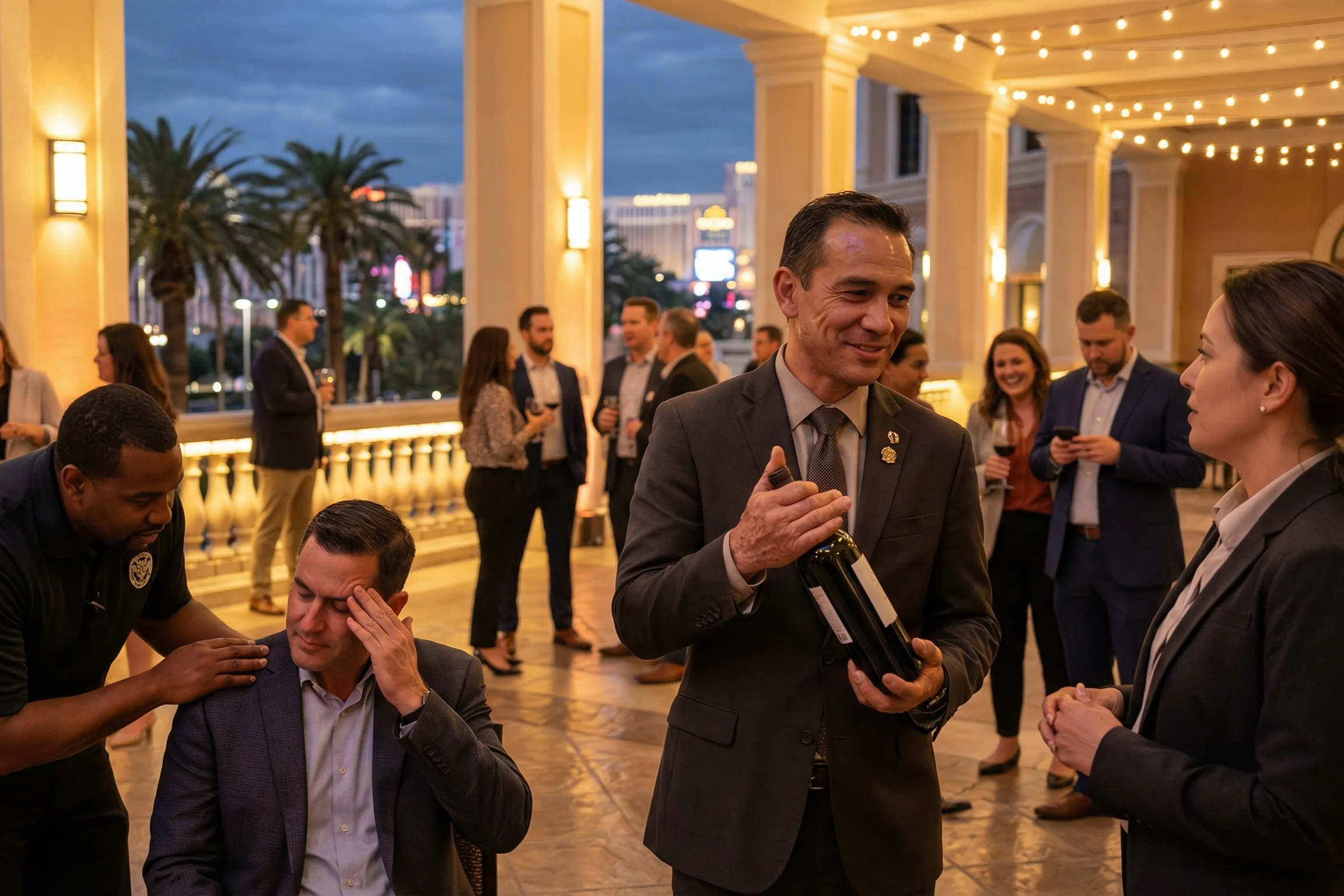
Most people waste money by buying prestige before they have steady bookings. The smarter approach is simple: eligibility first, then specialization, then leadership. Your goal isn't to collect credentials; it's to become the easiest person to schedule for higher-paying events.
Ask these two questions first
- What event types do you want most?
- Corporate conferences + receptions
- Brand activations + experiential
- Festivals + stadiums
- Private events + VIP hospitality
- What does that category actually check at booking or check-in?
- Alcohol compliance (state alcohol server + responsible beverage service)
- Food compliance (food handler/manager)
- Leadership coverage (manager-level or operations credentials)
- Specialty beverage knowledge (bartending certification, sommelier)
Rule: If a certification doesn't change your eligibility or responsibility level, it usually won't change your pay.
The 4 Best Certification "Stacks" (pick one)
Path 1: Quickest way to get more shifts (entry-level)
Best for: new event staff, new bartenders, anyone needing bookings fast
Get first:
- Food handler certification
- State alcohol server certification (if required)
- Responsible beverage service training
Why it works: removes the most common "you can't work this role" blockers.
Path 2: Premium bar shifts (higher ceiling)
Best for: bartenders targeting better events and better tips
Get first:
- State alcohol server certification (if required)
- Responsible beverage service training
Then add:
- Bartending certification / bartender certificate (like CPB) for premium placement
- Optional: sommelier certification if you want wine-led activations or luxury events.
Path 3: Leadership + consistent rate jump
Best for: captains, leads, supervisors, people who thrive under pressure
Get first:
- ServSafe Manager
Then:
- CSEP (special events track) or CMP (corporate meetings track)
Why it works: leadership roles pay more because they absorb accountability.
Path 4: Year-round stability (most booked staff)
Best for: people who want consistent work, not just peak-season spikes
Get first: foundation compliance stack (food + alcohol)
Then add ONE specialization based on your market:
- CPR/AED (large-scale/festival/stadium)
- Bartending certification (premium bar)
- Wedding planning certification (private events/VIP)
Maximizing Your Investment After Getting Certified
A certification only increases income if schedulers can see it, verify it fast, and trust you to perform. Make approval friction-free.
1) Make your profile "credential-ready."
- Add a Certifications section near the top (above work history)
- Use exact names (ServSafe Food Handler, RBS/TIPS, TABC/RBS/BASSET, CPR/AED)
- Include expiration dates where relevant
- Upload proof as PDFs with clear filenames (ex, RBS_Expires_2027.pdf)
2) Target events that pay for credentials
Don't chase every shift. Apply for programs where compliance and polish are priced in: corporate receptions, stadium lounges, festivals, and brand activations, especially those with alcohol service or sampling.
3) Negotiate without making it awkward
Keep it calm and specific, tied to readiness:
"I'm alcohol-compliance certified (state + responsible beverage service) and I've handled high-volume bar shifts. For premium bar production, I'm targeting $X/hour."
4) Protect your rebook rate
Credentials get you in the door. These keep you booked:
- Early arrival + clean check-in
- Station discipline (restock rhythm, cleanliness, speed)
- Calm conflict handling (no escalation)
- Communicate problems early (not after service breaks)
Example: Compliance Unlocking Premium Placement
At a three-day corporate conference with 2,500 attendees, alcohol service required both state-approved server training and responsible beverage service certification.
Out of 42 applicants for bar production shifts:
- 19 met compliance requirements
- Those 19 were scheduled first
- The majority were rebooked for the client’s next program
Certifications did not just increase pay. They reduced liability for the venue and made deployment frictionless.
That is what moves you into premium rotations and higher hourly bands.
Certifications are not passive resume items. They are deployment tools. When positioned correctly, a bartending certification or alcohol credential can increase booking volume, expand eligibility, and justify higher compensation across premium event categories.
Increasing Hourly Rates Through Credentials
Higher pay in event staffing comes down to three factors: eligibility, responsibility, and trust. The right certifications remove scheduling barriers, reduce compliance risk, and position you for higher-value roles, especially in bar production, corporate programs, and large-scale events. If you're starting out, build your compliance foundation first: food handler certification, responsible beverage service training, and any required state alcohol credential. Once you're consistently booked, add bartending certification (a recognized bartender certificate like CPB), specialty beverage credentials, or leadership certifications to move into premium placements and supervisory roles. Choose your path, complete your stack over the next 3–6 months, and make your credentials easy to verify. That’s how you transition from standard rates to premium assignments. If you're planning an event and want certified, deployment-ready staff for your next program, Get a Quote to connect with our team and secure experienced professionals.
Ready to elevate your next event?
Join thousands of event planners who trust EventStaff.com for reliable, professional staffing solutions.
Trusted by event professionals nationwide
1k+
Events Staffed
2 million+
Guests Served
97%
Positive reviews