
How to Staff a Booth at the Las Vegas Convention Center (LVCC)
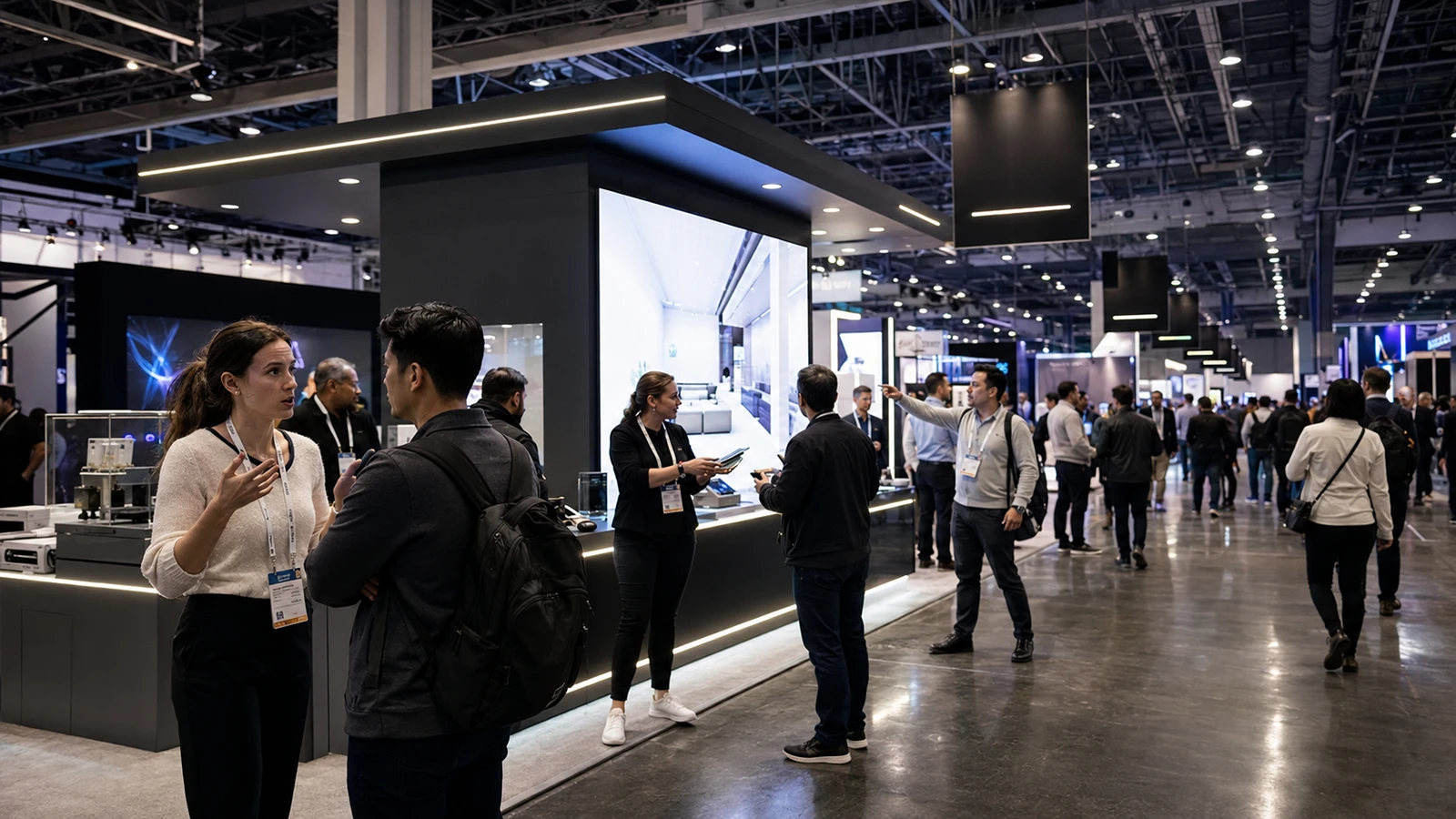
Most exhibitors get LVCC booth staffing wrong because they start with numbers instead of context.
A booth can look great from a distance, but the moment someone walks up, confusion starts. No one owns the conversation. Technical questions go unanswered. Visitors lose interest within seconds.
At the Las Vegas Convention Center, staffing is not about how many people you hire. It’s about who is responsible for the moment when a visitor stops at your booth.
This guide shows how to build the right trade show booth staffing plan based on event type, visitor behavior, venue scale, and the exact interaction where your booth either wins or loses the visitor.
Executive Summary
Staffing a booth at the Las Vegas Convention Center is not just a headcount decision. The right team depends on the show type, visitor behavior, booth location, setup logistics, and the moment that matters most once someone stops. This guide shows how to read an LVCC event before you hire, from audience intent and venue scale to freight, badges, access, and first-hour booth readiness. By the end, you should be able to answer the real staffing question: what does this team need to make happen when the right visitor reaches us?
Don’t Count People Before You Read the Show
At LVCC, the mistake is jumping straight to headcount. The better starting point is simple: what kind of show is this, and what will people expect when they reach the booth?

The First Question Is What the Booth Has to Survive
A better way to read an LVCC event is to ask what kind of pressure the booth will face. Is the audience coming to understand something technical, compare suppliers, see a product up close, take photos, try samples, or find the right salesperson? That answer tells you more about staffing than the event name alone.
You can see the problem pretty quickly at recent LVCC events. CES 2025 drew 142,000+ attendees, meaning booths faced fast-moving visitors needing quick explanations and demos. SEMA Show 2024 covered 1.2 million sq ft with outdoor activations, requiring teams to compete with vehicles, builds, and crowd energy. NAB Show 2025 attracted media and broadcast professionals from 160 countries, demanding technical, specific, qualification-heavy conversations.
Same Venue But Completely Different Booth Job
A tech event, automotive show, beauty expo, construction trade show, and media conference can all happen at LVCC, but they don't create the same booth job. A tech audience needs fast explanations. An automotive audience is drawn by visuals and energy. A beauty audience wants to touch, sample, and trust. A construction audience needs practical answers before engaging sales.
At LVCC's scale, event type matters more than headcount because the wrong staff gets swallowed by the room. Technical events need explainers. Visual events need crowd-ready ambassadors. Sampling events need patient products and educators. Understanding which event staff you actually need helps you match the right people to the booth's needs.
The event type doesn't give you the full staffing plan yet, but it tells you what booth conversation is likely to happen. That's where you start.
How Many Staff Do You Need for an LVCC Booth?
There is no fixed number because LVCC booth staffing depends on three variables:
- Booth size and layout
- Visitor traffic volume
- Interaction complexity
A smaller booth with simple messaging may only need:
- 1 greeter
- 1 product explainer
But a high-traffic or demo-heavy booth may require the following:
- Greeters for flow management
- Product specialists for demos
- Lead qualifiers for serious prospects
- Support staff for operations and reset
The better question is not “how many people?” but:
👉 “What needs to happen when the right visitor arrives?”
CEO Excerpt
One thing I've noticed at LVCC is that staffing changes in the first 30 seconds of a booth interaction. At CES, that might mean explaining the product fast. At SEMA, it might mean creating enough energy for someone to step closer. Same venue, completely different job. -Daniel Muersing
Watch What Visitors Do Before You Decide Who to Hire
Once you understand the event type, the next question is straightforward: "What will this audience do when they reach our booth?"
Some Visitors Need 20 Seconds. Others Need Trust.
Some visitors are trying to make a quick yes-or-no decision. They want the short version, the demo, the difference, the price point, or the person who can answer a technical question without wasting their time. Some visitors are browsing with their eyes first. They may slow down because the booth looks interesting, but they still need a reason to step closer. Others need more hand-holding. They want to try the product, compare options, ask small questions, and feel safe before they give you real attention.
When Samples Become the Whole Staffing Problem
At Be+Well | Beauty and Wellness Show Las Vegas, visitors aren't just walking past booths. They're there to touch, test, compare, watch demonstrations, ask product questions, and decide what is worth bringing back to their salon, spa, or wellness business. In that environment, a booth doesn't need someone who only smiles and hands out samples. It needs staff who can manage the sample flow, explain the product without rushing the visitor, keep the display clean, and know when to pass a serious buyer to the brand team.
Match the Role to the Visitor's Next Move
This is the part exhibitors usually miss. They book "friendly booth staff" when the booth actually needs explainers, crowd control, product educators, lead qualifiers, or meeting support. The visitor's behavior should decide the role. Are people stopping to ask, try, compare, watch, take photos, book a meeting, or get routed to sales? Each one creates a different staffing job.
If you're building a booth team from scratch, learning how to build an event staffing plan that actually works gives you a framework for matching roles to booth goals.
Quick Tip: Don't hire for the crowd. Hire for the moment after someone stops. If that moment needs clarity, hire explainers. If it needs energy, hire crowd-ready ambassadors. If it needs trust, hire people who can slow down and listen. At LVCC, the staffing plan starts with what visitors came to do, then adjusts for booth size, hall location, and how fast the floor gets busy.
Real Example: When Staffing Strategy Changes Results

At a recent LVCC tech event, a brand initially staffed their booth with general ambassadors.
Result:
- High foot traffic
- Low engagement
- Very few qualified leads
On day two, they adjusted their staffing:
- Added dedicated product explainers
- Introduced a lead qualification role
Outcome:
- Faster, clearer conversations
- Better visitor routing
- Noticeable increase in qualified leads within hours
The booth design didn’t change.
👉 The staffing strategy did.
LVCC’s Size Can Make a Good Booth Feel Hard to Reach
If Visitors Arrive Tired or Lost, Your Staff Has to Recover the Moment
The Las Vegas Convention Center is not a small hall where attendees can casually "find you later." It is a huge, multi-hall venue, and the Vegas Loop exists for a reason: moving people across the campus is part of the event experience.
A visitor may come from another hall, take the Loop, walk through a busy entrance, stop for coffee, and still be figuring out whether they're in the right place. By the time they reach your booth, they may need direction as much as they need a pitch.
For exhibitors, this changes the staffing plan. Your team needs to arrive early, understand the hall location, know nearby landmarks, and be ready to guide people before traffic gets heavy. At LVCC, a booth can look understaffed even with enough people if nobody knows where to stand or how to help visitors move.
The Booth Can Feel Broken Before the Show Opens
Freight Timing Can Ruin Your First Hour
At LVCC, logistics aren't background admin; they decide whether your booth opens calm or messy. NAB Show's exhibitor onsite guide says NAB is a targeted show, meaning exhibitors are assigned a specific move-in date and time. Freight that misses the target window can create surcharges, and direct-to-show carriers must check in by a set time. Your first shift can't begin when visitors arrive. Someone needs to check what made it to the booth, what's missing, who has the lead scanner, and what the staff should say if setup is still being fixed.
Shipping Rules Decide What Staff Can Actually Fix
SEMA's shipping guidance explains advance warehouse deadlines, direct-to-show shipping, priority carriers, hand-carry locations, and late-fee timing. On paper, that sounds like logistics. On the floor, it changes staffing. A booth with vehicles, product displays, printed material, or demo equipment needs staff who understand what's already in place and what's still waiting on freight. A friendly ambassador can't fix a missing display, but a properly briefed team can keep visitors moving, route serious buyers, and stop the booth from looking unprepared.
The Right Badge Matters Before the Right Pitch
CES exhibitor manuals point exhibitors toward venue-specific rules, target freight, floor plans, and service ordering. Booth, suite, or meeting-space staff need the right exhibitor credentials to access the floor or suite areas during move-in and show hours. You can't assume everyone can walk in and help at the same time. Decide who needs early access, who handles check-in, who confirms booth readiness, and who stays guest-facing once the aisle starts filling.
Better approach: Staff the first hour for control, not charm. Before you think about conversations, make sure someone owns freight checks, badge access, booth readiness, and the first visitor questions. At LVCC, the booth that is already open looks more premium than the booth still figuring out its boxes. If your booth is hosting VIP or sponsor visitors, understanding VIP event staffing principles helps you maintain the right service level from move-in forward.
Build the Team Around the Moment That Matters
Don't start with the number of people. Start with the moment you can't afford to lose.
Find the Moment Where the Visitor Usually Slips Away
At a large LVCC event, that moment differs booth to booth. For a tech exhibitor at CES 2025 (142,465 attendees), the critical moment is the first twenty seconds: "What does this actually do?" A vague answer loses the visitor to the next aisle. You need someone who can explain quickly, qualify interest, and hand off to sales without slowing the booth.
For a visual or high-energy booth at SEMA Show 2024 (1.2 million sq ft with vehicles and builds), the moment is turning attention into conversation. Staff must keep the booth edge open, invite the right people closer, manage photo-takers, and know when to hand someone off.
For a sampling or beauty booth at Be+Well | Beauty and Wellness Show Las Vegas, the moment is slower. Visitors touch, test, compare, and watch demos. Staff need to keep the display clean, explain without rushing, manage samples, and make visitors comfortable enough to stay.
Understanding what makes a high-performing trade show booth team helps you see how the right people in the right moments create real ROI.
Match the Hire to the Moment, Not the Crowd
Before booking your team, ask: What's the one moment where the booth wins or loses the visitor? Is it the explanation, demo, sample, photo moment, lead capture, or handoff to sales?
Once you know that, the staffing mix becomes clear:
- Explainers for clarity and quick qualification
- Ambassadors for energy and crowd management
- Product educators for trust and trust-building
- Greeters for flow and first impressions
- Lead qualifiers for serious conversations
- Organized hosts for appointments and follow-up
The booth design gets people to stop. The staff decides whether stopping was worth it. The hire should match the moment, not just the crowd. Learning how crowd management works at large events helps you prepare your booth for the traffic patterns you'll actually face at LVCC.
Build the Right LVCC Booth Team Before the Show Starts
The difference between a busy booth and a high-performing booth is not traffic; it’s staffing strategy.
If you are exhibiting at the Las Vegas Convention Center, we can help you:
- Identify the exact roles your booth needs
- Build a team around your highest-value interaction
- Ensure your booth performs from the very first hour
👉 Talk to our event staffing team today and get a custom LVCC booth staffing plan tailored to your show.
LVCC Booth Staffing Checklist
Before hiring your team, confirm:
- What is the primary visitor action? (watch, try, ask, buy)
- What moment determines success at your booth?
- Do you need explainers, educators, or crowd managers?
- Who handles lead capture and qualification?
- Is your team ready before the first visitor arrives?
If you can answer these clearly, your staffing plan is already stronger than most exhibitors.
Ready to elevate your next event?
Join thousands of event planners who trust EventStaff.com for reliable, professional staffing solutions.
Trusted by event professionals nationwide
1k+
Events Staffed
2 million+
Guests Served
97%
Positive reviews