
Field Marketing Comparison Guide

Street vs Guerrilla Marketing Teams

Section Ushers
Street Teams

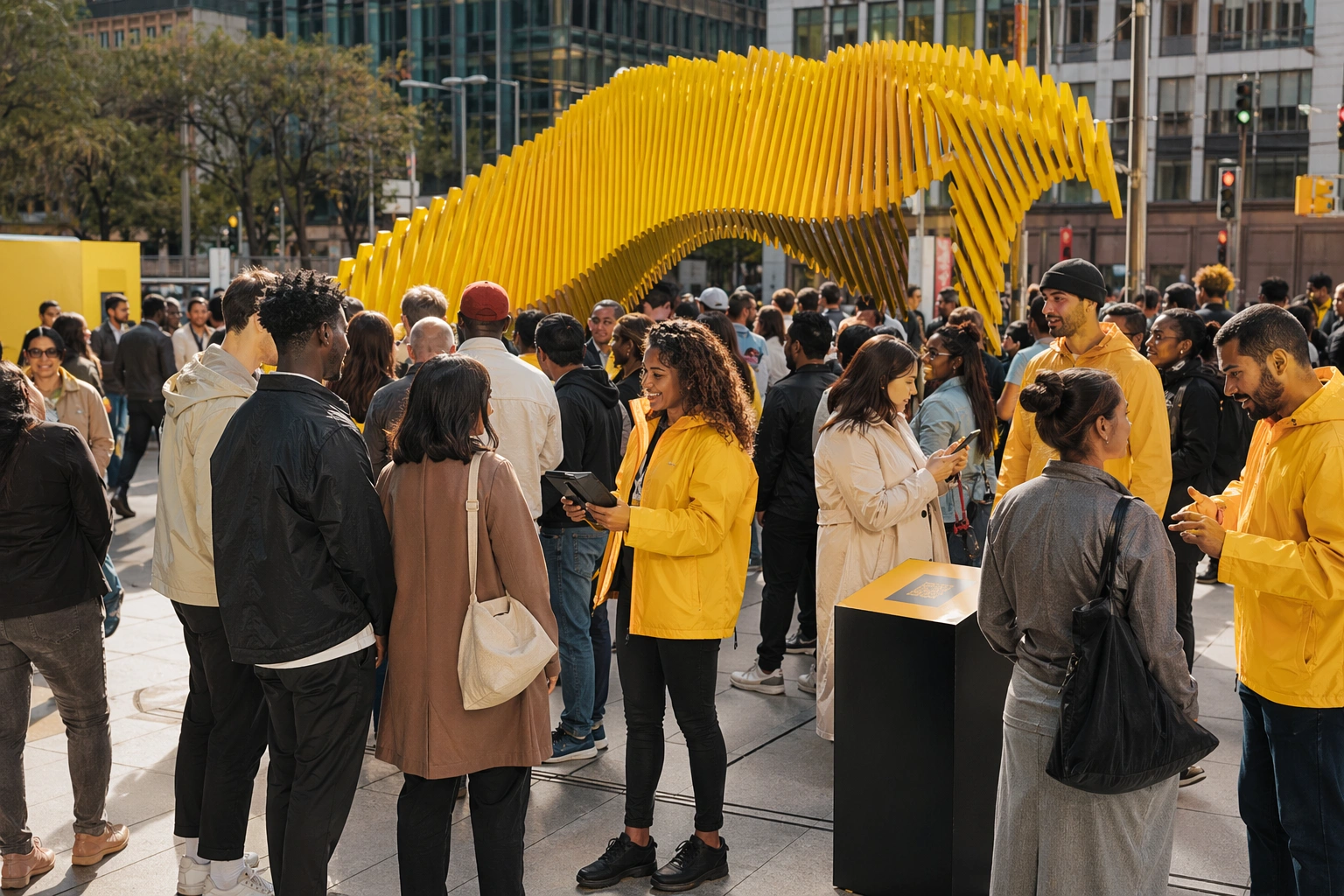
Street team marketing helps brands reach people through planned, face-to-face outreach in public spaces. Street Teams follow set routes, start direct conversations, hand out materials, and guide attention toward a product, promotion, event, or location.
Event Greeters
Guerrilla Marketing Teams

Guerrilla Marketing Teams help brands get noticed through unusual, high-visibility activity in public spaces. Their job is to create a moment that surprises people, draws attention quickly, and makes the campaign feel memorable instead of routine.

Operational Timeline

These two services both work in the field, but they support different goals within a wider brand activation strategy. Street Teams are built for steady public outreach, while Guerrilla Marketing Teams are built for stronger visibility and public reaction.

Before Launch

Planning the Field Setup

Street Teams
Street Teams prepare routes, timing, outreach points, talking points, and distribution plans before the campaign begins. Their setup is focused on reaching the right people consistently across a wider area without losing pace or message control.
Guerrilla Marketing Teams
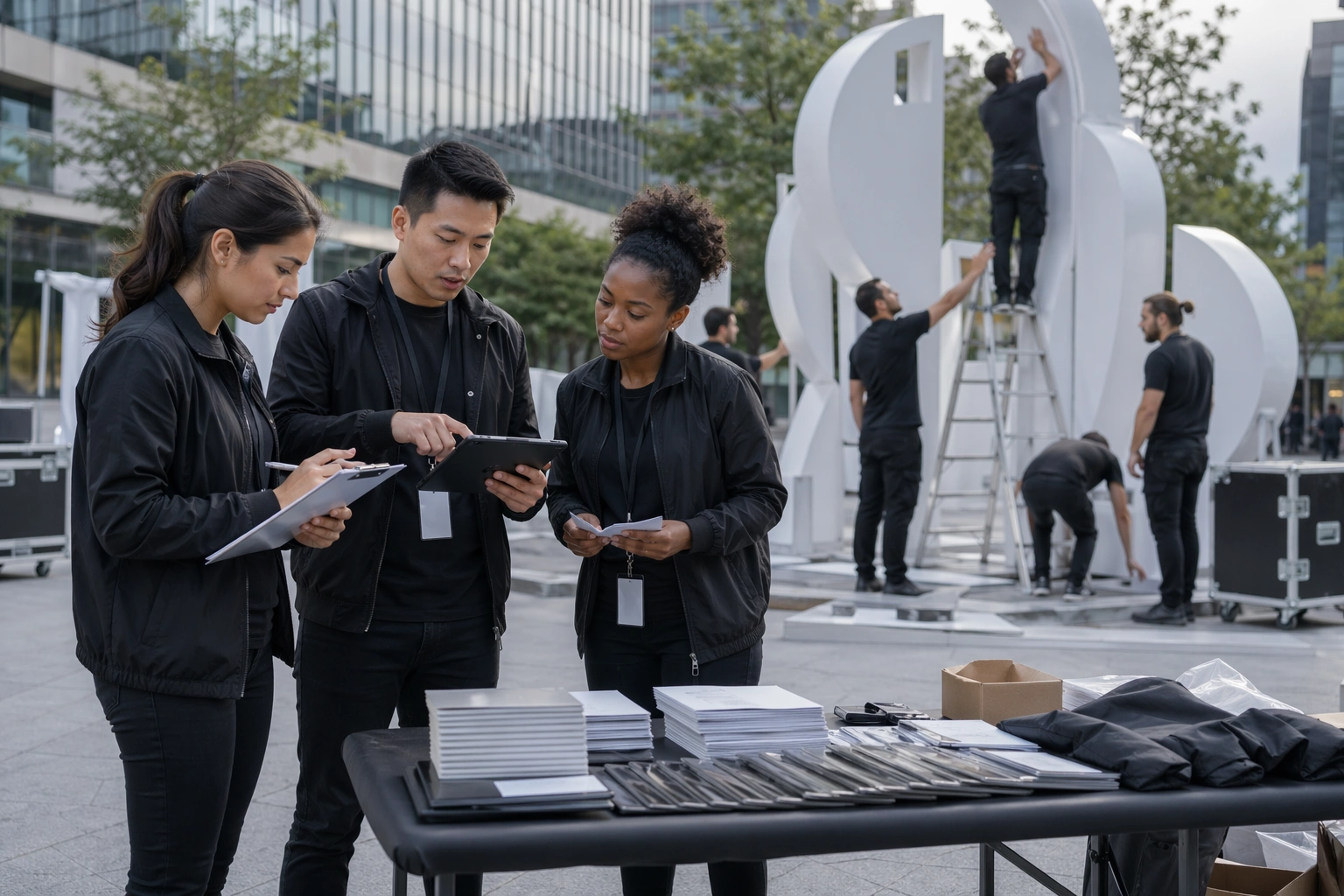
Guerrilla Marketing Teams prepare the attention-grabbing part of the activation before it goes live. That can include the visual setup, timing, staffing positions, interaction rules, and the checks needed to make the moment feel bold but still organized.

Go Live

First Public Impact

Street Teams
Street Teams begin moving through their assigned areas, speaking to people directly, handing out promotional items, encouraging scans, and directing traffic to the next action. Their role is to keep outreach active, clear, and repeatable from the start.
Guerrilla Marketing Teams
Guerrilla Marketing Teams launch the part of the campaign designed to make people stop and look. Their role is to create a sharper public reaction that helps the brand stand out quickly in a busy environment.

Peak Activity

Keeping Attention Moving

Street Teams
Street Teams keep the campaign active by staying visible, repeating the message, and adjusting to the busiest areas as foot traffic changes. Their value comes from consistency and from keeping direct engagement going over time.
Guerrilla Marketing Teams
Guerrilla Marketing Teams keep the activation lively by holding attention around the main moment and helping the brand stay memorable after the first surprise lands. Their value comes from creating impact that people continue talking about after they walk away.
Operational Playbook

Real-World Protocols

Plenty of buyers review brand activation examples or compare experiential marketing examples, but live campaign pressure is what really shows which team should lead.
A campaign needs to connect with people across several blocks, routes, or high-footfall areas instead of building everything around one standout moment.

You Need to Reach People Across Multiple Locations

Street Teams Response
Protocol A
Street Teams are the better fit here because they are built for movement, repetition, and broad coverage. They keep the campaign visible across more ground while maintaining a steady pace of direct engagement.
Guerrilla Marketing Teams Response
Protocol B
Guerrilla Marketing Teams can support this type of campaign, but their strongest value usually comes from concentrating attention in one memorable place. They are better at creating a focal point than covering a wide area in a structured way.
The campaign is creating activity across multiple routes and time blocks, but stakeholders need a clearer view of what the outreach is actually producing.

Leadership Needs Clear Proof of What Field Outreach Produced

Booth Staff Response
Protocol A
Booth Staff help document what happens after arrival, including lead quality, meeting outcomes, and next-step readiness. That helps show whether incoming traffic is turning into useful booth results.
Street Teams Response
Protocol B
Street Teams support field attribution through route tracking, QR links, offer codes, contact counts, and shift-based reporting. Their work helps make outreach easier to compare across locations and timing blocks.
People are reaching the booth successfully, but the handoff from street outreach to booth engagement feels uneven and the value of that traffic starts to drop.

Outbound Engagement Is Working, but Conversion Breaks at the Destination

Booth Staff Response
Protocol A
Booth Staff welcome the routed visitor, guide them into the right conversation, and help turn that first interest into a demo, discovery moment, or clean lead capture.
Street Teams Response
Protocol B
Street Teams keep the first interaction simple and focused, guiding people toward a clear destination without overcomplicating the message before they arrive.
Training & Skills

Curriculum Comparison

Although the roles work toward the same campaign goal, each one depends on a different kind of preparation once the event goes live.

Booth Staff

Conversion Control
Core Modules
Qualification flow
Demo routing
CRM field discipline
Sales handoff timing
Success Outlook
Strong Booth Staff execution helps the booth feel welcoming, organized, and commercially useful. Visitors move through the space with less friction, and the sales team receives follow-up it can trust.

Street Teams

Mobile Acquisition
Core Modules
Route discipline
Opener variation
Attribution method
Mobile asset control
Success Outlook
Strong Street Teams execution helps outreach stay active, consistent, and measurable across time blocks and locations. The campaign creates real movement instead of just surface-level visibility.

Zone Ownership Map

These roles may support the same campaign, but they work best when each one has a clear area of ownership and a smooth handoff between spaces.

Booth Staff

Booth Staff mainly support the fixed event footprint, where visitors are welcomed into product conversations, demos, and next-step actions. Their space is designed for conversion, guidance, and follow-through.

Booth Footprint
Demo Station
Consult Counter
Booth Edge

Street Teams

Street Teams mainly support the mobile outreach side of the campaign, where attention is built across routes, entrances, nearby partner areas, and surrounding footfall corridors. Their work is built around movement, repetition, and visible outreach.

Venue Perimeter
Transit Corridor
Partner Frontage
Street Route

Shared Zones

Shared zones are the spaces where mobile outreach and booth engagement meet. These are the handoff areas that help the campaign feel connected instead of disjointed.

Booth Entry
Handoff Point
Appointment Desk
Promo Approach
Performance Metrics

By The Numbers

These KPI fields help show how each role contributes when a campaign needs both field outreach and booth conversion working together.

Booth Staff

Conversion and Capture
Lead Quality
96.8%
Demo Throughput
34 Per Hour
These measures reflect how well the booth team helps turn traffic into qualified conversations, protects demo flow during busy periods, and captures next steps the sales team can use after the event.
View Deep Dive
Just booth presence
Anyone can demo
Traffic converts itself
Conversion needs structure
Demo pace affects capture
Handoffs protect lead value

Street Teams

Reach and Attribution
Contacts Per Hour
118
Redemption Rate
21.4%
These measures reflect how effectively the field team creates engagement, how well routes lead to trackable actions, and how consistently outreach performs across different locations and shift blocks.
View Deep Dive
Just handing flyers
Volume means success
Routes need little structure
Movement needs measurement
Messaging must stay disciplined
Attribution proves field value

Frequently Asked Questions

What does Eventstaff look at first when deciding between booth staff, street teams, or both?

click down

Eventstaff usually starts by looking at where the real pressure sits in the campaign. If the priority is getting more of the right people to engage, street teams often lead that outward push. If the bigger need is handling interest once people arrive, booth staff usually take priority. That gives buyers a much clearer picture than a generic promotional staff job description, because it reflects how these roles actually support a live campaign.

How does Eventstaff set up the handoff between street teams and booth staff?

click down

Eventstaff plans the handoff before launch so the outreach message and the booth experience feel connected. Street teams use a clear first-touch message and route people toward the right destination, while booth staff are ready to continue that interaction once visitors arrive. That structure turns brand ambassador duties into something practical and easy to manage on site, rather than leaving the handoff to chance.

How does Eventstaff measure street outreach and booth performance separately?

click down

Eventstaff looks at outreach and conversion as two connected but different parts of the campaign. Street teams are usually measured through route-based engagement, QR activity, redemption response, traffic movement, and time-block reporting. Booth staff are measured through demo quality, lead capture, next-step readiness, and how smoothly visitors move through the footprint. That is far more useful than broad language around event marketing jobs, because it shows what each team is there to deliver.

What happens if street teams drive traffic faster than the booth can absorb it?

click down

That usually means the campaign is generating interest faster than the booth can comfortably handle it. Booth staff then help steady the footprint by improving flow, protecting conversation quality, and keeping lead capture organized. Street teams may also adjust route pacing, location choice, or message intensity so they are not sending too much traffic into an already busy space. In real terms, that tells buyers more than a basic street team job description, because it shows how the role works under live conditions.

Who owns attribution when leadership wants to know which routes, locations, or shifts produced results?

click down

Street teams usually support field attribution because they manage the mobile outreach side and the tracking attached to it. That can include route reporting, QR scans, coded offers, contact counts, and shift-by-shift comparison. Booth staff then help show what happened after arrival through lead quality, demo outcomes, and next-step documentation. For teams hiring against street team marketing jobs or reviewing a brand ambassador job description, that distinction makes reporting much more useful and easier to act on.

Ready to elevate your next event?

Join thousands of event planners who trust EventStaff.com for reliable, professional staffing solutions.

Trusted by event professionals nationwide

1k+

Events Staffed

2 million+

Guests Served

97%

Positive reviews

Experience professionalism through Event Staff