

Miami is entering one of its most visible sports hospitality periods in years. FIFA World Cup 2026 begins on June 11, and Miami Stadium is scheduled to host major tournament matches, including Miami’s first listed match on June 15 and later knockout-stage fixtures on the official FIFA schedule.
For sponsors, corporate hosts, and hospitality planners, that creates a very specific staffing need. Hospitality Staffing in Miami has to support more than a reception table or a welcome line. It has to help brands manage executive guests, sponsor partners, international attendees, credentialed areas, private receptions, large hospitality events, and matchday movement.
This article focuses on staffing for World Cup sponsor receptions in Miami. The goal is to help planners understand which staff roles matter, where guest experience can break down, and how sponsor hospitality teams can prepare before match week begins.
CEO Excerpt
“World Cup hospitality in Miami is going to test how well sponsors manage the guest experience around major sports moments. The strongest events will not rely on headcount alone. They will rely on trained staff who understand executive arrivals, sponsor priorities, guest services, and the timing of sports hospitality.” Daniel Meursing, CEO, Eventstaff
Quick Answer
Hospitality Staffing in Miami supports World Cup sponsor receptions by placing trained staff at the guest moments that matter most: executive arrival, check-in, VIP routing, sponsor activation support, credential review, guest services, and departure. The strongest staffing plans are built around sponsor guest tiers, matchday timing, access control, and sports hospitality expectations.
Why World Cup Sponsor Receptions Need a Different Staffing Plan
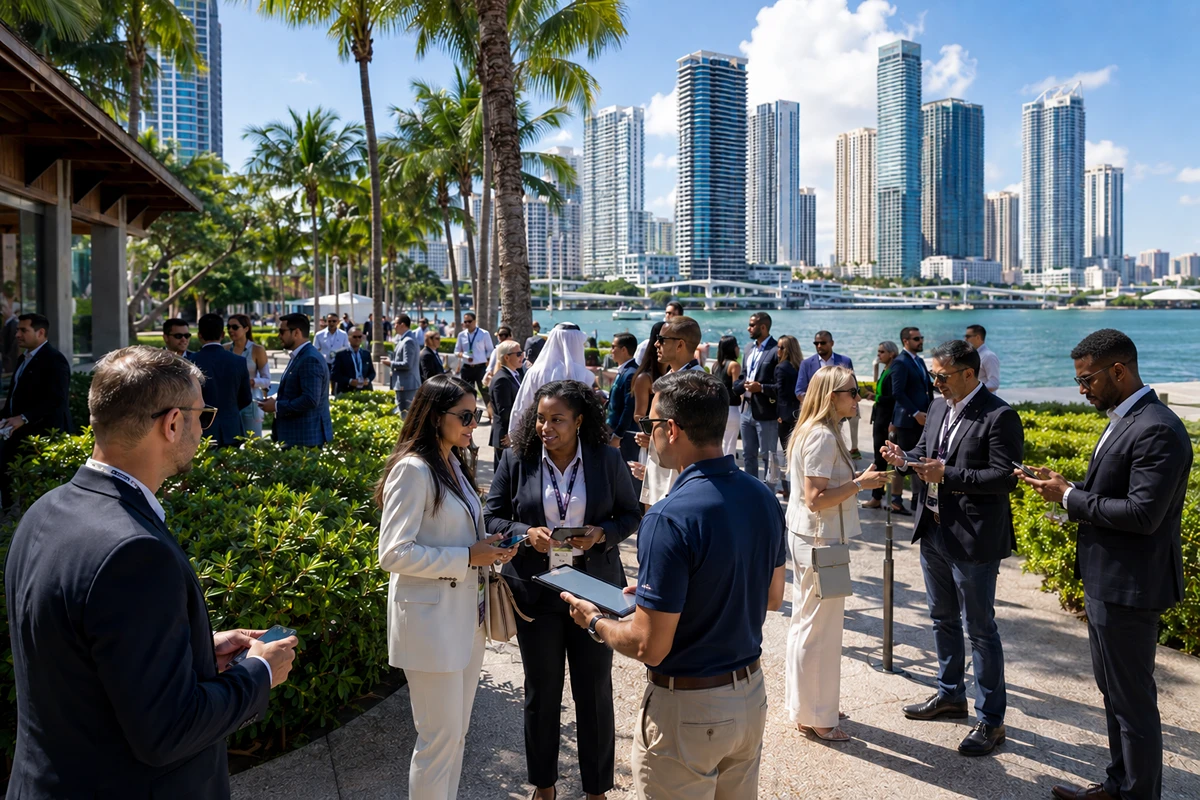
Sponsor receptions around the World Cup have a different rhythm from ordinary corporate events. They often involve executives, clients, international partners, invited guests, media contacts, hospitality package holders, and brand teams moving through Miami during a compressed tournament window.
A sponsor reception may happen before a match, after a match, during a watch event, inside a hotel ballroom, at a private venue, or around a branded hospitality experience. Each format needs staff who understand guest flow, host priorities, and the difference between general attendees and high-priority guests.
The staffing plan also has to account for Miami itself. Guests may be moving between Brickell, Downtown Miami, Miami Beach, Coral Gables, Wynwood, hospitality hotels, private venues, Bayfront Park, and Hard Rock Stadium. Traffic, arrival windows, rideshare demand, hotel pickup points, and international guest questions can all affect how the event feels.
That is why staffing for World Cup sponsor receptions should start with the guest journey. The planner should know who is arriving, what they need, where they go next, and which staff role owns each touchpoint.
Miami’s World Cup Hospitality Context
Miami’s World Cup calendar creates a wide hospitality footprint. FIFA lists Miami Stadium among the tournament venues, with matches scheduled across group play, the Round of 32, a quarter-final, and the bronze final. Hard Rock Stadium also highlights official hospitality options tied to premium tickets, entertainment, food and beverage, and matchday experiences through the FIFA World Cup 2026 event page.
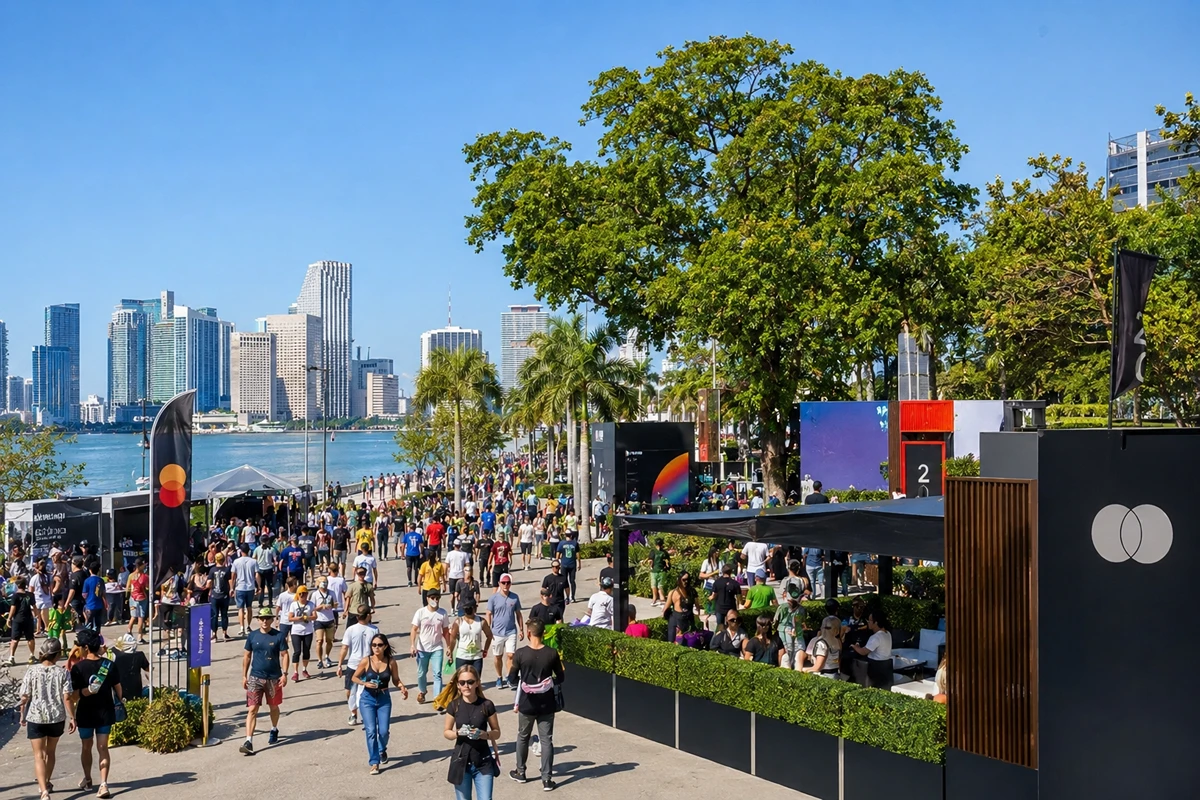
Downtown Miami will also carry major fan activity. The Miami Host Committee states that the FIFA Fan Festival Miami will take place at Bayfront Park, with live match broadcasts, entertainment stages, cultural programming, food and beverage, interactive activations, and family-friendly programming throughout the tournament.
For corporate sponsors, this wider activity matters. A sponsor reception may overlap with fan festival crowds, matchday travel, hotel lobby congestion, restaurant demand, private client dinners, or post-match movement. Staff need to be briefed around the real environment guests will experience, not only the room where the reception is held.
That makes hospitality staffing for sports hospitality events a planning function. The staff support the event inside the venue, while also helping guests navigate the wider tournament setting around it.
Staffing for World Cup Sponsor Receptions: Planning Framework
The best World Cup sponsor reception staffing plan starts by mapping each guest-facing moment. The table below shows where staff should be placed and what each role protects.

This framework keeps the staffing decision tied to sponsor outcomes. The goal is to protect relationship-building, executive comfort, brand presentation, and guest movement during a tournament period where timing and perception matter.
Premium Event Staffing for Executive Receptions
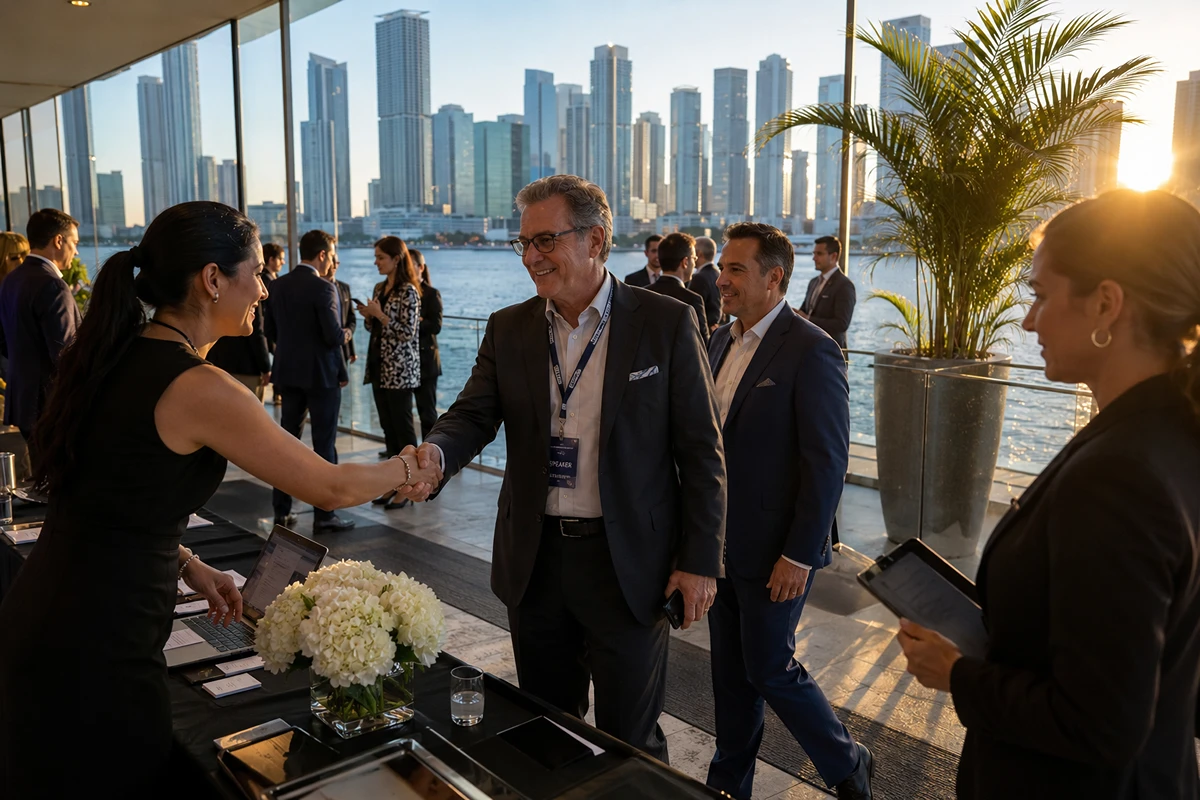
Premium event staffing for executive receptions is one of the most important needs during World Cup-related sponsor activity. Executive guests may include C-suite leaders, investors, senior clients, global partners, board members, sponsor representatives, or private invitees of the host brand.
These guests usually expect a different arrival and check-in experience. They may need private routing, reserved seating, direct host introductions, lounge access, speaker support, or quiet exception handling. Staff should know those distinctions before guests arrive.
For executive receptions, hostesses and check-in staff need more than a guest list. They need guest categories, arrival windows, private room details, sponsor priorities, and escalation contacts. A missing name, an unlisted plus-one, or a late executive arrival should be handled away from the main line.
Premium event staffing for executive receptions also helps protect the host’s credibility. A sponsor can invest heavily in the venue, food, entertainment, and brand presence, but the experience can still feel underprepared if the first interaction is confused.
The staffing brief should answer:
- Which guests require private recognition or faster routing? This prevents executives and major clients from being handled like general attendees.
- Who approves guest-list exceptions? Staff should not be forced to make sensitive decisions at the check-in point.
- Which rooms, tables, lounges, or host contacts matter most? Staff should know the correct destination before giving direction.
- How should staff communicate with senior guests? The tone should be polished, direct, and calm without feeling stiff.
This is where hospitality staff become part of the sponsor’s relationship management. They help the reception feel controlled before the formal program even begins.
Staffing for World Cup Sponsor Receptions
Staffing for World Cup sponsor receptions should be planned around the match schedule, guest profile, venue location, and sponsor obligations. A reception tied to a matchday will feel very different from a standard evening event in Miami.
Guests may arrive from stadium transportation, nearby hotels, private dinners, fan events, airport transfers, media commitments, or other sponsor-hosted programs. Some may be late because of traffic or match timing. Others may arrive in groups, with hosts, assistants, or additional guests.
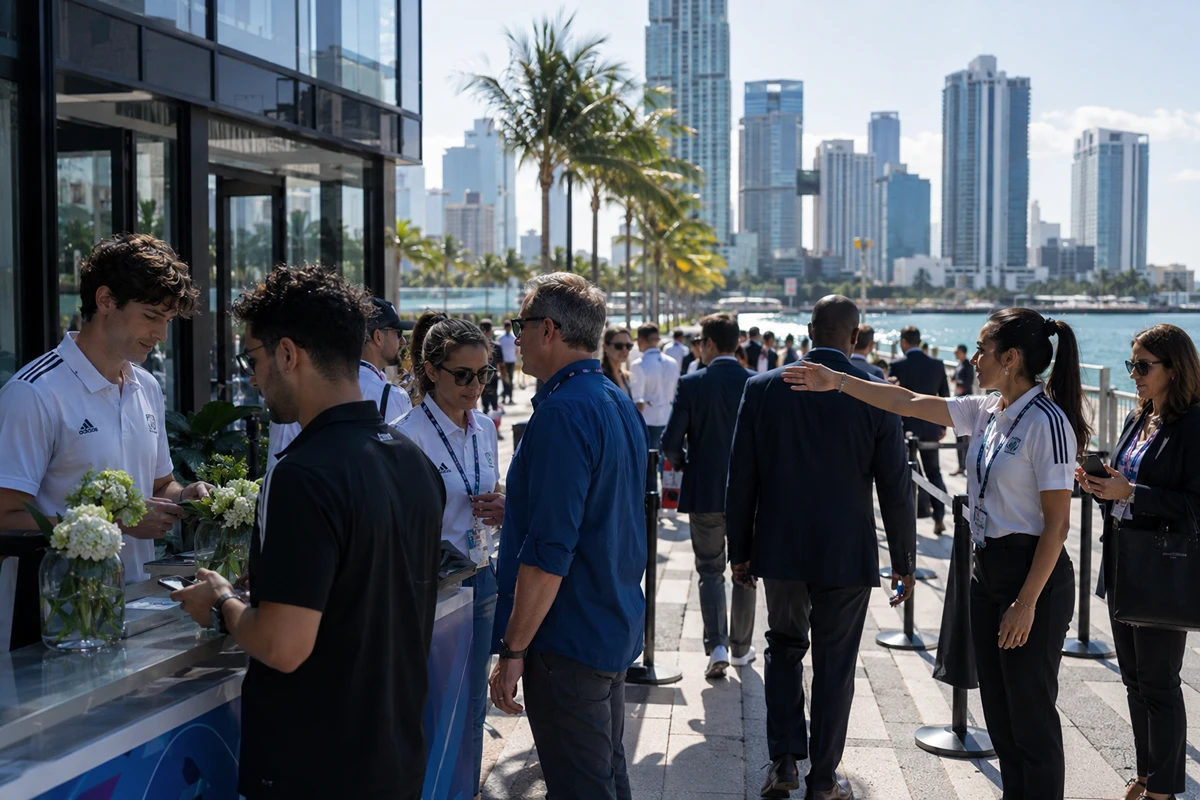
That means staff need to understand the full reception flow. Check-in staff should know what happens when guests arrive early, late, or without the correct credential. Hostesses should know which guests are moved to private areas. Production teams should understand when speeches, sponsor moments, videos, or hospitality transitions take place.
For sponsor receptions, the strongest staffing plan usually includes:
- A welcome position before formal check-in. This allows guests to receive immediate direction before they reach the registration point.
- A dedicated check-in team with clear guest categories. Sponsors, clients, executives, media, staff, and invited guests may require different handling.
- A staff lead for exceptions. One named contact should own guest-list issues, access questions, and late changes.
- Directional support near transition points. Guests often need help moving from check-in to reception, lounge, viewing area, dining, or transportation.
- A departure support plan. Post-match or post-reception exits can become crowded quickly, especially when rideshare and valet demand rises.
This is the practical core of staffing for World Cup sponsor receptions.The event may look like a reception, but the staffing plan needs to reflect the tournament environment around it.
Hospitality Staffing for Sports Hospitality Events
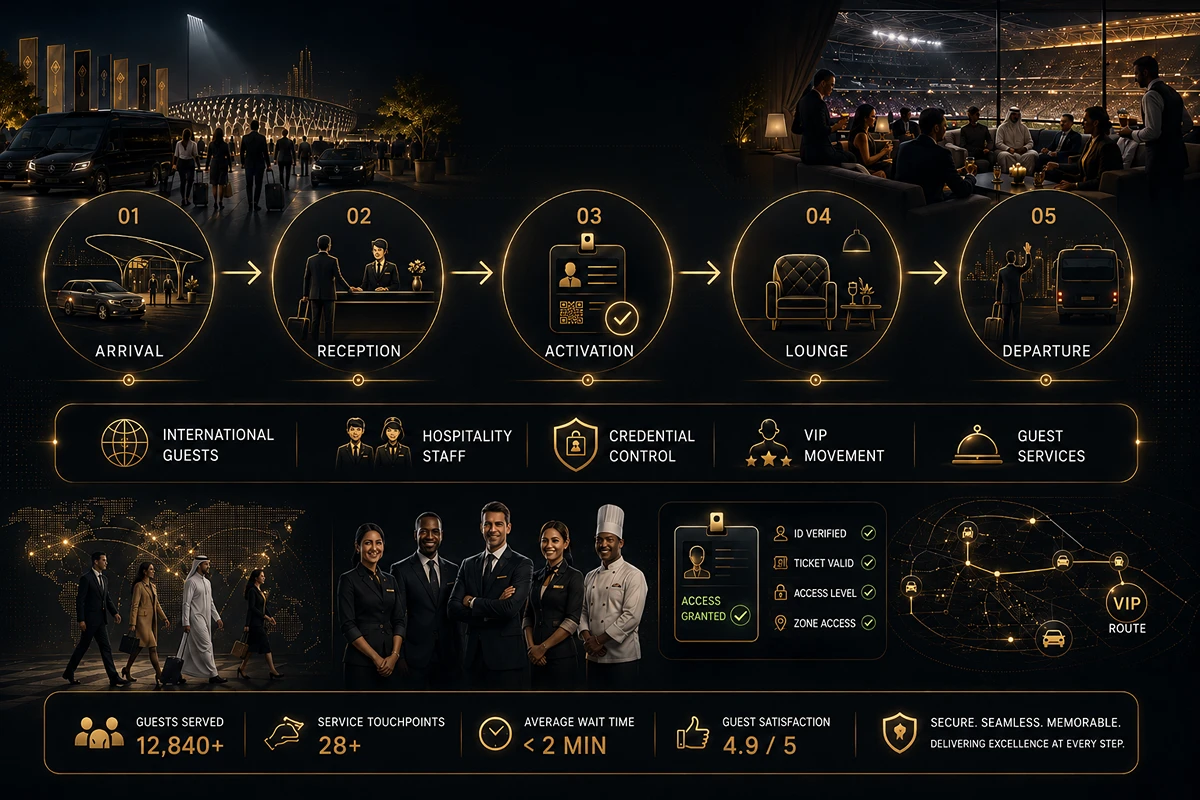
Hospitality staffing for sports hospitality events has to account for emotion, timing, crowd movement, and international guests. A sports hospitality event may include a private watch party, premium lounge, partner reception, sponsor dinner, ticketed hospitality experience, or post-match gathering.
The biggest difference is pace. Guests may arrive close to kickoff, leave immediately after a match, or move in waves depending on the schedule. The staff plan has to support those surges without making the room feel crowded or rushed.
Miami also brings a multilingual and international guest mix. Staff may need to answer basic questions about venue areas, hotel pickup points, rideshare zones, credentials, restrooms, reception timing, dining, viewing areas, or sponsor programming. Even when staff are not translating formally, clear and calm communication matters.
For hospitality staffing for sports hospitality events, planners should think in zones:
- Arrival zone: Hostesses and check-in staff greet guests, confirm access, and keep the first movement clean.
- Reception zone: Conference staff and hostesses answer questions, direct guests, and support sponsor hosts.
- Activation zone: Production teams and hospitality staff help manage guest movement around branded moments.
- Access zone: Ticket checkers protect lounges, private rooms, reserved areas, and credentialed entry points.
- Departure zone: Staff support movement to valet, rideshare, shuttle pickup, hotel transport, or the next sponsor event.
Sports hospitality succeeds when guests feel guided without being overmanaged. Staff should be visible enough to help and informed enough to answer quickly.
Event Staffing for Corporate Sponsor Activations
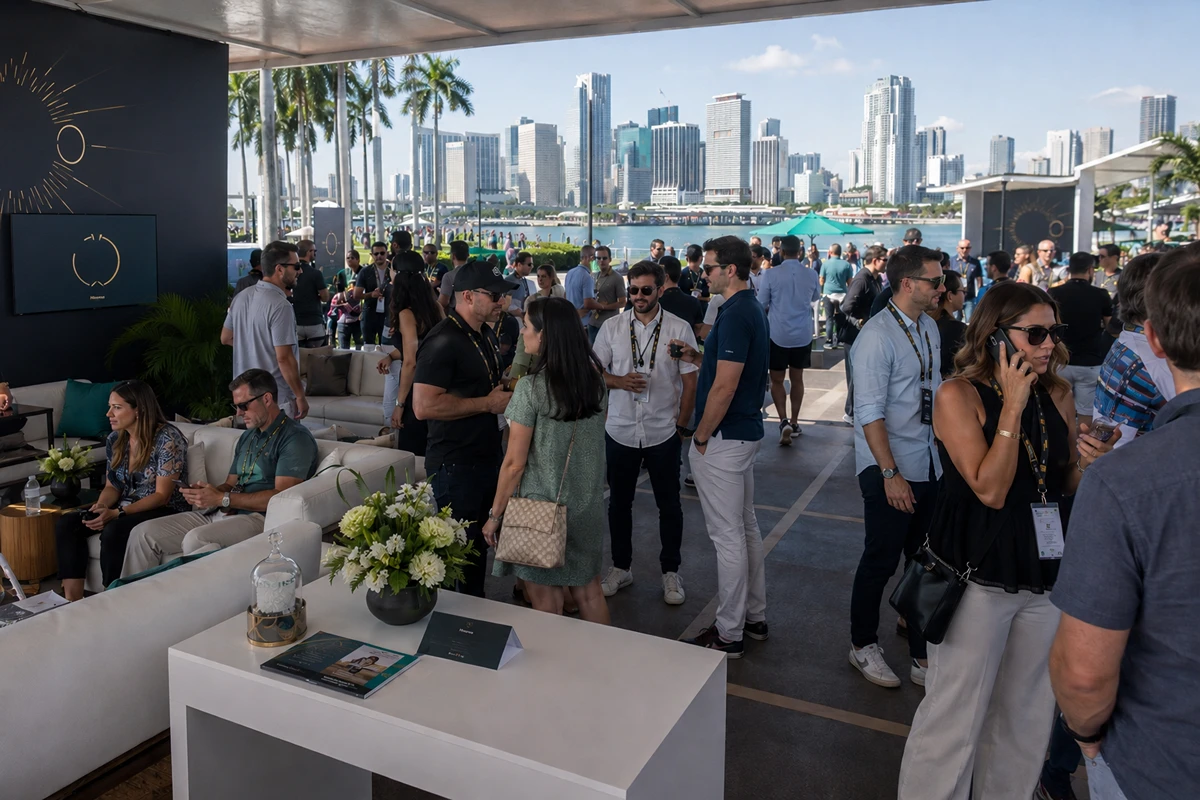
Event staffing for corporate sponsor activations can overlap with hospitality staffing, but the service focus here stays guest-facing. The goal is to support the attendee experience around the activation, not to turn the team into a promotional street team.
A sponsor activation during the World Cup may include a branded lounge, product demo, partner photo moment, hospitality suite, private check-in, executive meet-and-greet, or interactive guest experience. Each of these moments needs staff who can manage guest flow, answer questions, support access, and help the activation feel organized.
Hostesses can guide guests into the activation and explain where to go next. Check-in staff can verify invite status, credentials, or appointment windows. Ticket checkers can protect restricted areas. Production teams can support timing, queue pacing, and coordination with event leads.
For event staffing for corporate sponsor activations, the staff brief should include:
- The activation goal. Staff should know whether the sponsor is hosting clients, showcasing a product, entertaining executives, or supporting a hospitality package.
- The guest journey. Staff should know how guests enter, participate, move through, and exit the activation.
- The timing of sponsor moments. If there are speeches, photo opportunities, athlete appearances, product demos, or media moments, staff need the timeline.
- The rules for access. Private areas, VIP zones, and sponsor-only sections should be clearly defined before the event begins.
Corporate sponsor activations often fail when staff are briefed only on where to stand. They need to know what the sponsor is trying to achieve and how their role supports that goal.
Guest Services Staffing for Large Hospitality Events
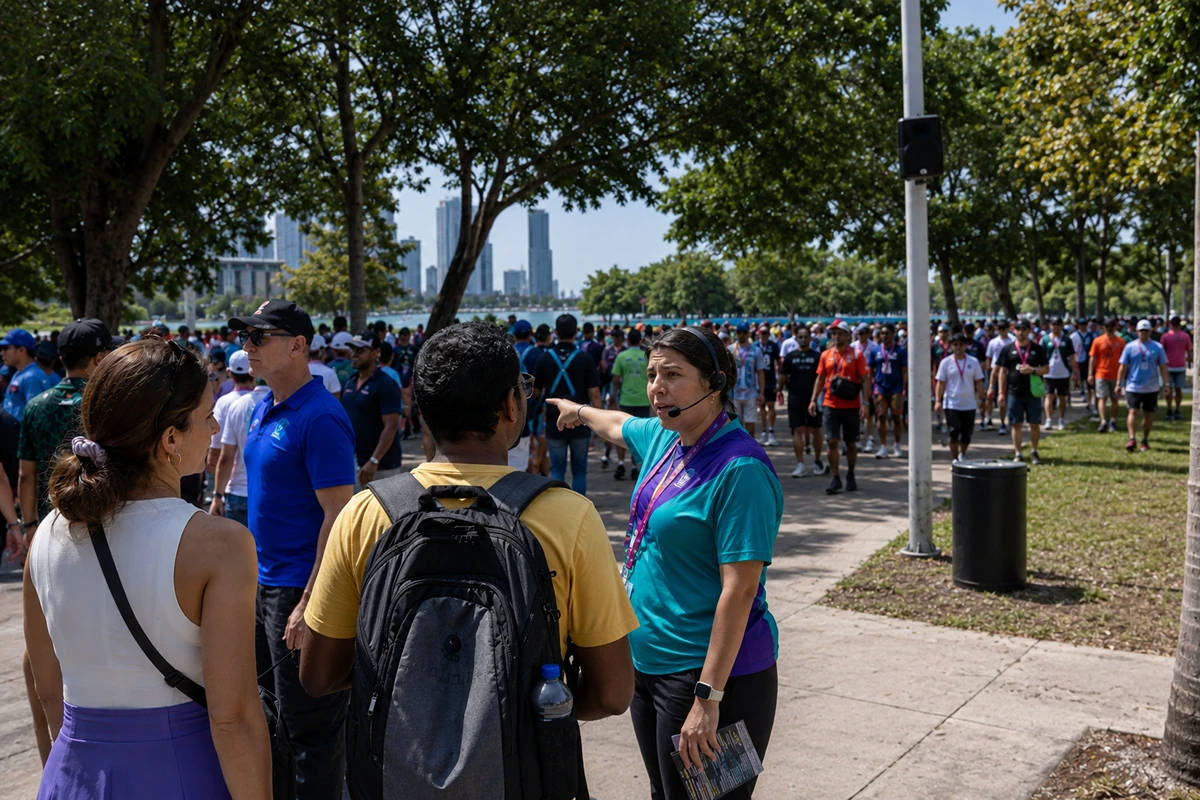
Guest services staffing for large hospitality events becomes especially important during Miami’s World Cup period because receptions may draw bigger and more varied audiences than usual. A sponsor event may include domestic executives, international guests, hospitality clients, brand teams, invited fans, media partners, venue contacts, and vendors.
At larger hospitality events, guest services staff help absorb questions before they turn into delays. They can answer where to check in, where to go after registration, where transportation is located, when the program begins, where restricted areas are, and who to ask for special requests.
This matters in Miami because event guests may be moving across busy districts. Greater Miami & Miami Beach’s official visitor site positions the area around neighborhoods, hotels, attractions, dining, beaches, arts, culture, and major events through Greater Miami & Miami Beach (https://www.miamiandbeaches.com/). During World Cup weeks, that broader visitor environment can shape guest expectations and movement.
For guest services staffing for large hospitality events, planners should identify the highest-question areas before the event. These are usually entrance points, lobby intersections, elevator banks, credential tables, private room entrances, transportation zones, and exits.
A useful staffing model includes:
- Guest services staff near arrival. They answer first questions before check-in slows down.
- Directional staff near decision points. Guests should not have to guess between rooms, lounges, or activation areas.
- Access staff at restricted zones. Ticket checkers should know exactly who can enter each area.
- A floating lead. This person handles exceptions, answers staff questions, and connects with the event manager.
Large hospitality events feel calmer when information is distributed across the venue. When every question is pushed to one desk, the room starts to feel underplanned.

Staffing Roles That Matter for Miami World Cup Sponsor Receptions
The most relevant Eventstaff roles for this service focus are hostesses, check-in staff, production teams, conference staff, and ticket checkers. Each role should be tied to a sponsor reception function.
Hostesses
Hostesses support the first impression and guest movement. For World Cup sponsor receptions, they may greet guests, direct executives, guide VIPs to private areas, and help keep the room polished.
They should be briefed on sponsor tone, guest categories, match timing, reception layout, and the correct language for directing high-priority guests. Their role is especially important when guests arrive in waves.
Check-In Staff
Check-in staff manage guest verification, registration lists, credentials, QR codes, and invitation questions. For sponsor receptions, they need clear guest categories and a quiet escalation process.
They should know how to handle late additions, missing names, sponsor guests, executives, and private invitees without slowing the line or making the issue visible.
Production Teams
Production teams support the connection between guest movement and event timing. They help with the run of show, sponsor moments, speaker cues, room transitions, vendor communication, and timeline changes.
During World Cup hospitality events, production teams can be especially useful when receptions include speeches, screens, branded reveals, entertainment, or post-match transitions.
Conference Staff
Conference staff support structured corporate and sponsor events. They help with attendee questions, room direction, program timing, session movement, speaker support, and guest communication.
For executive receptions and corporate hospitality events, conference staff help maintain a professional rhythm while still supporting a premium guest experience.
Ticket Checkers
Ticket checkers manage access points, credentials, invitation status, and restricted areas. They are important for sponsor lounges, VIP rooms, premium seating areas, private receptions, and credentialed activations.
Their tone matters. Access control should feel firm, respectful, and clear, especially when guests include executives, sponsors, clients, and international attendees.
What Planners Usually Miss Before Match Week
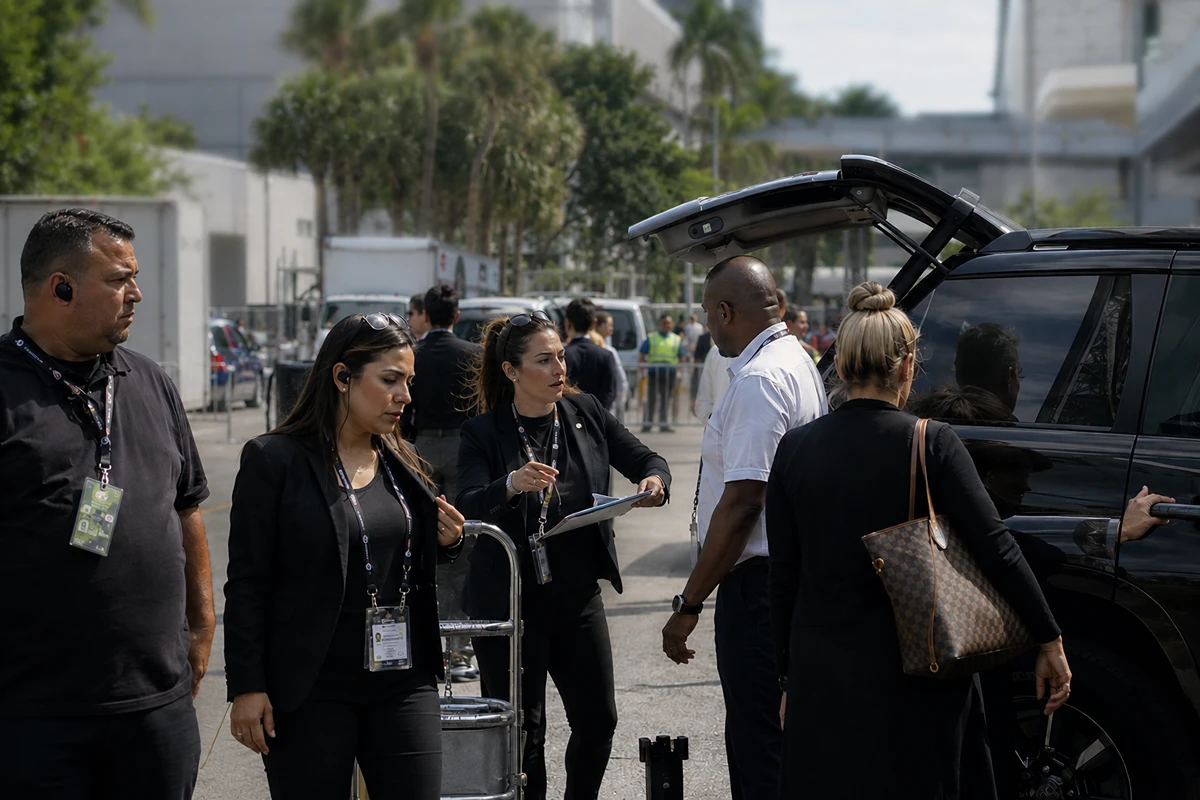
Sponsor receptions can look simple on paper. The planning gaps usually appear when guest movement, access rules, and matchday timing collide.
They underestimate late guest-list changes.
Sponsor events often change close to the event date. Executives add guests, clients shift plans, and partners confirm late. Check-in staff need a live escalation process so those changes do not slow the entrance.
They treat sponsor guests as one group.
A sponsor guest list may include executives, clients, internal staff, media, partners, athletes, speakers, and VIP invitees. Each group may require a different entry path, access level, or host contact.
They overlook matchday transportation timing.
Miami traffic, stadium movement, hotel pickups, rideshare demand, and fan activity can affect arrival patterns. Staff should be ready for early clusters, late waves, and guests arriving from multiple event locations.
They leave access control too vague.
Sponsor receptions often include private rooms, lounges, reserved areas, activation zones, or premium hospitality sections. Ticket checkers need exact rules before the doors open.
They brief staff on tasks without briefing them on sponsor goals.
Staff should understand why the event matters to the sponsor. A client reception, investor dinner, partner activation, and VIP hospitality lounge each require a different level of tone, attention, and routing.
How to Apply This Before Match Week
Before confirming staff, planners should build a sponsor reception staffing checklist. This keeps the conversation focused on guest needs rather than generic coverage.
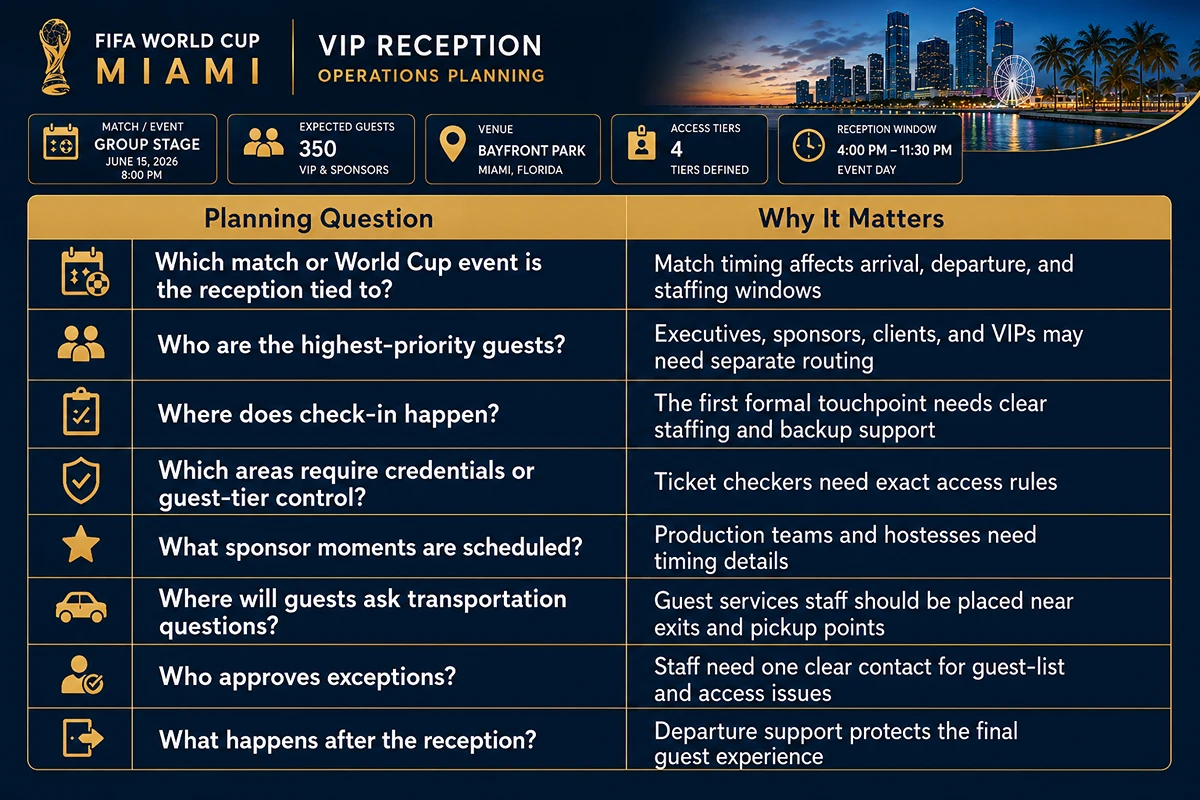
This checklist is especially useful for guest services staffing for large hospitality events, where the number of questions can grow quickly. It also helps planners avoid overstaffing low-value areas while leaving executive arrivals or sponsor access points exposed.
Common Mistakes to Avoid
Treating a sponsor reception like a standard cocktail event.
A World Cup sponsor reception often carries business value, media visibility, client hosting, and executive relationship goals. Staff need to understand more than the room layout. They should know guest tiers, host priorities, sponsor moments, and where each high-priority guest should go.
Using the same check-in process for every attendee.
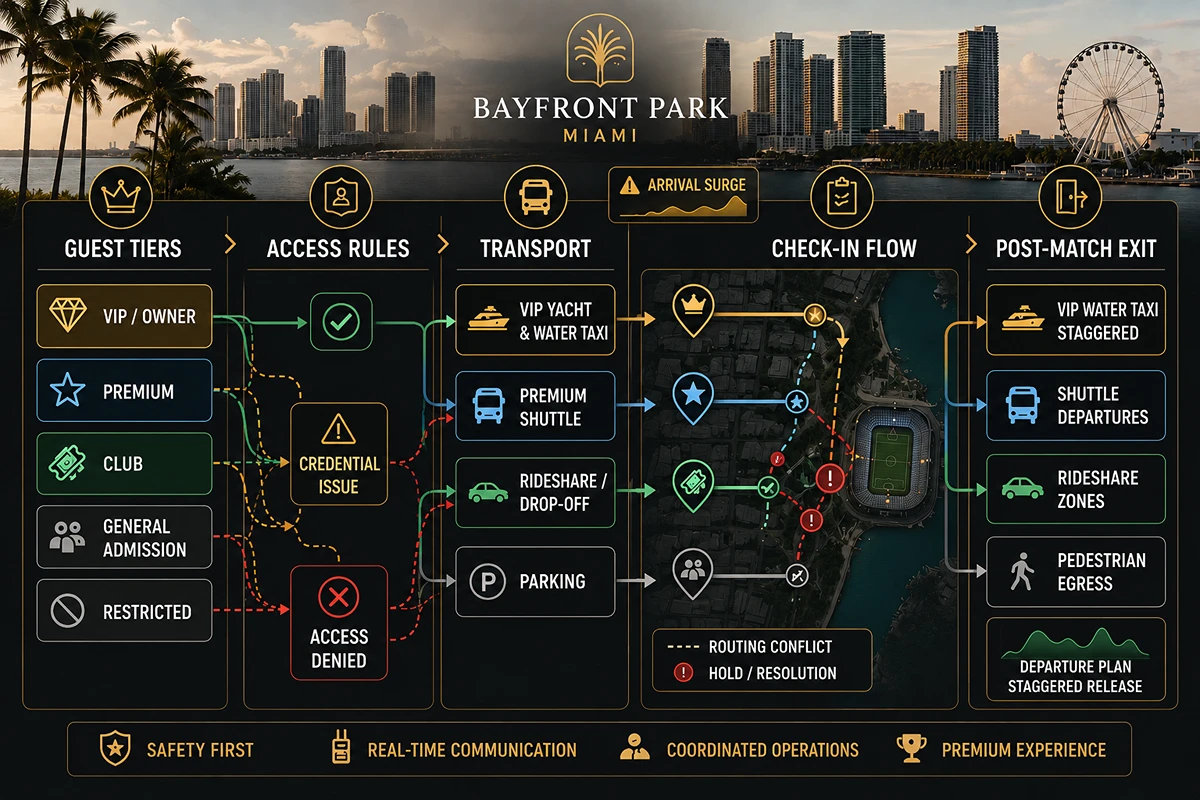
General guests, executives, sponsors, media, private invitees, and internal staff may need different handling. A single check-in flow can create avoidable delays and awkward guest moments. Separate routing can stay discreet while making the experience feel better managed.
Waiting until event day to explain access rules.
Access rules should be finalized before staff arrive. Ticket checkers and check-in staff need to know who can enter VIP rooms, sponsor lounges, green rooms, activation areas, and private hospitality zones. When rules are unclear, staff become hesitant in front of guests.
Ignoring post-match departure planning.
Many receptions focus heavily on arrival and forget that departure may be more difficult. Guests may need rideshare guidance, valet direction, shuttle information, hotel pickup notes, or directions to another sponsor event. The final staff interaction should feel as prepared as the first.
Under-briefing staff on international guest needs.
World Cup events bring guests from different countries, companies, cultures, and travel patterns. Staff should be prepared to answer clear, practical questions about timing, credentials, directions, transport, and venue areas. Calm communication helps international guests feel supported quickly.

How Eventstaff Fits the Miami World Cup Hospitality Need
Eventstaff’s hospitality staffing support is built around the guest experience, event format, and service requirements. For Miami World Cup sponsor receptions, that means matching staff roles to executive arrivals, sponsor check-in, guest services, activation support, access control, and large hospitality movement.
Hostesses can support the welcome, VIP routing, and sponsor guest tone. Check-in staff can manage registration, credentials, and guest-list questions. Ticket checkers can protect private areas and sponsor access points. Conference staff can support structured corporate programs and guest communication. Production teams can connect the guest-facing plan to the run of show.
For Hospitality Staffing in Miami, this level of preparation matters because the World Cup creates a high-visibility hosting environment. Sponsors are not only entertaining guests. They are protecting relationships, brand perception, and the experience attached to one of the world’s largest sporting events.
Bottom Line
Hospitality Staffing in Miami for World Cup sponsor receptions should be built around sponsor guest experience, executive handling, access control, sports hospitality timing, and large event guest services. The strongest staffing plans begin with the guest journey and then assign the right staff to each point of contact.
For premium event staffing for executive receptions, planners need staff who understand VIP routing, sponsor priorities, and quiet exception handling. For staffing for World Cup sponsor receptions, they need check-in, host support, access control, and guest services aligned with matchday movement. For hospitality staffing for sports hospitality events, they need teams prepared for international guests, timing shifts, and high-value hospitality moments.
When event staffing for corporate sponsor activations and guest services staffing for large hospitality events are planned together, the reception feels organized from arrival to departure. Guests receive clearer direction, sponsors protect their brand experience, and planners reduce the visible friction that can weaken a high-value event.
Ready to elevate your next event?
Join thousands of event planners who trust EventStaff.com for reliable, professional staffing solutions.
Trusted by event professionals nationwide
1k+
Events Staffed
2 million+
Guests Served
97%
Positive reviews


.webp)
.jpg)