

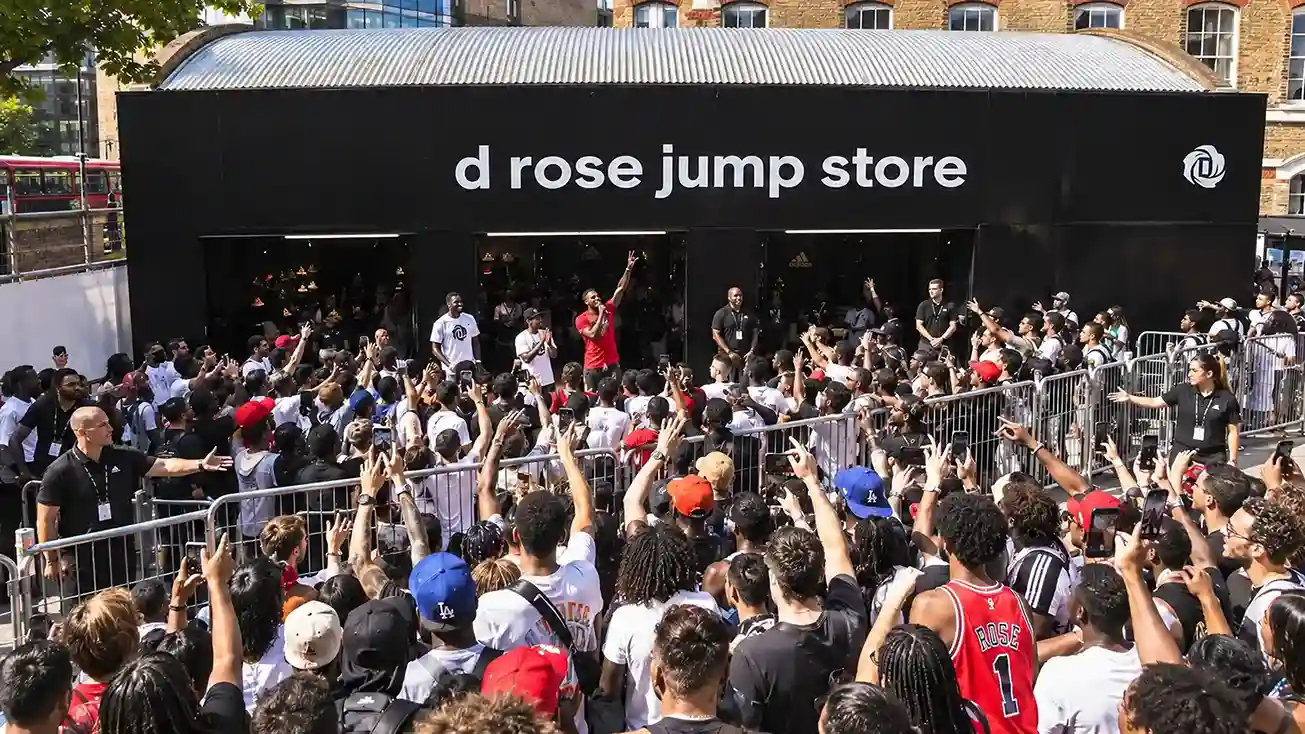
Retail activation is when a brand puts trained people inside a store so shoppers can try, see or test a product next to the shelf and buy it on the same trip. Behind that quick moment sits a chain of steps, and when one store skips a step, the numbers for the whole program stop meaning much.
The shelf still carries most of the money. Online sales were 17.1% of U.S. retail in the second quarter of 2026, per the Census Bureau, so about 83 cents of every retail dollar was spent away from an online checkout.
Quick Summary for Retail Activation
- A retail activation puts trained staff next to your product inside a store, usually through in-store sampling, in-store demos, a pop-up or a launch day.
- Nothing starts until the retailer approves your dates, space and setup, so the store's calendar sets your timeline.
- Results come back one store at a time, which is why a multi-store in-store activation needs one shared brief and a lead in every store.
How Retail Activation Works Inside a Store Step by Step
A retail activation runs in six stages, and most of the work happens before a shopper ever sees the table. The brand sets the goal, the retailer approves the space, the team trains and packs, staff set up early, ambassadors run the in-store activation and each store reports back that night.
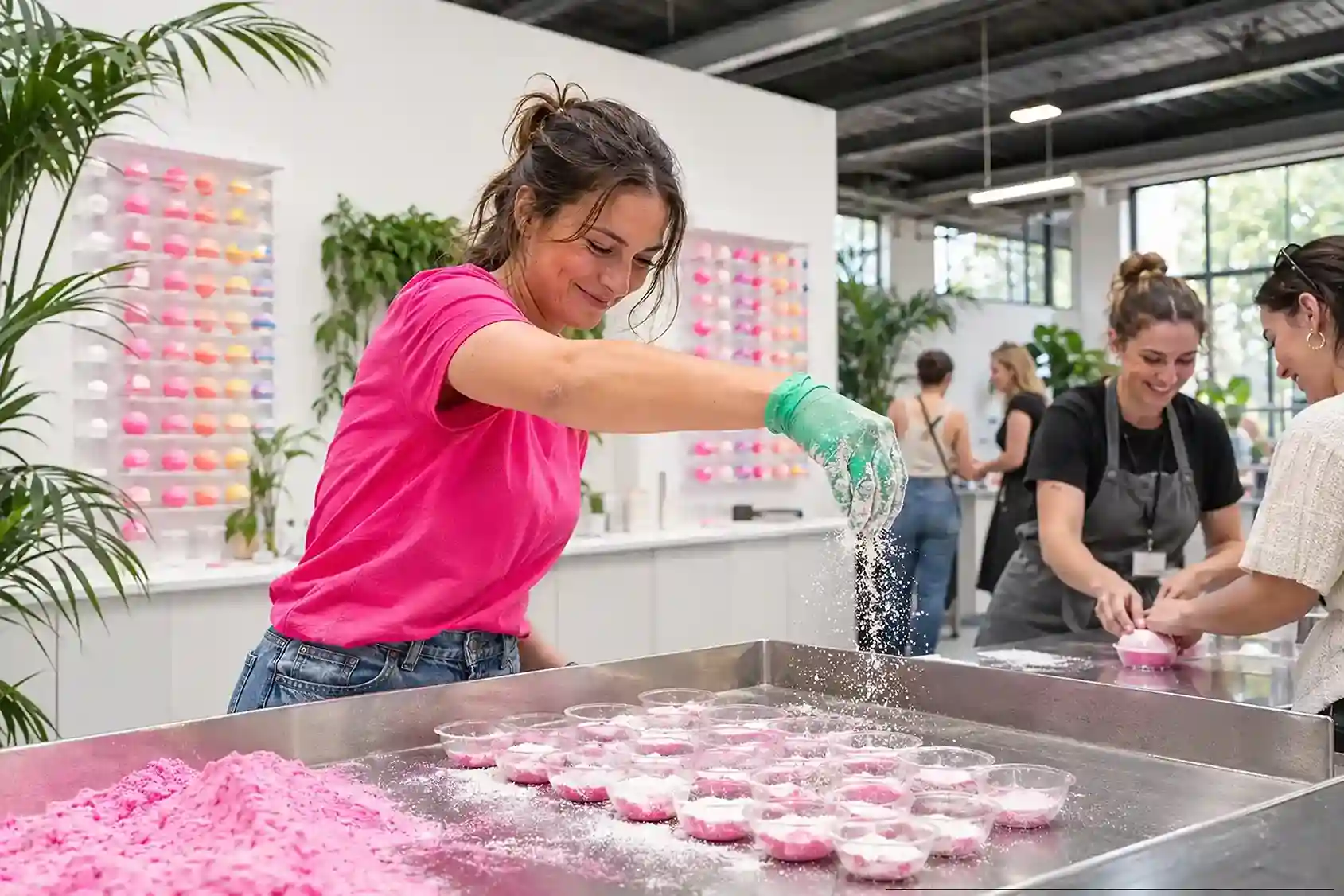
1. The Brand Picks One Goal and a Store List
Every retail activation starts with one job, like trial for a new flavor or more sales on a slow line. That goal decides the format, which stores make the list and how you'll judge the results later.
- Trial goals lean on in-store sampling, while sales goals lean on in-store demos with stock on a nearby shelf.
- Pick stores by foot traffic and stock levels, since an empty shelf next to your table wastes every good conversation.
- Write down the one number you'll judge it on before anyone books a single shift.
2. The Retailer Signs Off on Dates and Space
Nothing happens until the store says yes. Some big chains sell this access through their retail media teams. At Walmart, for example, in-store demos and store events are booked through Walmart Connect.
- Expect the retailer to set your footprint, often a cart or table near the product's aisle, along with rules on signs and sound.
- Ask early about insurance paperwork and, for food, any local health permit, since either one can push back a start date.
- Confirm dates with each store manager as well, because a yes from head office doesn't always reach every store team.
3. The Team Gets Trained and Kits Get Packed
Next, staff learn the product, the pitch, and the one question that sorts shoppers quickly. Kits get packed for each store at the same time, so no team shows up missing cups, signs, or samples.
- Give staff a one-page brief with the opening line, three proof points, and the answer to the most common objection.
- Decide early whether you need reps or ambassadors, since a detailed demo needs deeper product knowledge than a quick taste.
- Pack one kit per store with a checklist the team lead signs during setup.
4. Staff Set Up Before the Store Gets Busy
On the day, the team arrives early, checks in with the store manager and builds the station before the busy hours start. A ready, tidy table in the first hour sets the pace for the whole shift.
- Check in at the service desk first, since most stores want to know who's on the floor and where they'll be.
- Place the table for in-store demos or sampling where shoppers can see the product on the shelf.
- Take a setup photo for the brand so every store can be compared side by side.
5. Ambassadors Run the In-Store Activation
This is the part shoppers actually see. Brand ambassadors invite people over, let them try the product, and walk them to the shelf, keeping each chat short so the line keeps moving.
- A strong opener asks about the shopper's own need, like what they pack for lunch or how they clean a pan.
- Point to the exact shelf spot so the purchase happens on the same trip, which is where most product demo mistakes cost sales.
- Keep quick tallies by the hour, like samples handed out and boxes picked up, without slowing the table.
6. Each Store Reports Back the Same Day
When the shift ends, the team lead sends a short report with photos, counts and shopper comments. Across a big program, those reports show which stores, hours and pitches actually moved product.
- Use the same report form in every store so results from Dallas and Chicago can be read side by side.
- Note stock-outs and store issues, since they explain dips that have nothing to do with the staff.
- Compare sales with the same days last year, which helps you measure activation ROI against a fair baseline.
Running your first store day soon? Tick through this checklist before your team walks in.
- Store manager's name and direct number saved for every location
- Retailer approval saved on the team lead's phone, ready to show at check-in
- Insurance certificate and any food permit sent to each store ahead of time
- Shelf stock confirmed two days out, with a backup case packed in the kit
- A backup staffer on call for no-shows on your busiest store day
- Parking, entry door and check-in time sent to every staffer
- Each team lead knows the report form and the same-night deadline
CEO Excerpt
"A retail activation is decided on the store floor. When every store gets the same brief, a trained lead and a simple way to report back, a shopper in Dallas gets the same experience as a shopper in Chicago, and the numbers you get back are ones you can trust." -- Daniel Meursing, CEO, EventStaff
Where Retail Activation Works Best by Product Category
A retail activation works best where shoppers already like to buy in person. Deloitte's 2026 Holiday Retail Survey found shoppers plan to put 55% of their holiday budgets online, yet a few categories still lean hard toward the store, and that's where in-store marketing with real people does its best work.
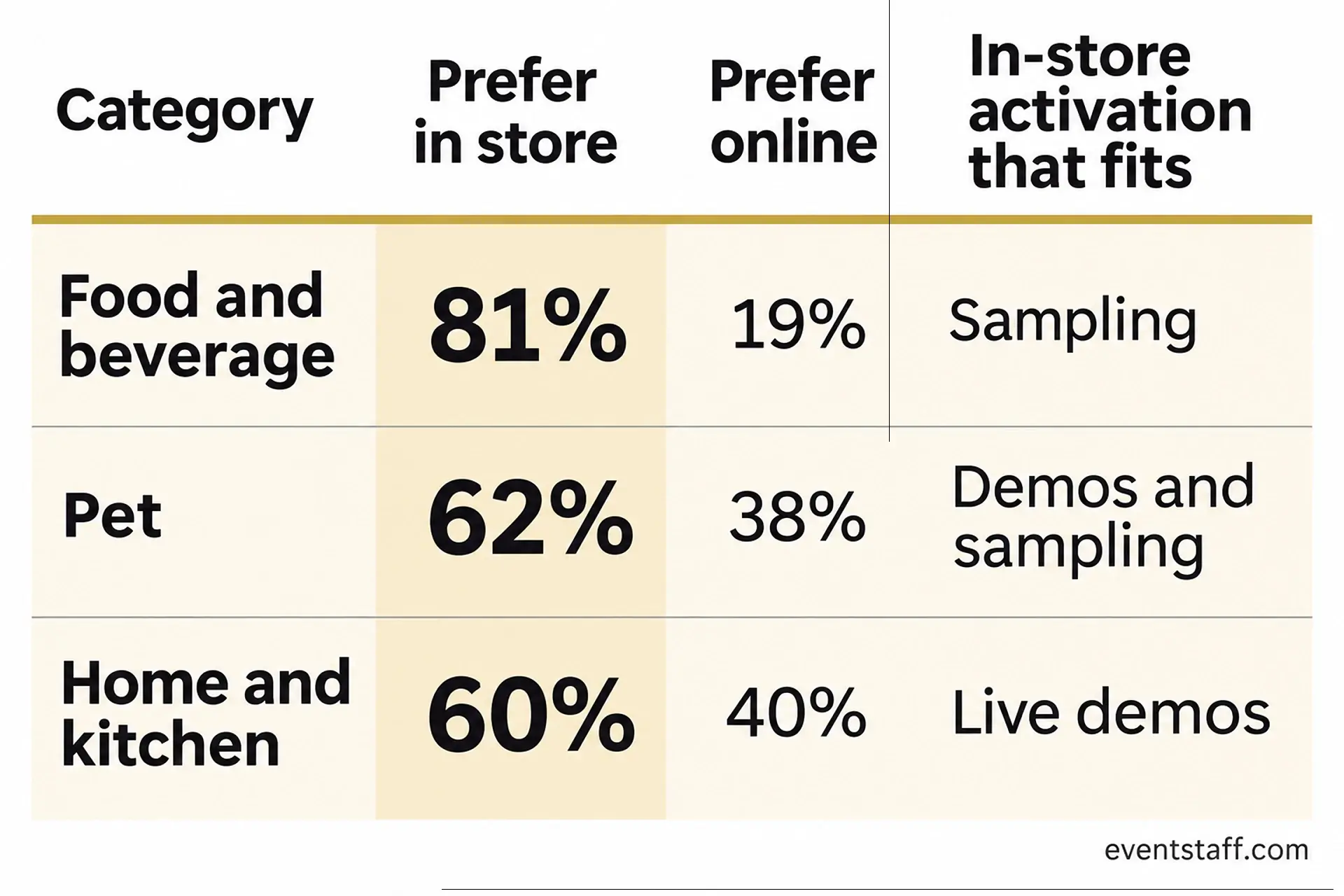
Source: Deloitte 2026 Holiday Retail Survey, 4,000 U.S. consumers, fielded Aug. 26 to Sept. 10, 2026
1. Food and Drink Brands Start With Sampling
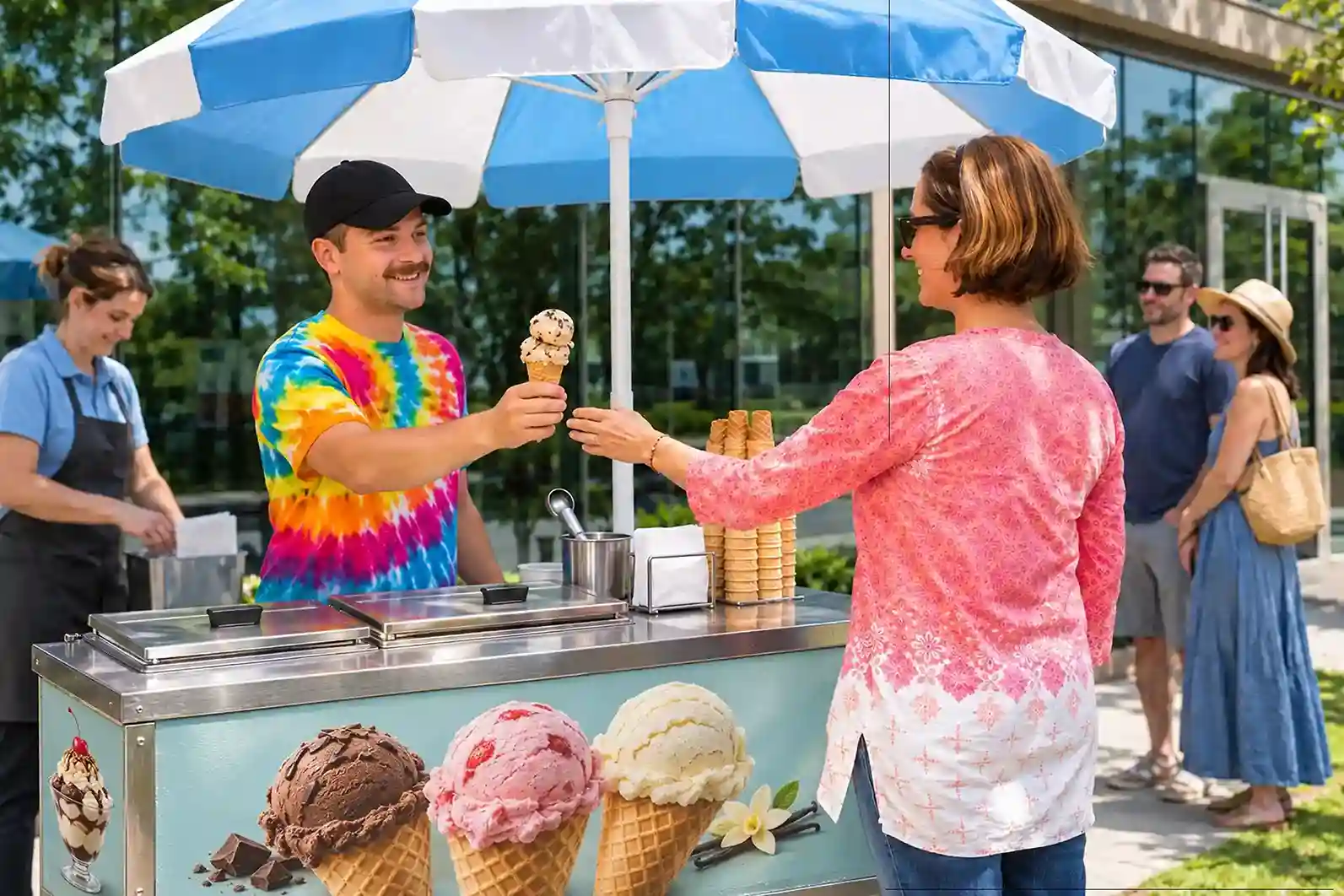
Taste is hard to sell from a box, so food brands usually lead with in-store sampling. Offering two flavors side by side gives a picky shopper a second chance to find one they like.
2. Pet Brands Use Demos That Answer Questions
Pet owners ask a lot about ingredients and whether a product suits their animal. A trained rep who knows the label well can turn those questions into a sale before the shopper leaves the aisle.
3. Home and Kitchen Brands Show the Product Working
A blender or a pan sells faster when shoppers watch it work. Live in-store demos let people see the result, ask about cleanup, and grab a box from the shelf right there.
Retail Activation Examples From Walmart Stores
The clearest retail activation examples come from brands that published their results. These three Mondelēz campaigns ran through Walmart's retail media team in 2024, and each one paired staff at a station with stock on a shelf a few steps away. For more formats to borrow, see our retail activation ideas guide.
1. belVita Sampled Two Flavors Across 471 Stores
- Demo stations sat in a visible spot in each store and offered two belVita flavors.
- Event specialists handed out samples and answered questions, with boxes on a shelf close by.
- More than 130,000 samples went out, and average dollar sales rose 80% year over year, per the belVita case study.
2. Ritz Paired Sidewalk Games With 941 In-Store Demos
- Basketball-themed games greeted shoppers at store entrances during March Madness.
- Inside, product specialists at demo carts took questions and pointed shoppers to nearby shelves.
- Walmart reported a 75% jump in average unit sales per store per day, per the Ritz case study.
3. OREO Ran a Space-Themed Kiosk Inside and Outside the Store
- Branded kiosks inside stores mixed sampling with photo stand-ins for families.
- A sidewalk setup added more sampling, face painting and take-home swag.
- The campaign logged 31,000 indoor and 10,000 sidewalk engagements, per the OREO case study.
Book Your Retail Activation Team Before the Store Calendar Fills
A retail activation works when the quiet parts go right: sign-off, training, setup and a report from every store. Get those right and the shopper moment mostly takes care of itself. Your signs and displays carry the rest of your in-store marketing, and a trained team is what turns that attention into a sale. If you're running stores in more than one city, give yourself about four weeks so staff can learn the product and every location works from the same brief. When you're ready, plan your store activation with EventStaff.

Ready to elevate your next event?
Join thousands of event planners who trust EventStaff.com for reliable, professional staffing solutions.
Trusted by event professionals nationwide
1k+
Events Staffed
2 million+
Guests Served
97%
Positive reviews


