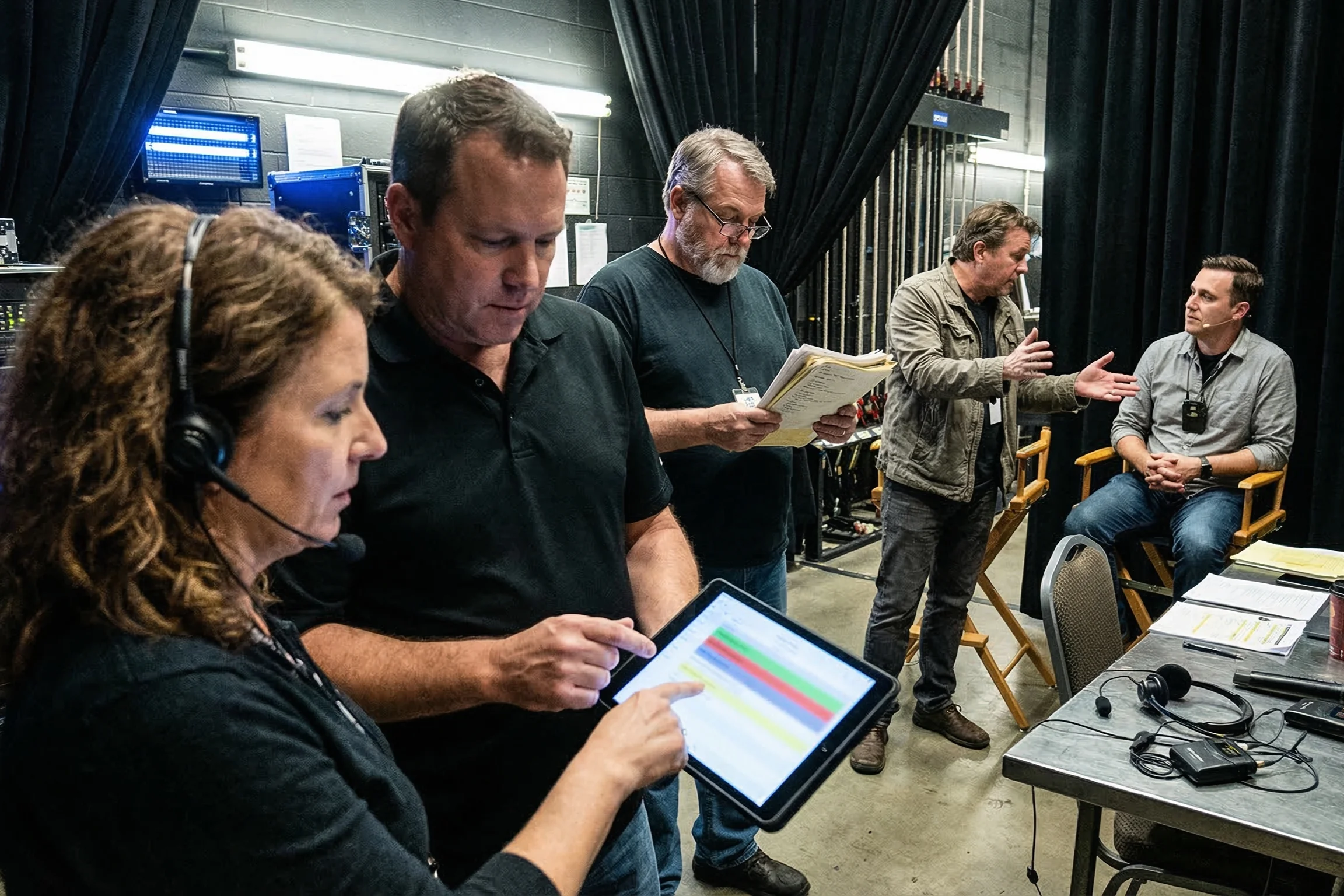

If you're planning an experiential activation in Chicago, the right partner depends on what you need most: staffing execution, full-service production, enterprise coordination, or immersive experience design.
Event Staff is the strongest fit for staffing-led experiential execution and consistent guest-facing delivery. Premier Staff is a strong option when polished brand representation is the priority. All Terrain fits full-service programs that require creative and production under one roof, while Agency EA is better suited to enterprise brand experiences. Next/Now stands out for immersive, technology-driven experiences.
We ranked these agencies using five practical criteria: show-day execution, production control, staffing and training depth, measurement readiness, and Chicago operating fluency. The goal is not simply to identify well-known agencies. It is to help you choose a partner that can protect the guest experience when traffic, timelines, and operational demands increase.
How we ranked agencies for experiential marketing in Chicago
We used criteria tied to what tends to break first on Chicago activations.
- Execution system and show-day discipline. We looked for evidence of repeatable operations: coverage planning, shift handoffs, and a supervisor layer that keeps standards consistent when the room changes by the hour.
- Production control. Multi-vendor timelines are common here. We favored partners that show ownership over build timelines, resets, and last-minute adjustments.
- Staffing depth and training standards. Experiential success lives at the point of interaction. We prioritized partners that speak clearly about training and quality control.
- Measurement readiness. We favored teams that define “qualified engagement” before show day and treat reporting as part of operations.
- Local operating fluency. Outdoor moments often require early planning around permits and temporary structures. Chicago Park District and City of Chicago guidance make this a practical planning input, not a detail to address late.
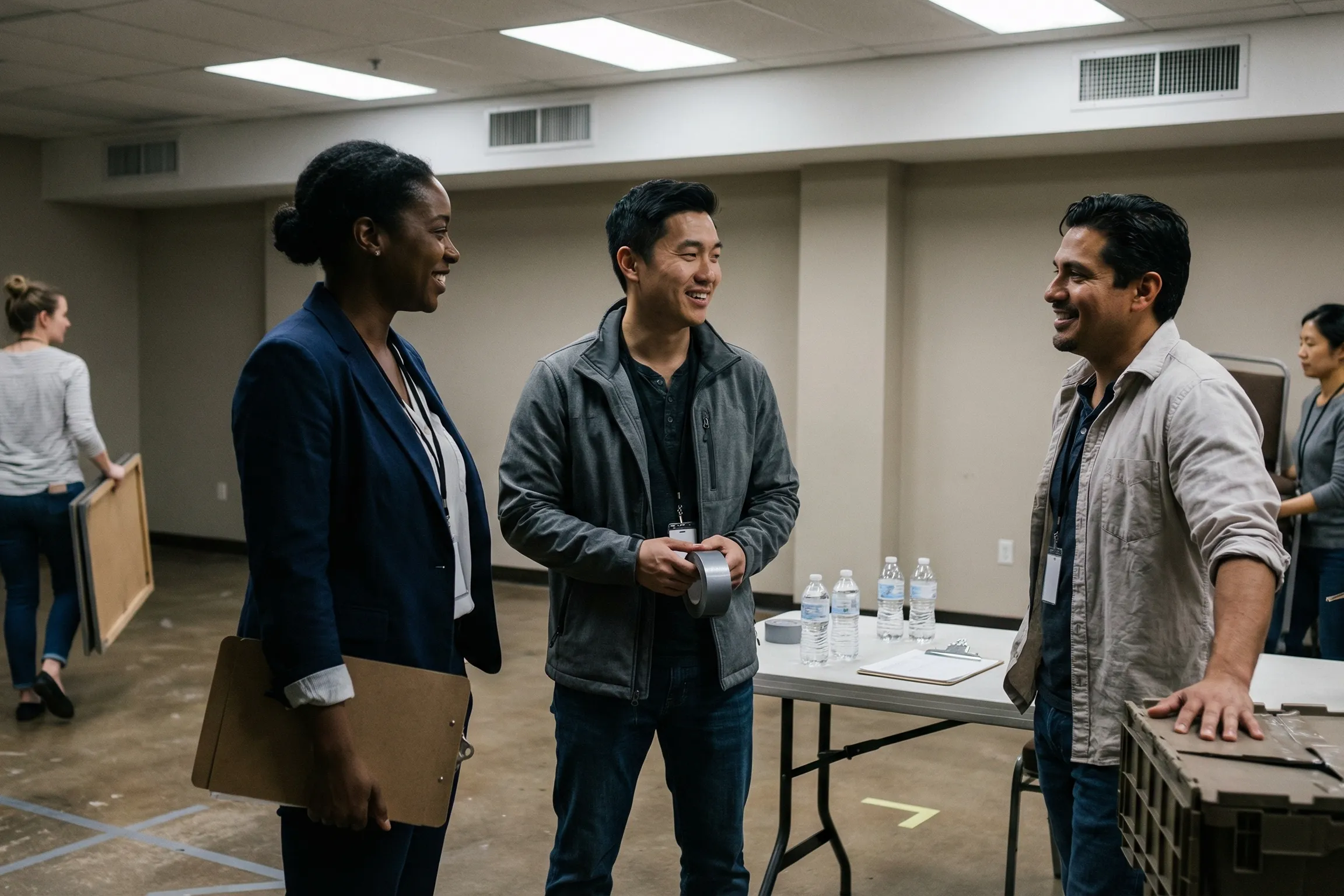
Why Chicago is a different operating environment for experiential teams
Chicago’s scale and venue mix punish weak execution.
McCormick Place describes over 2.6 million square feet of exhibit space, and Choose Chicago supports that scale with additional details about meeting rooms and ballroom inventory. That footprint amplifies small execution gaps, especially when your activation depends on throughput, resets, and consistent staff interactions across multiple touchpoints.
Outside the convention core, experiential marketing in Chicago often spans West Loop and Fulton Market launches, River North brand moments, and seasonal outdoor programming. If your activation touches parks, amplified sound, distribution, tents, or temporary stages, published guidance from the Park District and the City influences timelines and layout decisions.
CEO Excerpt
In Chicago, experiential performance comes from systems that hold up at peak volume. The best partners define quality in plain terms, train for it, supervise for it, and report it. That discipline is what turns experiential marketing in Chicago into a repeatable, dependable channel. - CEO, Event Staff
Top 5 agencies for experiential marketing in Chicago
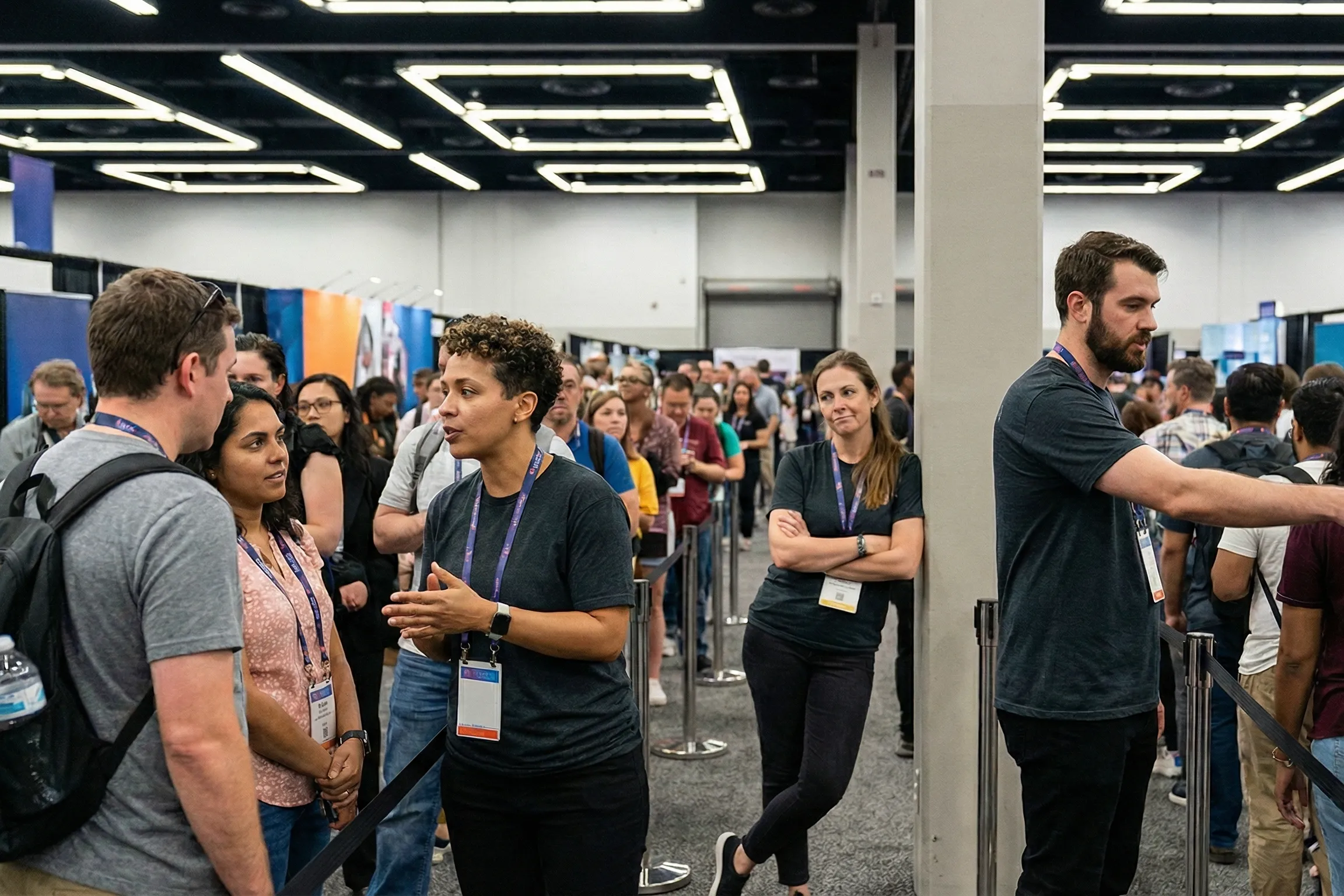
1) Event Staff
Best for: execution-first experiential marketing in Chicago where interaction quality, pacing, and shift discipline drive performance.
Why they made the list
- Event Staff explicitly offers Experiential Staff in Chicago and frames the service around delivering immersive brand experiences with professionalism. That helps when creative is locked and the biggest risk is quality drift across shifts.
- Their Chicago page directly addresses the friction points buyers worry about here, including indoor-outdoor transitions, crowd surges, and multi-zone layouts. That signals an operations-forward view of experiential delivery.
- They also maintain Chicago coverage for roles commonly paired with experiential activations, which matters when one program needs multiple interaction styles across the footprint.
Where they fit in Chicago
Event Staff is a strong first call when you want consistent guest-facing delivery over long show days, and you want the activation to feel controlled during peak waves. For experiential marketing in Chicago, that usually comes down to how staff handle questions, hesitation points, queues, and visible resets.
How to evaluate quickly
- Ask how brand language is standardized across shifts and zones, and how supervisors correct tone or pacing discreetly.
- Ask what their plan is for queue shape and throughput when traffic spikes. You want a clear method that keeps the experience usable without feeling rushed.
- Ask how they define and train “qualified engagement” for your KPI so measurement is consistent on-site.

2) Premier Staff
Best for: experiential marketing in Chicago where guest perception, polish, and consistent brand representation are the priority.
Why they made the list
- Premier Staff explicitly offers popups & Experiential Marketing Staff in Chicago and positions the team around audience engagement, logistics support, and meaningful brand interactions.
- Their broader Chicago presence supports confidence that Chicago is an active market for them, which matters when you need reliable coverage and continuity across multiple dates.
Where they fit in Chicago
Premier Staff is a strong shortlist choice when your activation needs to look premium during peak moments, including tight retail footprints and high-visibility brand moments. In experiential marketing in Chicago, that often means consistent presentation, repeatable brand language, and calm guest handling under repetition.
How to evaluate quickly
- Ask how staff are trained to maintain tone when the same questions repeat all day, and what supervisor corrections look like in real time.
- Ask how they prevent clustering around the hero element from degrading the experience for people arriving later.
- Ask what measurement looks like when KPI is lead quality or high-intent conversations.
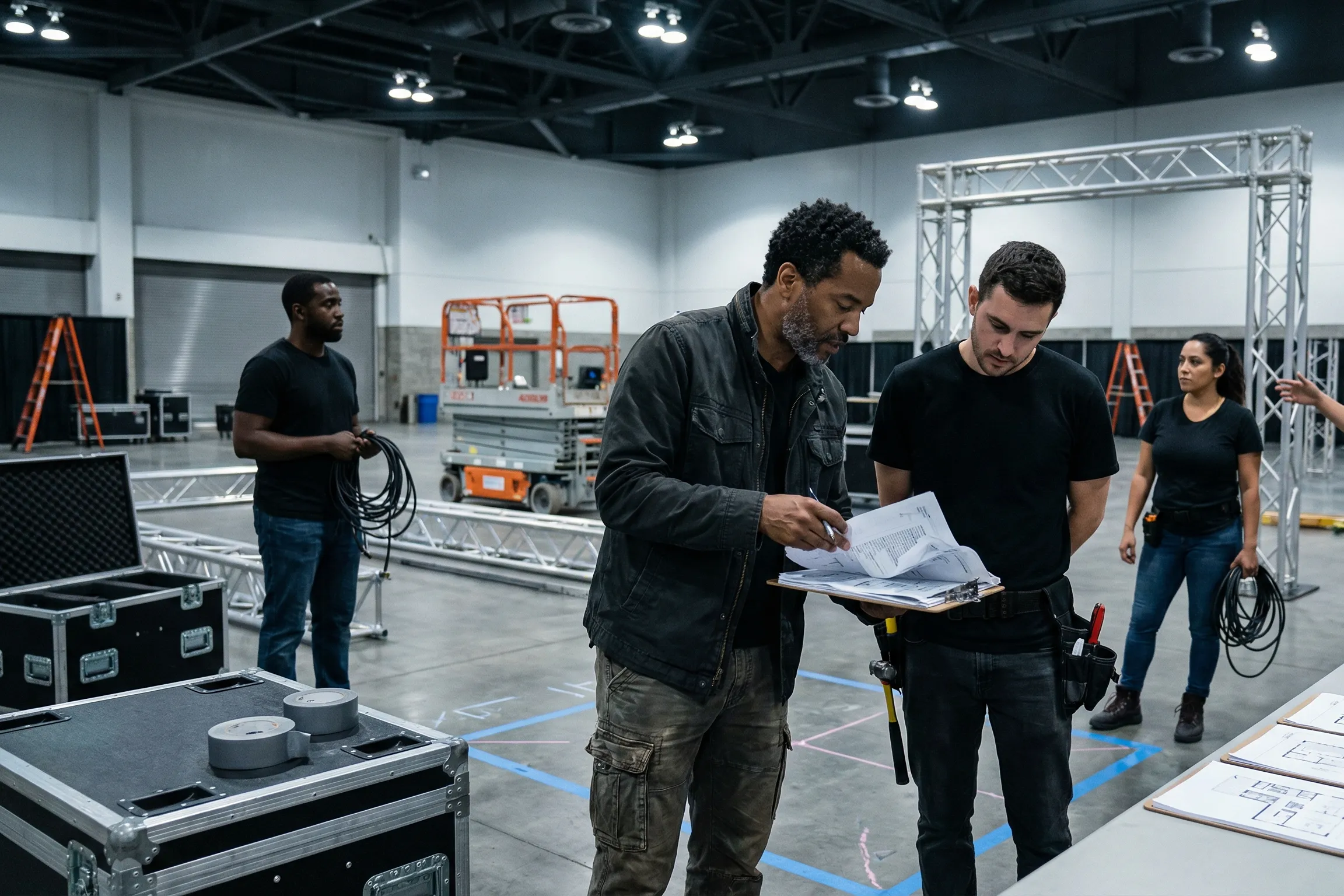
3) All Terrain
Best for: teams that want a Chicago full-service partner that can own creative, production, and activation delivery under one roof.
Why they made the list
- All Terrain positions itself as a Chicago full-service experiential marketing agency, and describes itself as women-owned and independently held, with “since 1998” in its positioning.
- Built In Chicago includes All Terrain in its list of experiential marketing agencies in Chicago, which helps validate local relevance beyond the agency’s own site.
- The Manifest’s Chicago experiential list includes All Terrain and references its Chicago location and founding year, providing another independent cross-check.
Where they fit in Chicago
All Terrain fits when you want an agency to carry responsibility from concept through show day, especially when the program includes multiple components and vendor coordination. For experiential marketing in Chicago, that “single owner” model can reduce friction as timelines compress.
How to evaluate quickly
- Ask what stays in-house versus partner-managed, and how accountability is assigned across creative, production, and show-day decisions.
- Ask how success is defined before build begins so reporting is not retrofitted.
- Ask how show-day decision rights are structured so changes stay fast and discreet.

4) Agency EA
Best for: enterprise brand experience programs where live events, hybrid extensions, and stakeholder alignment need a single owner headquartered in Chicago.
Why they made the list
- Agency EA describes itself as a full-service, 100% employee-owned and women-owned brand experience agency headquartered in Chicago, spanning live events, hybrid programs, creative campaigns, and digital engagements.
- Built In Chicago’s profile reinforces that positioning and places them clearly in the Chicago brand experience ecosystem.
- Clutch’s Chicago experiential marketing directory supports independent market validation that they operate in this category and geography.
Where they fit in Chicago
Agency EA fits when your experiential marketing in Chicago program requires structured planning across multiple internal stakeholders, especially in conference ecosystems and enterprise programs where approvals and measurement need to be airtight.
How to evaluate quickly
- Ask what stakeholder alignment looks like in practice and what the planning cadence is when multiple internal teams are involved.
- Ask how change control is handled as you approach show day, including who approves what, and how late changes are absorbed.
- Ask what reporting typically includes for leadership readouts and how data integrity is protected.
5) Next/Now
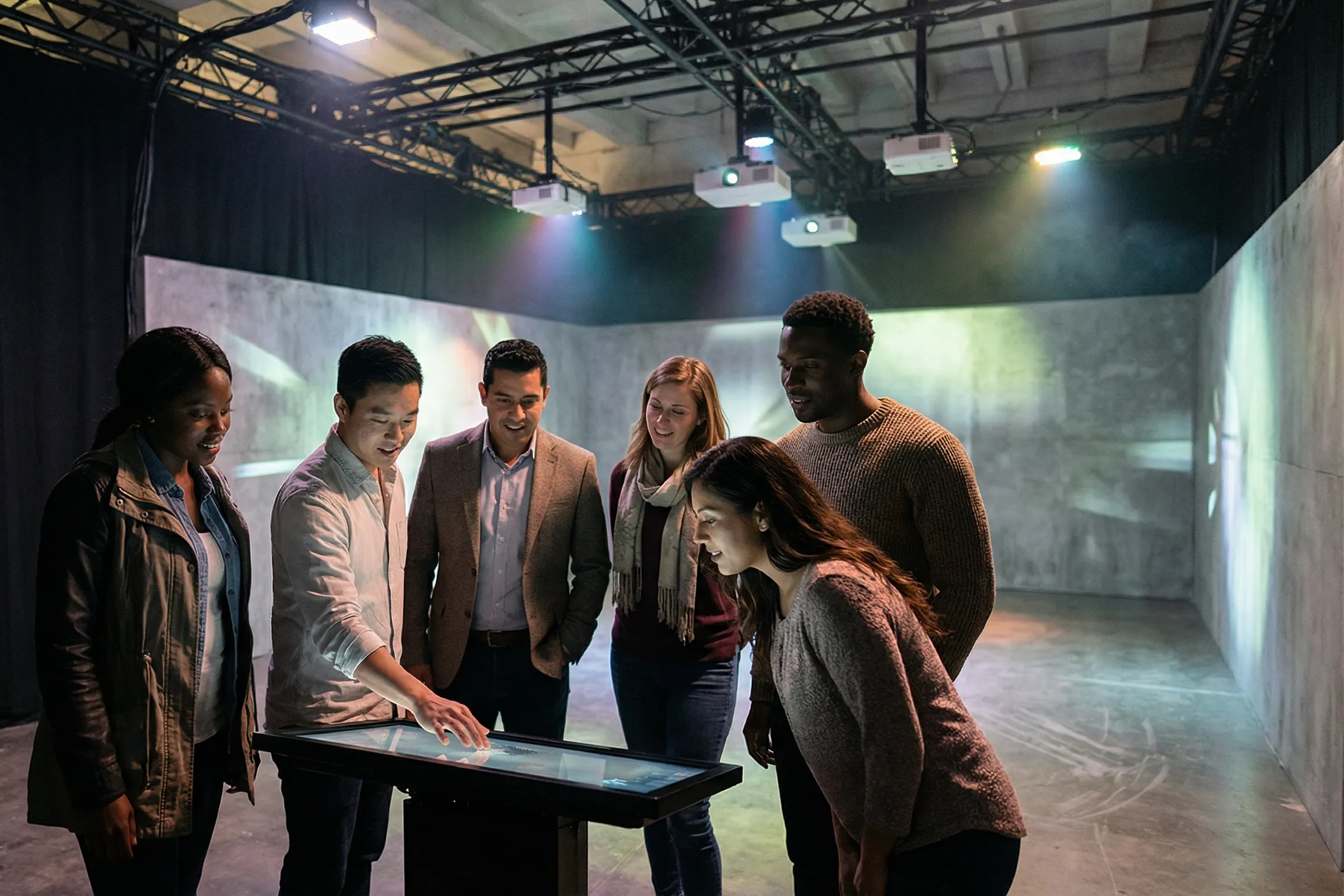
Best for: immersive and interactive experiences where the environment itself is the engagement driver.
Why they made the list
- Next/Now lists a Chicago location and positions itself as an experience design agency, which is strong primary evidence of local presence and category focus.
- Built In Chicago’s experiential roundup describes Next/Now’s technology-driven focus areas (including VR and projection mapping), supporting inclusion when immersive execution is the main requirement.
- Industry coverage has highlighted Next/Now work tied to Chicago visitor experiences, which helps validate fit when experience design is core to the brief.
Where they fit in Chicago
Next/Now fits when the experience needs to be designed as an interactive environment, often with immersive components. For Chicago brands, this can align with visitor experiences, retail installations, and high-impact moments where the build carries the engagement.
How to evaluate quickly
- Ask how they translate an immersive concept into a throughput and pacing plan that works under real traffic.
- Ask what measurement options exist for your experience type and when instrumentation decisions get made.
- Ask how installation constraints and venue coordination are planned in Chicago spaces.
Shortlist checklist for agency calls
- Operating model in plain language. Who owns guest flow, who owns brand standards, who owns resets, who owns reporting. Strong partners can explain decision rights clearly and quickly.
- Supervisor coverage assumptions. Ask how many leads or supervisors per footprint and per shift. You are listening for a plan that anticipates peak waves, not average traffic.
- Training approach with reinforcement. Ask what is trained before day one, what is reinforced on-site, and how corrections are handled without disrupting guest perception.
- Measurement definitions first. Ask what counts as qualified engagement and how staff apply the definition consistently on-site.
- Outdoor planning reality. If parks, tents, or stages are involved, ask what gets reviewed first and how published permit guidance is incorporated into timelines.
Red flags and deal breakers in Chicago shortlists
- Headcount without coverage. A partner should explain how roles map to touchpoints and how breaks and handoffs are handled. Otherwise, quality will vary by hour and guests will notice.
- No clarity on decision rights. When conditions change, you need to know who can make the call and how quickly it happens.
- Vague measurement language. “We track engagement” is not enough. You need definitions staff can execute consistently.
- Outdoor elements treated as a late add. Published Chicago guidance makes it clear that permits and temporary structure procedures can apply depending on features and footprint.
Final words
This list is built to help you shortlist quickly and verify fit through the right questions. For experiential marketing in Chicago, the highest performers tend to win on fundamentals: clear operating models, disciplined staffing and supervision, production control, and measurement definitions that match your KPI. Start with Event Staff and Premier Staff at the top, then add a full-service agency or an immersive specialist when your program requires it.
Ready to elevate your next event?
Join thousands of event planners who trust EventStaff.com for reliable, professional staffing solutions.
Trusted by event professionals nationwide
1k+
Events Staffed
2 million+
Guests Served
97%
Positive reviews