

If you clicked this, you are probably wondering two things. Which cities will be hardest to staff for VIP in 2026, and how early do you need to lock a reliable team? This forecast gives you the top risk markets, the scarcity tier for each one, and the staffing moves that protect consistency before quality starts to slip. First, here is where the pressure shows up earliest.
CEO Excerpt
"In 2026, availability is not the metric that matters for VIP programs; consistency is. We are seeing a market where the top 10% of staff are locked down months in advance, effectively creating a closed ecosystem for premium talent that late-booking planners cannot access. This forecast explains where that lock-up happens first. Now let’s break down what is changing, city by city.” — CEO Event Staff
Executive Summary
“This forecast shows where VIP staffing will be hardest in 2026, how early you should lock teams in those cities, and what ratio and supervision changes prevent service slip when premium talent gets booked out.”
VIP Staffing Scarcity Summary & Top Risk Markets
VIP event staffing in 2026 tightens earlier than most teams expect because these roles sit at the narrowest point of the labor funnel. Availability alone is not enough. VIP staff must demonstrate behavioral consistency, presentation discipline, and trust earned across repeated deployments. That combination filters out most of the labor pool before raw headcount becomes relevant.
Premium buyers experience this first because they rely on known performers. Repeat-host preference reduces flexibility, while overlapping demand windows compress supply further. In major hubs, corporate summits, luxury brand activations, and investor events now follow predictable overlap cycles. When those windows collide, experienced VIP-facing leads are often the first resource to deplete, well before general event staff shortages appear.
This is a top risk snapshot of the cities where premium demand overlaps most, not an exhaustive list of every market.
Top VIP Staffing Risk Markets for 2026
- New York
- Los Angeles
- Las Vegas
- Miami
- San Francisco
What connects these cities is not size. It’s compression. Too many premium events draw from the same limited pool of vetted VIP staff during the same weeks, a pattern consistent with documented operational staffing bottlenecks that emerge when capability, not headcount, becomes the limiting factor.
Key Insight: In 2026, VIP staffing scarcity is driven by qualification thresholds, not labor volume. Behavioral reliability and guest-facing trust compress supply long before broader staffing markets feel pressure.
To understand why these cities tighten first, you need to understand what makes VIP staffing operationally different.
What Makes VIP Staffing Different From General Event Staffing
VIP event staffing in 2026 cannot be planned using general staffing logic, and teams that try usually discover the gap too late. Speed matters, but consistency matters more. VIP staff are evaluated on judgment, tone, and restraint, often in moments that are unscripted and irreversible.

This is especially true in VIP guest services staffing, where one-to-one or small-group interaction leaves no buffer for performance variance. In VIP, the hard moments are unscripted, like a guest asking for an exception, a last-minute escort change, or a seating adjustment that must look effortless. A single misread interaction does more damage than a delayed cue elsewhere, which is why planners often underestimate how much emotional control and situational awareness are required, as outlined in guest experience elevation principles used in high-touch hospitality environments.
Key differences that change planning:
- Behavioral consistency outweighs speed or volume
- Guest interaction is continuous, not transactional
- Tolerance for variability is extremely low
- Teams strongly prefer known, repeat staff
Operationally, this changes everything. Late booking does not just reduce quantity. It removes choice. Training windows stop being optional, and substitution risk climbs sharply once unfamiliar staff are placed into guest-facing discretion roles.
Now that VIP staffing is clearly defined, the next question is how scarcity is measured and where it shows up first.
VIP Scarcity Methodology & Definitions
VIP event staffing in 2026 forecasting depends on being precise about what scarcity actually measures. Scarcity Score is a 0 to 100 planning signal. It is not a price predictor and not a staffing guarantee. It is designed to surface service risk early, before quality degradation becomes visible to guests or clients.
The score measures city-level pressure on VIP roles using three inputs, all evaluated across comparable lead times. First party means our internal booking demand and fill outcomes for VIP roles across lead times, not third-party estimates or market surveys. This grounds the signal in observed behavior rather than speculative demand.
The three signals used are:
- First-party demand share for VIP-specific roles, measured as booked versus requested volume
- Fill-rate success at multiple booking windows, showing when standard VIP ratios begin to fail
- Local hospitality wage tightness is used as an early indicator of competition for qualified staff
Together, these inputs indicate when the probability of service degradation rises, even if headcount appears available. The emphasis is directional risk, not absolutes. External staffing industry commentary is used only to contextualize broader labor trends, not to validate city-level outcomes.
Scarcity Tier Definitions
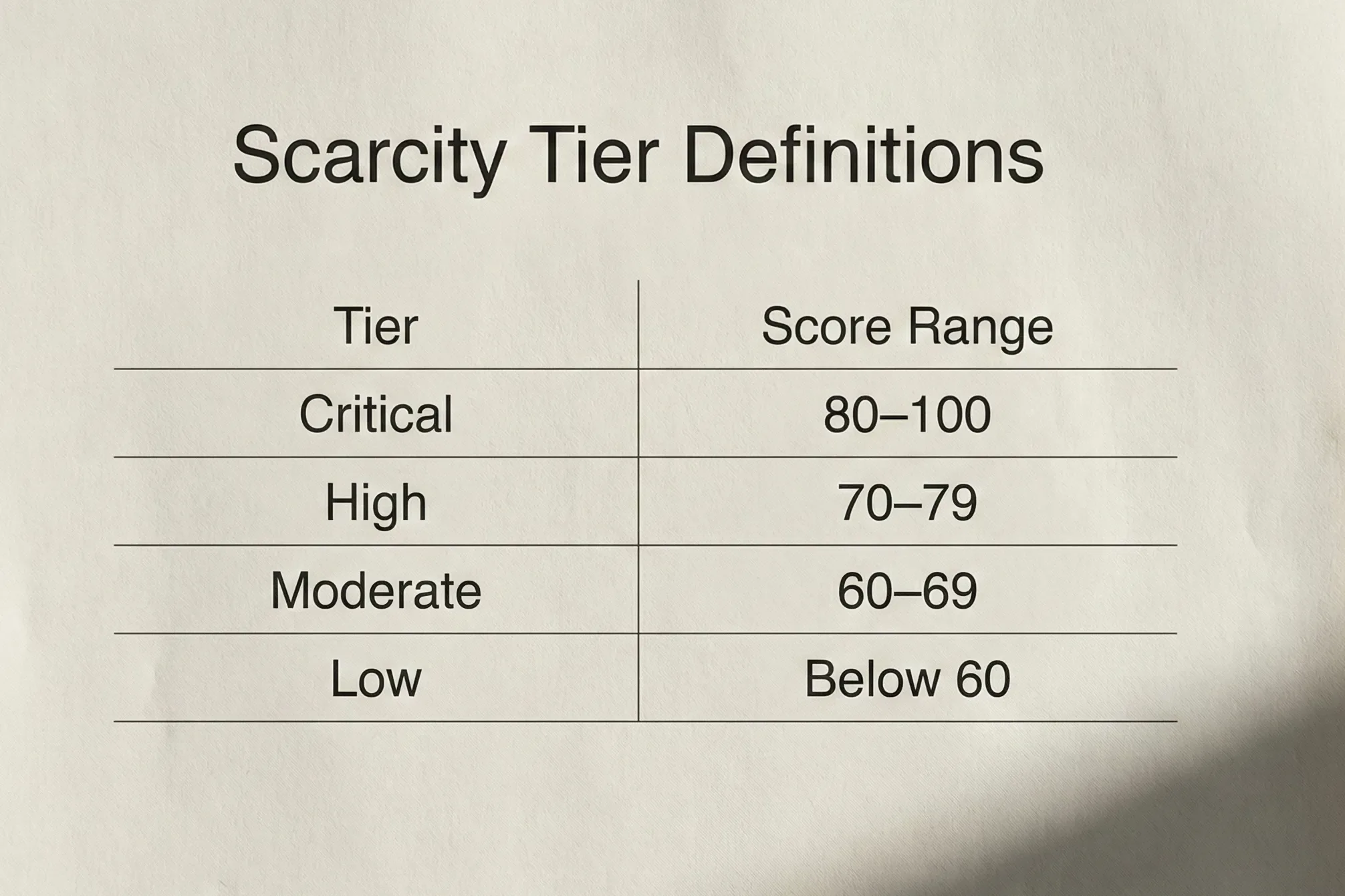
Key definitions used throughout this forecast:
- VIP host: Guest-facing staff responsible for tone, discretion, and interaction quality
- VIP guest services: Support roles managing flow, comfort, and issue resolution
- Scarcity tier: A planning classification indicating service risk, not availability
- Service degradation risk: Likelihood that quality drops without timing or ratio adjustments.
VIP Scarcity: Top Risk Cities for 2026
VIP event staffing 2026 shows clear geographic concentration, and vip staff scarcity by city is no longer anecdotal. It follows demand overlap, repeat-client locking, and wage pressure patterns that are now visible a full season ahead.
.webp)
If your city is High or Critical, plan to lock core VIP hosts 90 to 120 days out and secure leads even earlier.
Several patterns matter here. Convention hubs like Las Vegas show longer scarcity windows because bookings stack, not spread. For teams planning trade show staffing essentials, this means locking talent before general registration even opens. Entertainment markets feel pressure from short-notice premium activations that absorb trusted Event Servers & Bussers quickly, leaving little inventory for last-minute requests.
City Risk Pattern: Markets with overlapping premium demand cycles experience scarcity earlier, longer, and with sharper cost escalation, even when overall labor availability appears stable.
So what does scarcity feel like before it shows up on the invoice?
How VIP Scarcity Changes Costs and Service Levels
VIP staffing scarcity in 2026 rarely shows up as a budget problem first. It surfaces as operational friction. Familiar faces are unavailable. Confirmation cycles stretch. More conversations end with “we can make this work,” quietly removing real options.

Luxury staffing availability tightens at the top of the talent pool, which is why early bookings still matter more than rate negotiation. Locking VIP staff early stabilizes both cost and structure. Waiting compresses choice long before invoices spike, reflecting the hidden costs of poor staffing, where late action forces teams to accept premiums tied to unverified talent.
The early warning signs are slower confirmations, more substitutions, and leads covering gaps that should never reach them.
Cost pressure tends to unfold in stages:
- Early bookings hold baseline rates and preserve staff selection
- Late bookings trigger premium uplifts as leverage shifts
- Staff choice narrows, even at higher rates
- Supervision layers thin to absorb cost, increasing operational risk
Service impact follows immediately. Hosts absorb more guests. Response times stretch. Escalations that should resolve discreetly land on already overloaded leads. The result is not visible failure, but degraded experience consistency, where small misses accumulate into noticeable friction for VIP guests.
That is why ratios and supervision layers matter more than total headcount.
VIP Staffing Ratios & Supervision Layers Under Scarcity
VIP event staffing 2026 ratios don’t usually fail because there aren’t enough people. They fail because supervision stretches before anyone notices. Hosts stay busy. Leads absorb exceptions. Floaters disappear to save costs. This is where ratios matter more than total headcount. You should generally tighten these ratios when the city is High or Critical, or when guest profiles are particularly high touch.
VIP Staffing Ratio Blueprint (2026)
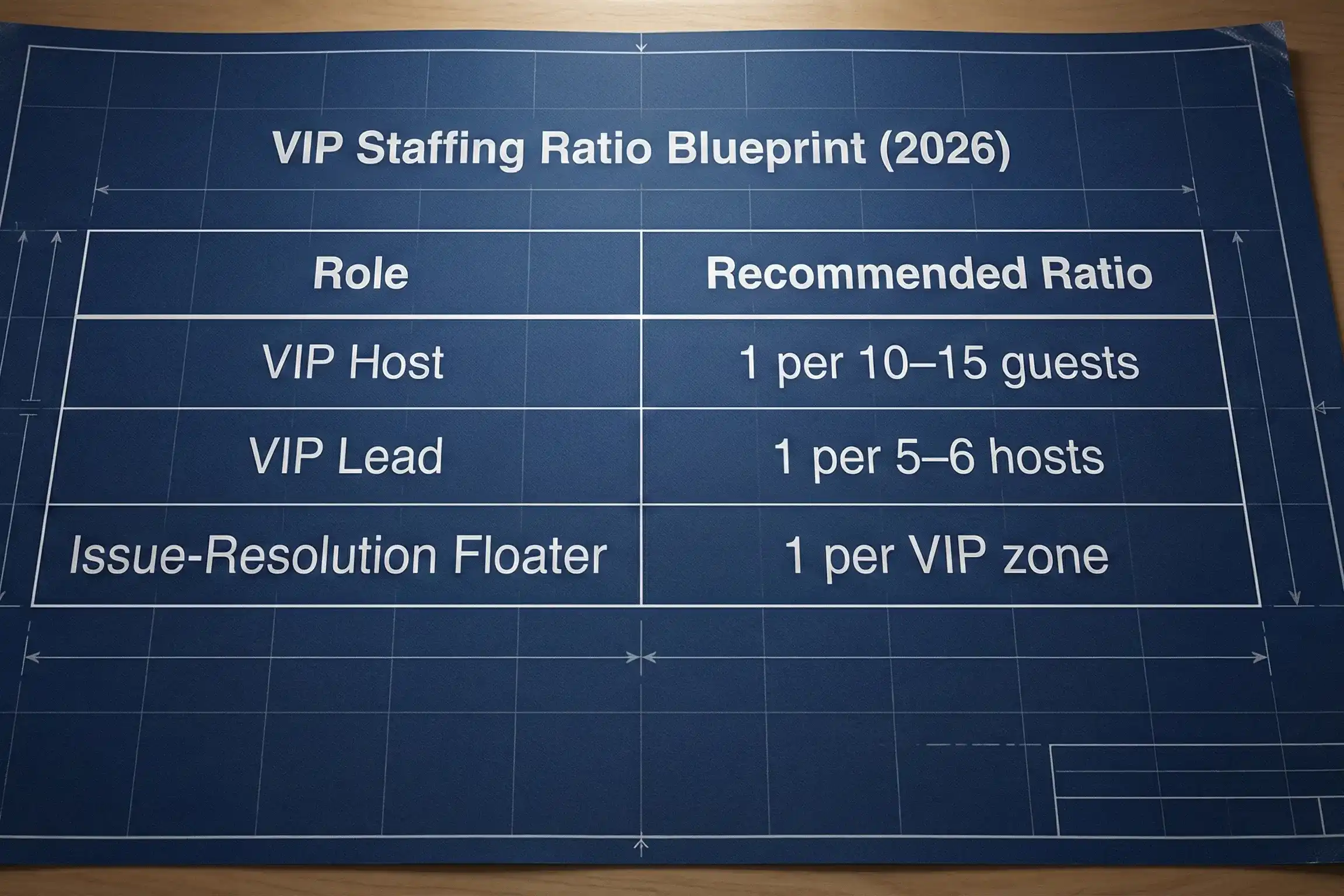
A VIP zone means a distinct guest area like an entry, lounge, seating section, or executive holding. In high and Critical cities, tighten ratios and protect lead layers first.
Ratios tighten before headcount fails because pressure concentrates at decision points, not task volume. Supervision absorbs escalation first. That works for a while. Then judgment slows, and small issues stop getting intercepted early. Effective workforce planning for trade shows must treat these supervision layers as non-negotiable.
Next, let’s make roles clear across the full guest journey.
VIP Guest Flow Roles & Staffing Blueprint
VIP event staffing in 2026 destabilizes fastest when guest flow roles blur. Discretion without clear ownership creates hesitation, especially when moments are unscripted and time-sensitive.
VIP service depends on clean handoffs across the full guest journey, from arrival through exit. These roles fail in sequence, so one weak handoff at entry often becomes a visible issue in lounge pacing and seating flow. When the first touchpoint slips, every downstream role is forced into recovery mode.
Specifically, check in staff mistakes determine whether confidence is established or friction begins. If credentialing backs up or exceptions are mishandled, lounges crowd and escorts are pulled off task to manage avoidable escalations. Inside VIP sections, empowered VIP section ushers must resolve seating changes instantly. Any delay turns discreet adjustments into visible confusion.
The blueprint is simple but unforgiving. Each role owns a narrow decision window. When ownership is unclear, time is lost. When time is lost, discretion disappears.
Now, here is how timing changes budget and risk.
VIP Staffing Budget Scenarios by Booking Window
VIP event staffing 2026 budgeting works best when timing is treated as a variable, not a footnote. Vip host staffing shortage pressure doesn’t scale linearly. It jumps when booking windows close. Recent insurance outlooks for 2026 indicate that rising labor costs are a top profitability concern, reinforcing the need for early budget lock-in.
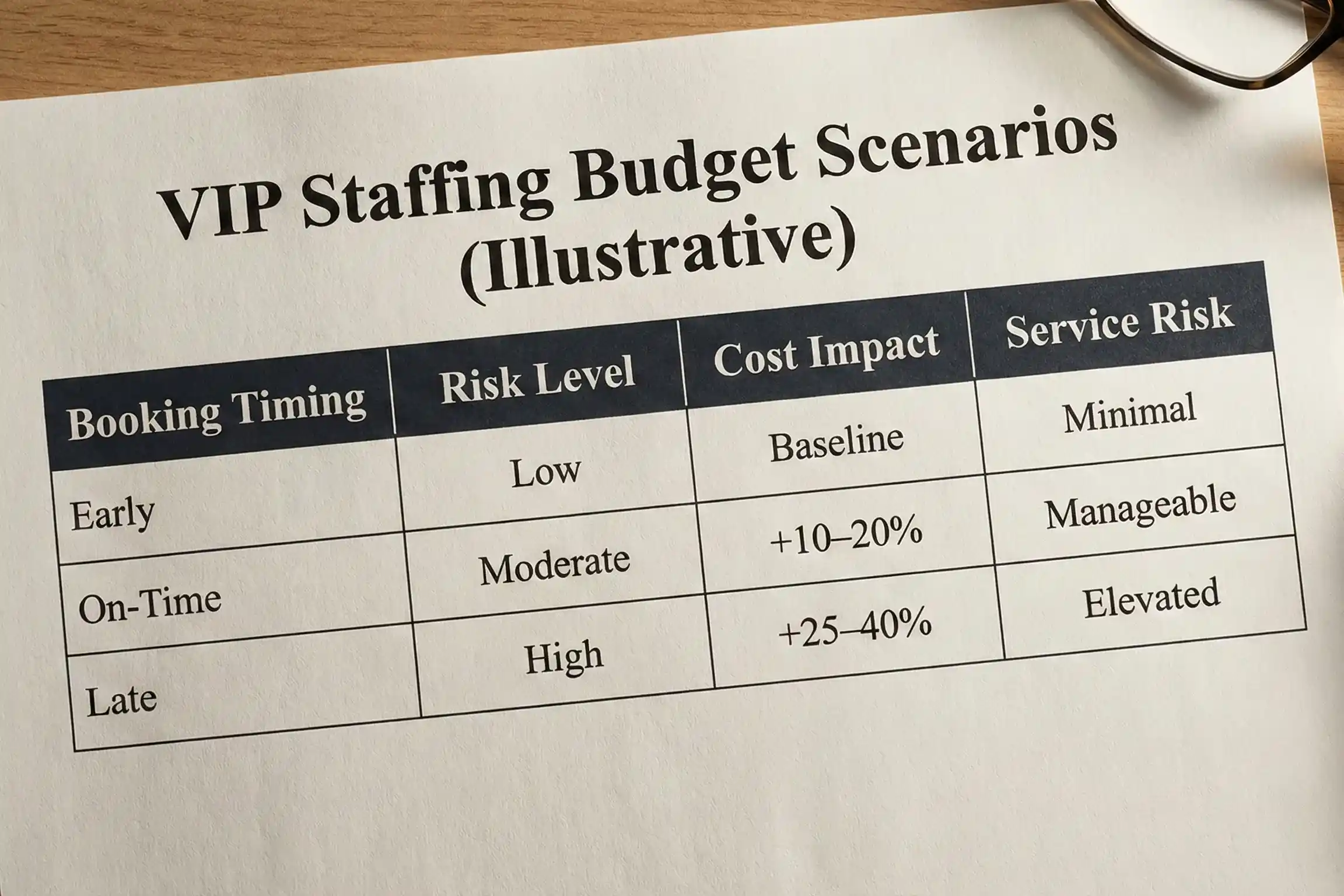
Staffing cost per guest increases fastest when supervision and backup layers are added late. Buffer pricing looks expensive in isolation, but it’s cheaper than substitution under pressure. The difference shows up in guest-facing moments, not budget variance reports. These ranges are illustrative and will vary by city, season, and lead time.
If you want the simplest way to reduce risk, follow this checklist.
Planning Checklist for VIP Staffing in 2026
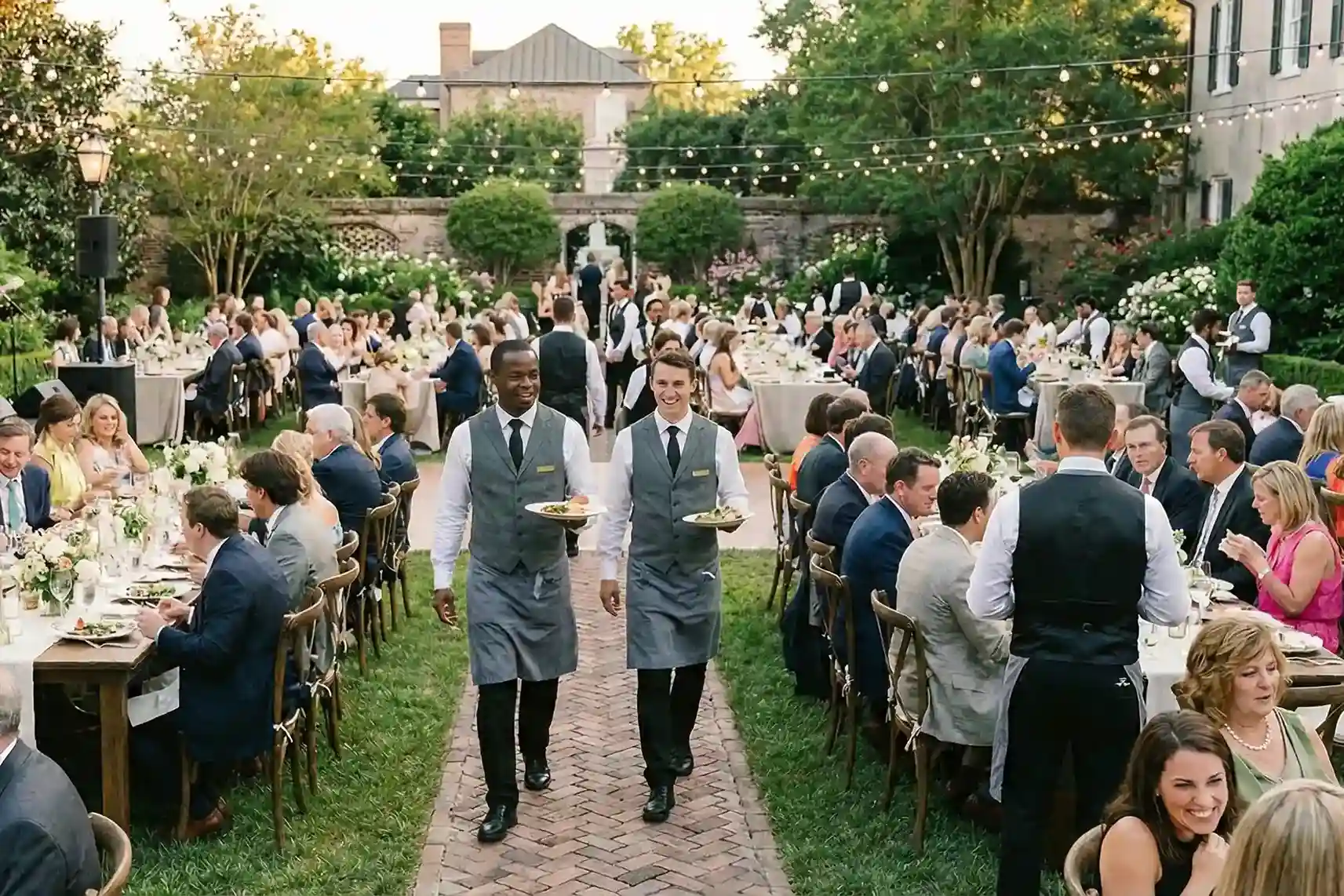
VIP event staffing 2026 success depends less on creativity and more on discipline. Teams that hold service quality lock in fundamentals early and resist optimism when timelines feel generous.
Key planning actions that materially reduce risk:
- Confirm VIP guest count assumptions early.
- Set booking windows by scarcity tier.
- Lock critical VIP roles before general staffing.
- Build buffer ratios into initial plans.
- Align staffing with actual guest flow, not org charts.
- Confirm escalation authority.
- Run scenario training for exceptions and escalation.
The goal isn’t just coverage. It’s preserving discretion and calm when VIP guests ask for exceptions. None of these steps feel urgent months out. All of them become impossible days before doors.
What VIP Staffing Scarcity Means for 2026 Planning
VIP staffing scarcity in 2026 rewards early commitment because quality disappears before quantity does. Scarcity shows up first as operational strain, then as cost pressure, and finally as visible service breakdown. Planning is no longer just resourcing. It is service protection.The most resilient teams plan by city, secure core VIP hosts early, and layer supervision to absorb exceptions without disruption. Get a VIP staffing plan by city with recommended booking window, host ratios, lead layers, and a guest flow staffing blueprint.If you want consistency, book the core team early, then build the buffer layers that keep service calm when exceptions happen.
Ready to elevate your next event?
Join thousands of event planners who trust EventStaff.com for reliable, professional staffing solutions.
Trusted by event professionals nationwide
1k+
Events Staffed
2 million+
Guests Served
97%
Positive reviews