Get the right Pop-up marketing staffing

Street Teams vs Pop-Up Staff

Section Ushers
Street teams

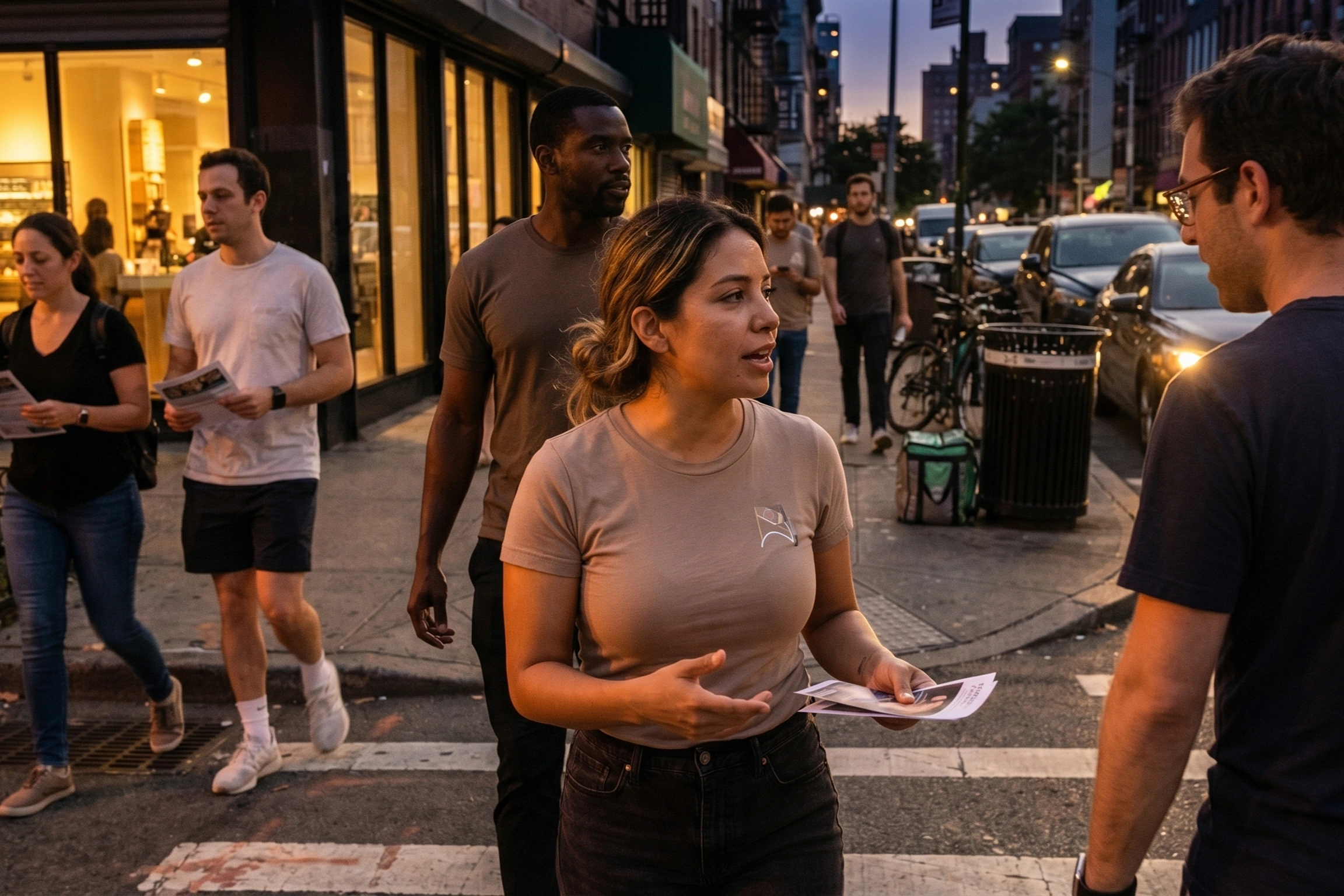
Street teams build interest outside the footprint. They work across routes, time blocks, and busy pedestrian areas, using short conversations and clear calls to action to support street team marketing and move people toward a destination, offer, or next step.
Event Greeters
Pop-up staff

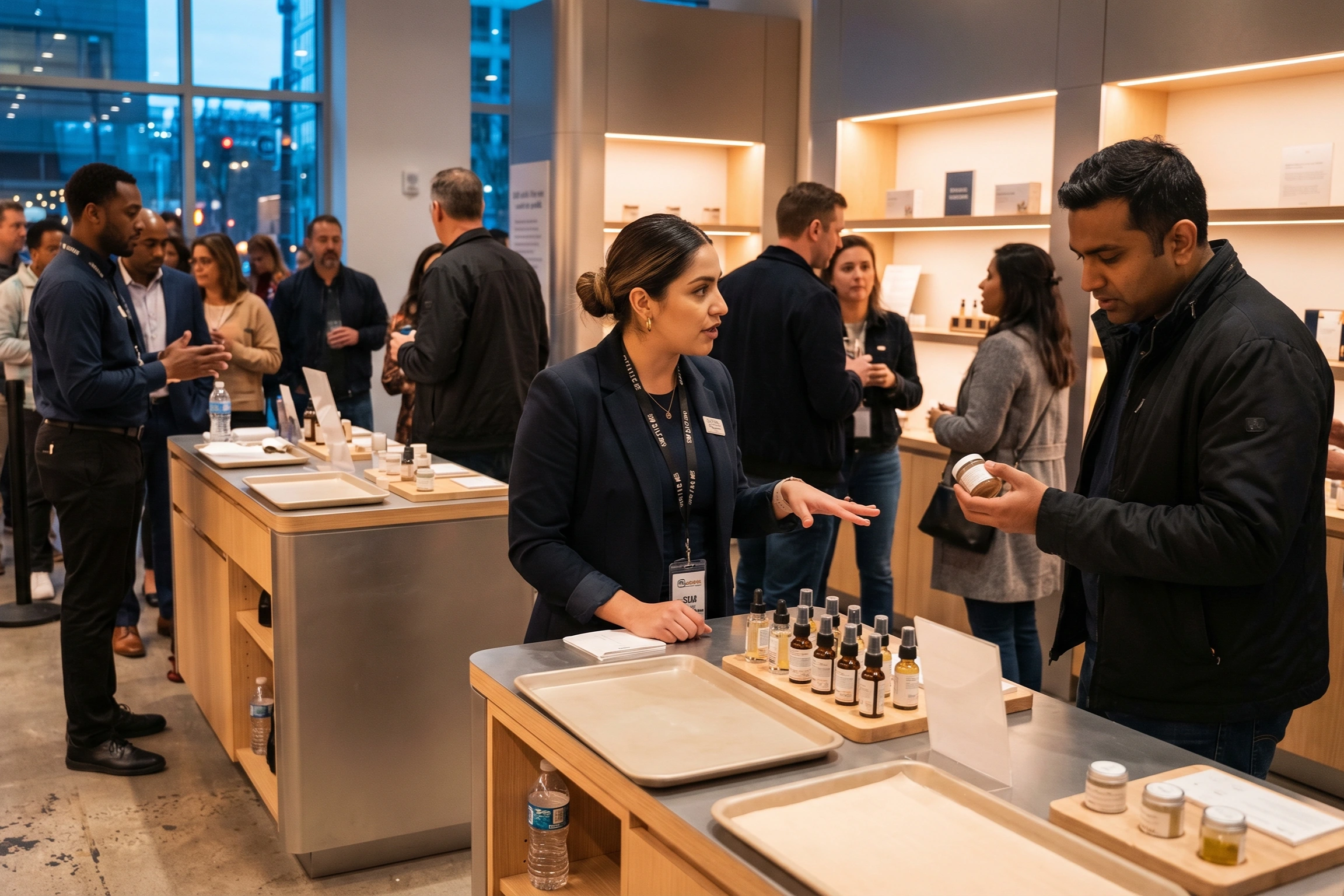
Pop-up staff look after the guest experience inside the footprint. As on-site brand activation staff, they manage flow, product interaction, and the day-to-day details that help the space feel organized, welcoming, and ready to convert interest into action.
Operational Timeline

These two roles support the same activation at different moments, with one focused on bringing people in and the other focused on what happens once they arrive.

Pre-launch setup

Route planning and footprint readiness

Street teams
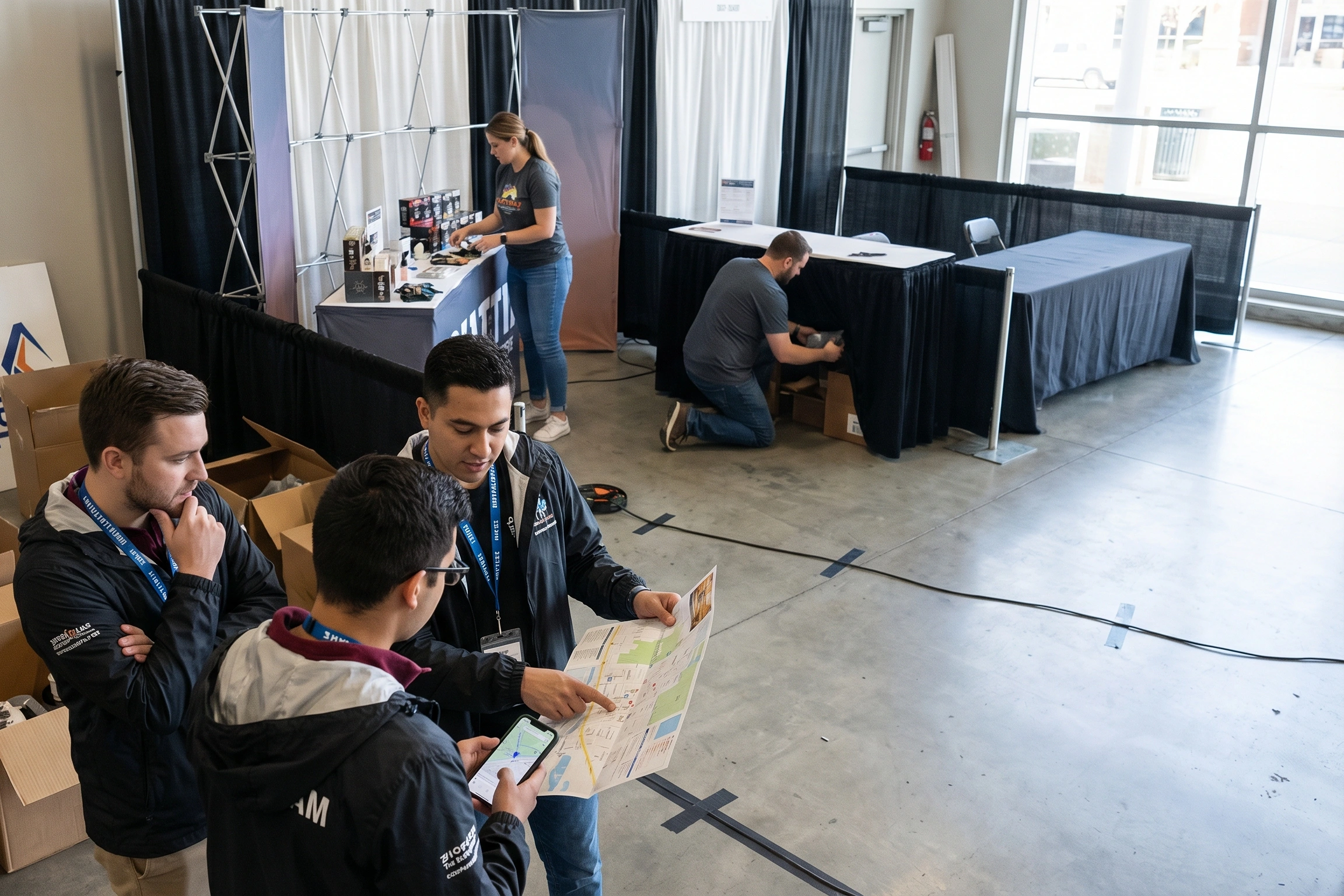
Street teams prepare route plans, location blocks, outreach language, tracking methods, and reset points before the activation begins. Their setup work helps keep field coverage steady before the first busy footfall window opens.
Pop-up staff
Pop-up staff prepare zone assignments, entry pacing, product-interaction flow, restocking rhythm, and escalation paths before guests begin arriving. Their setup work helps the footprint feel ready from the start instead of rushed once pressure builds.

Live peak window

Demand creation and experience control

Street teams
Event greeters keep arrivals moving by welcoming guests, answering quick questions, correcting wrong turns, and sending people to the right entrance, line, or desk.
Pop-up staff
Pop-up staff manage entry flow, guest support, product interaction, and queue stability once people enter the space. They keep the experience easy to follow so outside traffic gains do not create friction inside the footprint.

Late adjustments

Stability and performance protection

Street teams
Street teams stay mobile as footfall patterns change, adjusting routes and keeping outreach performance steady even when weather, nearby traffic, or timing windows shift. They continue building measurable movement outside the space.
Pop-up staff
Pop-up staff help the footprint stay calm later in the day, when inventory gets tighter, guest questions become more specific, and earlier rush periods start to leave operational strain behind. Their role often becomes more valuable as the activation gets more demanding.
Operational Playbook

Real-World Protocols

The difference becomes easier to see once the activation is live, because each role solves a different problem under a different kind of pressure.
Footfall rises outside before the pop-up is ready

A nearby crowd release, social mention, or timed field push suddenly sends more people toward the pop-up than the footprint can handle smoothly.

Street teams response
Protocol A
Street teams keep the message clear, adjust how aggressively they route traffic, and avoid sending too many people into an already strained entry point. Their role is to create demand without overwhelming the space.
Pop-up staff response
Protocol B
Pop-up staff slow the intake pace, steady the queue, and protect the guest experience while volume compresses. Their job is to absorb the surge without letting the footprint feel rushed or chaotic
Guests arrive, but the experience starts to feel uneven

People are getting into the space, but queues build unevenly, product interaction slows down, and the activation begins to feel crowded or inconsistent.

Street teams response
Protocol A
Street teams stay focused on the outside motion. They do not take over the in-space experience, and they avoid feeding confused or poorly directed traffic into a footprint that is already under strain.
Pop-up staff response
Protocol B
Pop-up staff reorganize zone flow, protect interaction quality, and create a calmer path for questions, delays, and bottlenecks. Their ownership helps the pop-up feel guided instead of crowded.
Outside interest is strong, but the inside experience does not carry it forward

The field team is driving people in successfully, but the transition from outside curiosity to in-space action feels inconsistent and the brand moment starts to lose energy.

Street teams response
Protocol A
Street teams keep the first-touch message short, clear, and easy to act on. Their role is to create movement toward a specific entry point or promise, not to deliver the full in-depth experience on the street.
Pop-up staff response
Protocol B
Pop-up staff receive the guest, guide the next step inside the space, and turn outside interest into a more controlled brand interaction. They own the quality of what happens after the guest crosses the threshold.

Zone Ownership Map

These roles may support the same activation, but each one owns a different working space and a different kind of guest motion.

Street teams

Street teams mainly own the mobile outreach environment, where awareness is built across routes, neighborhood blocks, venue edges, and footfall corridors. Their space is designed for repetition, movement, and measurable demand creation in the field.

Street route
Transit corridor
Venue perimeter
Partner frontage

Shared Zones

Shared zones sit between outside outreach and inside execution, where guests move from awareness into a more controlled pop-up experience. These are the spaces where handoff quality determines whether traffic actually turns into engagement.

Entry approach
Queue start
Welcome point
Threshold zone

Pop-up staff

Pop-up staff mainly own the fixed footprint, where guests move through entry pacing, product interaction, guided exploration, and support paths. Their space is designed for consistency, not roaming outreach.

Pop-up floor
Product station
Consult area
Queue lane
Training & Skills

Curriculum Comparison

The roles support the same activation, but they rely on different training once live performance starts being measured.

Street teams

Mobile acquisition
Core Modules
Route discipline
Offer delivery consistency
Attribution method
Field reset rhythm
Success Outlook
Strong street teams execution means outreach stays active, route coverage stays disciplined, and measurable actions remain consistent across locations and time blocks. A well-run street marketing team creates real movement instead of loose awareness with no clear outcome.

Pop-up staff

Experience control
Core Modules
Entry pacing
Product guidance
Zone management
Escalation handling
Success Outlook
Strong pop-up staff execution means the footprint stays calm, guest-ready, and commercially useful even when pressure rises. Visitors understand where to go, how to engage, and what action to take without the space losing its standard.
Performance Metrics

By The Numbers

 These KPI fields show how each role is measured when the activation needs both demand creation outside the footprint and operational control inside it

Street teams

Reach and attribution
Contacts Per Hour:
124
 Redemption Rate:
19.8%
These measures reflect how effectively the field team builds awareness, drives trackable actions, and keeps route-based outreach performance steady across locations and time blocks.
View Deep Dive
Just handing out flyers
Footfall means success
Outreach needs attribution
Movement must stay disciplined
Messaging drives better actions

Pop-up staff

Flow and conversion protection
 Queue Stability:
96.4%
Interaction Completion:
94.9%
These measures reflect how well the in-footprint team protects guest flow, keeps product interaction consistent, and prevents pressure points inside the pop-up from reducing conversion quality.
View Deep Dive
Just greet inside
Queues settle naturally
Any staff can host
Flow protects conversion
Space needs active control
Consistency shapes brand experience

Frequently Asked Questions

How do you decide whether an activation needs street teams, pop-up staff, or both?

click down

We look at where the pressure sits in the guest journey. If the main need is bringing more people to the activation, street teams usually take the lead. If the main need is handling guest flow, product interaction, and conversion inside the footprint, pop-up staff become more important. Many campaigns need both. That is especially true when street team marketing is expected to drive fresh traffic all day while the pop-up still needs a calm, guided experience once people arrive.

What do street teams actually do during a live activation?

click down

Street teams work outside the footprint to build awareness, start quick conversations, deliver a simple offer, and move people toward the activation. A basic street team job description usually includes route-based outreach, message delivery, light qualification, and clear directional handoff. When people search street team marketing jobs, street promotion jobs, or even broader experiential marketing jobs, they are often describing this kind of mobile, outward-facing role. The key difference is that the work is not just visibility. It is structured outreach tied to a measurable next step.

Do you provide pop-up staff for demos, guided product interaction, and retail-style guest support?

click down

Yes. We provide pop-up staff for activations that need a stronger in-space experience, whether that means greeting guests, guiding demos, managing queues, supporting product education, or helping visitors move through the footprint more smoothly. Some buyers first compare this role to temporary retail staff or search terms like pop up event jobs, but pop-up staff usually carry a more activation-led brief. They are there to support brand experience, guest flow, and controlled conversion inside a live promotional environment.

How should the handoff work between street teams and pop-up staff during busy periods?

click down

The handoff should be simple, clear, and repeatable. Street teams should create interest, explain the next step in a few words, and send guests toward one obvious entry point or promise. Pop-up staff should then receive that guest quickly, confirm where they need to go, and guide the next action inside the footprint. Problems usually start when the outside message is too vague or too detailed. A cleaner handoff helps the field team stay mobile and lets the inside team protect the brand moment instead of repairing confusion.

Can you support both outside promotion and inside execution as one staffing plan?

click down

Yes. That is often the strongest approach when the activation needs both traffic generation and a well-run footprint. Street teams handle outside acquisition, while pop-up staff manage the guest experience after arrival. In many cases, clients ask for a single staffing plan because they want one team structure to cover awareness, entry, product interaction, and operational control. That is where a broader brand activation staff plan can help. It gives the campaign a joined-up model instead of treating outreach and in-space execution as separate problems.

Ready to elevate your next event?

Join thousands of event planners who trust EventStaff.com for reliable, professional staffing solutions.

Trusted by event professionals nationwide

1k+

Events Staffed

2 million+

Guests Served

97%

Positive reviews