
Introduction
Large music festivals don’t fail because of poor production they fail because of poor staffing execution at scale. When thousands of attendees arrive within minutes, even a small gap at entry gates or crowd control zones can trigger bottlenecks, safety risks, and negative guest experiences.
A structured music festival staffing solution ensures every zone from entry lanes to VIP areas runs with precision. Instead of reactive staffing, organizers deploy trained teams aligned to guest flow, peak pressure points, and operational priorities.
In this guide, you’ll learn how to plan staffing for festivals, which roles are essential, how crowd management prevents congestion, and how to build a scalable staffing strategy that keeps your event running smoothly.
Executive Summary
A music festival staffing solution helps organizers manage large crowds while maintaining organized entry operations and reliable guest services. Trained teams assigned to roles such as gate operations, crowd management staffing, and VIP hospitality help prevent congestion and support smooth attendee movement. When staffing is planned early with clear zone coverage, festivals can handle peak arrival periods more effectively and maintain stable operations throughout the event.
Music Festival Staffing Solution And What It Includes
A music festival staffing solution typically includes role-based staffing across entry gates, guest services, brand zones, VIP areas, vendor support, and operations teams so the festival site runs consistently from gates to close. Instead of hiring random staff, organizers deploy trained teams with clear responsibilities assigned to each operational zone.
The scale of this challenge is significant. The global music festival market was valued at USD 3.05 billion in 2024 and is projected to reach USD 3.76 billion in 2025, reflecting the growing demand for well-resourced, professionally staffed events. At the same time, 89% of event professionals reported that staffing shortages directly impacted their events in 2024–2025, making a coordinated staffing solution more critical than ever.
A complete music festival staffing solution usually covers:
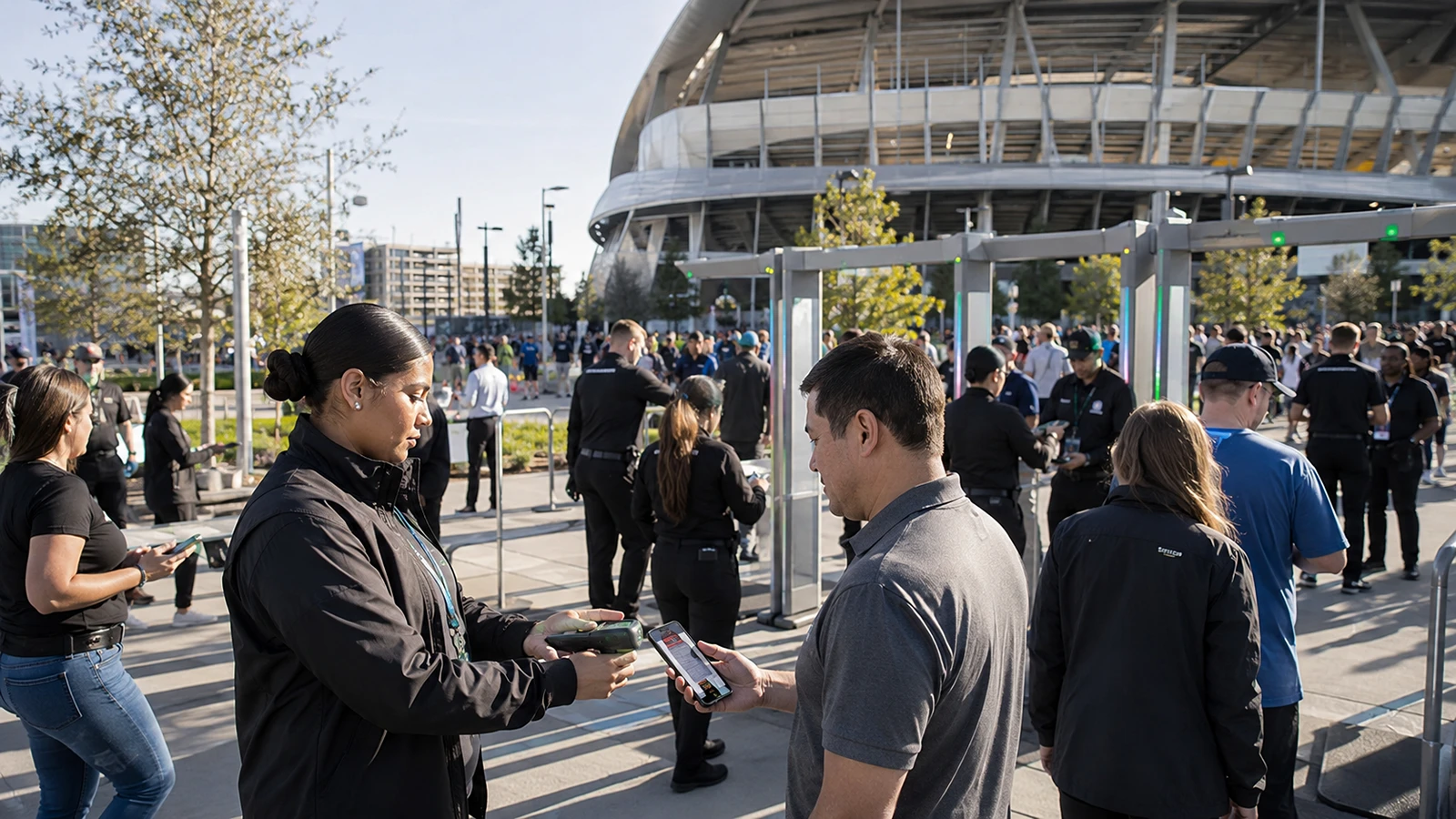
- Entry And Access Control Staffing Staff support ticket scanning lanes, manage bag-check lines, and keep entry queues organized during arrival waves.
- Guest Services Staffing Information staff help attendees with directions, schedule questions, lost items, and general assistance.
- Brand Activation Staffing Brand ambassadors run sponsor booths, sampling stations, contests, and engagement activities.
- VIP And Premium Zone Staffing Hosts, access control staff, and service assistants manage VIP lounges and restricted access areas.
- Operations Support Staff Runners, floaters, and coordination staff help maintain supplies and support different zones during peak moments.
Operationally, a real staffing "solution" should also include:
- Confirmed Headcount And Defined Roles
- Shift Coverage Plans With Break Rotations
- Onsite Staff Check-In And Accountability Tracking
- Backup Coverage Plans For Last-Minute Callouts
When staffing is planned this way, festival organizers gain predictable coverage across the entire site, instead of reacting to problems as they happen.
CEO Excerpt
A well-structured music festival staffing solution ensures operational stability during high-attendance events. With trained teams managing entry operations, guest services, and crowd movement, organizers can maintain efficient festival operations while delivering a safer and more organized attendee experience. - CEO Even Staff
Music Festival Staffing Roles And Where They Work Best

Music festival staffing works best when roles are assigned by zone, because each area of a festival experiences different types of pressure. Entry gates face arrival surges, brand zones need engagement staff, and corridors between stages require crowd flow control. When staffing is planned by zone instead of a general headcount, teams can respond faster to issues and keep the site moving.
A practical zone-based role map often looks like this:
Gates And Entry Lanes
- Ticket scanning support staff
- Line pacing staff who guide guests into open lanes
- Bag-check lane support to prevent slowdowns
Guest Services Areas
- Information desk staff
- Wayfinding assistants helping guests navigate stages and amenities
- Wristband support for re-entry or access clarification
Brand And Sponsor Activations
- Brand ambassadors managing engagement
- Demo staff explaining products or experiences
- Sampling staff distributing promotional items
VIP Zones
- VIP hosts greeting guests
- Access control staff checking credentials
- Service assistants supporting lounge areas
Site Operations Support
- Runners transporting supplies between zones
- Floaters filling temporary coverage gaps
- Staff check-in coordinators tracking attendance
Music Festival Staffing Roles That Are Most Commonly Overlooked
Some roles do not seem critical during planning but become essential once the festival is operating. For a deeper look at how team structure affects on-the-ground performance, our breakdown of the anatomy of a high-performing trade show booth staffing team outlines the same principles of role clarity that apply equally to festival zones.
Commonly overlooked roles include:
- Floaters who move between zones when lines suddenly spike
- Runners who keep supplies moving so booths and stations stay functional
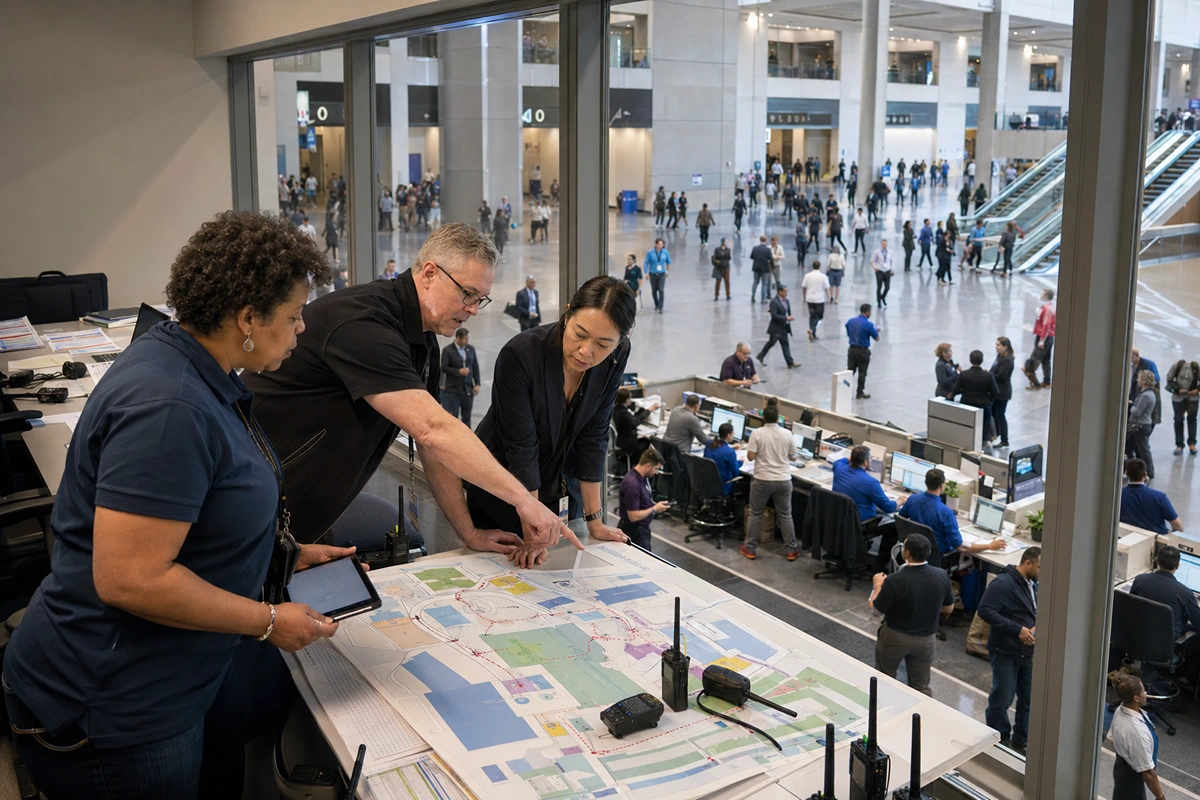
- Staff Check-In Leads who track attendance and redeploy staff where needed
These support roles often prevent small operational delays from becoming site-wide disruptions.
Crowd Management Staffing That Prevents Bottlenecks
Crowd management staffing prevents bottlenecks by controlling movement pace, maintaining clear lanes, and guiding attendees before queues spill into walkways or stage corridors. At large festivals, even small delays at entry points or vendor areas can quickly turn into crowd pressure zones if staff are not actively directing flow.
The financial stakes of poor crowd management are rising. Crowd management and safety compliance costs for music festivals increased by 35% from 2020 to 2022, according to the U.S. Department of Homeland Security, partly reflecting the growing complexity of managing large-format events. The global crowd management market itself is expected to grow from USD 1.56 billion in 2024 to over USD 16.51 billion by 2037, underscoring how seriously the events industry is investing in this capability.
In practice, crowd management staffing focuses on maintaining safe and predictable movement across the festival site.
Key responsibilities include:
- Maintaining Clear Entry Lanes Staff guide guests into the correct lines and prevent queue drifting that blocks walkways.
- Redirecting Overflow Early When a line grows too long, staff redirect guests to alternate lanes or entrances before congestion spreads.
- Protecting Emergency And Staff Corridors Critical pathways must remain clear so security teams, medics, and operations staff can move freely.
- Supporting De-Escalation Staff calmly redirect guests and resolve confusion while keeping foot traffic moving.
Without this layer of staffing, several common issues can occur:
- Signage confusion causes lateral line drift, blocking nearby paths
- Bag-check delays push queues outward, interfering with general movement
- Entry surges create pressure points near scanning checkpoints
Crowd Management Staffing Zones That Need Coverage First

The most effective approach is to deploy crowd management teams where flow problems typically start. For a broader look at how cultural awareness factors into managing large, diverse crowds, our piece on understanding cultural sensitivity in large-scale event planning is a useful companion read.
Priority zones usually include the following:
- Entry gates and bag-check merge points
- Corridor chokepoints between stages
- VIP boundaries and restricted access areas
- Restroom and food vendor intersections
When these high-pressure areas are staffed properly, the rest of the festival site tends to remain stable.
Music Festival Staffing Counts And Planning Assumptions
Staffing counts for a festival should be based on guest flow patterns, zone complexity, and peak-hour pressure, not just total attendance numbers. Two festivals with the same attendance may require very different music festival staffing levels depending on gate layout, stage distance, and sponsor activations.
Major events illustrate the scale involved. Summerfest in Milwaukee holds the Guinness World Record for the largest annual music festival in the US, drawing over 800,000 visitors yearly, while Coachella attracted over 250,000 attendees across its two weekends in 2023. Planning staffing for events at that scale demands layered coverage, not a single headcount estimate.
When planning coverage, organizers typically consider several operational factors:
- Attendance Size and Peak Arrival Windows: Large arrival waves before headline acts or early afternoon openings require additional entry and crowd management staff.
- Number of Gates and Scanning Lanes. More entry lanes mean more staff to manage line pacing and bag-check support.
- Distance Between Stages and Corridors Long walkways between stages often create traffic intersections that require staffing.
- Brand Activation Zones and Sampling Volume. Popular sponsor booths can create queues that affect nearby walkways.
- VIP Area Footprint and Access Control Needs: Premium zones usually require dedicated hosts and credential verification staff.
- Instead of planning one static staffing number, experienced organizers build two layers of coverage:
- Minimum Coverage Layer staff assigned to maintain basic operations in every zone.
- Surge Coverage Layer: Additional staff deployed during peak arrival periods or major stage transitions.
This layered approach allows festival teams to scale staffing when pressure increases without overscheduling the entire day.
Music Festival Staffing Scheduling For Multi-Day Consistency
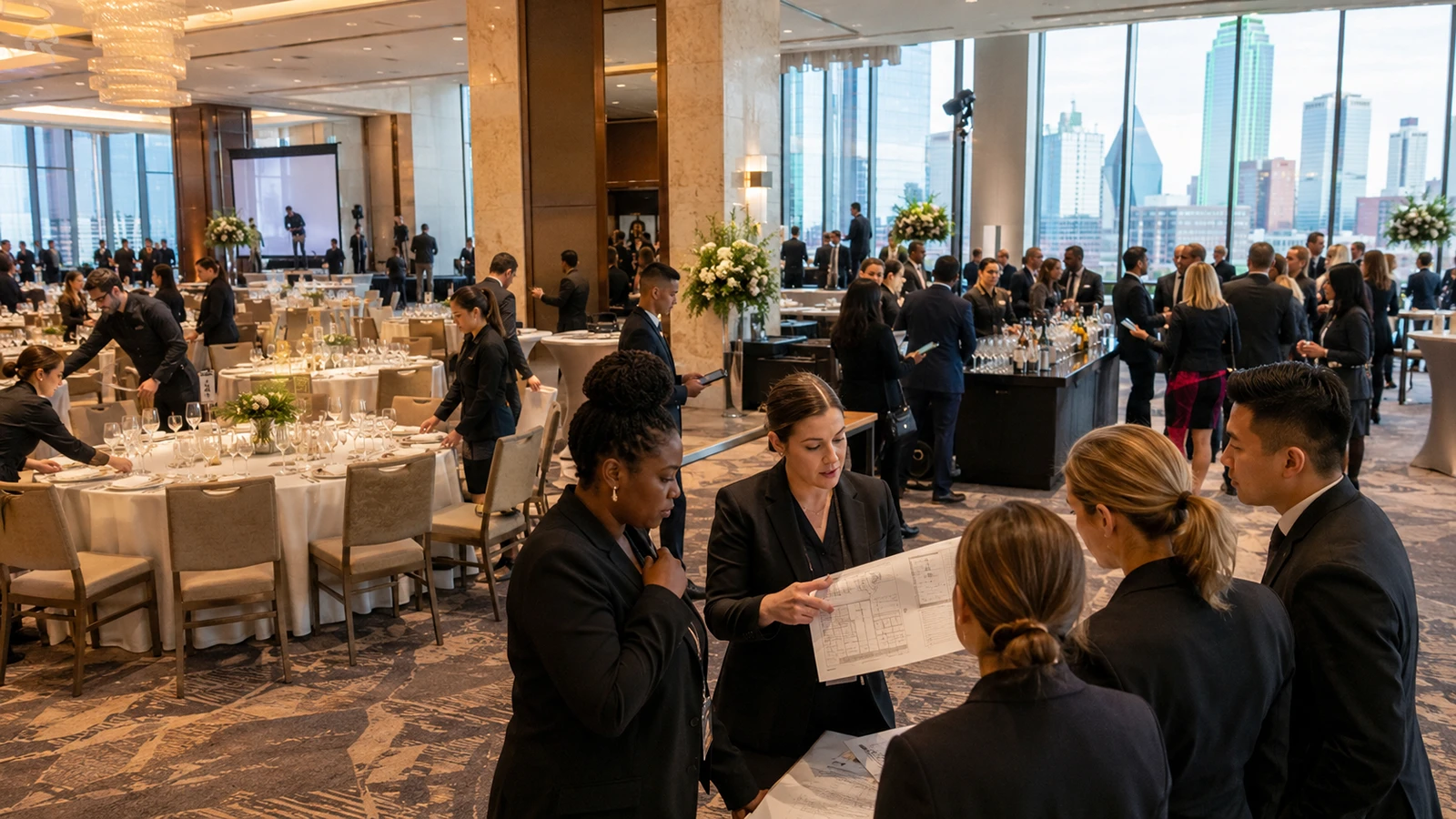
Multi-day festivals require thoughtful scheduling so service quality stays stable across all days. Without proper rotation and break coverage, even well-trained teams can experience fatigue, which affects guest service, entry speed, and overall coordination. A structured music festival staffing solution keeps staff energy and performance consistent from the first day to the final set.
The industry reflects this challenge: the festival industry supports approximately 700,000 jobs worldwide, including event staff, security, and vendors, and managing that workforce across multi-day schedules requires deliberate planning. Additionally, production costs jumped roughly 25% from 2019 to 2022, making efficient scheduling even more important to keep operations cost-effective.
To maintain consistency, scheduling plans usually include:
1.Staggered Start Times: Start staff in waves rather than all at once to prevent operational gaps during shift changes.
2.Planned Break Coverage: High-traffic zones like entry gates, food corridors, and brand activations need backup staff to maintain coverage during breaks.
3.Zone leads and floater leads monitor operations and redeploy floaters quickly when lines grow or guest flow changes.
4.Consistent Zone Assignments: Keeping the same staff in the same zones helps them understand traffic patterns and common questions.
Operational Insight: Consistency usually works better than constant switching. When staff remain in the same area for multiple shifts, they learn the micro-flow of their zone, making them faster and more confident at managing crowd movement.
Music Festival Staffing Solution Timeline And When To Book
Booking a music festival staffing solution early significantly improves staff quality and reduces operational risk. Experienced staff, especially team leads and brand ambassadors, are usually booked well in advance for major festival dates. Early planning allows organizers to secure the right people and align staffing with the event's operational plan.
Workforce planning decisions made early consistently pay off. Our guide on why workforce planning defines trade show success covers the same early-booking principles that apply directly to festival staffing timelines.
Booking earlier helps organizers:
- Secure Experienced Leads: Skilled leads can manage zones, supervise teams, and solve problems quickly during peak periods.
- Confirm Role Matching By Zone: Entry operations, brand activations, and VIP services each require different skill sets.
- Allow Time for Briefings and Run-of-Show Alignment: Staff can review schedules, gate layouts, and operational priorities before the event.
- Plan shift structures and break rotations: This prevents gaps in coverage during long festival days.
Late booking can increase operational risks, including limited choice for specialized roles, last-minute staffing reshuffles, and a higher probability of coverage gaps during peak hours.
For larger festivals or multi-day events, many organizers aim to confirm staffing several weeks in advance, ensuring enough time for coordination and operational preparation.
Music Festival Staffing Request Checklist That Gets Better Matches
You get better staffing matches when your request is zone-based instead of a generic headcount request. A clear operational brief helps staffing providers understand where staff will work, what responsibilities they will have, and how coverage should be structured across the festival site.
When requesting a music festival staffing solution, include the following details:
Festival Details
- Festival name, dates, and venue location
- Expected attendance and peak arrival windows
- Number of gates and entry layout notes
Zones That Need Coverage
- Gates and entry areas
- Guest services locations
- Brand or sponsor activation zones
- VIP and restricted access areas
- Site operations support areas
Roles And Headcount
- Specific roles needed in each zone
- Estimated staff numbers per zone
- Any roles requiring experienced team leads
Operational Details
- Shift times and break expectations
- Uniform guidelines and credential requirements
- On-site point of contact for staff coordination
Critical Moments
- Any "no-fail" moments, such as major headliner transitions
- Scheduled sponsor activations or special performances that require additional support
Providing this level of detail helps staffing partners plan accurate coverage, assign appropriate roles, and avoid last-minute adjustments during the event.
Music Festival Staffing Solution Mini Examples
These examples show how the right music festival staffing solution protects guest flow, improves engagement, and prevents operational slowdowns during critical festival moments.
Example 1: Entry Stabilization
The outcome was shorter lines and fewer entry lane breakdowns during peak arrival times. Staffing included gate support staff assisting with ticket scanning lanes, crowd flow staff pacing entry lines, floaters who redirected guests to open lanes, and clear signage reinforcement to guide guests before checkpoints. By combining entry support with basic crowd management staffing, the festival reduced waiting times and kept arrival waves controlled.
Example 2: Sponsor Activation Performance
The goal was smoother guest flow into sponsor booths while maintaining strong engagement. Staffing included brand ambassadors greeting and guiding guests, queue support staff organizing lines near the activation, and runners restocking sampling materials and promotional items. This staffing structure helped prevent long lines from spilling into nearby walkways while maintaining a positive brand experience. For more on how brand activation staffing shapes buyer behavior, see our analysis of how services for branded event activations influence buying decisions.
Example 3: Headliner Transition Control Large stage transitions often create sudden crowd movement between stages. To maintain safety and flow, organizers deployed crowd management staff in corridor chokepoints, zone leads coordinating movement between teams, and redeployable floaters ready to support busy walkways. This approach reduced corridor blockages and helped the site recover faster after major performance transitions.
Plan Your Music Festival Staffing with Confidence
A successful festival depends on more than just talent and production it relies on precision staffing across every zone.
If you’re planning a music festival and need:
- Reliable, trained event staff
- Scalable staffing plans for large crowds
- On-site coordination and backup coverage
👉 Request a custom music festival staffing plan today and ensure your event runs smoothly from gates to final set.
Ready to elevate your next event?
Join thousands of event planners who trust EventStaff.com for reliable, professional staffing solutions.
Trusted by event professionals nationwide
1k+
Events Staffed
2 million+
Guests Served
97%
Positive reviews