
How Live Experiential Marketing Works at Brand Activations
EXECUTIVE SUMMARY
Live experiential marketing is where brands stop talking at people and start creating moments with them. Unlike passive advertising, a real brand activation puts your product or message directly into someone's hands, literally. They touch it, test it, experience it, and talk about it. The difference? How live experiential marketing works depends on three things: a clear guest journey, trained staff who know what they're doing, and measurable outcomes tied to business goals. This guide walks you through the entire operating system before, during, and after the event so your next experiential marketing activation actually moves people from "meh" to "I'm telling my friends about this."
What Is Live Experiential Marketing?
.webp)
Live experiential marketing isn't a booth with free swag. It's a designed experience where people interact with your brand on purpose. Think interactive product demos, pop-ups where visitors test things, sampling stations that feel like conversations, not transactions, or installations that stop someone mid-stride because they have to see what's happening.
The magic of experiential marketing is this: when someone engages with your brand (not just sees it), they're 74% more likely to buy. That's not hype; that's supported by experiential marketing research cited across the industry. A brand activation works because it creates a touchpoint that's memorable, shareable, and, if done right, measurable.
Understanding engagement marketing principles helps clarify how brand activations differ from passive campaigns. Here's what separates real experiential marketing from "we rented a table and gave away t-shirts":
- Interaction matters. Visitors do something. They don't just watch.
- Staff guides the experience. Trained brand ambassadors aren't afterthoughts. They're the activation.
- Data flows back. Every interaction gets tracked: QR scans, demos completed, emails captured, and social posts generated.
How Live Experiential Marketing Works: Before, During, and After
If you want to understand how live experiential marketing works at scale, stop thinking of it as a single event. Think of it as a three-phase system.
Pre-Activation: Brand Ambassador Training & Preparation
Strategy comes first. What's the goal? Are you introducing a new product, shifting brand perception, driving trial, or building community? Your brand activation strategy depends on that. You map out the guest journey: how people enter, where they go, what interaction points exist, and what happens next.
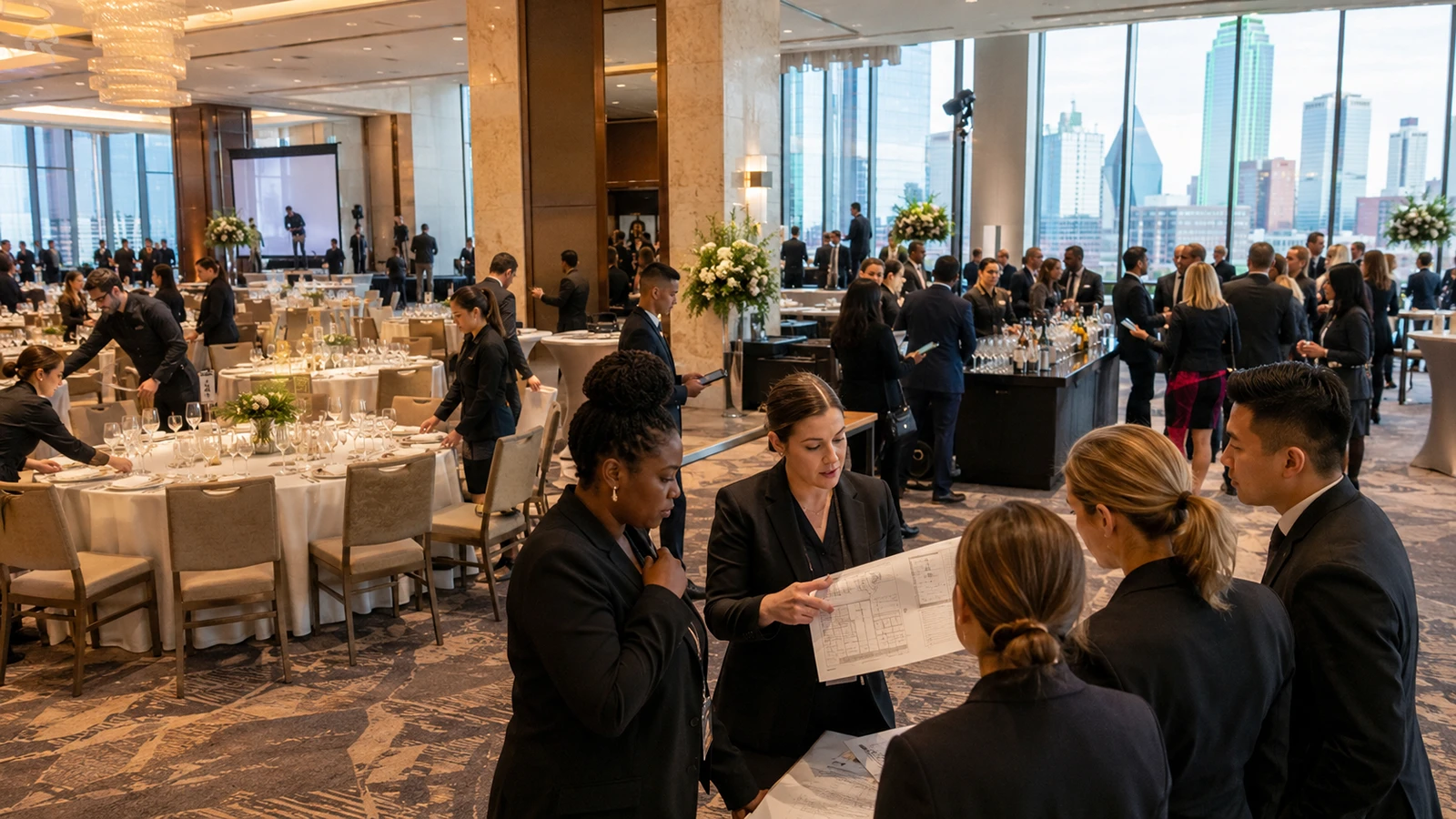
Then staffing. This is where a lot of brands mess up. They hire whoever's available. Real experiential marketing activation requires trained staff who understand your brand, can explain your value prop, and know how to move people through the experience without making it feel like a sales pitch. Our guide on how to build an event staffing plan covers strategy in detail.
Budget also matters here. Setup, staff training, materials, technology (QR codes, check-in systems, demo equipment), and contingency planning all live in the pre-event phase.
During the Event: What Brand Ambassadors Actually Do
This is where brand ambassadors earn their paycheck. They're greeting people, answering questions, handling objections, guiding demos, capturing data, and creating social-worthy moments. Real activations don't feel stiff. They feel like conversations with someone who actually knows the product.
The physical experience matters too. How does the space feel? Is it easy to navigate? Are there enough touch points to keep people engaged? Is the demo intuitive or confusing? Does the experience create moments people want to photograph?
Dwell time, or how long someone stays, is a proxy for engagement. Longer dwell = deeper engagement = higher likelihood of conversion. Modern activations, like AI brands using pop-ups, consistently show that dwell time correlates directly with qualified leads.
Post-Event: Brand Ambassadors Fuel Follow-Up Conversions
Follow-up is where most brands drop the ball. Someone scanned a QR code? They got an email offer, not a generic newsletter. Someone completed a demo? They get a personalized follow-up from the brand, not a generic "thanks for visiting" message. Someone asked about pricing? They're routed to the sales team, not a dead link.
Post-event analysis ties it together: How many interactions? What was the quality? Which demos converted to leads? What was the cost per engagement? Did awareness or intent shift?
CEO Insight:
The difference between a forgettable activation and one that converts is the staff. Not décor, not budget staff. A trained brand ambassador who understands your product and can translate features into benefits in 30 seconds is the backbone of every successful activation we've built. Everything else is scenery. - Daniel Muersing
The Staff Behind Every Successful Activation
Here's a truth that agencies don't always advertise: experiential marketing staffing is the difference between an activation that lands and one that falls flat.
Understanding demonstrators and product promoters roles clarifies why hiring matters. You need:
- Brand Ambassadors. These are your front line. They engage visitors, explain the experience, and handle Q&A. They're not just good-looking or chatty. They understand your product and can translate features into benefits in real time.
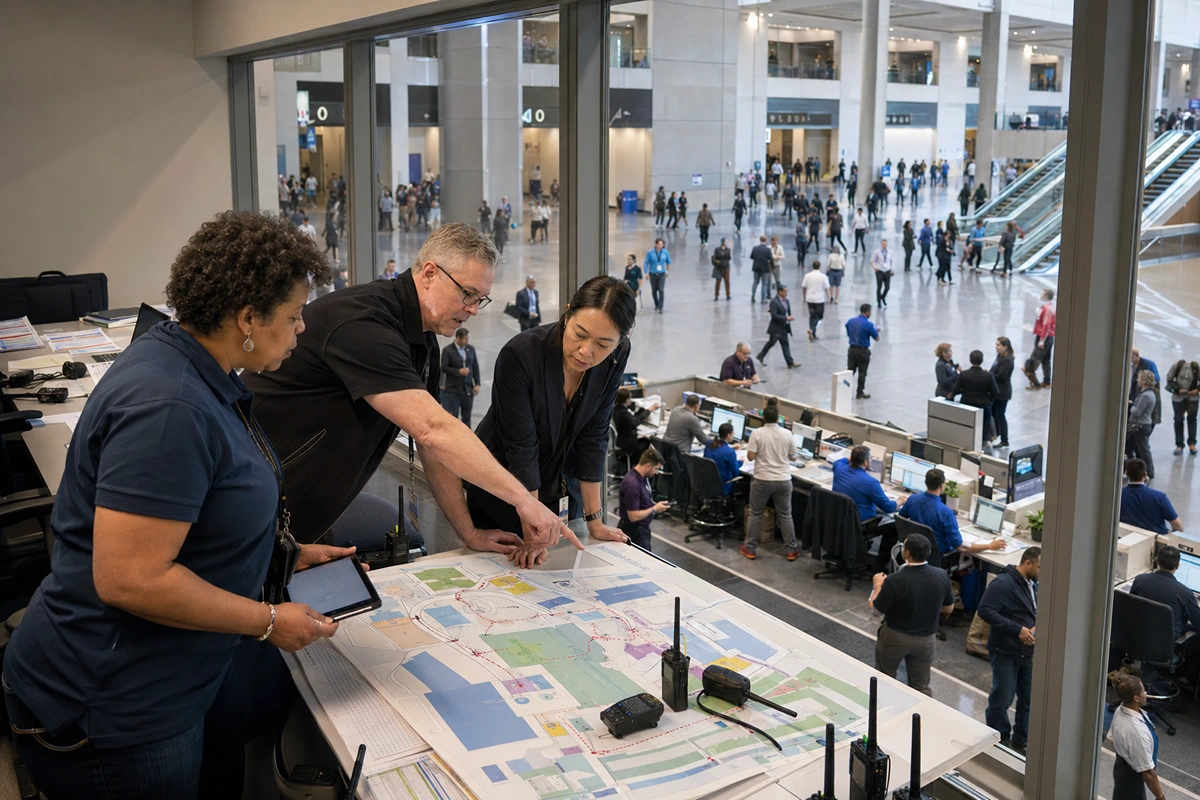
- Experience Leads or Managers. One person owns the activation during the event. They manage staff, handle logistics issues, troubleshoot on the fly, and ensure the experience matches the brief.
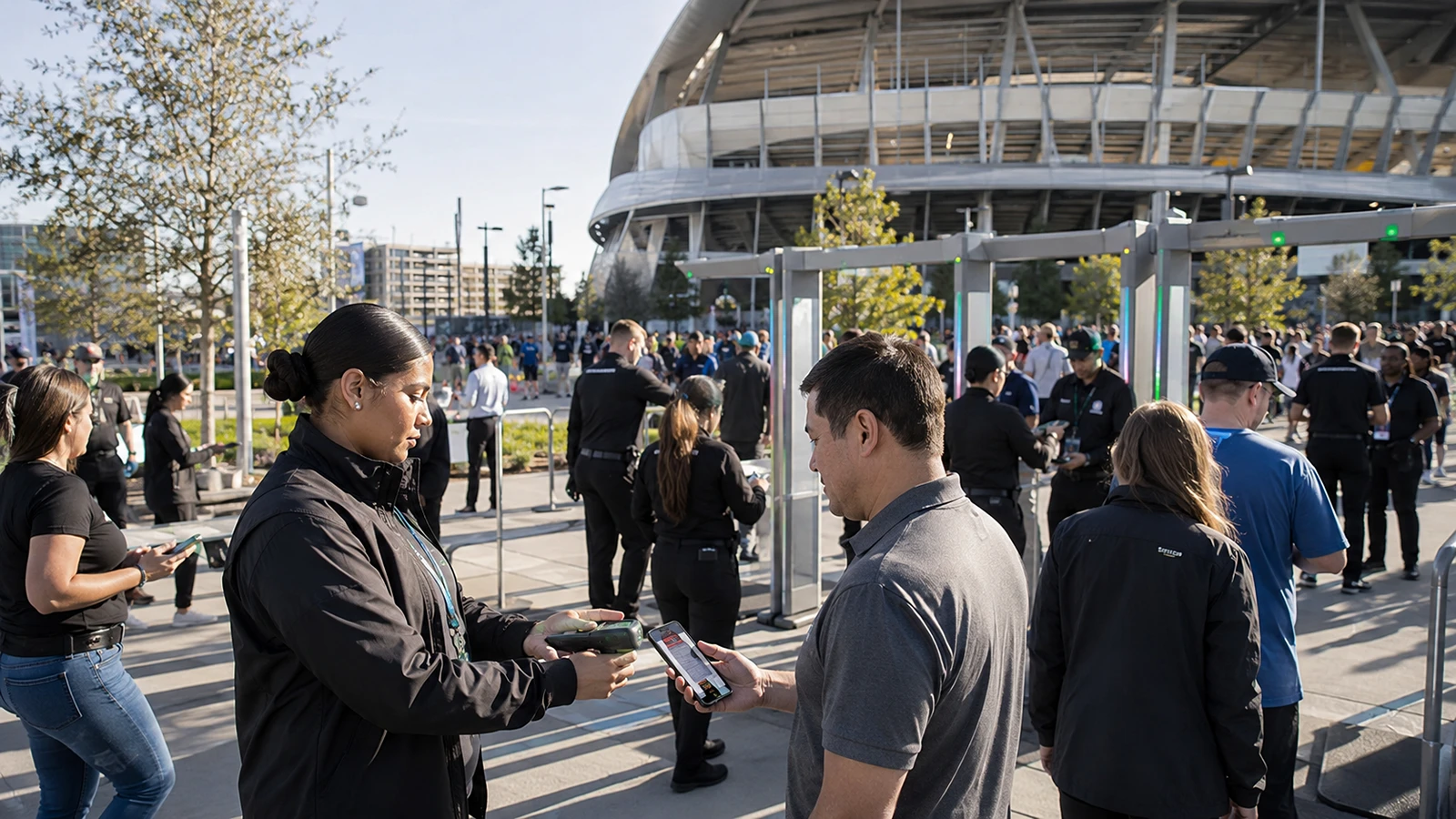
- Data Capture Specialists. Someone has to manage check-in systems, QR code scans, email captures, and lead qualification. This isn't sexy work, but it's the difference between knowing what happened and guessing.
- Setup/Breakdown Crew. Before doors open and after they close, you need people moving equipment, managing flow, and keeping the space clean.
Most successful brands treat experiential marketing activation staffing like they treat product quality: non-negotiable. You don't cheap out here. The staff is the brand during that event. Our breakdown of event staff roles explained walks through each position's responsibilities.
Measuring Experiential Marketing ROI
Here's what separates professional brand activation strategy from hope-and-pray:
Field Metrics (What Happened)
- Foot traffic and dwell time
- Demos completed
- QR codes scanned
- Email captures
- Social posts created
- Surveys completed
Business Metrics (What It Means)
- Cost per interaction
- Conversion rate (demo to lead)
- Cost per lead
- Lift in brand awareness (pre/post survey)
- Lift in purchase intent
- Attributed sales (if you can track it)
The sponsorship accountability metrics framework ROO (Return on Objective), alongside ROI, guides measurement. Not every activation is about immediate sales. Sometimes it's awareness. Sometimes it's a trial. Define the objective first, then measure marketing ROI against it.
How Much Does a Live Brand Activation Cost?
Here's what separates professional brand activation strategy from hope-and-pray:
Budget depends on scale. A single-city pop-up might run $15K–$50K. Multi-city activations with high production value? $150K–$500K+. Staff usually represents 30–40% of the budget.
The live events market has expanded significantly, which means more competition and higher quality standards. However, as with any high-investment channel, experiential entertainment success depends on execution quality, not just budget size.
Our average cost breakdown covers staffing costs by market and venue type. Staffing is often one of the largest activation cost categories, but skimping here is like building a house on sand.
Real-World Brand Ambassador Examples That Drive Conversions
The most effective brand activation examples show three patterns:
Pop-up Experiences. Temporary, location-based activations that create urgency and social momentum. Modern examples like AI pop-ups and events demonstrate that brands across B2B and B2C are investing heavily in these high-touch experiences.
Interactive Product Demonstrations. Visitors test features, ask questions, and leave with a concrete understanding. These drive the highest conversion rates because people know the product works; they have tried it.
Festival and Event Activations. Brands sponsor stages, booths, or experiences at larger gatherings. Our guide to retail activation ideas covers how to stand out at crowded events.
Experiential Marketing That Actually Works
Live experiential marketing wins because it's honest. You're not trying to convince someone with words. You're showing them. The product works. The brand is real. The experience is designed to let people discover themselves.
That's why staffing matters. Why planning matters. Why measuring matters. Because when you get the operating system right, the guest journey, the team, and the follow-up brand activations become a competitive advantage, not just a marketing line item.
Ready to build an activation that lands? Contact EventStaff today. We'll help you design the experience, staff it with professionals, and measure what matters.
Ready to elevate your next event?
Join thousands of event planners who trust EventStaff.com for reliable, professional staffing solutions.
Trusted by event professionals nationwide
1k+
Events Staffed
2 million+
Guests Served
97%
Positive reviews