
A brand activation agency is a partner that helps brands turn awareness into real-world engagement. Instead of only pushing messages through ads, content, or social media, these agencies build experiences that get people to interact with the brand directly. That might mean a pop-up, a festival footprint, a product sampling campaign, a retail takeover, a mobile tour, or a trade show installation staffed by people who know how to start conversations and move prospects toward action.
That distinction matters because live engagement still carries unusual weight. The American Marketing Association defines experiential marketing as an approach that directly engages, invites, and encourages consumers to participate in a branded experience. Freeman’s 2025 Trust Report also says live events continue to strengthen how audiences think and feel about brands. A strong brand activation program turns that potential into something practical: attention, trial, sign-ups, data capture, product education, social sharing, and brand recall.
In simple terms, if your team is asking, “Who can bring this campaign to life in the field and make it work with real people, real venues, and real pressure?” you are usually looking for a brand activation agency.
CEO Excerpt
“Brand activations work when strategy and field execution stay connected. A concept may look strong on paper, but the public only experiences what happens in person. The agencies that create real results are the ones that can align staffing, flow, guest interaction, and operational discipline without losing the brand message along the way.” — CEO, Eventstaff
What Brand Activation Means in Practice
Before defining what a brand activation agency does, it helps to clarify what brand activation actually means. In practice, brand activation is the point where a brand moves from message to experience. The audience is no longer only seeing a campaign, hearing a slogan, or passing a display. They are being invited to do something with the brand in a real, memorable way.
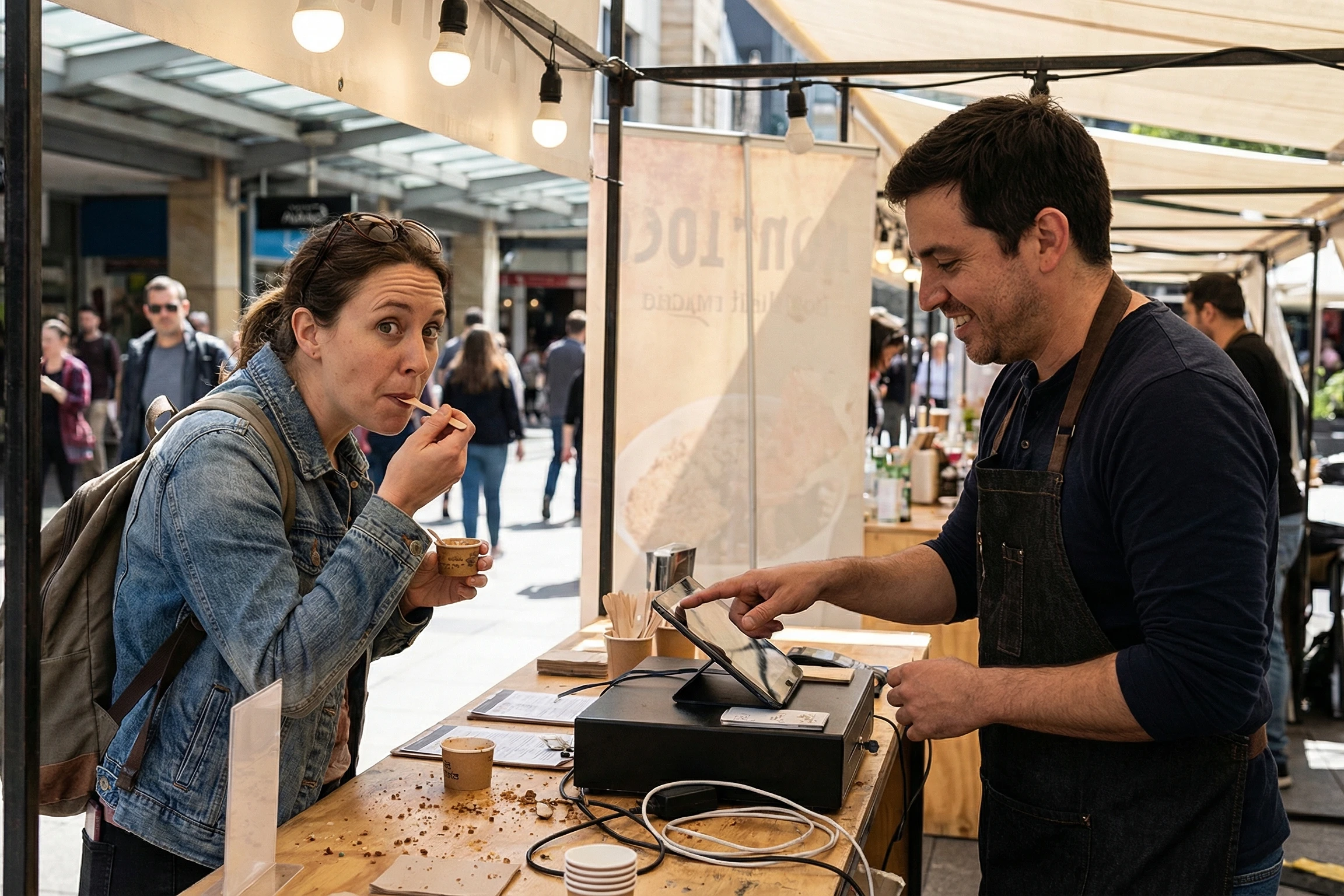
That action is what separates brand activation from general awareness. A strong activation asks people to try a product, taste a sample, test a feature, scan a code, join a demo, speak with a brand ambassador, enter a giveaway, or share the experience with someone else. The goal is not only to get attention in the moment, but to create a clear interaction that the audience can remember after the event.
That is why brand activation sits so close to experiential marketing. The American Marketing Association’s definition is useful here because it emphasizes direct participation in a branded experience, whether that happens through sponsorship, sampling, or another interactive format. The practical difference is that brand activation is usually discussed through the lens of campaign objectives: launching a product, increasing trial, building trust, collecting leads, or strengthening loyalty through a live touchpoint that feels immediate and memorable.
A good way to think about it is this: branding shapes how people should perceive you, while brand activation creates the live moment where that perception is tested. If the staff feel unprepared, the demo is confusing, or the experience looks polished but functions poorly, the activation can weaken the brand instead of strengthening it. That is exactly why brands do not only need creative ideas. They need operationally sound execution.

What Does a Brand Activation Agency Actually Do?
The best answer is that a brand activation agency connects concept, field execution, and measurable results. It does not stop at designing something that looks engaging. It builds the live system required to make that experience work.
Campaign Strategy and Concept Development
The first role of a brand activation agency is to turn a brand objective into an activation format that makes sense for the audience, the venue, and the budget. If a company wants trial, the agency may recommend sampling or guided demos. If it wants social traction, it may build a visually strong interactive moment with shareable touchpoints. If it wants deeper product education, it may create one-on-one or small-group engagement points rather than broad spectacle.
This part matters because not every activation idea fits every environment. A festival crowd behaves differently from a convention audience. A retail audience behaves differently from a nightlife audience. The agency’s job is to match the campaign idea to real foot traffic, dwell time, audience intent, and the number of staff needed to support the experience without friction.
Staffing and Guest Engagement
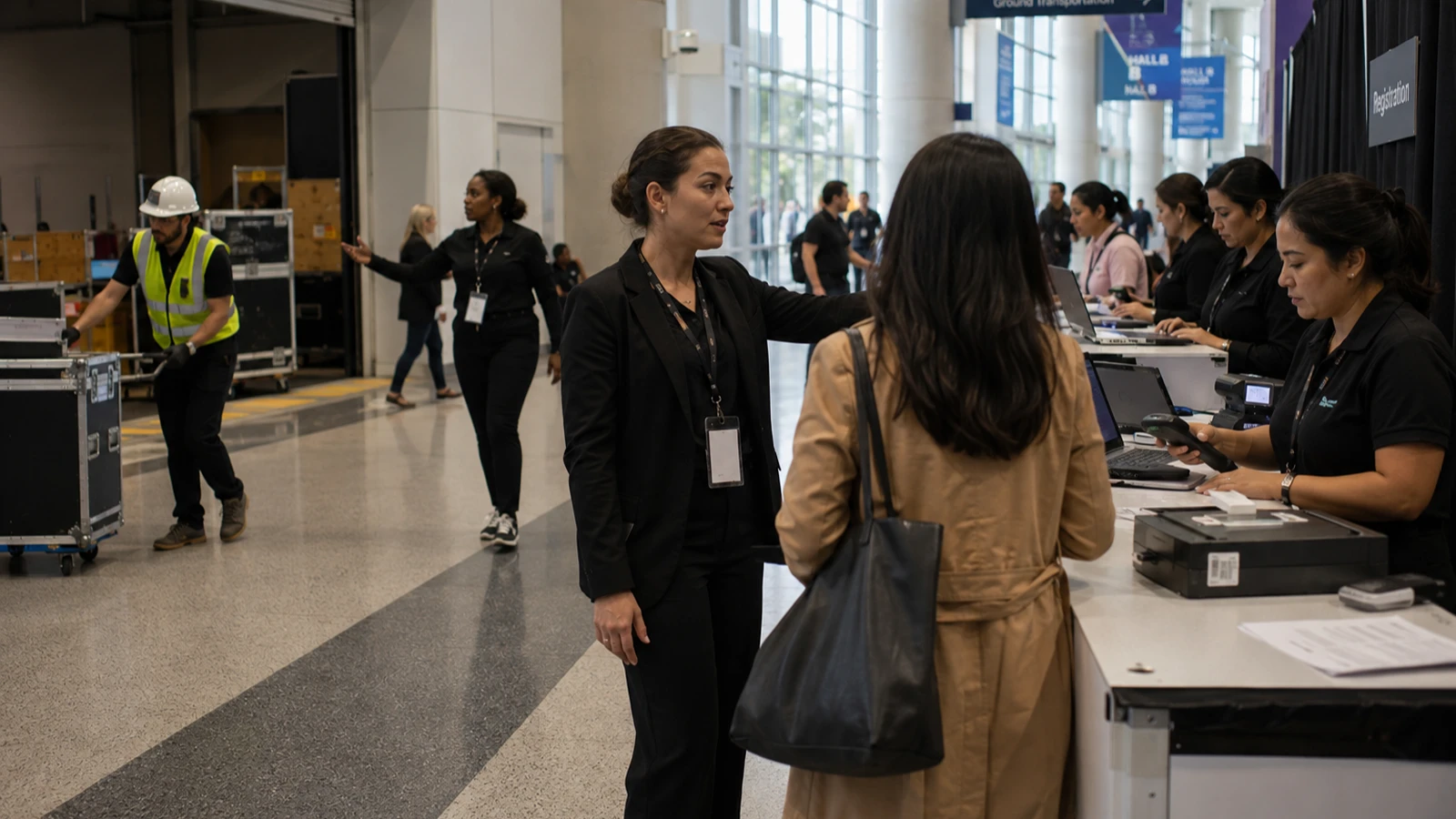
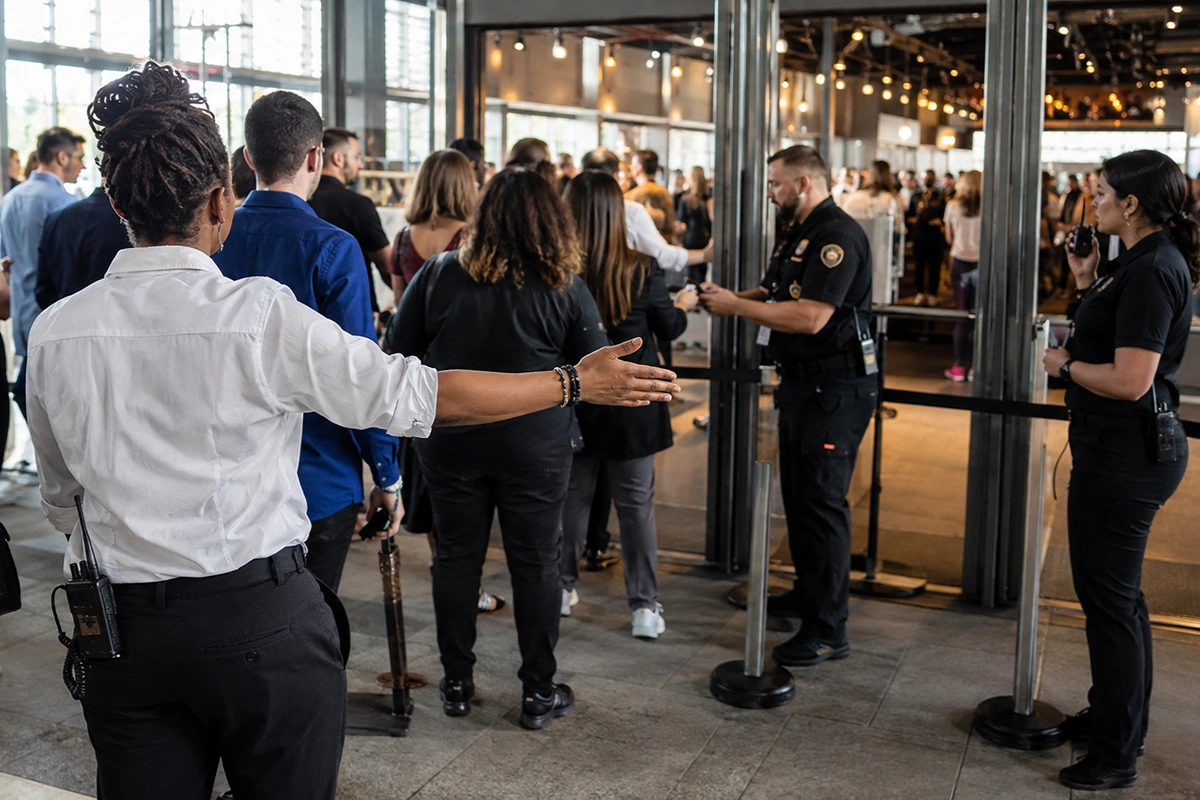
This is where many brands misunderstand the category. A brand activation agency does not only dream up ideas. It is also responsible, directly or indirectly, for the people who bring those ideas to life. That often includes brand ambassadors, product specialists, promotional staff, registration teams, line managers, guest engagement reps, and onsite leads.
If you strip away the creative language, most activations succeed or fail in these human moments. Did someone greet the guest quickly? Could the staff explain the product clearly? Was the interaction natural, on-message, and confident? Eventstaff’s own brand activation solution explains this operational layer well, including production reps who oversee logistics, creative alignment, and onsite coordination. Strong staffing also protects the campaign from common field issues, such as inconsistent messaging, slow guest flow, unclear product explanations, or missed lead opportunities. For brands investing in live engagement, the quality of the staff often determines whether the activation feels polished or forgettable.
Logistics, Production, and Onsite Control
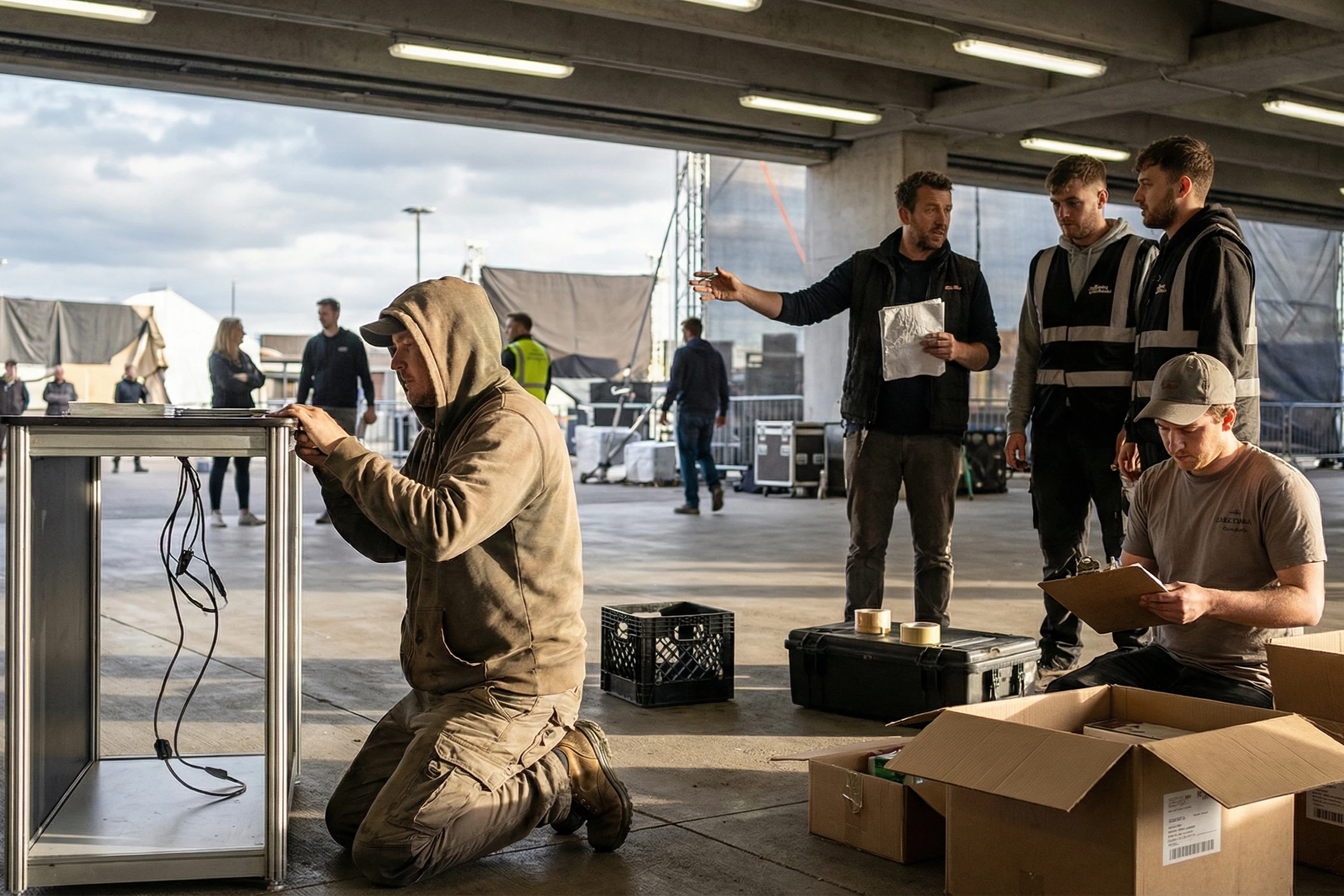
A real brand activation agency also handles the moving parts that the audience never sees directly but always feels indirectly. That includes schedules, load-in timing, setup sequencing, field briefs, staffing assignments, line flow, guest recovery, asset protection, and issue escalation when the day stops going according to plan.
This is why weak activations often feel confusing, even when the creative concept is strong. The problem is rarely the idea alone. It is more often the transition from idea to live execution. Staff arrive without a tight brief. The line forms in the wrong direction. The product talking points are inconsistent. Nobody owns restocking. The photographer blocks the demo zone. A strong activation agency reduces that kind of operational leakage by assigning clear responsibilities before the event begins and making sure onsite leads can correct issues quickly. That control helps the brand protect the guest experience while still capturing the outcomes the campaign was built around, such as trials, sign-ups, qualified conversations, or social engagement.
Performance Tracking and Campaign Feedback
Finally, a brand activation agency should be able to tell you what happened beyond “people seemed to like it.” That can include attendance estimates, product samples distributed, qualified conversations, lead volume, sign-ups, dwell time, QR scans, social engagement, and qualitative field insights about which messages landed or where guests hesitated.
That measurement layer is increasingly important because live experiences are being judged against harder business goals. Freeman’s current research reinforces why brands keep investing here: in-person experiences continue to improve how audiences feel about brands. The right partner should be able to connect brand lift with practical reporting that informs the next campaign.

How a Brand Activation Agency Differs From Other Partners
A lot of searchers asking “what is a brand activation agency?” are also trying to separate it from adjacent providers. That distinction is important because brands often hire the wrong category of partner for the job. The right choice depends on whether the campaign needs strategy, creative development, staffing, onsite execution, measurement, or all of those pieces working together.
Brand Activation Agency vs Traditional Advertising Agency
A traditional advertising agency usually focuses on brand strategy, media, creative development, messaging, and campaign planning across channels. A brand activation agency works much closer to the moment of live audience contact. It takes the brand idea and converts it into something people can physically experience and respond to in real time.
That does not mean one replaces the other. In many programs, the ad agency defines the message and the activation partner builds the live expression of that message. But if the project lives or dies based on onsite engagement, guest flow, staffing quality, or product interaction, a brand activation agency is much closer to the core execution challenge.
Brand Activation Agency vs Event Staffing Agency
An event staffing agency and a brand activation agency are not the same thing, but they often overlap. The activation agency may lead concepting, campaign design, reporting, and experience architecture. The staffing agency provides the trained people who execute the interaction on the ground.
That distinction matters because many activations need both. Eventstaff, for example, positions itself as a large-scale staffing partner that supports brand ambassador staffing and promotional programs while also covering front-of-house, back-of-house, and field execution roles. For a lot of brands, that kind of staffing depth is what makes a creative concept actually usable at scale. It also helps when the activation has multiple guest touchpoints, because each role needs to understand the campaign goal while still handling its own part of the live experience.
Brand Activation Agency vs Experiential Marketing Agency
These two terms are close, and in many cases they are used interchangeably. The safest distinction is that experiential marketing describes the broader discipline, while a brand activation agency usually signals a more campaign-focused, action-oriented execution model. The goal is not only to create an experience, but to activate audience behavior in a measurable way: try the product, join the program, share the content, request more information, or remember the brand differently afterward. For SEO and buyer intent, this distinction matters because many clients are not only looking for creative ideas. They are looking for a partner who can turn those ideas into field performance.

When Should a Business Hire a Brand Activation Agency?
The right time to hire a brand activation agency is when a campaign needs more than visibility and starts requiring real participation. That usually happens in a few predictable situations.
The first is a product launch. If a brand is introducing something new and wants people to test, taste, touch, or experience it firsthand, live activation makes sense. A launch is not only about reach. It is about helping the audience understand the product quickly enough to care.
The second is a market-entry or expansion push. If a brand is entering a city, category, or audience segment where it needs local visibility and in-person trust, brand activation gives it a faster route to direct engagement than waiting for passive awareness to compound over time.
The third is a major live-event environment such as a festival, conference, trade show, sporting event, or hospitality program. These are places where attention is already concentrated, but competition is intense. In those settings, a brand activation agency helps brands structure the experience so the public does not just pass by the footprint.
The fourth is when a brand has already tried live marketing but the results felt shallow. That often means the creative looked strong, but the field team was undertrained, the experience was hard to navigate, or the reporting was too vague to guide the next campaign. Hiring a stronger activation partner becomes less about trying something new and more about fixing the operational layer that was missing the first time.

What to Look for in a Brand Activation Agency
Choosing a brand activation agency should be treated as an execution decision, not only a creative one. The visual concept matters, but the field reality matters more. A strong partner should be able to show how the campaign will work when real guests arrive, staff need direction, and the environment starts changing.
Experience in Live Consumer Environments
Look for experience in the exact environments where you plan to activate. A partner that excels in trade shows may not automatically be strong in festivals, nightlife, retail, or street-level consumer engagement. The best agencies understand audience behavior, venue restrictions, staffing patterns, and pacing within the environments they claim to know.
Staffing Quality and Training Standards
This is one of the biggest differentiators. A polished deck does not tell you how well the team will perform in public. Ask how staff are selected, trained, briefed, and supervised. Ask who handles escalations onsite. Ask how the agency protects message consistency when conditions change. If the answer is vague, the activation is more fragile than it looks.
Operational Discipline
A good brand activation agency should be able to explain logistics clearly. Who owns setup? Who handles line buildout? How are breaks managed? How are leads captured? What happens if foot traffic spikes or a product run hits unexpected demand? The more operationally mature the agency is, the less likely your campaign is to unravel under normal field pressure.
Market Reach
This matters more than many buyers initially assume. A campaign that performs in Los Angeles may need real adjustments in New York City, Miami, or Las Vegas. Audience behavior, venue density, permit realities, and staffing expectations all change by market. An agency with broad geographic range usually adapts faster and avoids treating every activation like the same playbook in a different city.
Measurement and Accountability
Do not settle for a recap that only says the event was “well received.” You should expect a summary of what happened, what the audience responded to, what operational issues appeared, and what should change next time. The reporting does not need to be overbuilt, but it should be actionable.

Brand Activation in High-Value U.S. Markets
A strong brand activation strategy is never completely generic. The format has to adjust to the market, the crowd, and the venue realities.
New York City
New York City remains one of the highest-stakes activation markets in the country. NYC Tourism + Conventions says the city welcomed 64.5 million visitors in 2024. That kind of volume creates major upside for activations, but it also means dense foot traffic, faster decision-making by consumers, and less room for loose execution. In New York, a good brand activation agency usually needs a sharper eye for footprint visibility, queue management, and concise messaging because people decide quickly whether to stop.
Los Angeles
Los Angeles is different. Discover Los Angeles says the city welcomed 49.1 million visitors in 2023, with more than 530,000 tourism-related jobs tied to the sector. It is also a market where lifestyle, entertainment, visual presentation, and production standards matter a great deal. For many activations, Los Angeles rewards concepts that feel culturally fluent and camera-ready, but the city also demands stronger coordination because footprints can be more spread out and event permitting can be more layered.
Miami
Miami is one of the most valuable markets for brand activation when a campaign depends on tourism, nightlife, hospitality, or festival culture. The Greater Miami Convention & Visitors Bureau reported a record number of visitors in 2024. That creates strong upside for beverage brands, fashion, beauty, wellness, entertainment, and consumer products that benefit from direct trial and social visibility. The flip side is that activations in Miami need to account for heat, bilingual engagement, high-energy event settings, and audiences that often move between hospitality and entertainment environments quickly.
Las Vegas
Las Vegas works differently again. The Las Vegas Convention and Visitors Authority said the destination welcomed 38.5 million visitors in 2025, including 6.0 million convention attendees. In practical terms, Las Vegas is a market where activations need polish, stamina, and precision. The audience is used to high production value. If the execution looks underpowered, the brand loses ground fast.
Why Staffing Matters in Brand Activation
This is where the conversation becomes more practical. Even the best brand activation concept can fail if the staffing model is weak. That is not a side issue. It is often the deciding factor.
Guests do not interact with strategy decks. They interact with people. They remember whether the brand ambassador was confident, whether the registration team was organized, whether the product explainer answered questions clearly, and whether the whole footprint felt smooth or awkward. If the team is slow, uncertain, or inconsistent, the experience communicates that uncertainty back to the audience.
That is why staffing should be treated as part of the activation design, not a last-minute add-on. Eventstaff’s own positioning reflects this operational view. The company states that it covers brand ambassador staffing and other promotional roles, and that clients use it to combine front-of-house, back-of-house, and promotional support in one execution system. For brands running multi-city or high-volume programs, that kind of staffing structure is often what protects the campaign when conditions become unpredictable. It also helps maintain message consistency across every guest touchpoint, from the first greeting to the final product explanation. When the staffing plan is built early, the activation has a better chance of feeling controlled, confident, and measurable on the day.

How Eventstaff Supports Brand Activation Campaigns
At Eventstaff, we support brand activation campaigns through the field-execution layer that brands often underestimate until the day gets busy. Our focus is not only on sending people to stand in branded apparel. It is on deploying trained teams who can represent the brand clearly, manage guest interactions professionally, and keep the activation functioning under real conditions.
That includes brand ambassadors, promotional support, onsite leads, and production-oriented staff who can help maintain flow and execution quality. Eventstaff’s public-facing materials make that clear: the company supports large events across major U.S. markets, covers brand ambassador staffing for promotional programs, and provides production reps for activation execution. If your activation needs reliable field staffing rather than concept development alone, that is where Eventstaff is built to contribute. This is especially useful when a campaign has multiple moving parts, such as guest engagement, product education, lead capture, and onsite coordination happening at the same time.
For readers exploring next steps, the most relevant internal paths would be Eventstaff Brand Activation, Eventstaff About Us, and the main Eventstaff site. Those pages connect this definition-first article to the parts of the site where operational support, service scope, and market coverage become more concrete.
Final Words
So, what is a brand activation agency? It is the partner that helps a brand move from message to experience. It takes a campaign objective and translates it into something people can actually join, remember, and respond to in real time. That is why brand activation matters so much in modern marketing. When the right idea meets the right field execution, a live interaction can do what digital-only touchpoints often cannot: build trust faster, create clearer memory, and produce more immediate feedback about what the audience actually cares about.
Just as important, the answer is not only creative. The best brand activation agency is not the one with the most dramatic mood board. It is the one that can connect strategy, staffing, operations, and measurement without letting the guest experience break down once the public arrives. That is the difference between an activation that gets photographed and an activation that actually performs.
For Eventstaff, that makes the staffing layer especially relevant. If your team already has the campaign concept and needs reliable field execution, trained brand ambassadors, or onsite activation support, Eventstaff is positioned to solve the part of the problem that brands feel most on event day. And if you are still evaluating the category, this article should give you the practical lens to assess any brand activation agency more accurately: not just by what it promises, but by how well it can execute under live conditions. The strongest partner should make the campaign easier to run, easier to measure, and easier for guests to understand in the moment.
Ready to elevate your next event?
Join thousands of event planners who trust EventStaff.com for reliable, professional staffing solutions.
Trusted by event professionals nationwide
1k+
Events Staffed
2 million+
Guests Served
97%
Positive reviews