
CEO Excerpt:
“Interactive event technology is redefining how brand activations drive engagement and ROI. The focus is on scalable participation, measurable outcomes, and execution models that balance technology with human support. Leadership should expect clearer performance signals and stronger post-event value when these elements align.” - CEO, Event Staff
Interactive event technology is redefining how brands compete for attention in crowded event environments. Today, it’s no longer enough to be seen brands must be experienced.
Modern audiences expect instant, hands-on engagement. Whether it’s scanning a QR code, playing a branded game, or creating shareable content, the shift from passive viewing to active participation is transforming how brand activations perform.
This matters because engagement now directly impacts ROI. According to Event Marketer, 77% of consumers say live brand interactions increase trust making interactive event technology one of the most powerful tools for driving measurable results.
In this guide, we break down how interactive technology is changing brand activations, which formats deliver the best results, and how to execute them without slowing down your event.
Executive Summary
Interactive event technology is shifting brand activations from passive exposure to active, measurable engagement. Modern activations rely on fast, intuitive interactions supported by the right mix of technology and staffing. When executed well, these experiences increase participation, capture actionable data, and extend brand impact beyond the event floor. The result is a more accountable and scalable approach to brand engagement.
What Interactive Event Technology Means In Brand Activations
.webp)
Interactive event technology refers to tools and systems that require attendees to actively engage with a brand rather than passively observe it.
Instead of static displays, these activations invite users to take immediate action—such as scanning a QR code, playing a game, answering a poll, or creating personalized content.
The key difference is engagement depth. While traditional setups rely on visibility, interactive experiences create intentional participation. When attendees interact, they spend more time with the brand, retain information better, and are more likely to convert.
At its core, interactive technology creates a two-way exchange:
- The attendee receives value (entertainment, rewards, personalization)
- The brand captures data, behavior insights, and content
This shift is what makes interactive activations more effective, measurable, and scalable.
Common Interaction Types
- Tap / Scan / Swipe – QR codes, NFC taps, card swipes
- Play / Spin / Vote – Games, polls, challenges
- Personalize / Create – Custom merch, digital avatars, branded content
- Share / Save / Redeem – Social sharing, email capture, instant rewards
Interactive technology turns brand activations into experiences attendees do, not things they walk past.
How Interactive Event Technology Is Changing Brand Activations
Interactive event technology is changing brand activations by increasing participation, shortening engagement time, enabling instant data capture, and creating shareable moments that extend the activation beyond the event.
Key changes:
- Higher participation rates due to low-effort entry points
- Faster engagement cycles suited for live environments
- Measurable outcomes like scans, plays, and shares
- Built-in content creation that fuels digital brand activations
With 68.7% of event professionals agreeing that using technology to improve the attendee experience is a trend with staying power, brands that integrate interactive elements effectively will maintain a competitive advantage.
The 5 Interactive Technologies Driving Modern Brand Activations
Modern brand activations rely on interactive event technology brand activations to attract attention, increase participation, and capture meaningful engagement data. These technologies are designed to work in fast-moving, high-traffic environments where brands have only seconds to make an impression. When chosen correctly, they help brands scale engagement without slowing down the event experience.
1)QR Code and NFC (Near Field Communication) Journeys
Fast entry, scalable for high-traffic areas, and connects offline to online instantly.
Best for: Large crowds, quick interactions, data capture
Example: Scan to unlock a product demo, offer, or contest entry
In 2025, 38% of event professionals are prioritizing QR codes as a key technology for their events, making them one of the most accessible interactive tools available.
2) Interactive Screens & Touch Displays
Guided content, quizzes, product explorers. Perfect for education-focused activations.
Best for: Product education, guided engagement
Example: Touchscreen quiz matching users to the right product
3) Gamified Experiences
Spin-to-win, timed challenges, leaderboards. Increases dwell time and energy without long explanations.
Best for: Attraction, dwell time
Example: Timed challenge with instant prizes or score sharing
According to industry data, 59% of event organizers have gamification strategies to improve audience engagement, and 71% of marketers use polling to ensure their audience doesn't lose attention.
4) Photo, Video & AI Content Stations
Branded GIFs, slow-motion clips, AI-generated visuals. Participants leave with content to share.
Best for: Shareability, social reach
Example: AI photo booth that creates personalized, branded visuals
With 89% of event organizers utilizing pre-produced videos and livestream video formats as digital engagement tactics, content creation stations have become essential components of successful activations.
5) AR / Mixed Reality Moments
Immersive, memorable experiences are best suited for controlled environments.
Best for: Immersion, high-impact moments
Example: AR product visualization in a demo zone
The augmented reality market is experiencing rapid growth, with AR product experiences being 200% more engaging compared to their non-AR equivalents. The global immersive entertainment market is projected to grow from $133.6 billion in 2024 to $473.9 billion by 2030.
The Hidden Requirement: Staffing Interactive Activations
Interactive event technology brand activations do not run themselves. Even the most intuitive experiences require trained staff to invite participation, explain value in seconds, and keep interactions moving. Without proper staffing, lines grow, devices stall, and engagement drops, no matter how strong the concept is.
In high-traffic brand activations, staffing directly impacts throughput and data capture. Brands that plan staffing ratios alongside technology selection consistently see higher completion rates and smoother guest flow. This is why leading activation teams treat staffing as part of the technology stack, not an afterthought.
Key Roles
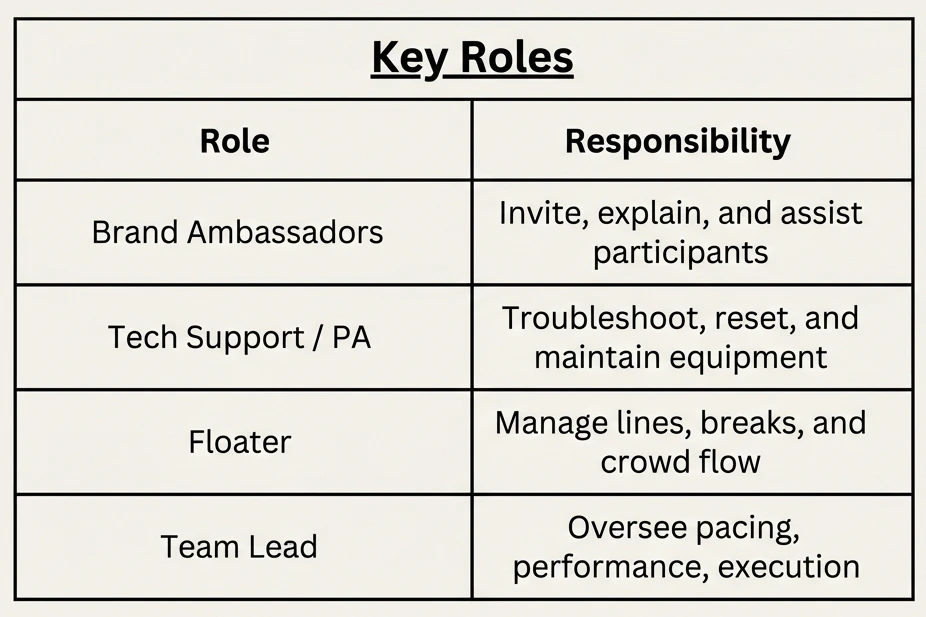
When planning brand activations, it's essential to ensure that your technology is matched with the right staffing ratio to prevent bottlenecks and maintain energy throughout the event.
Real-World Execution Example
Example: Scaling Interaction Without Slowing Flow
.webp)
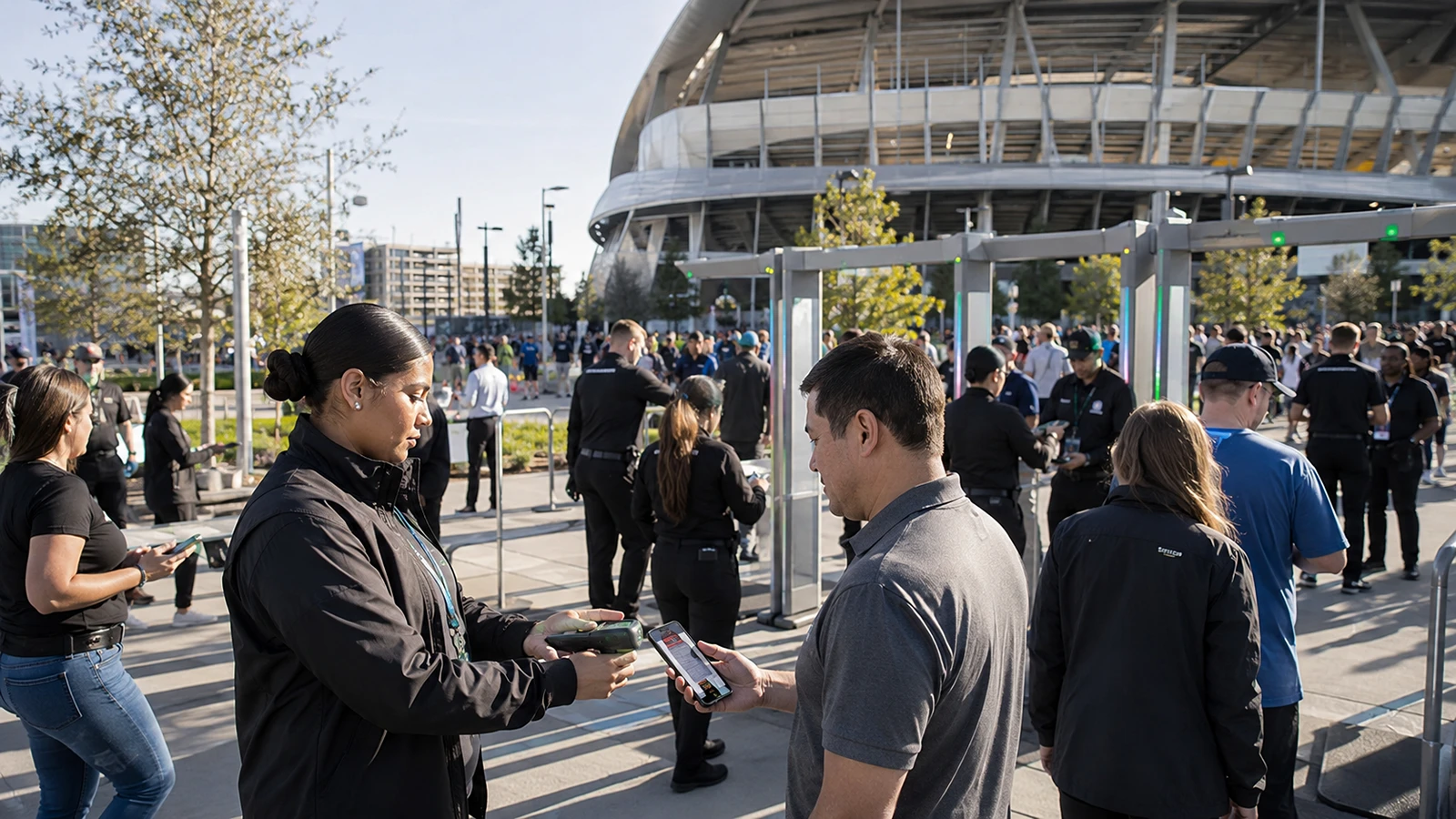
At a multi-day consumer expo, a beverage brand deployed QR-led gamified interactions supported by one brand ambassador per station and a roaming floater. By keeping interactions under 60 seconds and assigning staff to manage flow, the activation processed over 1,200 participants per day without lines exceeding two minutes. The result was high participation, consistent data capture, and shareable content that extended the activation beyond the event floor.
How To Choose The Right Interactive Technology For Your Brand Activation
Factors to consider:
- Activation goal: awareness, leads, content creation
- Available footprint and crowd flow
- Average interaction time per attendee
- Power and internet availability
- Throughput per hour
- Staffing ratio per device
Mini Checklist:
- Can the experience be explained in ≤10 seconds?
- Can most users complete it in ≤90 seconds?
- Can it reset quickly without staff intervention?
Rule of Thumb: Simplify any experience that takes longer than 90 seconds or needs a long explanation.
Common Interactive Event Technology brand activations Mistakes
- Overengineering the experience
- Unclear instructions
- Poor connectivity planning
- No offline backup
- Tech is competing with itself
- Underestimating staffing needs
Fast Fixes:
- Simplify steps
- Shorten copy
- Increase staff-to-device ratio
- Add signage + verbal invitations
- Test reset time before the event
Many of these issues can be avoided by working with experienced brand activation agencies that understand both the technology and the human elements required for success.
How Brands Measure Success With Interactive Event Technology
Trackable metrics:
- Participation rate
- Completion rate
- Average interaction time
- Leads captured
- Content shares
- Post-event brand recall
Insight: If you can’t measure it, the technology is decoration not activation.
Ready to Build a High-Performance Brand Activation?
Interactive technology only delivers results when execution is flawless. From staffing ratios to flow design, every detail impacts participation, data capture, and brand perception.
Partner with an experienced event staffing team that understands how to run interactive activations at scale without friction, delays, or missed opportunities.
👉 Talk to our team today to plan an activation that drives real engagement, captures actionable data, and delivers measurable ROI.
Ready to elevate your next event?
Join thousands of event planners who trust EventStaff.com for reliable, professional staffing solutions.
Trusted by event professionals nationwide
1k+
Events Staffed
2 million+
Guests Served
97%
Positive reviews