

New Year launch events are a pressure test. Stakeholders want a clean first signal for Q1, audiences arrive expecting momentum, and internal teams are often stretched by year-end wrap-ups. In that environment, promotional event staffing services are one of the most practical ways to protect execution quality without rewriting the entire event plan. When guest flow is smooth, messaging is consistent, and peak moments feel controlled, your launch reads as confident and intentional to every audience segment in the room.
The difference between a launch that feels premium and one that feels improvised is rarely the keynote itself. It is what happens before, during, and immediately after the reveal: arrival waves, wayfinding, handoffs between zones, and the quality of the first product explanation guests hear. That early impression window is where trained promotional teams create leverage, because you cannot recover a chaotic start with a great closing speech.
CEO excerpt
“At Event Staff, we treat New Year launches as defining business moments. Guests don’t separate the message from the experience. If execution feels uncertain, the brand feels uncertain. Our role is to bring clarity and consistency to every guest interaction so the launch message is supported, not overshadowed.”
— CEO, Event Staff
Why New Year launch events demand a different staffing approach
A January launch carries symbolic weight. Attendees arrive evaluating direction, confidence, and readiness for the year ahead. That mindset raises expectations and lowers tolerance for friction. Small operational gaps that might be overlooked later in the year can feel amplified during a New Year moment because guests assume you are setting the standard for what comes next.
Several realities make New Year launches uniquely demanding from a staffing perspective:
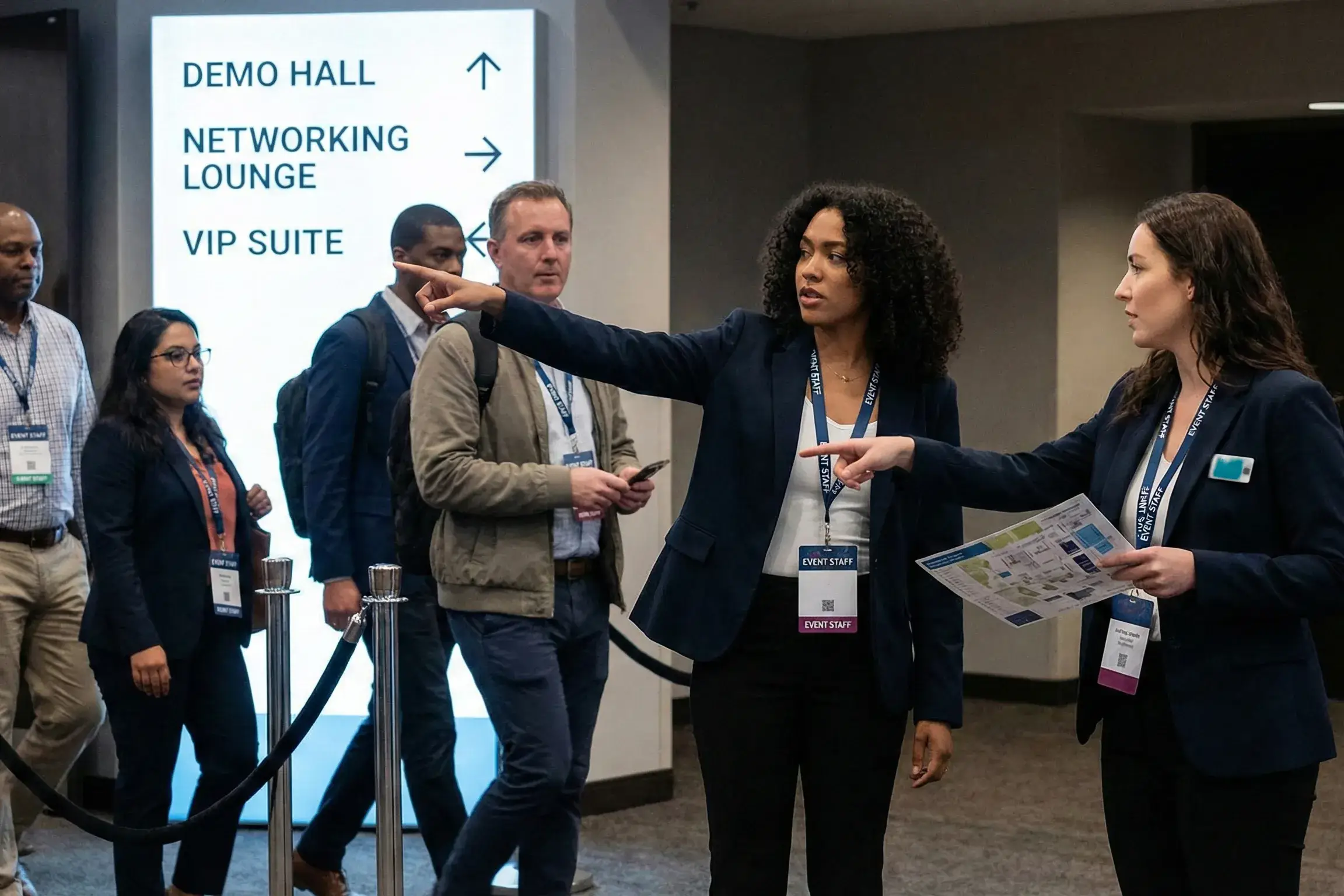
- First impressions form instantly and spread quickly across the room. Guests decide whether an event is organized within minutes. When arrivals are unclear, confusion spreads through short conversations, long lines, and visible hesitation. When guest-facing teams greet with purpose, give simple direction, and answer basic questions confidently, the room feels under control before the main programming even begins.
- Planning timelines are shorter while scrutiny is higher. Holiday schedules compress preparation time and reduce flexibility. Vendor responses slow down, internal approvals stack up, and training windows shrink. A structured staffing plan prevents last-minute improvisation that audiences notice immediately, especially when leadership and media are present.
- The audience mix is more complex than a typical brand event. New Year launches often combine executives, partners, investors, media, VIP clients, and general attendees in one space. Each group has different expectations and access needs. Coordinating routing discreetly while protecting the general guest journey requires disciplined on-floor ownership.
- Peak moments trigger sudden movement and predictable bottlenecks. Countdowns, keynote entrances, product reveals, and content moments change guest behavior quickly. If teams are not positioned at decision points, you get lines, missed demos, and frustrated guests right when interest is highest. Staffing must anticipate surges rather than react to them.
How promotional event staffing services support New Year launch strategy
Effective staffing plans are built around outcomes and guest behavior, not headcount alone. Promotional event staffing services support New Year launch strategy by translating business goals into repeatable, on-floor interactions that remain consistent under pressure. This matters because launches create a high volume of short conversations, and inconsistency across those conversations is one of the fastest ways to weaken a message.
A strategy-aligned approach typically includes:
- Goal-to-interaction alignment that protects ROI. Awareness-driven launches require discovery and guided participation. Product-led launches require education, structured conversations, and qualified lead capture. Partner-heavy launches require polished routing and discreet handling of VIPs. When the staffing plan matches the goal, your best guests spend time in the moments that matter instead of wandering, waiting, or missing key touchpoints.
- Protection of critical moments so the event feels intentional. Arrival surges, reveal transitions, and post-announcement movement are planned for explicitly. Teams are positioned where guests pause, queue, or change direction, so momentum continues without visible friction. This is especially important at New Year events because the room’s energy often hinges on a single reveal moment.
- Zone-based responsibility so the experience stays consistent end-to-end. A launch can include a welcome area, demo stations, content moments, networking spaces, and exit pathways. Assigning ownership to each zone prevents gaps where guests feel unsure what to do next. It also keeps service quality steady when one area gets busy and another slows down.
- Messaging discipline at scale without sounding robotic. The best teams deliver consistent information in natural language. They use approved benefit statements, confirm the next step, and know when to escalate questions. This protects brand safety, reduces conflicting explanations, and ensures that guests receive a coherent story even when they interact with multiple people.
What promotional teams do on the floor during New Year launches
Once the strategy is set, execution depends on consistency. Guests should experience the same clarity and confidence at every touchpoint, from entry to exit. The goal is a room that feels guided, not managed, where participation is easy and confusion is rare.
How promotional staff for events drive engagement without disrupting flow
Promotional staff for events act as the connective tissue of the guest journey. They reduce confusion, maintain momentum, and guide participation without making the experience feel scripted. The strongest teams focus on practical behaviors that prevent friction from forming in the first place.
They do this by:
- Providing fast, clear orientation that reduces early congestion. Guests are welcomed with concise direction and routed toward the first high-value interaction. That first routing decision matters because it determines whether arrivals disperse evenly or pile up into a bottleneck that affects every zone downstream.
- Prompting participation proactively so guests keep moving forward. Instead of waiting for guests to ask what comes next, teams offer simple choices that drive action, such as where to start, what to experience first, and how to join the reveal moment. This keeps energy high, particularly during wave arrivals common at New Year events.
- Maintaining consistent tone and language across zones for a cohesive experience. Core phrases, approved benefits, and next-step prompts remain consistent across the floor. Guests feel the difference when every interaction reinforces the same intent, and that cohesion supports trust during a high-visibility launch.
How promotional staff for product launches protect first impressions
When a New Year launch includes a product or service reveal, early conversations shape long-term perception. Accuracy and consistency are essential because the first questions guests ask often become the first story they tell after the event.
Promotional staff for product launches protect first impressions by:
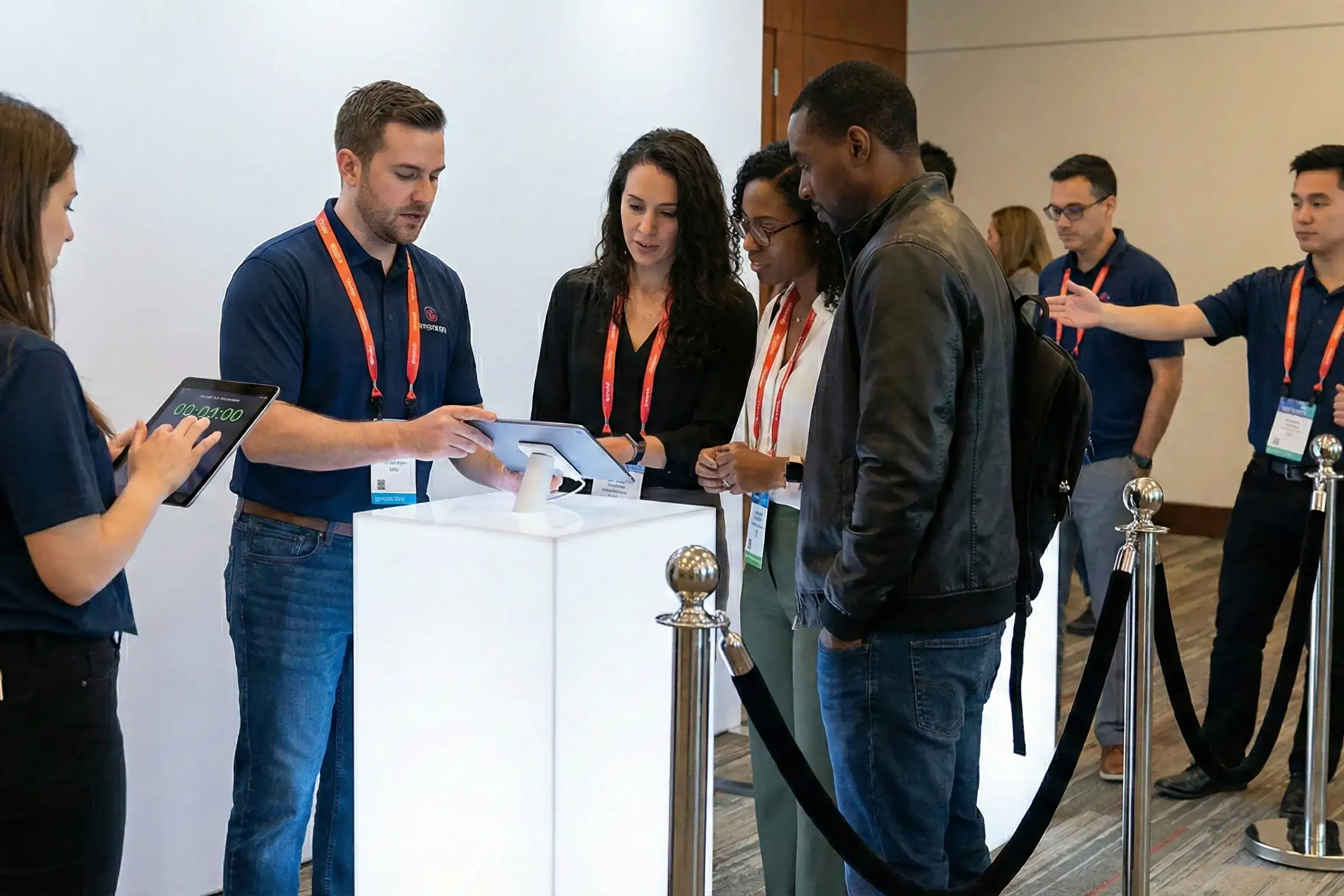
- Delivering benefit-focused explanations using approved language. Teams lead with the outcome, then support it with brand-safe detail. They route technical questions to internal experts without breaking flow, protecting leadership time while maintaining credibility.
- Managing demos as a controlled experience, not a free-for-all. Post-reveal surges can overwhelm product zones. Structured demo rotation, queue management, and simple participation rules ensure more guests get meaningful interaction time, not just a view from the back of a crowd.
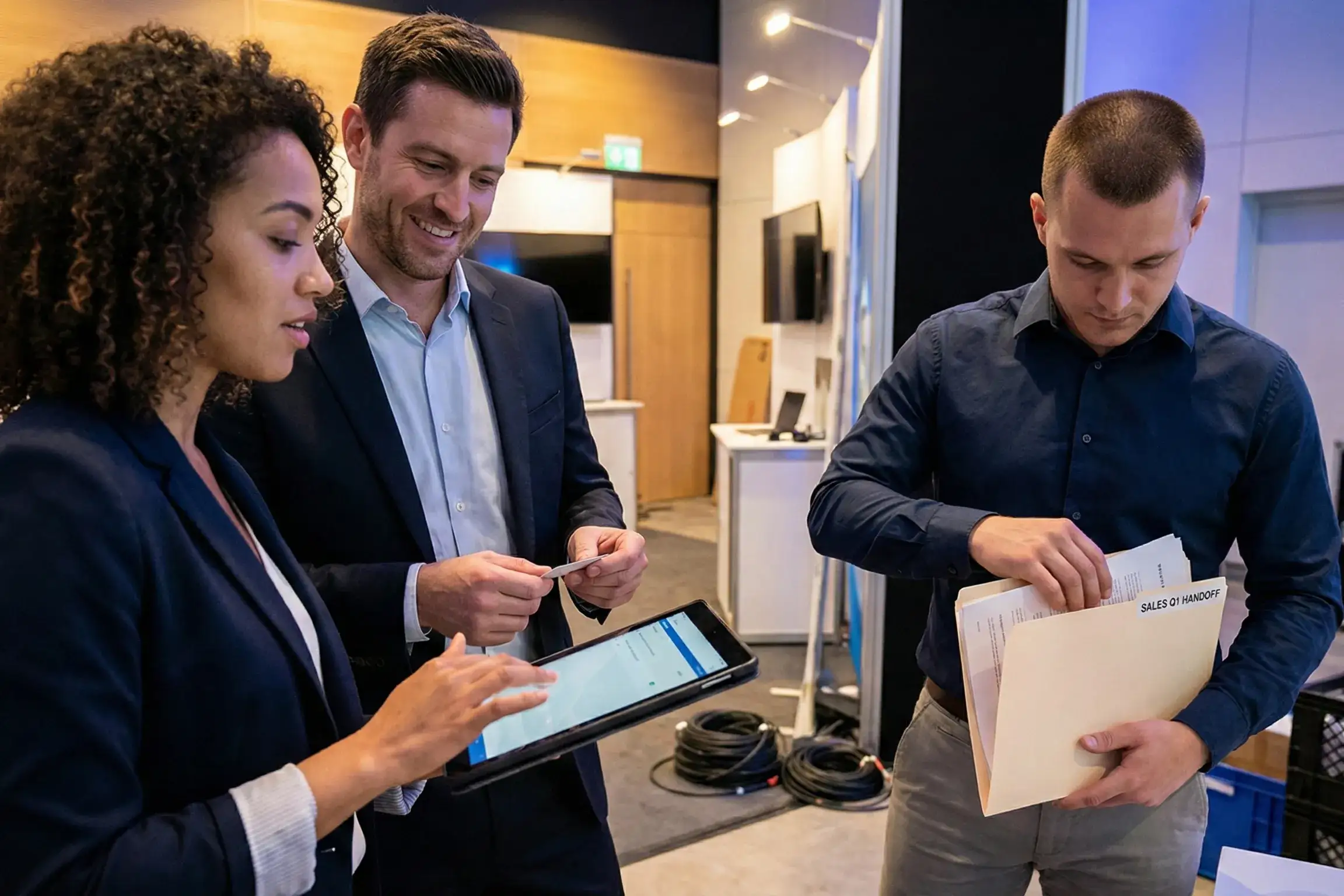
- Capturing qualified leads and usable feedback that supports Q1 follow-through. Teams collect clean contact details, document guest intent, and note recurring questions or objections. This improves handoff to sales and marketing and makes post-launch messaging more accurate because it reflects real attendee behavior.
Using promotional staffing solutions to scale New Year campaigns
Some New Year launches are single-night events. Others extend across multiple dates, venues, or markets. As scale increases, inconsistency becomes the primary risk: different language, different guest handling, and uneven lead capture standards across locations.
That is where promotional staffing solutions become essential. Scaling well requires:
- Standardized briefings that travel across markets without losing local flexibility. Repeatable briefing formats ensure consistent messaging, guest-flow practices, and escalation paths. Local venue rules and layouts change, but the guest journey and brand language should remain stable.
- Coverage models that flex by venue size while preserving the same experience structure. Your zone map can stay consistent even when a room changes. When roles remain consistent, teams can flex headcount without losing the rhythm that makes a launch feel intentional.
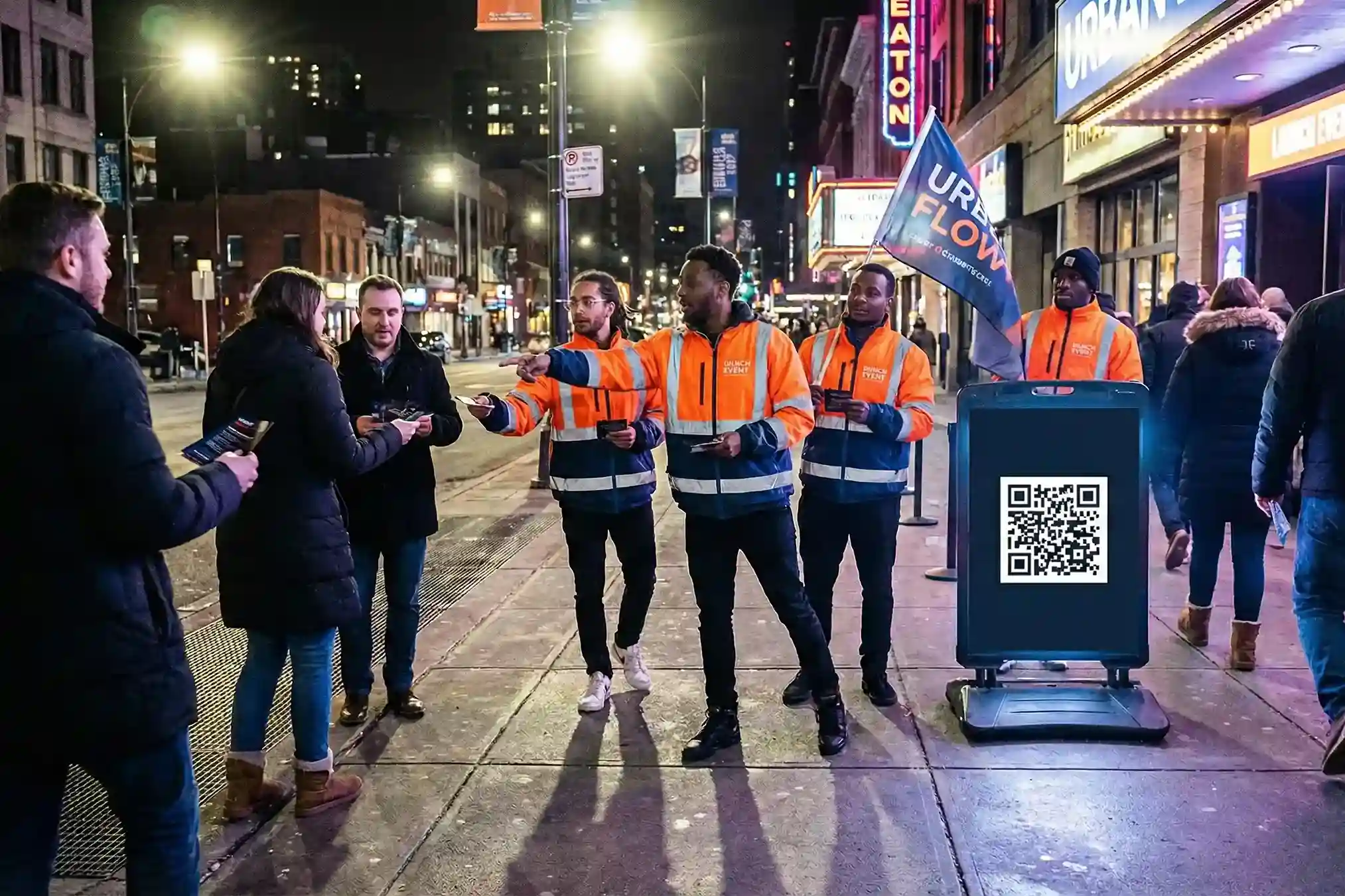
- Pre-launch amplification when awareness drives attendance and intent. Street teams can support visibility and direction when foot traffic matters. The key is clarity: what to say, what to offer, and what action to drive, so pre-event engagement turns into on-site participation instead of random exposure.
Practical New Year launch planning checklist for promotional staffing
If you want staffing to protect outcomes, align on a few operational details early. This reduces day-of scrambling and makes it easier for promotional teams to deliver consistently.
Use this checklist as a planning baseline:
- Define the one primary outcome the event must deliver. Whether it is qualified leads, product education, partner confidence, or audience excitement, staff behavior becomes clearer when there is a single priority that guides tradeoffs during peak moments.
- Identify your pressure points and decide who owns them. Entry surges, reveal transitions, demo access, and content moments create predictable congestion. Assign ownership so no one is improvising when the room is busiest, and ensure supervisors have authority to rebalance coverage quickly.
- Approve your three sentences of brand-safe product language. Most guests will only absorb a short explanation. Align on a benefit-first statement, a supporting detail, and a clear next step. This keeps messaging consistent without forcing teams into scripts that feel unnatural.
- Clarify lead qualification standards before you choose tools. Decide what makes a lead worth capturing and what data fields matter for follow-up. When standards are clear, data quality improves and Q1 follow-up happens faster because sales teams trust what they receive.
Common New Year launch mistakes that staffing can prevent
Most New Year launches struggle for operational reasons, not creative ones. The most common issues are preventable when you plan around real guest behavior and build staffing around ownership.
Avoid these mistakes:
- Treating staffing like a headcount problem instead of a role-ownership strategy. Without defined ownership, your busiest zones become unmanaged while calmer zones become overstaffed. Ownership keeps service quality stable and prevents gaps that guests notice immediately.
- Overusing internal teams for guest flow and repetitive questions. Executives and product leaders should focus on VIP relationships and high-value conversations. When they manage lines or repeat basic explanations, you lose leverage and reduce the impact of the launch.
- Underestimating the post-reveal surge. Interest spikes immediately after a reveal, and guests move fast. If you do not staff decision points and demo access, your best moment becomes your biggest complaint, and engagement drops right when it should peak.
- Letting lead capture standards slide under pressure. If data quality is inconsistent, follow-up slows and Q1 momentum fades. Clean capture standards, consistent qualification rules, and clear handoff processes protect ROI after the event.
How Event Staff delivers for New Year launches
Event Staff delivers New Year launches by executing promotional staffing with structure, discipline, and active oversight. We align staffing to launch objectives, deploy promotional teams based on zone needs, and supervise the floor so the experience remains consistent from arrival through close-out. Our goal is simple: protect your message by protecting the guest experience that carries it.
Our promotional staffing deployments may include experiential-focused teams for guided brand moments, booth-focused teams for demos and structured conversations, popup-focused teams for short-run installations requiring frequent resets, and street teams when pre-event awareness or foot traffic is part of the strategy. These are deployment methods we manage under one promotional staffing framework, so you are not coordinating separate vendors or trying to reconcile different operating styles.
Before doors open, teams are briefed on approved language, escalation paths, and predictable surge moments. During the event, we rebalance coverage as guest behavior changes and resolve friction before it becomes visible. Afterward, we help ensure lead data and feedback are captured cleanly so Q1 follow-through is faster and more reliable.
Final words: Start the year with Event Staff
New Year launches are remembered for how they feel as much as for what is announced. When execution is organized, messaging is consistent, and peak moments feel controlled, confidence follows and guests stay engaged through the moments that matter most.
If you are planning a New Year product launch, corporate kickoff, or brand reset, Event Staff delivers promotional event staffing services built for high-pressure moments. We align staffing to your goals, deploy the right promotional structure, and actively manage execution so flow, messaging, and lead capture remain consistent. Talk to Event Staff about staffing your New Year launch with a plan designed for Q1 outcomes, not day-of improvisation.
Ready to elevate your next event?
Join thousands of event planners who trust EventStaff.com for reliable, professional staffing solutions.
Trusted by event professionals nationwide
1k+
Events Staffed
2 million+
Guests Served
97%
Positive reviews