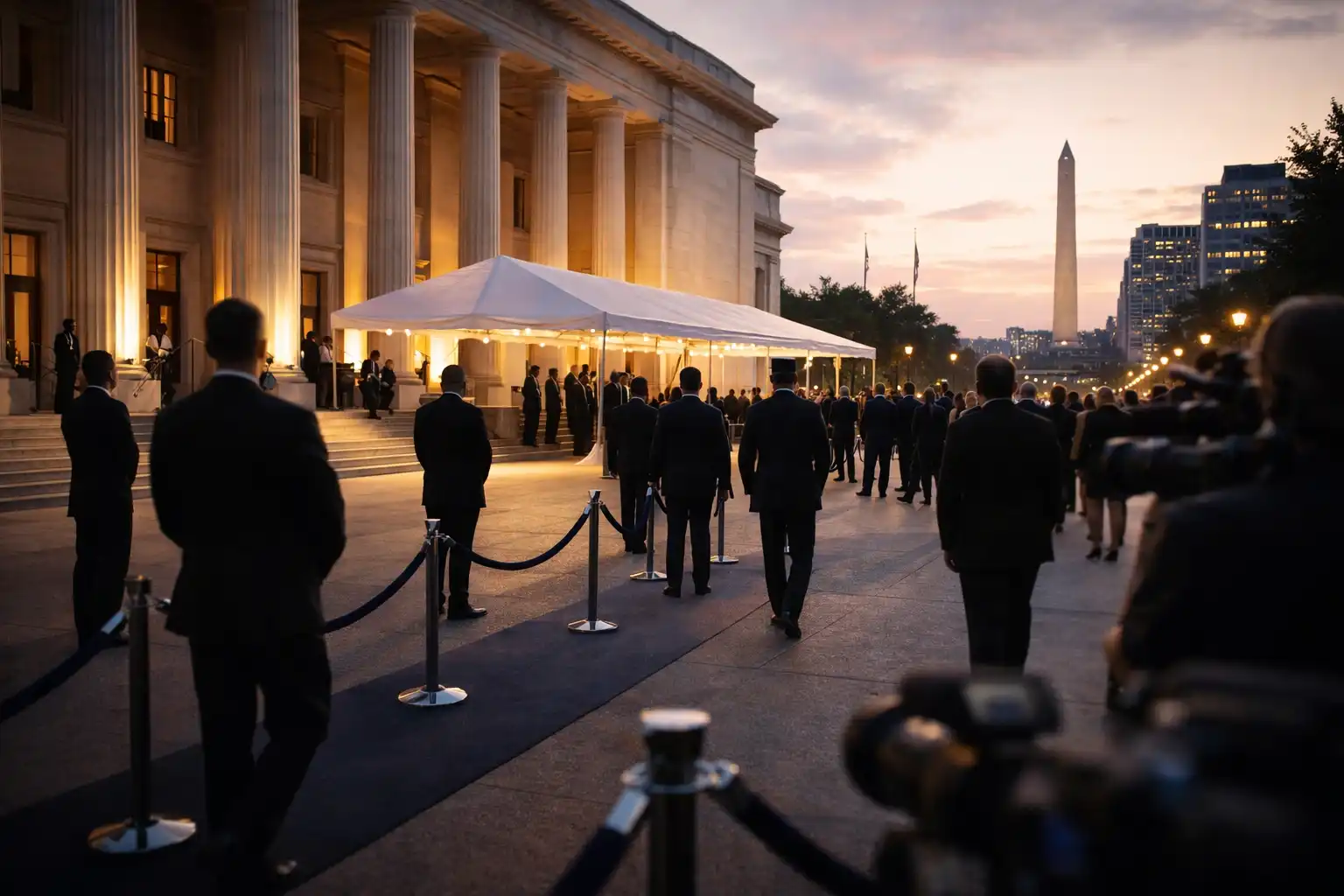
Staffing for diplomatic programs in Washington, DC has a unique operating reality: protocol is visible, access is layered, and reputation risk is immediate. The 2024 NATO Summit is a useful real-life reference point for how those pressures shape staffing design and set the ceiling for event staffing best practices. The United States hosted the summit in Washington, DC from July 9–11, 2024 () and convened all 32 Allies.
This case study is an observational analysis of event staffing best practices based on public documentation and public-facing operational signals. Event Staff did not staff this event. We are using it to isolate the systems that keep protocol-driven programs stable under scrutiny, then translate those systems into enterprise execution for corporate conferences, large trade shows, experiential activations, and premium event zones.
For Washington DC event staffing, the difference is made through role clarity, zone leadership, calm communication, and consistent handoffs. We will stay high-level and operational. This is not tactical security guidance. The focus is how staffing discipline shows up on the floor and how those same event staffing best practices can be applied without changing the tone of your event.
CEO Excerpt
“High-scrutiny events reward discipline that is designed into the staffing structure. You need role clarity across zones, supervisor coverage where guest perception is most sensitive, and a chain of command that resolves issues quietly. Washington, DC teaches the industry that staffing density is a control layer because it prevents improvisation under pressure. When a team can redeploy without drawing attention, keep VIP movement smooth, and maintain consistent language across check-in, holding, and room flow, you protect the experience that high-profile stakeholders expect.” - CEO, EventStaff
Diplomatic Events in Washington, DC
Common diplomatic event formats
Washington’s diplomatic ecosystem produces a consistent set of event formats, and each format changes what “good staffing” looks like.
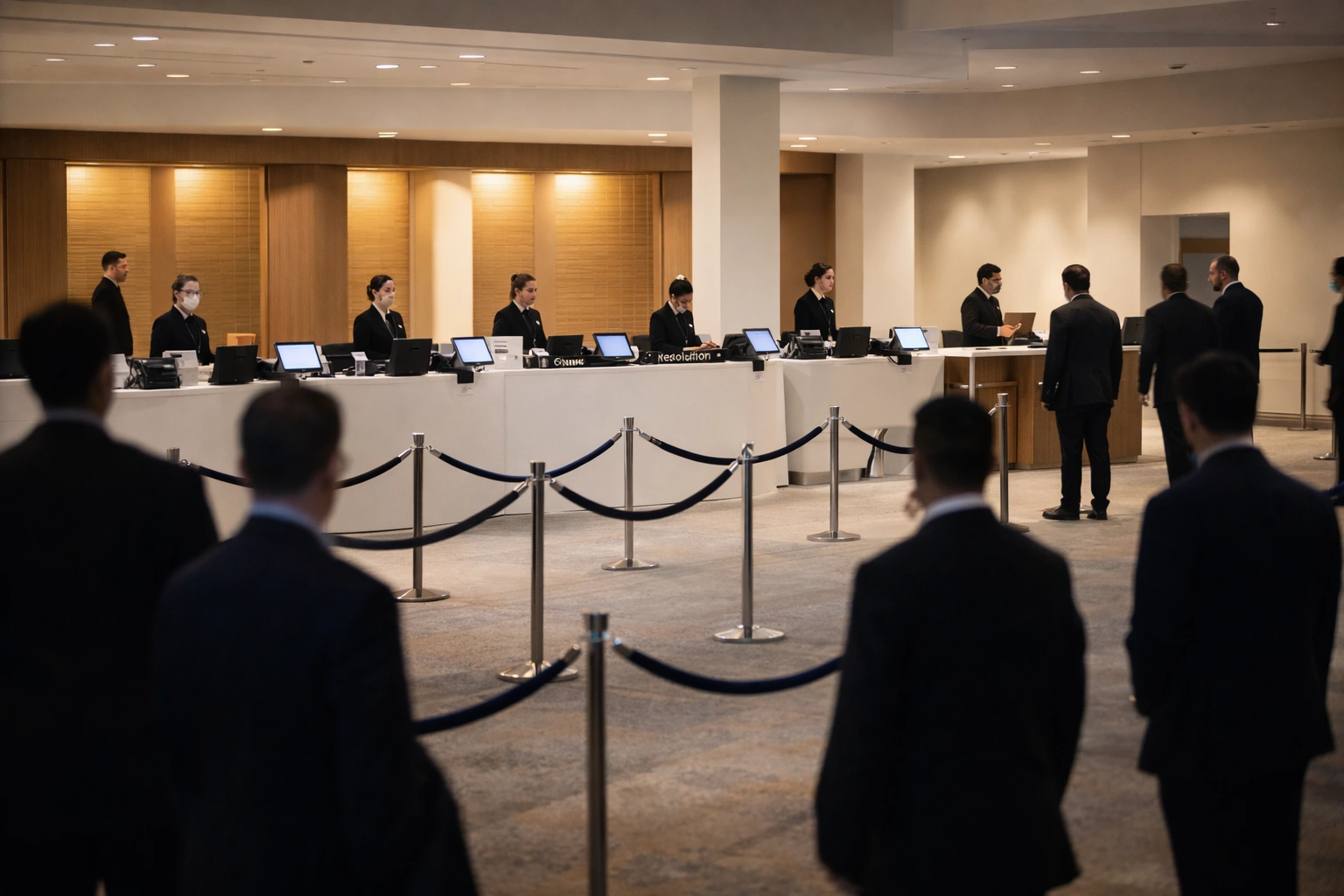
- Embassy receptions and hosted networking programs. Arrivals are highly visible and introductions can be protocol-sensitive. Staff need a consistent greeting and routing language so guests do not feel “sorted” in public, even when lists are layered. Performance is measured by how smoothly you handle name checks, title sensitivity, and quick redirections without slowing the front edge.
- Delegation programs and bilateral meeting days. These are transition-heavy and often run on tight blocks. Guests move through repeated handoffs, so one unclear instruction becomes repeated friction across the day. Strong staffing keeps movements predictable, protects timing, and uses a discreet escalation path when an exception appears.
- Forums and policy convenings. These create peak check-in periods and session turnovers. Multi-zone event staffing matters because verification, line management, and room flow are different jobs that peak at the same time. Staffing quality shows up in clean lines, fast exception routing, and sessions that start on time without staff motion becoming a distraction.
- Private briefings and closed sessions. These require discretion discipline and clean access logic. Staff should resolve access questions away from the door and avoid over-explaining in public spaces. Success looks like quiet control of entries, minimal disruption in the room, and steady transitions that feel natural to the participants.
Protocol and guest hierarchy
Protocol is operational. It shows up as arrival order, introductions, seating logic, and discretion standards that prevent staff from guessing in front of guests. That is why VIP event staffing at protocol-driven events relies on role clarity. Guests should not experience staff debating, searching for answers, or improvising who owns a decision.
Teams that perform well use consistent language and a consistent escalation path. They resolve exceptions in a private way, and they coordinate handoffs so guests experience continuity rather than being passed between staff with different answers.
Sensitive environments
Diplomatic environments often combine press visibility and privacy expectations. During the summit, NATO published structured information for accredited media, including collecting a media pass at an Accreditation Office and presenting valid national identification and press documentation .
The staffing lesson is behavioral. When access standards exist for one stakeholder group, the wider program tends to operate with similar discipline. Staff posture, voice level, and exception handling process all influence whether the event feels controlled.
The Real-Life Operating Model (2024 NATO Summit in Washington, DC)
Why this event is a strong case study anchor
The NATO Summit provides a strong reference point because its timing and scale are documented publicly. The White House fact sheet confirms the summit dates and the presence of all 32 Allies (https://bidenwhitehouse.archives.gov/briefing-room/statements-releases/2024/07/10/fact-sheet-the-2024-nato-summit-in-washington/).
It was also designated a National Special Security Event, as described in U.S. Secret Service public communications.
From a staffing lens, the lesson is about scrutiny, not spectacle. Multi-day programs with global leaders and nearby media tend to require tight credentialing workflows, controlled routing, and a strong chain of command. Those are event staffing best practices because they reduce variance across the operation.
Venue scale and why it changes staffing design
The Walter E. Washington Convention Center is a 2.3 million-square-foot facility () and it can host events for 500 to 42,000 attendees.
Even when a program is far smaller than that ceiling, the physical scale changes staffing design. Internal travel time matters. Guests can hesitate at junctions, enter the wrong lane, or arrive at a door that does not match their expectation. The staffing response is to protect transitions with zone ownership, visible but calm wayfinding, and supervisors positioned where confusion tends to show.
A practical way to think about this is handoff risk. Every handoff is a chance for inconsistency. The larger the footprint, the more handoffs exist, and the more important coordination becomes as a floor leadership function.
Multi-site reality and compressed access windows
The U.S. Secret Service release for the summit noted expected downtown impacts around locations including the Washington Convention Center, Carnegie Library, Mount Vernon Square, Mellon Auditorium, and around the White House Complex .
You do not need tactical detail to learn the staffing lesson. Multi-site programs increase dependencies between teams, compress arrival windows, and raise the cost of a mistake because the next zone is already under pressure. For staffing teams in Washington, DC, the practical answer is a clearer chain of command and faster confirmation loops.
Parallel programming pressure
The NATO Public Forum programme shows participant arrivals beginning at 7:00 and sessions starting at 09:00 on both Day 1 and Day 2.
Early arrivals concentrate risk at the most visible time of day. The system has not settled yet, guest expectations are high, and slow exception handling becomes a visible line problem. Teams that perform well treat morning arrival as its own operation with specific staffing density, clear scripts, and a private path for exceptions that keeps the front edge calm.
Staffing and logistics behind diplomatic events
Role specialization across zones
The clearest staffing difference at protocol-driven events is specialization. Zones should be defined by outcomes and owned by a lead. That structure limits improvisation and reduces visible confusion when the agenda shifts.
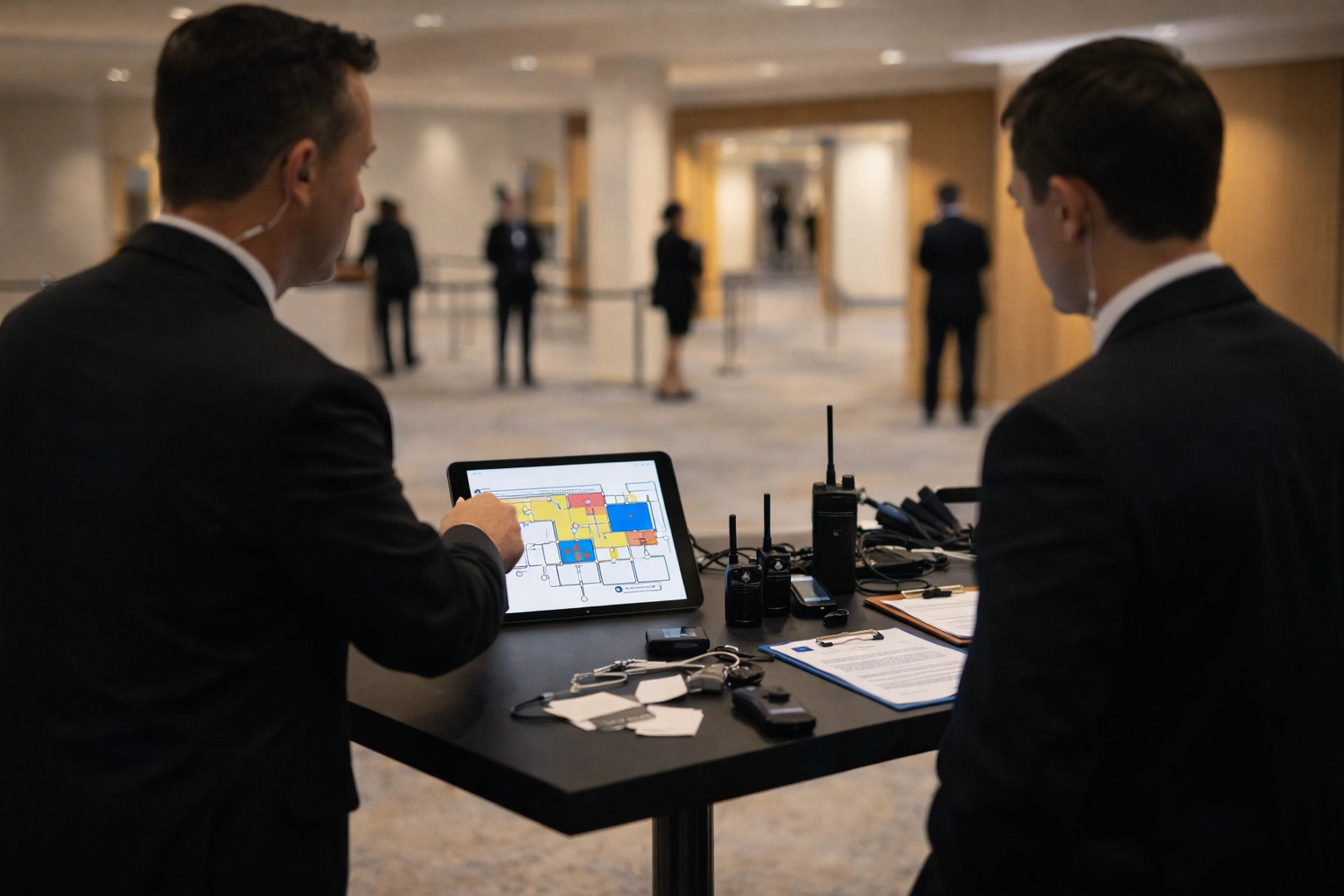
A practical zone model usually includes arrival coverage, verification ownership, a holding and liaison layer, room-flow coverage, and roving supervisors. The goal is not headcount everywhere. The goal is decision capability at the points where guest perception is most sensitive.
Event staff coordination belongs inside this zone model. If zone leads do not know what they own and how they escalate, the team ends up debating in public and the guest experience absorbs the delay.
Credentialing and access layers
Layered access is a workflow, not a single checkpoint. NATO’s public media guidance described pass collection and identification requirements.
The transferable lesson for secure event staffing is consistency. Staff need briefed language for verification moments, a defined path for exceptions, and a documentation habit so the same issue does not repeat at the next checkpoint. Guests notice variance immediately, especially when they are senior stakeholders.
VIP hospitality standards without disruption
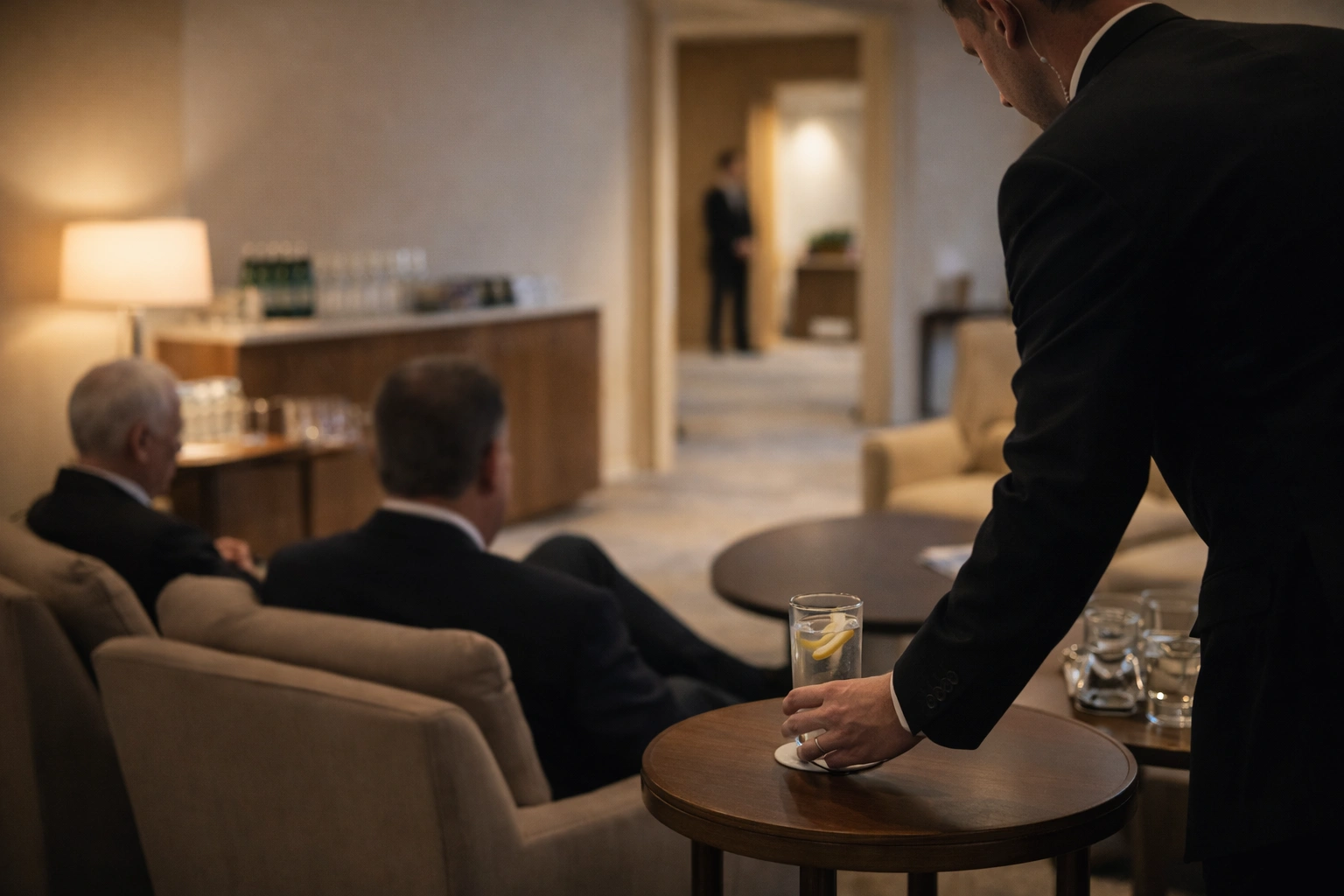
VIP hospitality at protocol-driven events is often judged by timing and restraint. VIP event staffing succeeds when staff maintain a steady service cadence, communicate quietly, and execute transitions without creating visible disruption. In high-scrutiny rooms, guests interpret disorder as weak control, even if the intent is helpful.
Interpreters, multilingual support, and cultural awareness
Washington’s diplomatic footprint increases the operational value of multilingual event staff, especially at arrivals, directional routing moments, and exception handling. The DC Office of International Affairs notes the city serves as the primary link to 177 embassies and two special interest sections (https://os.dc.gov/service/office-international-affairs).
When language support is available, guests move faster and staff can keep communication short and precise. That reduces friction and supports consistent execution.
Media and photography constraints
Press proximity changes staff posture expectations. The same NATO guidance that describes pass collection and identification signals a disciplined environment where staff should protect privacy and avoid informal commentary.
Real-time coordination in high-pressure environments
Zone leads and chain of command
Events of national and international significance require cross-stakeholder alignment. MPD’s summit advisory referenced multiple agencies providing security for the event, including MPD and federal partners.
A staffing team cannot control every stakeholder. It can control its own chain of command. Event staff coordination should be designed as a floor system: a zone lead for each area, a roaming lead who protects coverage during change, and a single escalation point for exceptions. When decision rights are clear, staff do not hesitate in public.
Last-minute schedule shifts
Protocol-driven programs often shift on short notice. Arrivals move, meetings run long, room needs change. The test is whether staff absorb change without showing it. The best teams pre-brief likely change scenarios and keep coverage stable by moving backups first, then shifting primary staff after the zone is protected.
Rapid redeployment without visible chaos
During the summit period, DC’s emergency management agency promoted real-time alert signups by texting NATODC to 888-777 (https://hsema.dc.gov/release/mayor-bowser-and-federal-partners-release-traffic-plan-security-map-2024-nato-summit).
That kind of messaging reflects a dynamic environment. The staffing response is a calm redeployment method: replace coverage before moving staff, keep movement routes short and unobtrusive, and confirm assignments quickly with zone leads. This is where multi-zone event staffing protects optics, because each zone can stay stable while staff shift behind the scenes.
Coordination with venue teams and public safety stakeholders
The U.S. Secret Service noted that a public security map and comprehensive traffic plan were available, referencing nsse.dc.gov (https://www.secretservice.gov/newsroom/releases/2024/07/traffic-plan-security-map-released-2024-nato-summit).
The staffing lesson is coordination culture, not tactical detail. Teams perform better when they align early on handoffs, language, and documentation. Staff who use consistent language reduce confusion for guests and for stakeholders.
Staffing insights from diplomatic operating models
Protocol discipline as a staffing system
Protocol discipline becomes repeatable when it is built into briefings and scripts. Staff need clear language for the moments that most often create friction: arrivals, verification exceptions, holding communication, and session transitions.
The summit’s NSSE designation, discussed publicly by the U.S. Secret Service (https://www.secretservice.gov/newsroom/releases/2024/06/us-secret-service-and-partners-discuss-security-impacts-ahead-nato-summit), reflects an environment where planning and scrutiny increase.
For Event Staff, the transferable practice is to brief scripts and escalation routes, then reinforce them with supervisor coverage at high-risk touchpoints. These are event staffing best practices because they protect consistency when pressure rises.
Training for accuracy and discretion
Discretion is operational behavior. It is voice level, word choice, and a habit of resolving issues without narrating the mechanics to guests. Secure event staffing improves when every staff member shares the same standard for how to speak, where to escalate, and what to avoid in public spaces.
Multilingual event staff also support discretion. When staff can communicate clearly and briefly across languages, exceptions are resolved faster and with less attention.
Managing fatigue on multi-day programs
Multi-day programs create performance drift. The 2024 NATO Summit ran across multiple days in Washington, DC (https://bidenwhitehouse.archives.gov/briefing-room/statements-releases/2024/07/10/fact-sheet-the-2024-nato-summit-in-washington/).
Fatigue management is staffing design. Rotations, relief coverage, and supervisor check-ins prevent small errors that appear late in the day when schedules compress. The zones with the highest reputational exposure, arrivals, verification, holding, and transitions, should have consistent decision-makers backed by alternates briefed to the same standard.
Why pre-vetted, experienced staff matter more here
Protocol-driven environments punish variance. Experience reduces improvisation, improves escalation discipline, and keeps tone stable under pressure. That is why supervisor coverage matters as much as guest-facing warmth. In high-scrutiny settings, calm accuracy is the service.

Applying diplomatic staffing systems to other events: event staffing best practices you can scale
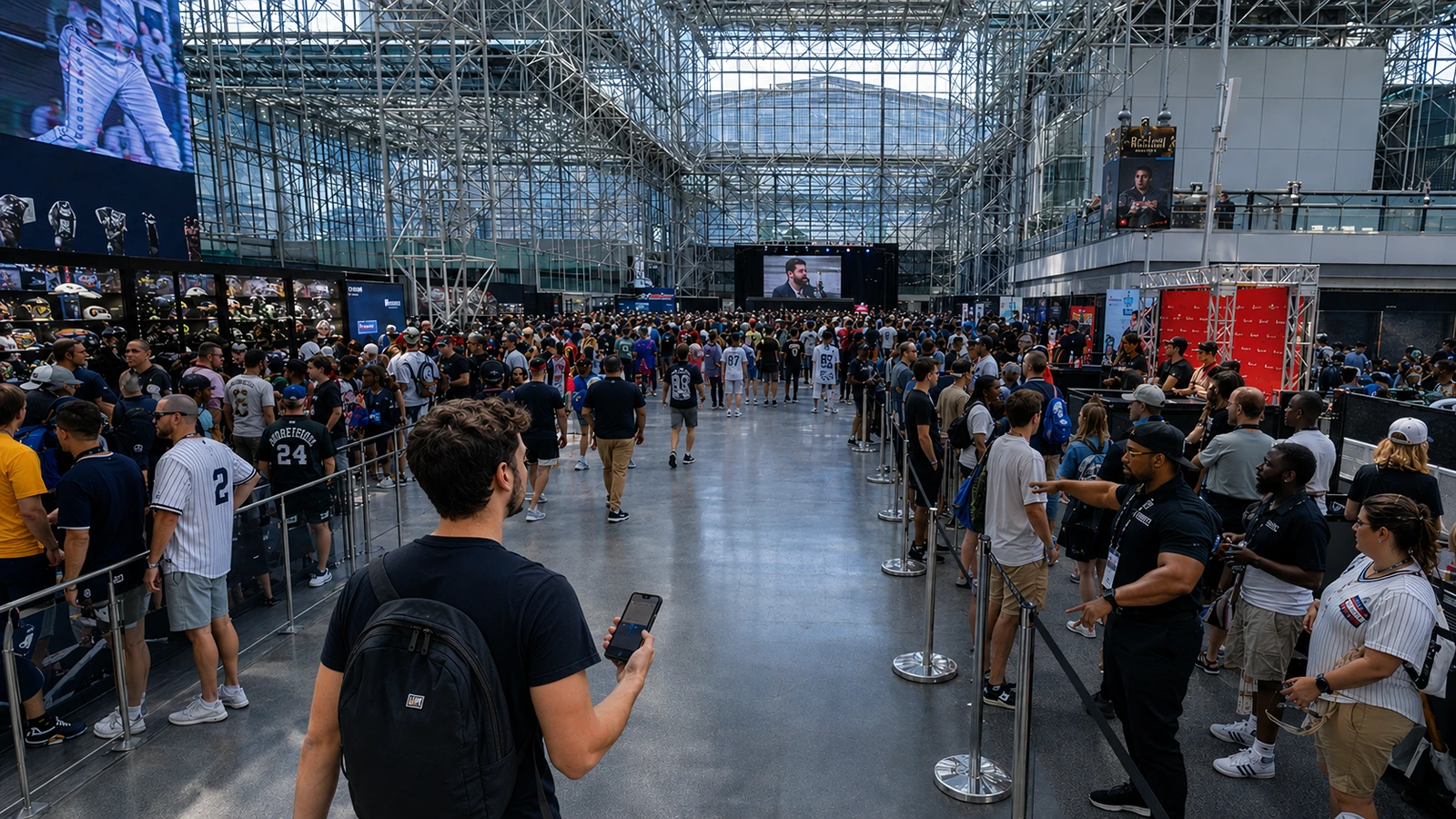
Diplomatic operating models translate well to enterprise programs because the underlying demands are similar: layered access, stakeholder optics, compressed timelines, and VIP movement that must stay smooth.
Corporate conferences
Corporate conferences borrow the diplomatic model through defined arrivals, controlled routing for executives, and supervisor coverage at transitions. VIP event staffing is effective here when it protects the executive experience without interrupting the broader audience, especially during arrival waves, keynote transitions, and sponsor moments.
Event staff coordination becomes the difference between a smooth keynote changeover and a visible delay that pushes the agenda and affects sponsor value.
Large trade shows
Trade shows borrow the diplomatic model by treating credential tiers as a workflow, not a single checkpoint. Multi-zone event staffing helps by separating verification from line management and room flow. When backtracking drops, booth optics improve and sponsor stakeholders experience less friction.
Brand activations
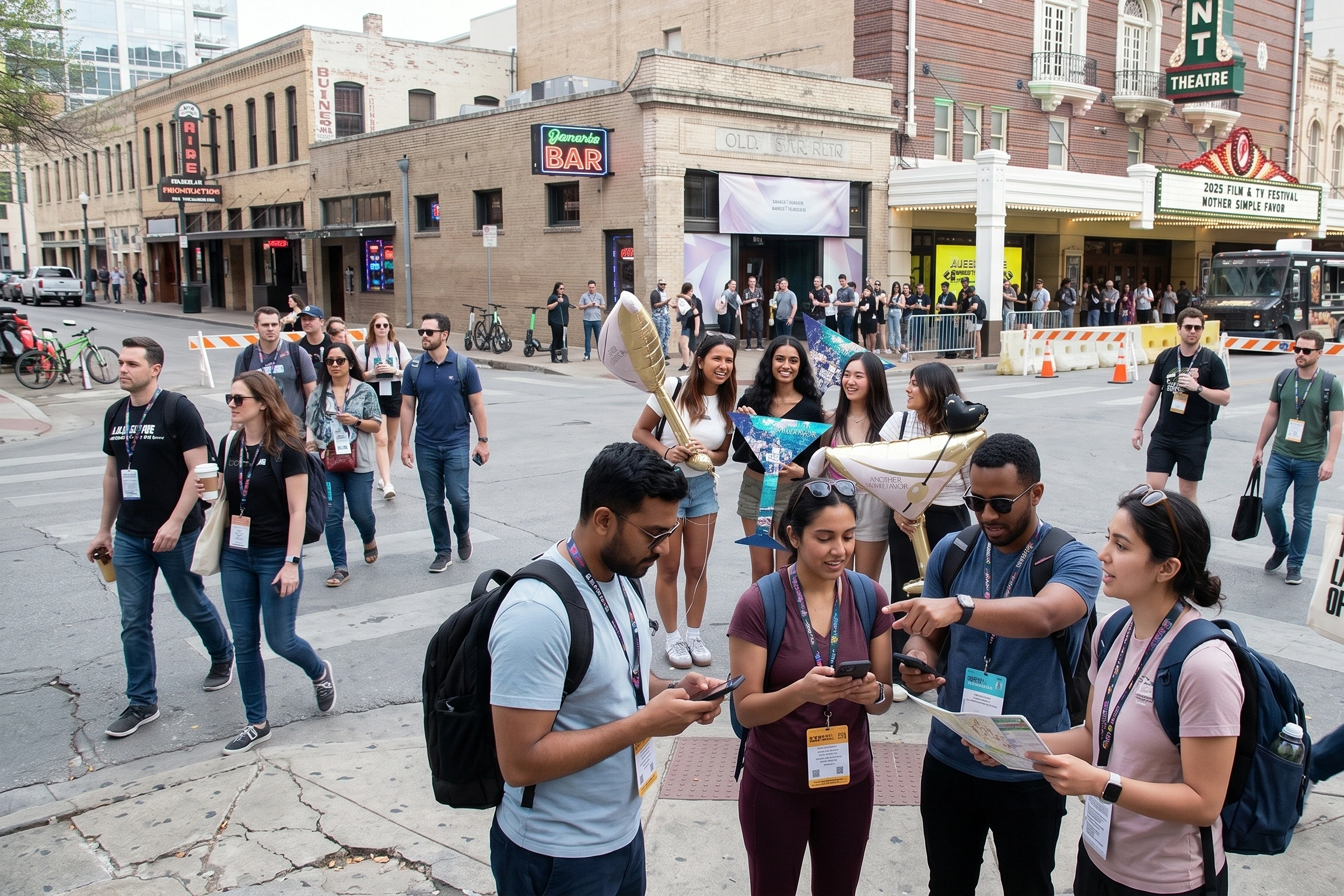
Activations borrow the diplomatic model through optics discipline. Calm line control, short and clear guest communication, and discreet exception handling protect the brand experience. Multilingual event staff are often a performance lever because they reduce misunderstanding at the entry edge and improve flow in diverse audience environments.
Sporting and entertainment events
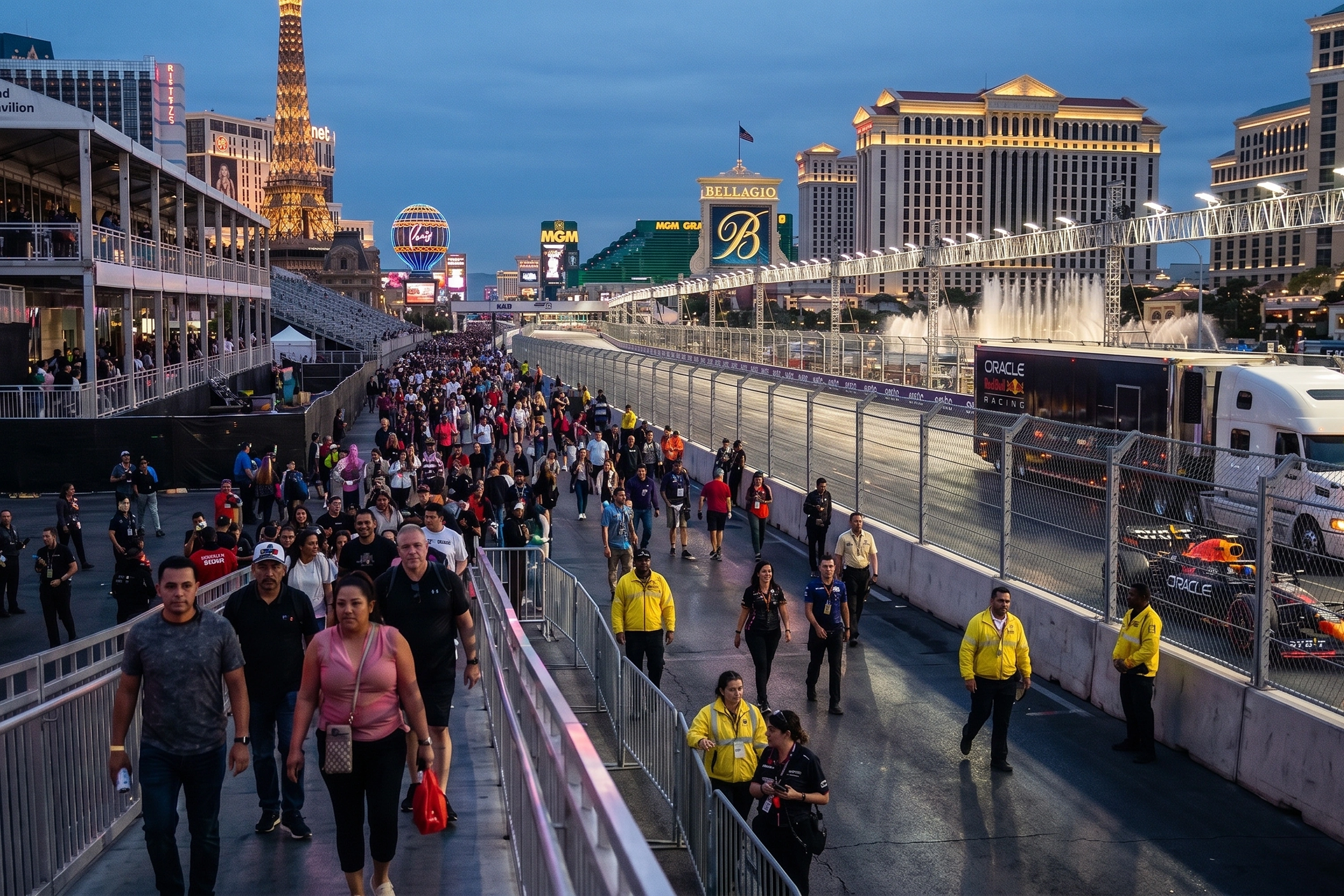
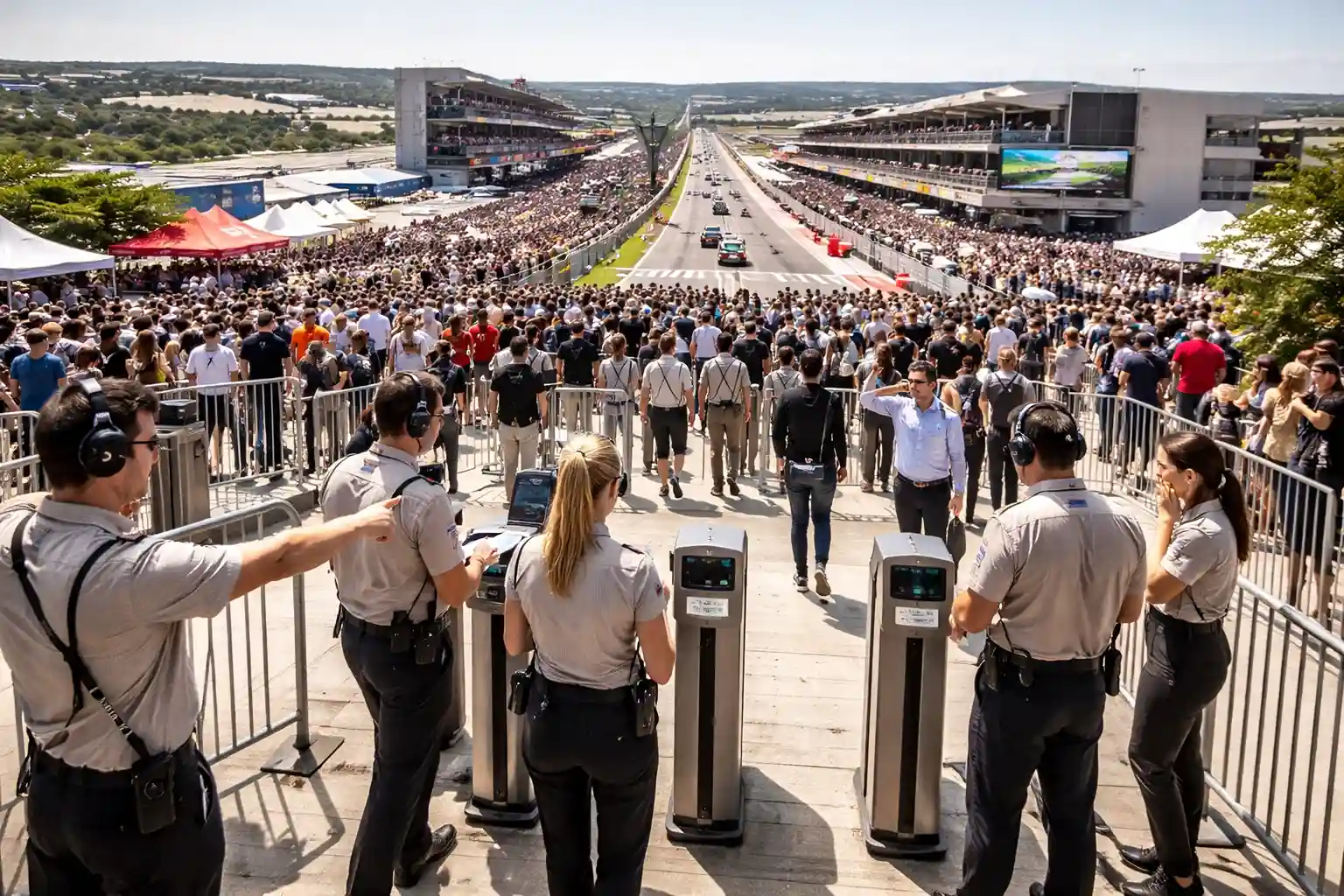
Premium zones at sports and entertainment events borrow the diplomatic model through access tiers, controlled routing, and rapid response to crowd waves. VIP event staffing principles protect guest confidence by keeping premium arrivals and transitions steady even when the surrounding environment is busy.
Local Authority Section – Why Washington, DC demands elite staffing
Why Washington, DC is unique for high-stakes events
Washington, DC’s diplomatic density shapes expectations for staff behavior. The District’s Office of International Affairs describes the scale of the diplomatic community and the presence of 177 embassies and two special interest sections.
That environment makes Washington DC event staffing more sensitive to protocol and discretion, even for corporate programs. In diplomatic event staffing, guests notice inconsistency quickly and interpret it as weak preparation.
Venue and neighborhood reality
The downtown corridor around Mount Vernon Square and the convention center zone experiences intense arrival-window pressure during high-profile weeks. MPD’s summit advisory reflects the cross-agency footprint involved in managing conditions during the summit.
Operationally, that reality increases the value of a staffing plan that reduces backtracking, uses supervisors at the front edge, and protects transitions with consistent handoffs.
Why staffing precision protects optics here
In DC, guests often judge competence through the absence of friction. When an environment can shift, real-time communication matters. The District encouraged alerts by texting NATODC to 888-777.
The staffing translation is straightforward. Precision is a system: clear zone ownership, briefed language, supervisor coverage, and calm redeployment. Strong event staff coordination keeps the guest-facing layer steady when arrival timing, access flow, or room sequencing changes.
Bottom Line / Final Words
The 2024 NATO Summit in Washington, DC provides a real-life operating model for diplomatic event staffing because it combines protocol pressure, layered access, multi-site coordination, and high scrutiny. The United States hosted the summit July 9–11, 2024 and convened all 32 Allies.
The event staffing best practices that transfer are consistent: protocol discipline built into briefings and scripts, role clarity across zones, strong zone leadership, calm redeployment, and clear discretion standards. Event Staff did not staff this event. As an observational case study, it still shows how we would design Washington DC event staffing and other high-scrutiny programs, with steady communication, defined handoffs, and leadership coverage that keeps guest experience stable.