

Event staff do far more than greet guests at the door. Depending on the event, they may handle registration, wayfinding, hospitality, brand activation support, crowd flow, vendor assistance, and real-time coordination with organizers.
At corporate conferences, event staff help attendees check in, find sessions, navigate the venue, and interact with sponsors. At festivals and other large public events, teams may manage entry points, direct guest movement, support activity areas, and provide assistance across large event grounds.
The right staffing plan depends on more than attendee count. Venue layout, event format, guest arrival patterns, number of activities, service expectations, and the level of guest interaction all affect how many staff you need and which roles should be assigned.
This guide explains what event staff actually do at corporate events and festivals, the most common staffing roles, and how organizers can determine the right level of coverage for a successful event.
Executive Summary
Event staff play a vital role in keeping corporate events, festivals, and large gatherings organized and guest-focused.
Their responsibilities can include registration, wayfinding, hospitality, brand activation support, crowd flow, and on-site coordination.
The right staffing plan depends on attendee numbers, venue size, event complexity, and guest interaction requirements.
This guide explains common event staff roles and how organizers can plan the right team for a successful event.
What Event Staff Do at Corporate Events
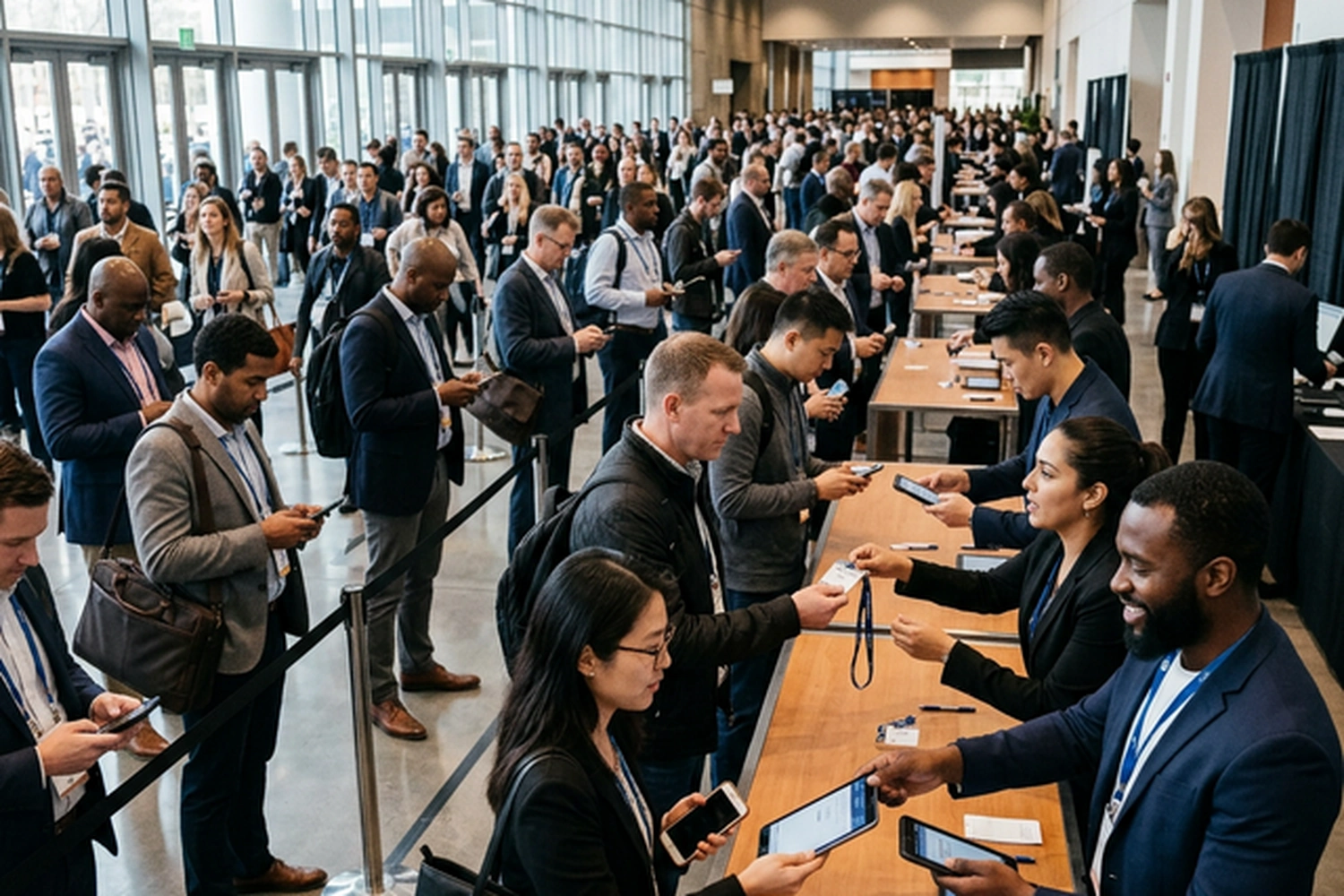
Corporate gatherings such as conferences, brand activations, and company summits require a structured environment where attendees can move easily between sessions and activities. Event staff help organizers maintain that structure while ensuring guests feel welcomed and supported.
• Managing guest registration and check-in
One of the most visible responsibilities of event staff at corporate events is handling registration. Staff assist with badge distribution, confirm attendee credentials, and guide guests through digital check-in systems. When large groups arrive simultaneously or attendees require assistance with registration changes, experienced event staff help resolve those situations quickly so the process remains efficient.
• Guiding attendees through the venue
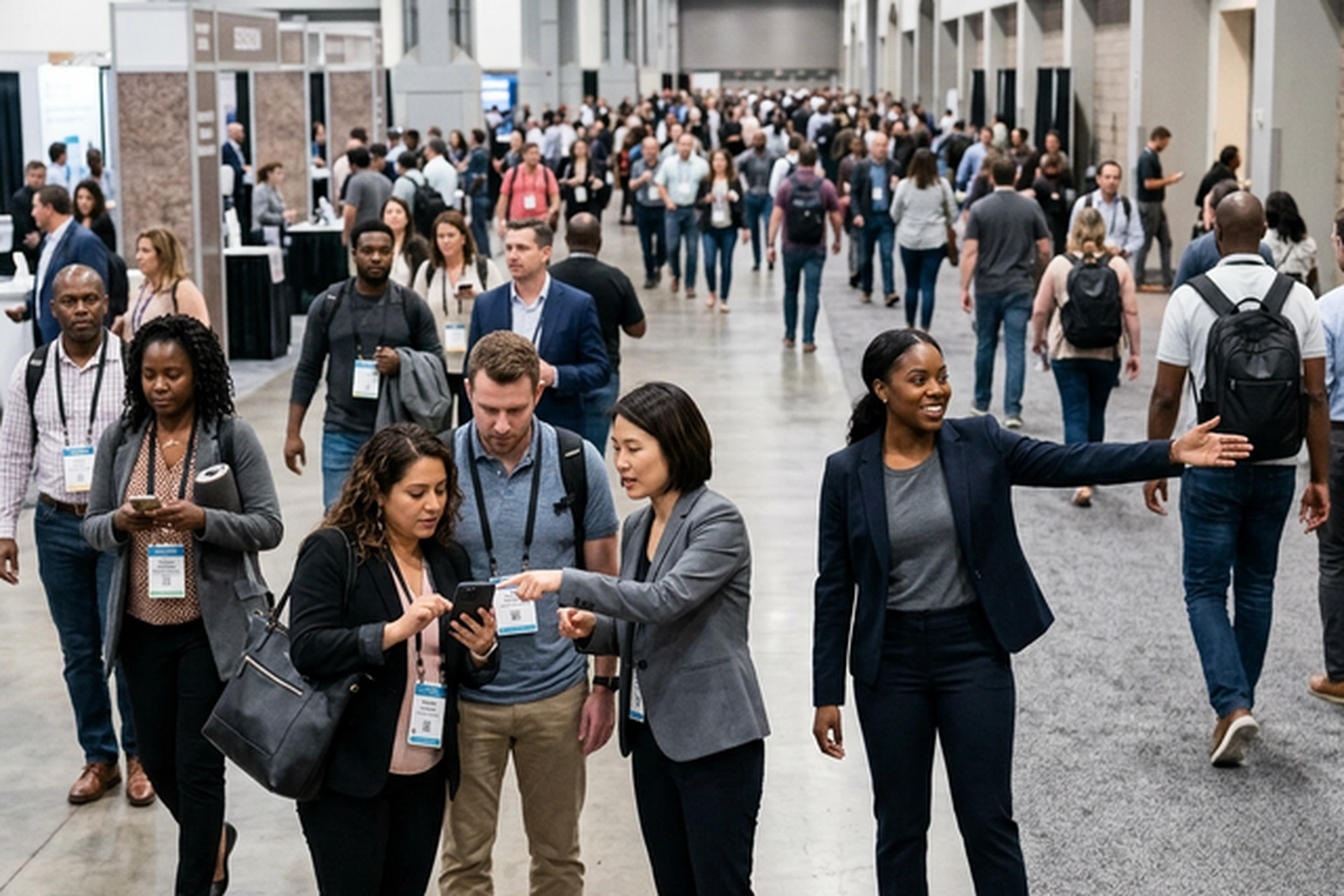
Corporate events often take place in large convention centers or hotels with multiple meeting rooms and networking areas. Event staff help guests navigate these spaces by directing them to sessions, providing program information, and assisting attendees who may be unfamiliar with the venue layout. This support keeps traffic moving smoothly and prevents confusion during busy transition periods.
• Supporting brand activations and sponsor engagement
Many corporate events include sponsor booths, product demonstrations, or interactive brand experiences. Event staff assist guests at these areas by welcoming attendees, explaining the purpose of the activation, and encouraging participation. Their role helps sponsors connect with guests while maintaining the professional atmosphere expected at corporate gatherings.
• Coordinating logistics with organizers and venue teams
Event staff also assist with operational coordination throughout the event. They help manage room transitions between sessions, communicate schedule updates to attendees, and support organizers when adjustments are needed during the program. Their presence ensures that changes happen smoothly without disrupting the overall event experience.
Corporate events continue to grow in complexity. According to the Events Industry Council, large conferences often involve multiple simultaneous sessions, interactive experiences, and guest services operating at once. Event staff help maintain the structure needed to keep these environments organized.
What Festival Staff Handle at Large Public Events
Public festivals present a very different operational environment. Instead of structured programs and scheduled sessions, festivals involve large crowds moving between stages, vendor areas, and entertainment zones throughout the day. Festival staff help manage this dynamic environment while ensuring guests feel comfortable and supported.
• Managing entry gates and attendee flow
Festivals often experience heavy arrival periods when thousands of attendees enter within a short time frame. Festival staff assist with scanning tickets, guiding attendees through entry points, and directing guests toward the correct areas inside the venue. Their work helps maintain steady lines and prevents congestion at the entrances.
• Providing attendee assistance across large venues
Large festivals typically span wide areas that may include multiple stages, food zones, sponsor activations, and activity spaces. Festival staff help guests find the locations they are looking for, answer questions about the event schedule, and guide attendees toward information points if additional assistance is needed.
• Supporting vendors and activity areas
Food vendors, merchandise stands, and brand activations are central parts of many festivals. Festival staff assist with maintaining organized activity zones, helping vendors communicate with event organizers when needed, and ensuring guests can move easily through these areas even during busy periods.
• Helping maintain a safe and comfortable environment
Large crowds require constant attention to movement and space management. Festival staff observe how attendees move through the venue and help guide guests toward less crowded pathways when necessary. Their presence helps prevent congestion and supports a positive environment for everyone attending.
Organizations such as the International Association of Venue Managers emphasize that large public events require coordinated staffing to manage guest services and attendee flow effectively. Festival staff help fulfill that role on the ground during live events.

Types of Event Staff Commonly Used at Large Events
Although attendees may see a single group of event staff, large events usually involve several specialized roles working together to support different aspects of the program.
• Brand ambassadors
Brand ambassadors represent sponsors or partners during an event. They interact directly with guests, introduce products or campaigns, and encourage attendees to participate in experiential marketing activities. Their role helps sponsors create meaningful engagement with attendees.
• Event servers and hospitality staff
Food and beverage service plays an important role at many corporate gatherings and VIP festival areas. Event servers assist with hospitality service, maintain organized food and beverage stations, and help ensure that guests receive prompt service during busy periods.
• Greeters and guest support staff
Greeters are often positioned near entrances or information areas where guests first arrive. They welcome attendees, answer basic questions, and guide guests toward registration desks or event activities. This early interaction helps create a positive first impression for guests entering the event.
• Production assistants
Production assistants support the operational side of the event by working with organizers and production teams. They assist with schedule coordination, help presenters prepare for stage appearances, and support backstage logistics that allow the event program to run smoothly.
Each of these roles contributes to the overall success of the event by supporting both guest experience and operational coordination.
CEO Excerpt
“Over the years, we’ve seen that the difference between a stressful event and a smooth one often comes down to the people managing the floor. Experienced teams anticipate issues, guide guests naturally, and keep operations organized even when crowds grow or schedules shift. When the right event staff are in place, organizers can focus on delivering the experience they envisioned.”
— CEO, Event Staff
How Experienced Event Staff Support Successful Events
Regardless of whether the event is a corporate conference or a public festival, experienced event staff play a consistent role in helping organizers deliver a well-managed guest experience.
• Maintaining clear guest pathways and organized spaces
Large events require careful attention to how attendees move through the venue. Event staff guide guests toward entrances, stages, or session rooms and help prevent congestion in busy areas. Their awareness of the venue layout helps maintain a comfortable flow throughout the event.
• Responding quickly to operational changes
Live events rarely follow the exact plan created during the early planning stages. Schedule adjustments, unexpected weather, or guest needs may require organizers to adapt quickly. Event staff help communicate updates and assist with adjustments so that guests remain informed and the program continues smoothly.
• Providing consistent guest support throughout the event
Guests often need assistance finding rooms, understanding the event schedule, or resolving small issues during the program. Event staff help answer these questions quickly, ensuring that attendees feel supported while navigating the event.
• Protecting the overall event atmosphere
Attendees often remember how an event felt rather than every specific detail. When event staff help maintain a welcoming and organized environment, guests are more likely to enjoy the experience and view the event positively.

How We Deliver for Corporate Events and Festivals
At Event Staff, our teams are trained to operate comfortably across both structured corporate environments and large public gatherings. While the operational demands of each event type differ, the goal remains the same: ensuring that organizers can focus on the program while guests enjoy a smooth and welcoming experience.
• Training teams for different event environments
Corporate conferences and large festivals require different types of preparation. Our event staff are trained to adapt to both environments, whether supporting a structured program with scheduled sessions or helping manage the movement of large festival crowds.
• Preparing staff for high-volume guest interaction
Large events often involve thousands of attendees moving through venues at the same time. Our teams are prepared to assist guests efficiently, answer questions quickly, and help attendees navigate the event environment without creating delays or confusion.
• Supporting organizers with on-site coordination
Event organizers frequently rely on staff to assist with real-time coordination during the event. Our teams communicate with organizers and venue personnel to ensure that schedule adjustments, guest needs, and operational updates are handled smoothly throughout the program.
• Maintaining consistent guest experience standards
Whether the event is a professional conference or a public festival, our staff focus on maintaining a welcoming environment for attendees. By assisting guests promptly and helping maintain organized event spaces, our teams contribute to a positive experience for everyone attending.
How Event Organizers Decide How Many Event Staff to Hire
One of the most common planning questions organizers face is how many event staff they need to support their event effectively. The answer depends on several key factors.
• Guest count and venue size
The number of attendees and the physical size of the venue are two of the most important considerations. Larger venues with multiple stages or session rooms typically require additional staff to ensure guests receive assistance across the entire event space.
• Program complexity and number of activities
Events that involve several sessions, performances, or brand activations often require staff to help coordinate transitions between activities. Event staff help guide guests between locations and support organizers in managing schedule changes.
• Level of guest interaction required
Some events emphasize networking, demonstrations, or guest engagement activities that require more interaction between staff and attendees. These environments often benefit from larger staffing teams to maintain smooth guest experiences.
Organizations such as Meeting Professionals International recommend aligning staffing levels with both operational requirements and attendee experience goals during the planning process.
Final Words
Behind every successful event is a team working quietly to keep operations organized and guests supported. Professional event staff help maintain the structure that allows conferences, festivals, and brand activations to run smoothly from start to finish.
From assisting guests during corporate events to helping manage large crowds with experienced festival staff, trained teams contribute to the overall success of the event experience. When the right event staff are in place, organizers can focus on delivering meaningful programs while attendees enjoy an organized and welcoming environment.
Ready to elevate your next event?
Join thousands of event planners who trust EventStaff.com for reliable, professional staffing solutions.
Trusted by event professionals nationwide
1k+
Events Staffed
2 million+
Guests Served
97%
Positive reviews


.webp)
.jpg)