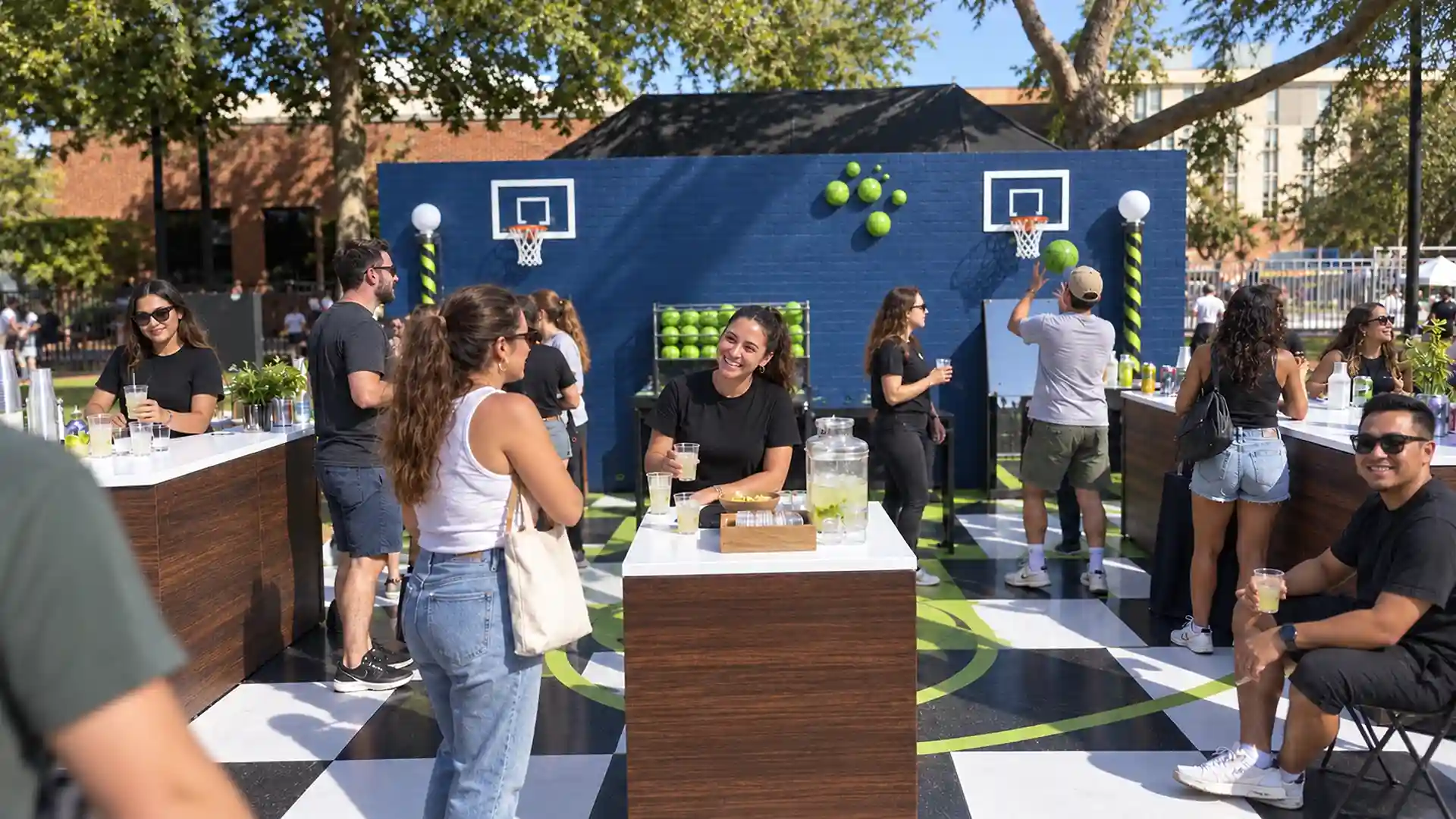

Your sponsor activation decides whether the money you put into a sponsorship turns into real conversations or a logo nobody remembers. The contract’s signed, the space is yours, and now you need something people will actually stop for. It’s worth getting right, because the 2025 Freeman trust report found 95% of attendees trust a brand more after meeting it at an in-person event. The Harris Poll ran that survey for Freeman, which sells event services, so weigh it with that in mind.
Most idea lists are sports-only or a mix of famous one-offs, so this one’s sorted by the event you’re sponsoring, with a real brand, a number and the crew behind each idea.
Executive Summary
A sponsor activation turns a paid sponsorship into something attendees can do, so your brand earns their attention on site. Below are nine ideas grouped by event type: conferences and trade shows, music festivals, marathons and sports. Each one has a real 2025 or 2026 example, a number and who runs it.
What a sponsor activation is and how it works
A sponsor activation is anything a sponsor does at an event that gets people to interact with the brand, going past a logo on a banner or a program. You’ll also hear it called sponsorship activation, and it sits inside the wider world of brand activation. The sponsorship deal buys you the right to be there, and the activation is your plan for what happens in that space once the doors open, which is where most of the value gets made or lost.
Every idea in this guide works because it gets three things right:
• A reason to stop that fits the attendee’s moment, like sunscreen at a hot festival or a quick demo between conference sessions
• People who can run it, meaning staff who know the brand well enough to answer a real question and keep a line moving
• A way to count it, such as badge scans, email sign-ups or samples handed out, agreed before the event starts
The second point matters more than most sponsors expect. If 95% of attendees trust a brand more after meeting it in person, the person they meet is the one building that trust, so a well-briefed team is what turns foot traffic into conversations.
CEO Excerpt
Sponsors spend months on the idea and a couple of days on the people who’ll run it, and it’s usually the people who decide whether anyone stops. Pick the activation that fits the moment in the attendee’s day, whether they’re queuing for a bib, killing time between sessions or waiting for a headliner. Then brief your team on why it exists, so they can explain it in their own words. -- "Daniel M., CEO, Event Staff"
Sponsor activation ideas for conferences and trade shows
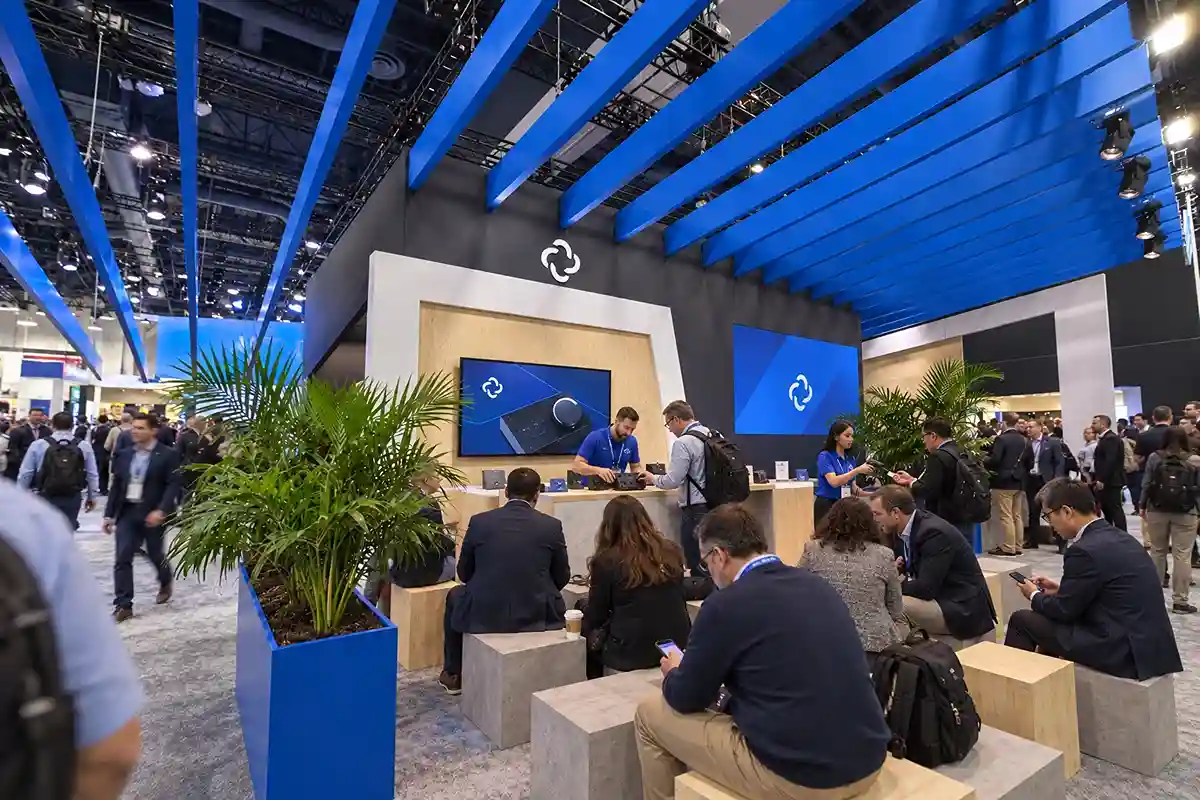
At a big trade show, every sponsor is competing for the attention of the same people walking the aisles. The CES 2026 audit counted 148,392 attendees and more than 4,100 exhibitors, about 36 people for every exhibitor. Attendees visit plenty of booths, so treat that as a rough ratio, but it show show little time you get with each person. More than half of those attendees(52%) were senior executives, so the person stopping at your booth may be the one who approves the budget. The two ideas below help with both: making the most of a short visit, and getting real time with senior buyers.

1. Hands-on product demos at the booth
Most visitors are heading from one meeting to the next, so the demo has to make its point in under a minute. Hitachi built 10 demo stations across a two-floor booth at CES 2026 and gave visitors chip tokens they could swap for swag. The tokens kept people moving from station to station, deeper into the booth. According to BizBash, it logged more than 2,100 badge scans, where staff scan a visitor’s name badge to save their details, and over 50 confirmed business conversations.
That’s roughly one business conversation for every 40 scans. Scans tell you how many people stopped, while those conversations tell you who’s worth a follow-up call. To get more of the second kind:
• Keep each demo short enough to finish before someone reaches for their phone
• End every demo with one question that shows whether they could buy, such as their role or when they plan to buy, and note the answer with their details
• Put your best sales person at the last station, where the most interested visitors end up
Who runs it: product reps for the technical questions, trained booth staff to pull people in and run the tokens, and a lead who reviews the scan notes each evening.
2. A hosted lounge or private suite
Senior buyers rarely want to talk budgets over a noisy demo, so many big sponsors move the conversation out of the exhibition hall. At CES 2026, the Female Quotient ran its FQ Lounge at Aria for the 13th year with hair and makeup, a coffee bar and a content studio, while Experian and PayPal Ads turned Aria suites into calm spaces with room for private meetings. The service gets people through the door, and the quiet keeps them there long enough to talk properly.
The trade-off is volume, since you’ll meet far fewer people than you would at the booth. A lounge pays off when you know who you want in it, so book meetings ahead, hold a few walk-in slots for visitors your booth team flags, and log every guest. Who runs it: hosts who greet and seat guests, and a lead who collects contact details and passes the most interested people to your sales team before the show ends.
Sponsor activation ideas for music festivals
Lollapalooza 2026 drew about 115,000 people a day to Chicago’s Grant Park over four days, according to BizBash, and dozens of brands activated in and around the park. Festival crowds have hours to kill between sets, so they’ll give you more time than any trade show visitor will. Your first decision is who the activation is for, because a space only your customers can enter rewards the people you already have, while an open one puts you in front of new people. The three ideas below work well as a sequence: reward your customers, win new ones, then keep the conversation going after the gates close.
3. Customer-only perks and viewing areas
T-Mobile’s Club Magenta let members charge their phones and grab drinks, and a gumball machine handed out after show tickets and side-stage wristbands. Snapchat built a viewing deck above Perry’s, one of the festival’s main stages, that fans entered by showing the app. Both fix a real festival problem, a dead phone or a bad view, for people who already use the brand, and they do it in full sight of everyone else. That visible perk is your pitch to non-customers, so make joining easy at the door. If someone can download the app or sign up in under a minute, the line to get in becomes a place to win new customers.
BizBash doesn’t report results, so track your own entries and door sign-ups. Who runs it: hosts at the entrance who check access quickly and politely and handle sign-ups, plus guest services inside.
4. Sampling that solves a problemon the spot
Neutrogena, Lollapalooza’s first skincare and sun care sponsor, ran six sunscreen stations that handed out 180 gallons of SPF 70 over the weekend, which is a lot of sunburns avoided in one park. It worked because the product matched the moment, a crowd standing in the July sun all day. Pick a sample that fixes something attendees feel right then, whether that’s heat, thirst or sore feet.
The catch is that open sampling reaches plenty of new people, and you’ll know nothing about most of them unless you ask. Add a simple way to collect contact details, such as a QR code people scan for a full-size product or a discount, and count samples against sign-ups each day. Brand ambassadors and trained festival staff keep the line moving and the conversation going.
5. Events beyond the festival gates
When the music stops at night, your audience is still in town and looking for something to do. NYX hosted Nylon Nights at Carbon, and Tito’s ran a brunch, so both brands reached fans in a smaller, calmer setting away from the main stages. Build the guestlist from the people who gave you their email in the park. Event hosts run the door, street teams bring in people from nearby streets, and if you’re activating in Chicago, local brand ambassadors who know the neighborhoods help fill the room.
Sponsor activation ideas for marathons and community runs
The 2025 TCS New York City Marathon set a world record with 59,226 finishers, according to Marathons.com, and about 2million spectators lined the course, roughly 34 for every runner. The spectator count is an estimate, but the point holds: a marathon gives you two audiences on two different schedules. Runners have time at the expo, the event where they collect their race packs before the race, and in the day after it, while spectators stand on the course for hours on race morning. Each idea below is built for one of those times. The NYC examples come from 2025 race week, since the 2026 race runs on November 1.

6. A prize game at the race expo
Every runner has to collect a bib, their race number, at the expo, so a quick game meets them while they’re excited and not yet rushed. Mastercard ran a spin wheel at the 2025 NYC expo with 2026 race entries among the prizes, as listed in the NYRR release. The running prize is what makes it work, because it pulls in exactly the people the brand wants and shows it understands their world.
Chicago’s 2025 marathon expo had more than 157,000 unique visitors over three days, according to the race’s sponsor page, so a game that takes two minutes per person will build a queue fast. A few ways to plan for that:
• Keep each spin under a minute and collect details while people wait in line
• Staff in shifts and add people when the line grows at peak hours
• Mix in small instant prizes so everyone leaves with something branded
Who runs it: brand ambassadors who keep the wheel moving and someone in charge of prizes who checks winners and logs entries.
7. Cheer zones on the course
Cheer zones reach the 2 million people who aren’t running. In 2025, partners including Citizens, Maybelline, Michelob ULTRA, New Balance, Peloton and United ran branded cheer zones along the NYC route. A good zone gives spectators what they want anyway, a spot to stand and something to make noise with, so your brand ends up on the signs in their race-day photos.
The trade-off is that cheer zones build good will and visibility but rarely capture contacts. If you need data, print a QR code on the signs that unlocks a race-day offer or a photo download. Who runs it: street teams handing out signs and keeping the energy up, plus a team lead stationed on the route.
8. A recovery zone after the race
The day after a marathon, runners are sore and happy to stop for anything that helps. In 2025, HSS, the New York hospital known for orthopedics, ran a recovery zone on the Monday after the race where runners could use Normatec compression boots, inflatable sleeves that massage tired legs. The zone let runners feel what the brand does, which is why it fit so naturally. Choose an offer that connects to your product, run it by time slot so nobody waits long, and use the minutes each runner spends with you for a real conversation. Who runs it: hosts who check people in and explain the equipment, and a lead who manages the slots.
Sponsor activation ideas for sports events
9. Perks for every fan with extras for customers
Remember the choice from the festival section between rewarding existing customers and reaching new people? This idea does both at once. At the 2026 US Open, American Express gave every fan something to do at its Fan Experience, from a free phone charm station to a Tennis Rhythm Rally game that up to seven fans could play together. Card Members got more on top, including an exclusive extra charm, $10back after spending $100 on site and free radios from five spots around the grounds, according to the Amex release. Everyone has a good time, and cardholders feel looked after in front of the fans who don’t have the card yet.
It also shows what consistency buys you. Amex has partnered with the US Open for more than three decades, so fans expect to find it there every year. If you’re sponsoring a team or a tournament, plan across a full season and repeat what works, so fans start coming to look for you. Who runs it: hosts and brand ambassadors who explain the perks and check eligibility. For more sports formats, see our game day activation ideas.
How to choose and plan the right sponsorship activation
Start with what the sponsorship has to deliver, thenpick the idea that fits it at your event.

Agree on those measures with your team and your staffing partner before the event, because most of the data gets collected by the people running the activation. Our guide shows how to measure it in more detail.
Then work back from the calendar. The 2026 NYC Marathon runs on November 1 and CES opens in early January, so now’s the time to line up teams for both. Run your idea past the three checks from the start of this guide, a reason to stop, people who can run it and a way to count it, and if you’d like help with the second one, talk to us about activation staff for your next event.
Ready to elevate your next event?
Join thousands of event planners who trust EventStaff.com for reliable, professional staffing solutions.
Trusted by event professionals nationwide
1k+
Events Staffed
2 million+
Guests Served
97%
Positive reviews