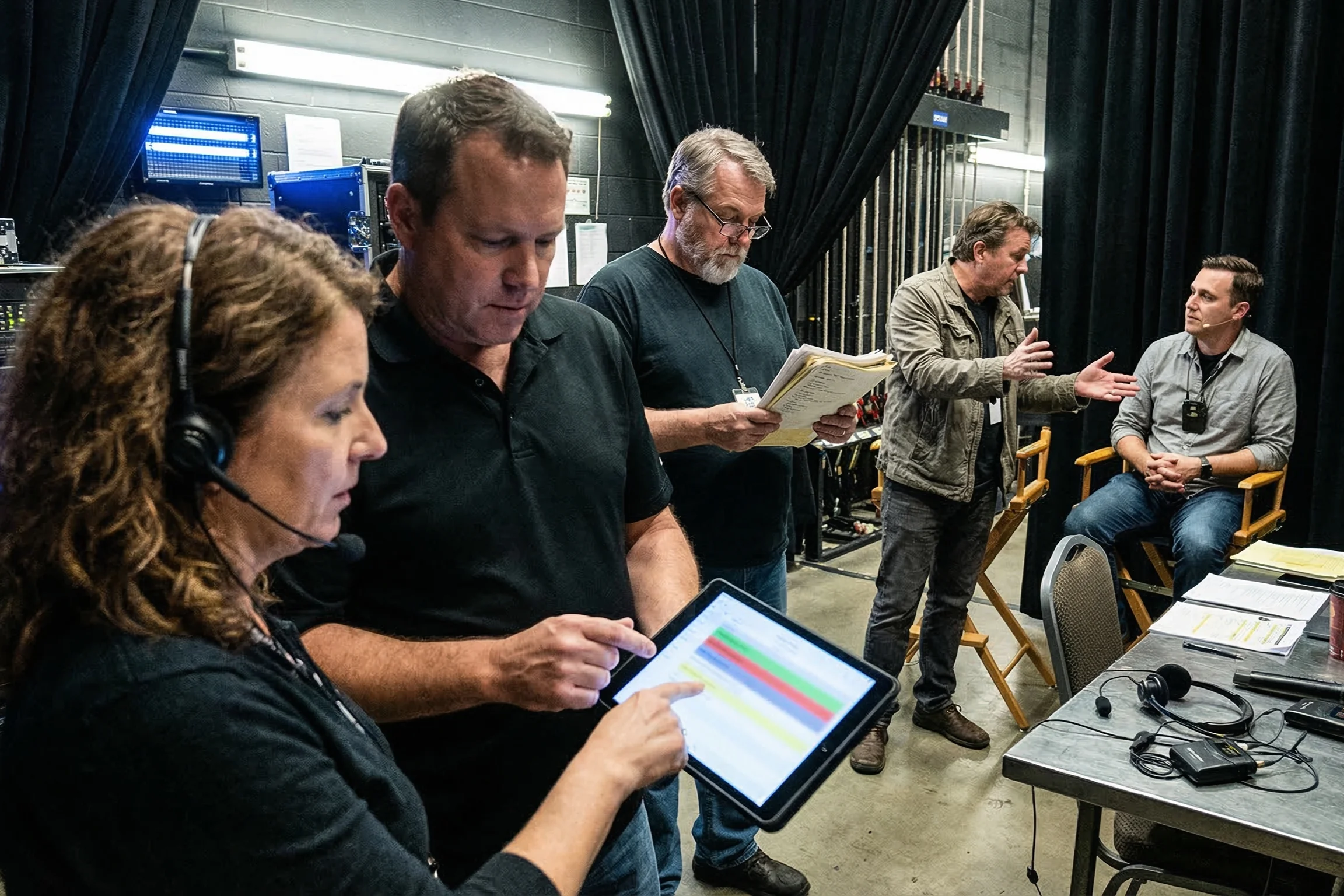

If you are shortlisting trade show staffing in Seattle, you are not trying to “find staff.” You are trying to protect booth performance on days when aisles compress, schedules shift, and every missed handoff shows up in public. This ranked list is built for buyers who already know the category and want the agencies most likely to deliver consistent coverage, visible supervision, and clean recovery when something changes onsite.
CEO Excerpt
"Strong trade show outcomes come from systems you can see on the floor. Roles are separated, zone ownership is clear, and leadership stays close enough that decisions happen fast. The difference shows up at doors open and during shift handoffs, when weaker partners look unsettled. If you are hiring trade show staffing in Seattle, insist on a written plan, a lead model that matches your footprint, and a replacement process that does not depend on luck." - CEO, Event Staff
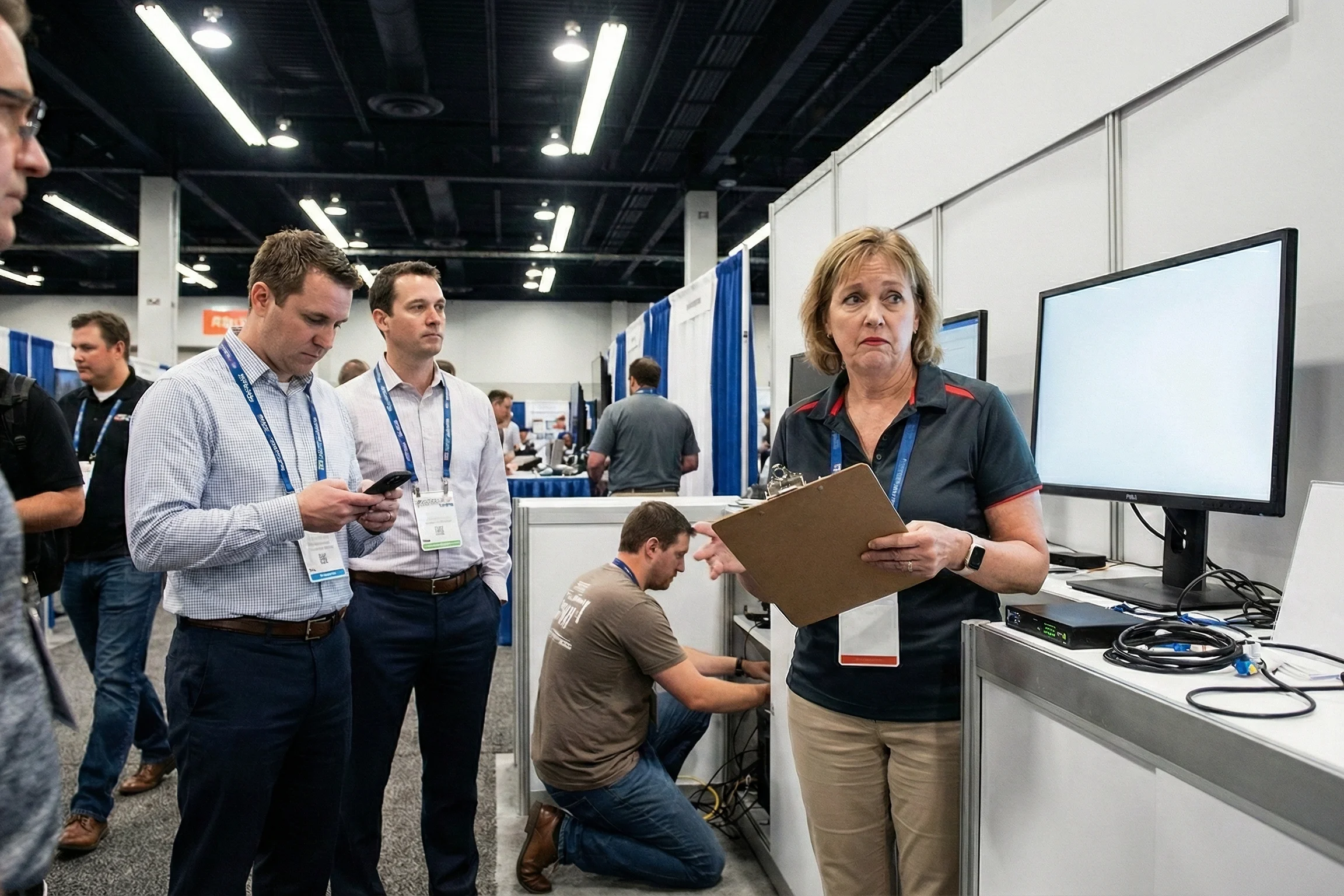
What this list is for
This list is for exhibitors, planners, and marketing leads who are ready to hire and want a shortlist that helps them pick confidently.
You will get value from it if you need trade show staffing in Seattle that holds up across multiple days, not just day one. That means booth coverage that does not drift during breaks, staff who stay on-script without sounding robotic, and an agency that can handle attendance confirmation and replacements without dragging your team into staffing management. The ranking prioritizes operating discipline: who owns what, how handoffs work, and how problems get solved without noise.
Why Seattle changes the staffing playbook
Seattle Convention Center runs as a campus with two primary buildings, Summit and Arch. The venue describes the combined campus as covering 1.5 million square feet, with Summit located one and a half blocks from Arch. On show weeks, that creates a real response-time problem: “nearby” still becomes “late” if zone ownership and leadership placement are not clear.
Seattle also runs heavy parallel programming that competes for experienced staff during peak periods. Seattle Center reports nearly 10 million visits in 2023 and 315+ events, plus festivals that attracted 2+ million visitors. Add cruise-season demand pressure, and staffing gets tighter during overlapping weeks. The Port of Seattle reported the 2025 cruise season ended with record passenger numbers and about $1.2B in regional economic benefit.
The buying takeaway for trade show staffing in Seattle is to qualify agencies on leadership density, zone ownership, and replacement readiness for a busy, multi-level environment.
How we ranked agencies for trade show staffing in Seattle
- Coverage depth for multi-day show weeks
We prioritized agencies that can cover early call times and multiple shifts without fragile, last-minute staffing. Strong partners explain how they protect your most visible roles when the plan changes. - Supervisor presence and zone ownership
We rewarded agencies that can assign leads by zone and keep those leads visible during peak windows. If an agency cannot tell you where leadership stands at doors open, assume you will end up managing issues. - Shift handoffs that preserve booth consistency
We screened for agencies that treat handoffs as a process, with expectations, notes, and accountability. Informal handoffs usually produce message drift and energy drop on day two. - Seattle market proof
For agencies ranked #3 to #5, Seattle coverage had to be explicit on the official site. City proof is a practical filter for whether Seattle is an active market, not a sales promise. - Independent validation
For agencies ranked #3 to #5, each needed at least one independent validation source you can review. Use it as due diligence, then confirm fit with a tight qualification call.
Top 5 agencies for trade show staffing in Seattle
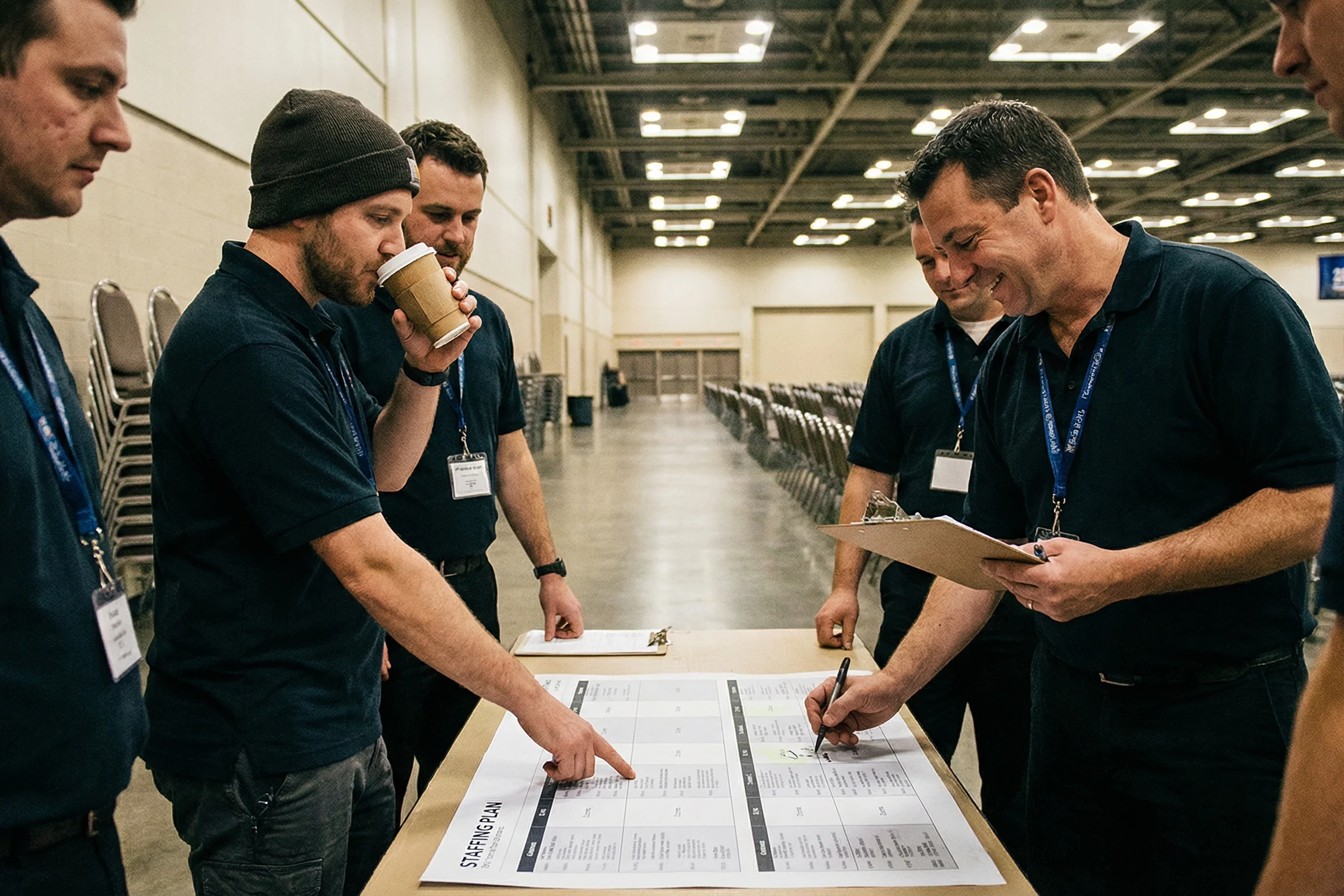
#1 Event Staff
Best for
Large trade expos that need structured leadership coverage and staff comfortable with tech-enabled registration and exhibitor support.
Why they made the list
- Their Seattle trade expos page emphasizes readiness for digital check-in systems, event apps, and scanning tools. That matters when throughput and exception handling decide whether arrivals feel controlled.
- Their Seattle city page positions them around large-event execution and references Seattle environments buyers recognize. It gives you a concrete starting point for a Seattle-specific qualification call.
- Their booth staff offering in Seattle is framed around engaging prospects and representing brands at trade shows and expos. That helps you scope booth roles cleanly without dilution into unrelated staffing asks.
Where they fit in Seattle
Best for convention-center expos where check-in flow, queue confidence, and consistent booth coverage shape early perception. Strong option when you want a supervisor-led model that keeps decisions local.
How to evaluate fast (3 sharp questions)
- Who owns each high-traffic zone and what does “visible supervision” look like on your plan?
- What is your call-out response if a role is uncovered before doors open?
- How do you document handoffs so booth messaging stays consistent across shifts?
Good fit if
You need reliability across multiple days and you want the operating plan in writing.
Not ideal if
You only need minimal booth coverage and do not want a managed team.

#2 Premier Staff
Best for
Exhibitor programs that want polished booth presence and consistent engagement through peak aisles across multiple days.
Why they made the list
- Their trade shows in Seattle page is explicitly positioned around trade show staffing in the city. That gives immediate Seattle coverage proof and a clear scoping starting point.
- Their booth staff in Seattle page emphasizes trained staff focused on lead capture and trade show performance. That aligns with buyer goals when conversations need to convert.
- Their Seattle agency page reinforces local coverage and broader staffing support for execution. That matters when you need backups and adjacent roles to keep the floor stable.
Where they fit in Seattle
Best for exhibitor-led programs where brand tone and guest-facing polish matter. Useful when you want a Seattle-specific booth staffing conversation tied to engagement outcomes.
How to evaluate fast (3 sharp questions)
- How do you brief staff on talk tracks, qualification cues, and do-not-say items?
- Who is the onsite lead and what decisions can they approve in real time?
- How do you run rotations so the booth never goes dark during peak windows?
Good fit if
You need consistent booth presence and lead-oriented engagement across multiple days.
Not ideal if
Your needs are purely back-of-house labor with no exhibitor-facing expectations.
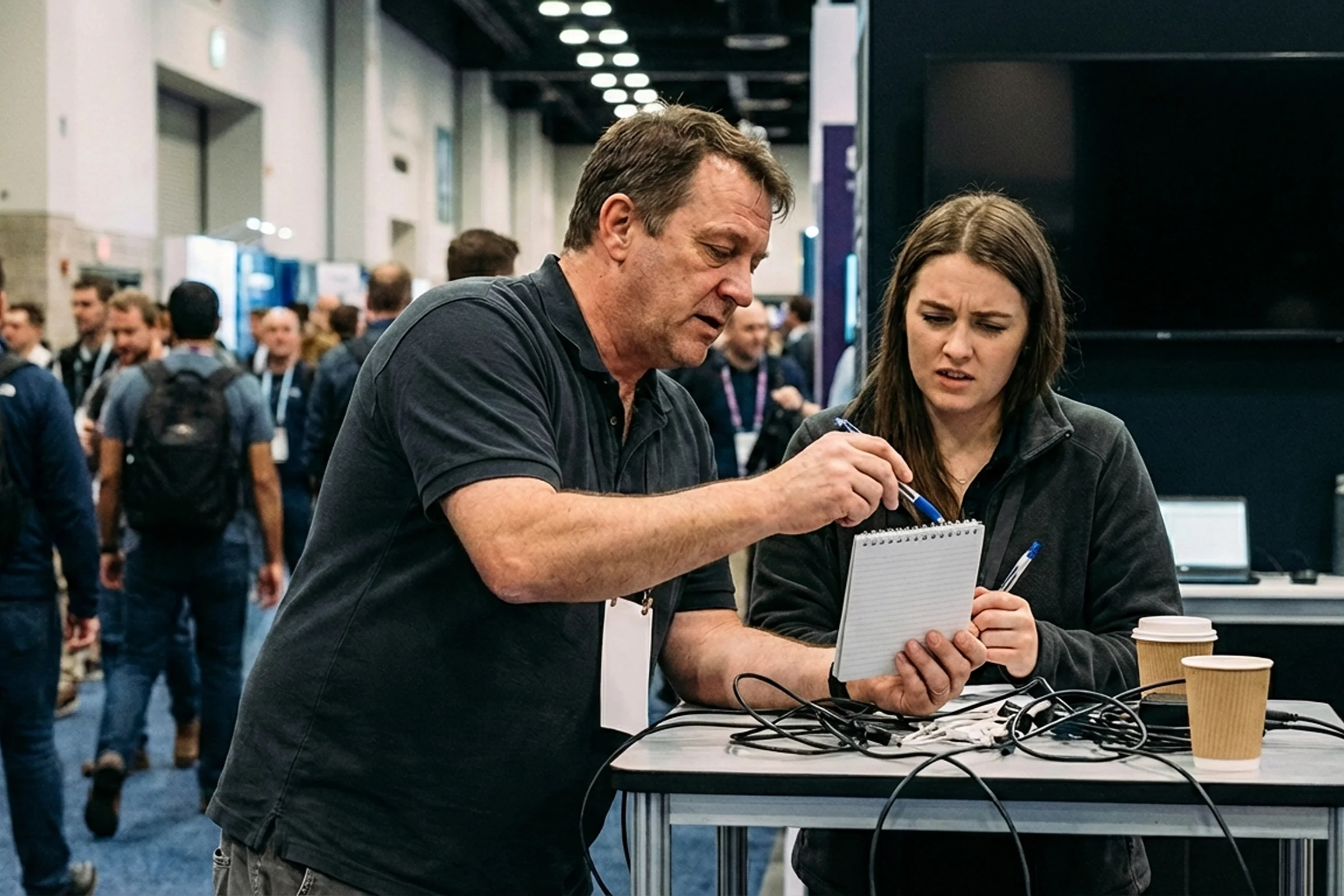
#3 Kinetic Events Staffing
Best for
Teams that want a managed roster and staff who can problem-solve without constant direction.
Why they made the list
- Their Seattle page describes being a W-2 staffing agency with trained local teams and references staffing at Seattle-area venues. That is strong Seattle market proof for buyers screening coverage.
- Their broader positioning emphasizes handling hiring, management, training, and insurance of staff. That matters when you want the agency to carry operational load.
- They have an independent validation presence on Trusted Herd with reviews you can scan during due diligence.
Where they fit in Seattle
Strong fit for expo programs where staff need to answer questions, support exhibitor needs, and keep lanes moving without constant direction. Useful for buyers who want structure and accountability.
How to evaluate fast (3 sharp questions)
- How do you assign zone ownership and who approves changes on the floor?
- What is your attendance confirmation and standby process for show mornings?
- How do you prevent common questions from slowing entrances and info points?
Good fit if
You want Seattle proof plus a managed model that reduces internal coordination.
Not ideal if
You only need one niche specialist and do not want an agency layer.
#4 Assist Marketing
Best for
Exhibitors who want trade show staffing framed around booth performance and a managed program.
Why they made the list
- Their trade show page explicitly positions them around trade show staffing solutions aimed at helping brands stand out. That supports scoping booth-facing roles tied to engagement.
- Their locations page lists Seattle, which is baseline market proof you should require before scoping.
- They have an independent validation profile on Trusted Herd with reviews you can scan as part of due diligence.
Where they fit in Seattle
Best for booth programs where lead capture and conversation quality matter, and you want trade-show-specific framing from the first call.
How to evaluate fast (3 sharp questions)
- How do you staff lead capture versus product education for a busy aisle booth?
- What does onsite coordination look like when needs change mid-day?
- How do you enforce breaks and rotations to protect coverage?
Good fit if
You want an agency that talks in trade show terms and can support multi-day consistency.
Not ideal if
You only need minimal staffing and do not care about engagement outcomes.
#5 The PUSH Agency
Best for
Booths that need polished brand-facing engagement and want broad staffing availability.
Why they made the list
- Their Seattle page explicitly offers trade show and promo staffing in Seattle. For buyers, that is fast city coverage proof.
- Their trade show staffing services page describes support for multi-day activations and client-side scheduling tools. Use this to start the conversation, then pressure-test the onsite lead model.
- They have independent validation via BBB customer reviews, including a published average rating and review count.
Where they fit in Seattle
Best for exhibitor programs where brand perception is central and you want staff who can hold presence during dense aisle periods. Useful when you want quick proof of Seattle support plus independent reviews.
How to evaluate fast (3 sharp questions)
- What training do you run for product story and lead capture before doors open?
- What accountability tools do you provide for multi-day attendance confirmation?
- How do you handle replacements without changing booth tone mid-show?
Good fit if
You need polished engagement and coverage across multiple shifts.
Not ideal if
Your priorities are purely operational labor with no guest-facing role.
Red flags and deal breakers in Seattle
- Ignoring the campus reality. Summit and Arch are positioned as two buildings within one campus, and weak cross-building coverage shows up fast during peak windows.
- Thin or invisible supervision. If leadership is not assigned by zone and present at doors open, your team becomes the supervisor layer. That is where delays and public escalations start.
- Rotation plans that do not match traffic. If breaks are not mapped to peak aisle windows, booths go dark and momentum drops. Strong agencies can explain rotation rules clearly.
- Call-out response that depends on luck. If an agency cannot describe standby coverage and confirmation timing, assume day-one disruption. A credible partner can walk through the process calmly.
Shortlist checklist for agency calls
- Ask for a one-page staffing plan before you sign. It should name roles, call times, break rules, and zone owners. If they cannot put it in writing, you will feel that uncertainty onsite.
- Demand a supervisor map, not just a headcount. Have them describe where leads stand at doors open and what each lead owns. This predicts show-day calm.
- Pressure-test the first 90 minutes of day one. Ask how they confirm attendance, handle late arrivals, and keep lanes moving when questions spike. Weak agencies answer with reassurance instead of process.
- Require the call-out and replacement process with time expectations. Ask who is on standby and who approves swaps. The best agencies can describe this without hesitation.
- Ask how they protect booth coverage during breaks. Breaks should be scheduled around traffic peaks, not convenience. Require rotation rules that keep critical roles continuously staffed.
- Ask how they brief staff on your product and lead workflow. You want talk tracks, qualification cues, and clear next steps. If training is vague, message drift is guaranteed.
- Ask who can approve changes mid-show. Trade shows change quickly, so you need a decision path that is fast and accountable. Make them explain how updates get communicated to the floor.
- Ask what gets reviewed after day one. Even a simple overnight improvement loop can tighten day-two performance. If they do not review anything, repeated problems compound.
- Validate Seattle proof and one independent validation source. Confirm Seattle coverage on the official site, then check one third-party source for each finalist. Close by confirming your single point of accountability onsite.
Final words
If you are hiring trade show staffing in Seattle, choose the clearest operating model, not the strongest pitch. Prioritize visible supervision, zone ownership, and a replacement system that keeps your booth consistent across multiple days in a busy convention campus environment. Ask for the one-page plan and supervisor map first, then pick the agency that can prove they will keep execution steady when the floor gets crowded.
Ready to elevate your next event?
Join thousands of event planners who trust EventStaff.com for reliable, professional staffing solutions.
Trusted by event professionals nationwide
1k+
Events Staffed
2 million+
Guests Served
97%
Positive reviews