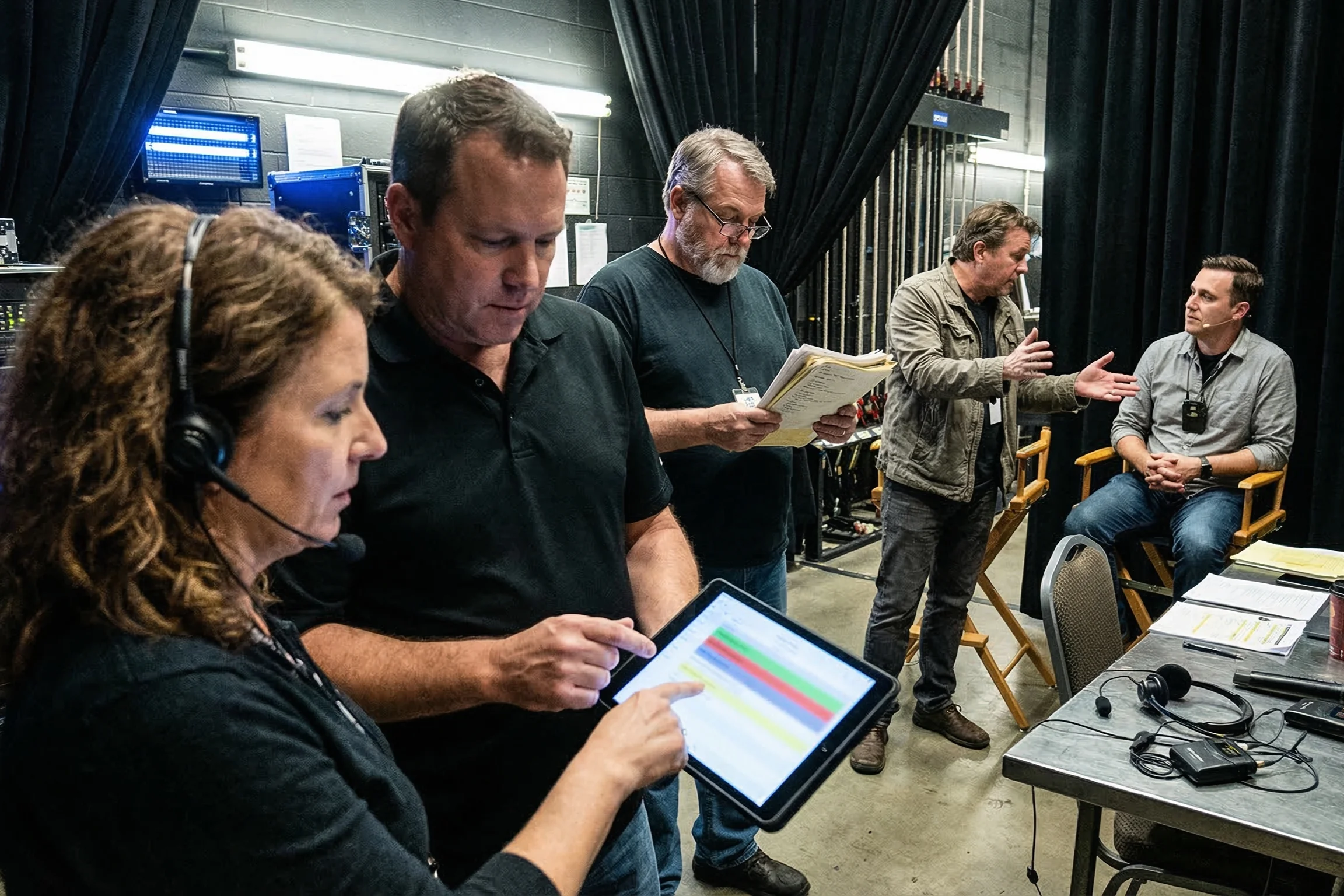

When a major event ends at Madison Square Garden, the exit does not empty into a quiet venue campus. Guests leave the arena and immediately meet Penn Station traffic, subway access points, rideshare decisions, hotel foot traffic, restaurant crowds, and everyday Midtown movement. That is where crowd management becomes visible within minutes.
The pressure builds because thousands of people are making decisions at the same time. Some are heading to trains, some are walking toward the subway, some are meeting friends, and others are trying to find a car. Strong exit management helps that movement stay clearer, faster, and less stressful around one of New York’s most compressed event environments.
CEO Excerpt
“Stadium exits need structure in the minutes after the event ends. Around MSG, that structure matters even more because guests are moving directly into one of New York’s busiest transit environments. Strong staffing helps people keep moving, make decisions faster, and leave with the same level of confidence they had inside the venue.”- Daniel Meursing, CEO, Eventstaff
Why MSG Exit Surges Build So Quickly
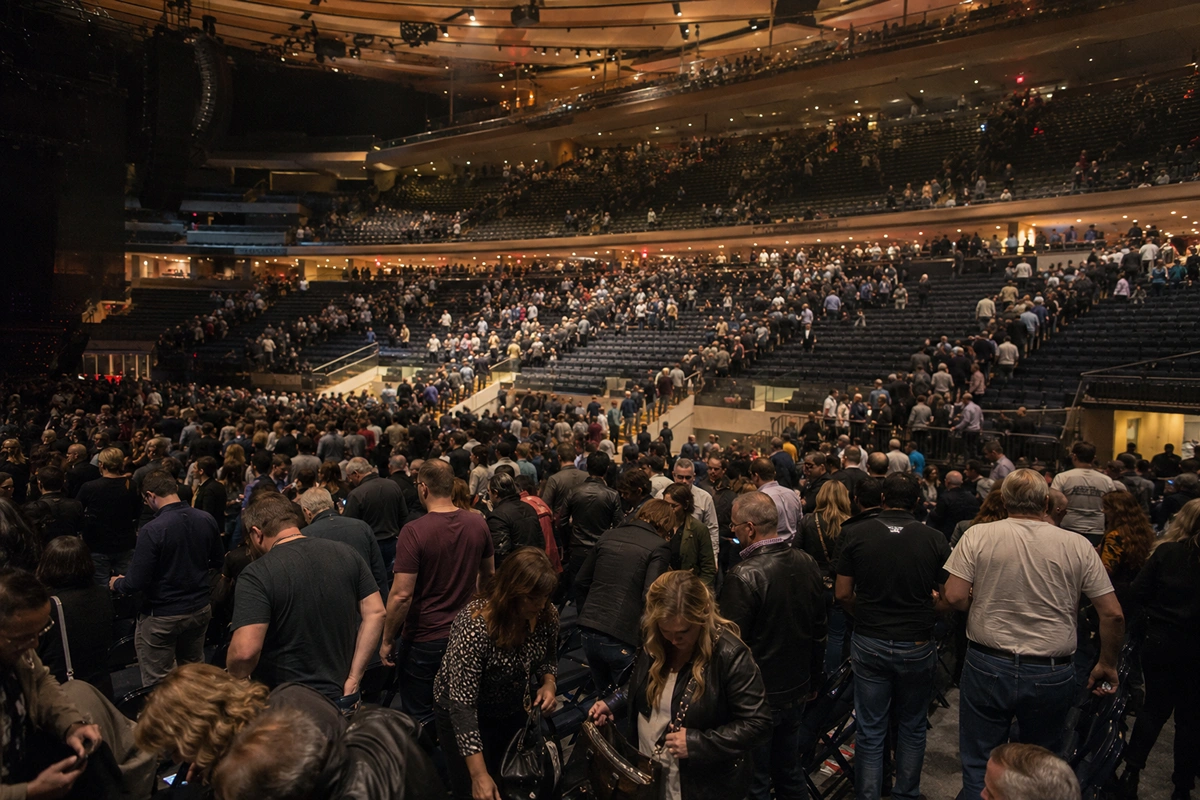
MSG exits build quickly because the event ends for nearly everyone at the same time. A final buzzer, encore, main-stage close, or last speaker sends guests toward doors, corridors, escalators, stairways, and street-level exits in a concentrated wave. The pressure is immediate because people are no longer moving toward one shared experience. They are splitting into different routes within the same crowded perimeter.
Madison Square Garden’s official venue information describes it as “The World’s Most Famous Arena,” which reflects the high-profile concerts, games, and major events that regularly bring large audiences into this part of Manhattan. That visibility matters because the post-event experience affects how guests remember the full event, not just what happened inside the arena.
The challenge grows once guests reach the street. The area around 7th Avenue, 8th Avenue, 31st Street, and 33rd Street is already active with commuters, tourists, office workers, hotel guests, restaurant traffic, and station users. When an arena crowd arrives on top of that existing movement, the first few minutes outside the doors become a serious operational test.
A small pause can create a larger backup. Guests stop to check train times, open rideshare apps, wait for friends, or decide whether to head into Penn Station, Moynihan Train Hall, the subway, or nearby streets. Without visible staff direction, those pauses can slow the people still trying to leave the venue behind them.
How Crowd Management Protects the Post-Event Perimeter
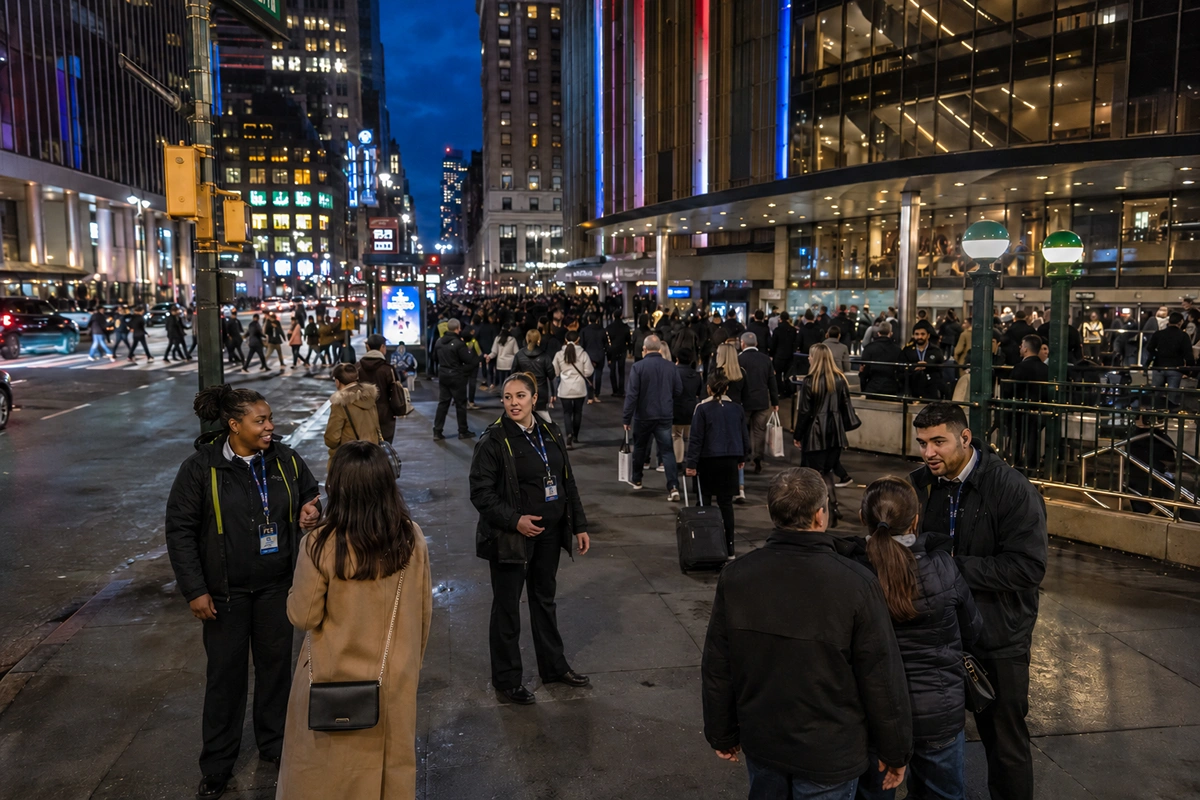
Strong crowd management around MSG is about helping people keep moving with confidence after the event ends. The job is to reduce hesitation near exits, keep routes readable, and prevent guests from stopping in the most sensitive areas. In a dense exit environment, confusion causes people to pause, and those pauses can quickly affect the full perimeter.
Staffing matters because guests need direction at the exact moment they are making fast decisions. Some need Penn Station, some need subway entrances, some need rideshare pickup points, and some need help finding the right street or hotel direction. When trained staff are positioned well, they can answer quick questions, point people toward the right route, and keep movement from turning into a crowd cluster.
Good crowd management also supports the venue team by keeping pressure from concentrating in one place. If too many guests pause near one door, stairwell, corner, or station entrance, the area can feel crowded even when there is space farther along the route. Staff help distribute movement by directing guests toward clearer paths and preventing avoidable bunching.
For stadium events, this post-event window is part of the guest experience. People remember whether leaving felt organized, whether they knew where to go, and whether the surrounding area felt manageable. A strong staffing plan helps protect that final impression while supporting a smoother transition from arena exit to city movement.
Where Exit Management Starts to Fail
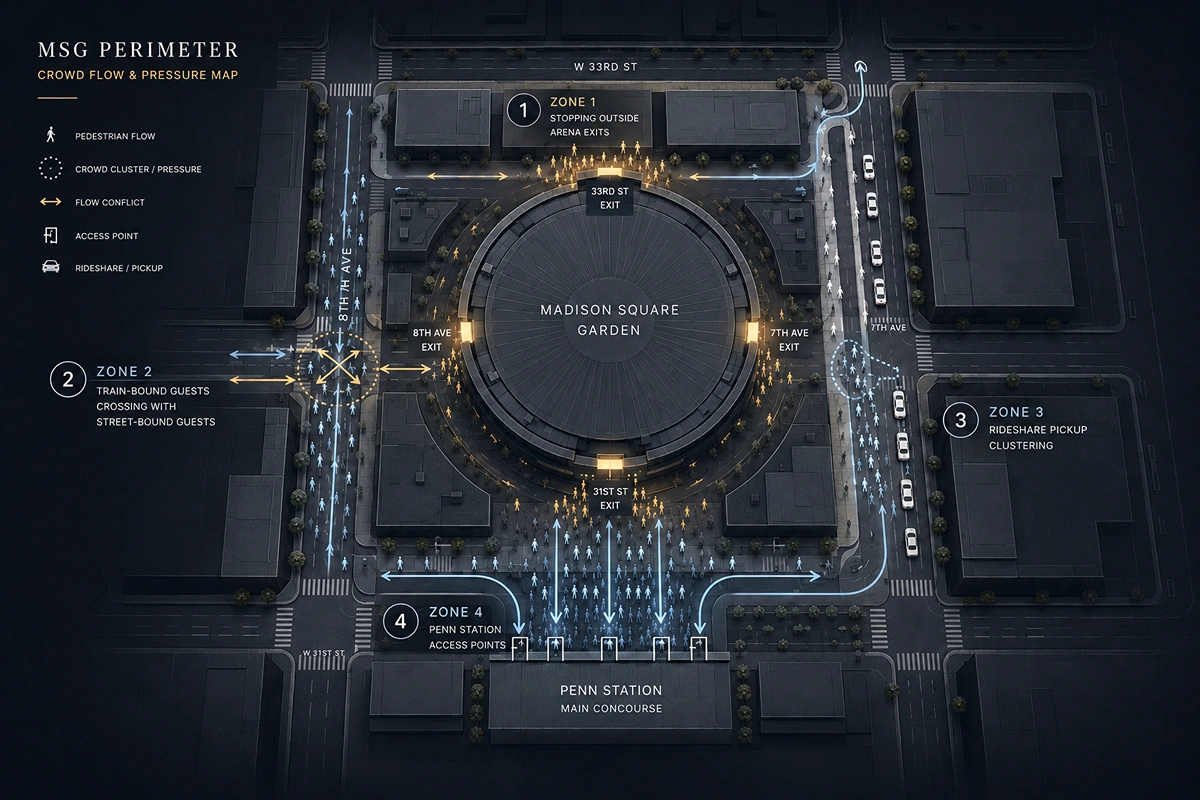
Exit management starts to fail when guests leave the venue faster than the surrounding area can absorb them. The issue is often less about the size of the crowd and more about where people pause. The most sensitive points are usually doors, sidewalks, corners, station entrances, curb edges, escalator approaches, and places where groups stop to make decisions.
Guests stop just outside the doors.
People often pause after exiting to check their phones, wait for friends, look up train times, or decide where they are going next. That creates friction at the exact point where movement needs to keep clearing. Staff can help move decision-making away from the door line so guests behind them can continue exiting.
Train-bound guests mix with street-bound guests.
MSG guests may be heading to Penn Station, Moynihan Train Hall, subway lines, rideshare pickup, bars, hotels, parking, or nearby restaurants. When those groups cross each other without clear direction, the exit path slows down. Good exit management separates intent as early as possible so guests can choose the right route without cutting across heavier movement.
Rideshare decisions create sidewalk clustering.
Many guests leave the venue and immediately open a rideshare app near the curb. That creates small clusters of people who are waiting, comparing pickup points, or looking for drivers while others are trying to pass. Staff can redirect guests away from the most active walking lanes and help keep sidewalk space usable.
When these failures overlap, the exit can start feeling harder than the event itself. Guests who had a smooth experience inside may end the night feeling delayed, crowded, or unsure of where to go. That final stretch matters because it shapes the last memory of the event.

Why Penn Station Makes This a Unique NYC Challenge
MSG’s location creates a rare stadium event challenge because guests are leaving directly into a major transit district. The MTA’s guide to Madison Square Garden directs riders to Penn Station and nearby subway and bus options, showing how tightly MSG is connected to rail and subway movement. That connection is convenient for guests, but it also concentrates decisions immediately outside and below the arena.
Moynihan Train Hall adds another layer to the area’s movement pattern. Its visitor information notes access to Amtrak, Long Island Rail Road, subway lines, local buses, CitiBike, taxis, and rideshare options nearby. For event planners, that means guests are not all leaving in the same direction, even if they exit the arena at the same time.
The Penn Station area also serves people who have no connection to the event. Commuters may be catching trains, tourists may be navigating luggage, office workers may be moving between buildings, and local pedestrians may be trying to cross the district. A stadium crowd adds intensity to a place that is already carrying heavy movement.
That is why crowd management around MSG has to account for both event guests and the city around them. A post-event exit plan should consider station entrances, curb activity, subway access, hotel routes, crosswalk pressure, rideshare demand, and the points where guests are likely to stop. The event may be over inside the arena, but the guest experience continues until people have moved safely and clearly into the next part of their route.

How Eventstaff Supports Clearer Stadium Exits
At Eventstaff, we help stadium event organizers support the critical minutes after the event ends. Our trained stadium event staff can assist with guest direction, perimeter movement, route clarity, exit support, and communication with site leads or venue teams. Around MSG, that support is especially valuable because guests are moving straight into the Penn Station environment.
Our staff can be positioned near exit paths, sidewalk pressure points, rideshare decision areas, wayfinding zones, and high-traffic perimeter locations. They help guests understand where to go, keep movement away from blocked areas, and reduce the number of people stopping in active walking lanes. That improves exit management without making guests feel rushed or pushed.
We also support faster decisions. When a guest knows where Penn Station access is, where the subway entrance is, or which direction leads away from the heaviest congestion, they move with more confidence. That confidence reduces hesitation, which is one of the biggest causes of post-event crowd pressure.
The value is practical for organizers, venue partners, and guests. Better movement protects the final impression, helps reduce confusion around the venue perimeter, and gives the event team more control during the most compressed part of the night. For MSG-area stadium events, that final transition can be as important as the arrival plan.
Bottom Line
MSG exits create a real crowd management challenge because guests leave the arena and immediately enter the Penn Station traffic environment. Strong exit management helps reduce hesitation, protect sidewalk movement, and guide guests toward trains, subways, rideshares, hotels, and nearby streets. With trained stadium event staff, Eventstaff helps organizers support a clearer, calmer, and more controlled post-event experience.
Ready to elevate your next event?
Join thousands of event planners who trust EventStaff.com for reliable, professional staffing solutions.
Trusted by event professionals nationwide
1k+
Events Staffed
2 million+
Guests Served
97%
Positive reviews