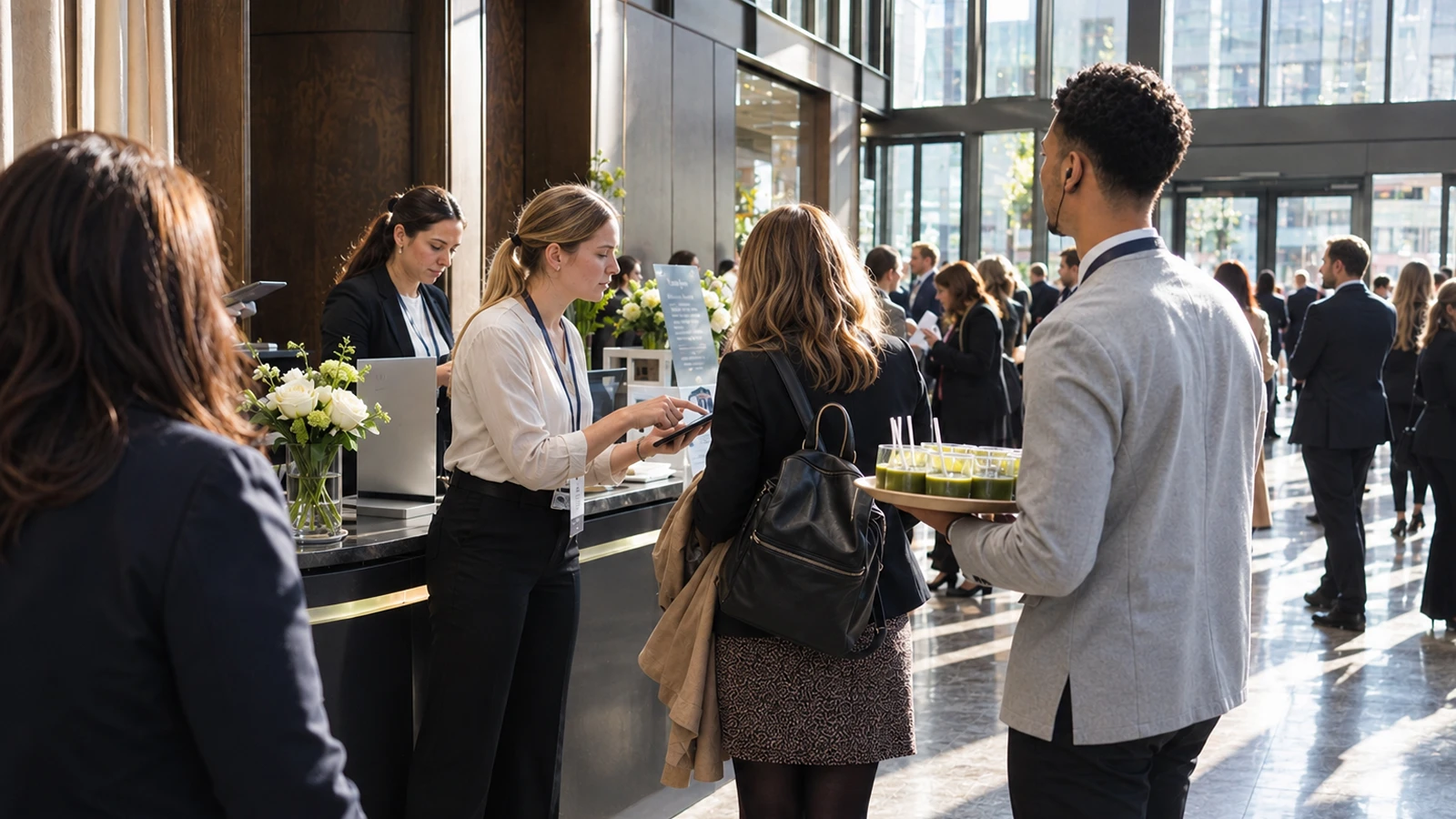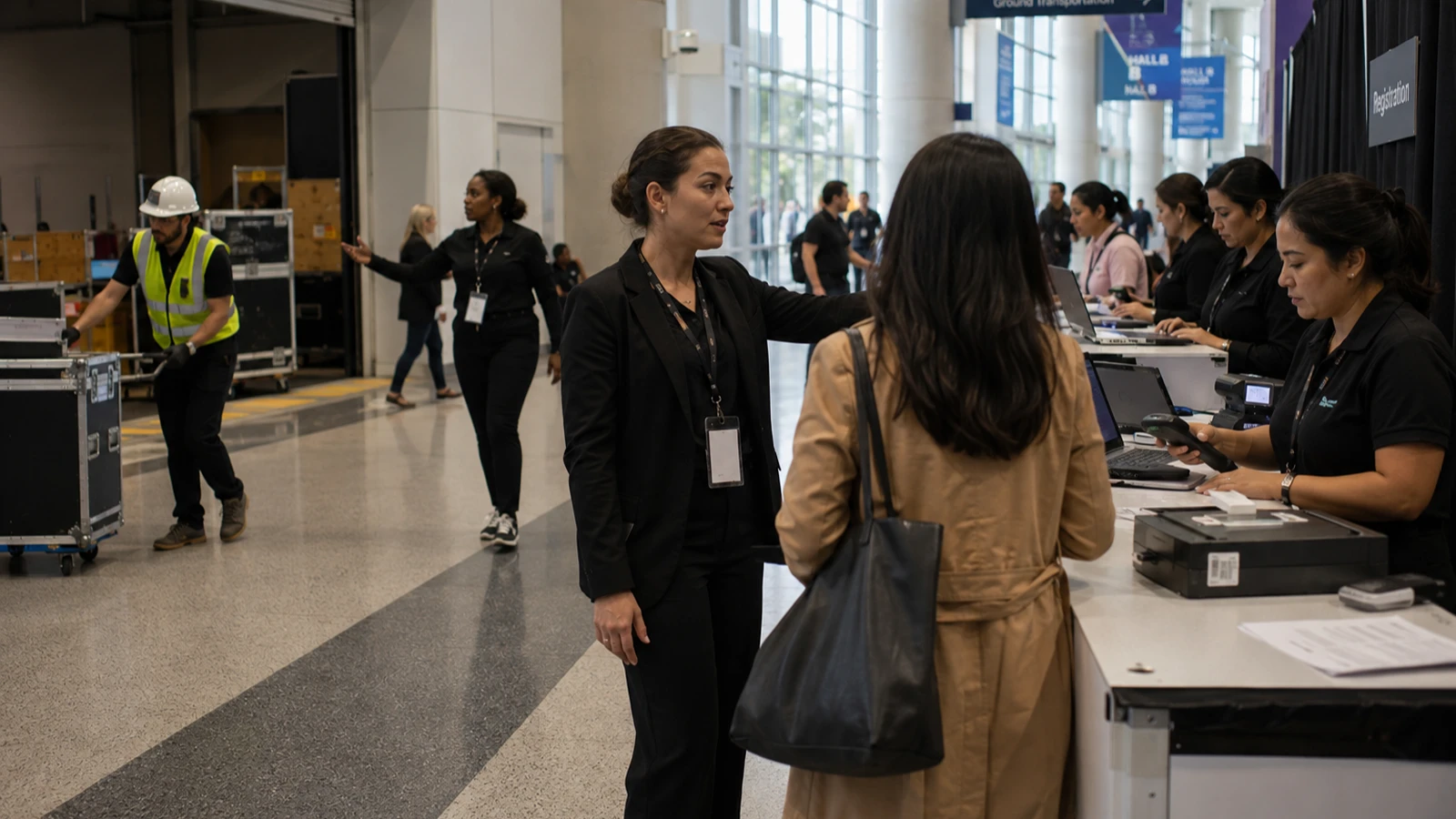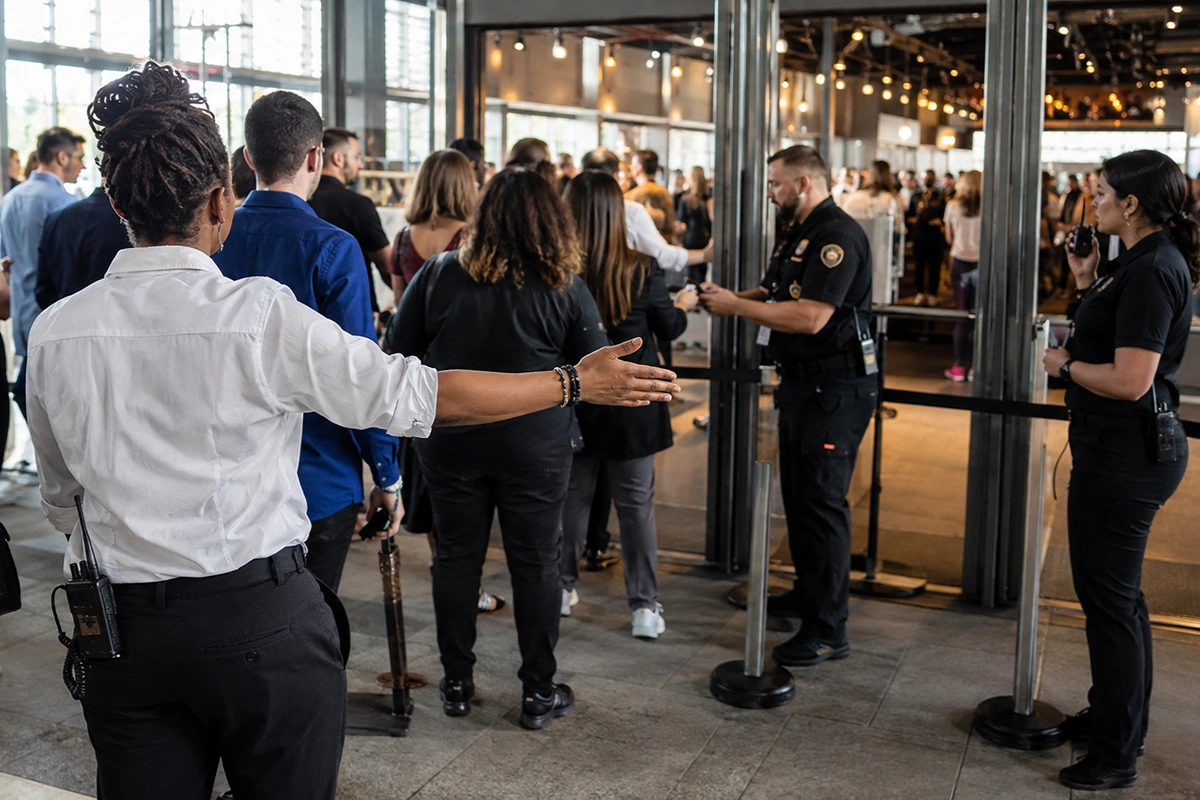

Retail activation in SoHo can succeed quickly and then become difficult to manage just as fast. A stunt catches attention, phones come out, shoppers slow near a storefront, and a small audience starts spreading across a sidewalk that was already carrying normal neighborhood movement. The brand has visibility, but now the field team has to turn that attention into controlled action.
That is where guerrilla marketing teams matter most. They help the brand engage the right people, explain the offer, guide interested shoppers toward the next step, and keep the activation from swallowing the walking lane. In SoHo, that work has to account for storefront queues, photo pauses, delivery movement, restaurant traffic, and pedestrians who only want to pass through the block.
CEO Excerpt
“A street stunt can create attention in seconds, but the real value comes from what the team does with that attention. In a place like SoHo, trained staff help turn interest into engagement, scans, store visits, and product conversations while keeping the sidewalk experience under control.” - Daniel Meursing, CEO, Eventstaff
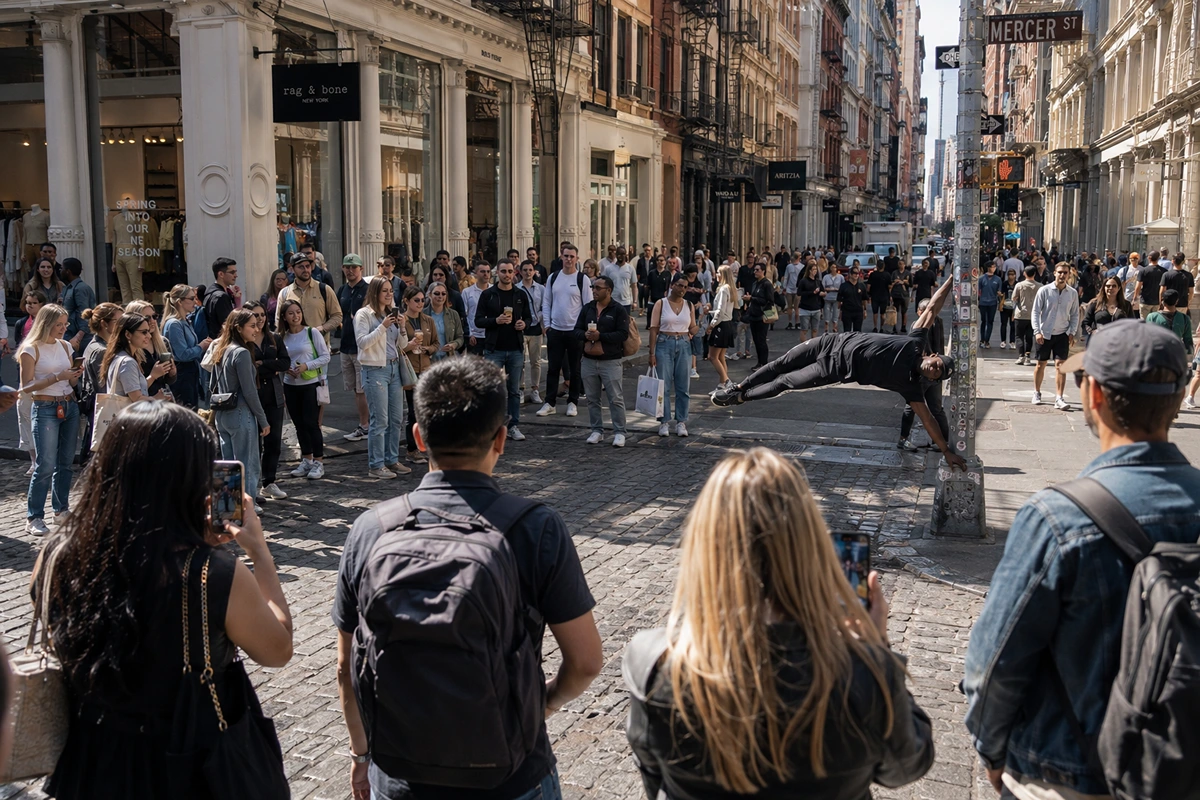
Why SoHo Street Stunts Pull Crowds So Quickly
SoHo already trains people to slow down. Shoppers scan windows, tourists photograph cast-iron streetscapes, creators look for visual moments, and retail visitors move between boutiques, galleries, restaurants, and pop-ups with a browsing mindset. A street stunt enters that environment with an advantage because many people are already ready to stop, look, film, and decide.
NYC Tourism describes SoHo as a Manhattan neighborhood known for shopping, restaurants, galleries, and distinctive streetscapes. That combination is valuable for brands because the audience is already in discovery mode. The same condition also makes sidewalk crowding easier to trigger.
The shape of SoHo attention is part of the challenge. People often gather sideways near a storefront or curb instead of forming a clean line. A small group watching a stunt can quickly become a visual barrier, especially when some people are filming, some are trying to enter a store, and others are simply trying to walk through.
For a brand, the risk is missed value. Attention alone may produce photos, curiosity, and a visible crowd, but it does not automatically create product conversations, QR scans, sample trials, store visits, or leads. A guerrilla campaign needs staff who can move people from interest into action before the crowd loses shape.

How guerrilla marketing teams Turn Attention Into Retail Activation
Guerrilla marketing teams turn attention into retail activation by giving people a clear reason and route to engage. In SoHo, someone may stop because a friend is filming, a window display caught their eye, or a small crowd made the stunt seem worth checking out. The team has to identify who is genuinely interested and move that person toward the campaign action before they drift back into the block.
That service work is active and specific. Staff explain the product, offer, sample, QR code, store moment, or pop-up action in quick street-level language. They guide interested shoppers toward a brand rep, demo station, scan point, social prompt, store entrance, or product trial while keeping casual passersby from becoming part of the activation by accident.
The SoHo context changes how that work is done. People may stop near a window instead of in front of the activation, or gather near a neighboring entrance because that is where the sidewalk feels open. Guerrilla marketing teams adjust the engagement point, redirect the crowd edge, and help brand leads keep the moment focused on measurable interaction.
This is also where related staff can support the campaign without taking over the job. Brand ambassadors can handle deeper product conversations once a shopper is interested. Product reps can support demos or feature explanations. Street teams can extend awareness along nearby blocks, while greeters can help direct people into a store or pop-up if the stunt is designed to feed an entry point.
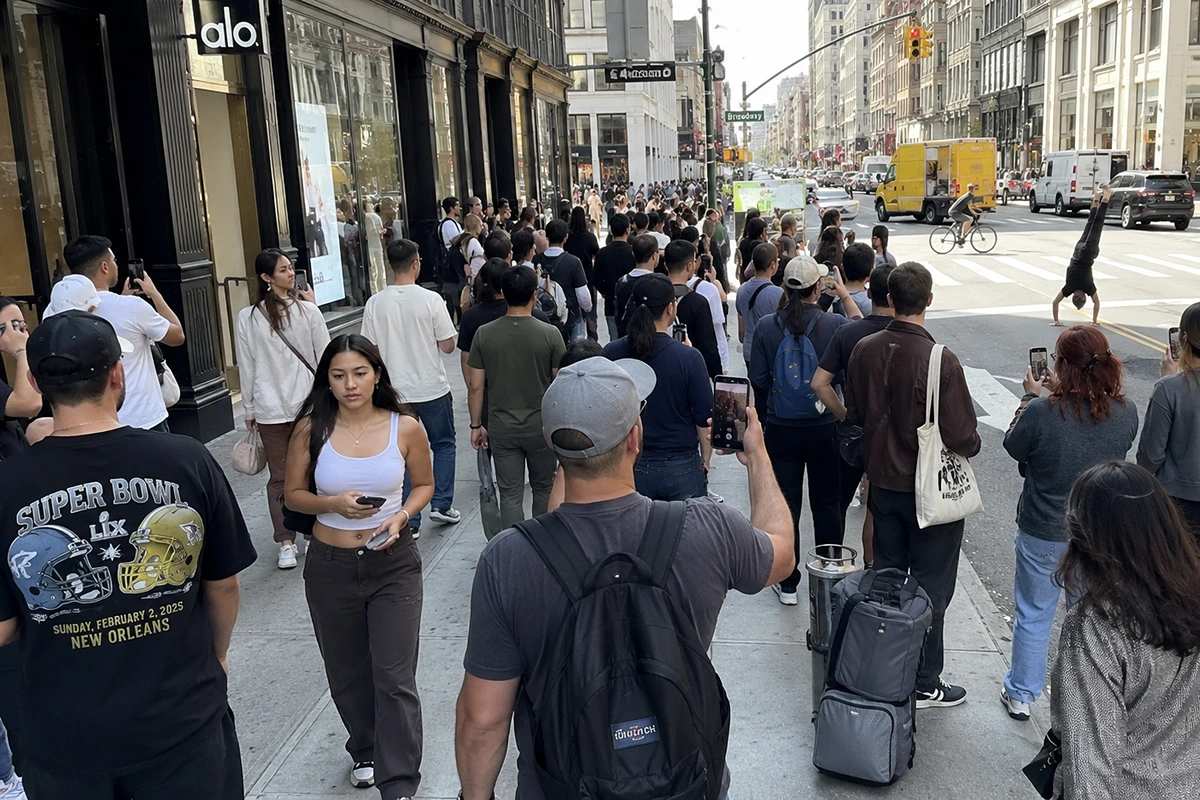
Where Pedestrian Traffic Flow Breaks Around the Stunt
Pedestrian traffic flow breaks when the activation gives people a reason to stop without giving them a clear place to stand, watch, participate, or keep walking. SoHo retail blocks already contain small pauses before any campaign begins. A boutique window, curbside delivery, sidewalk shed, outdoor dining edge, pop-up queue, or gallery entrance can all affect movement before the stunt adds another stop-point.
The crowd spreads sideways instead of forming a line.
SoHo shoppers often gather along storefronts, windows, curb edges, and pop-up entrances rather than queueing neatly. When a stunt pulls attention, the crowd can widen across the sidewalk and block people who simply want to pass through the block. Guerrilla marketing teams help shape that attention so participants, viewers, and pedestrians are easier to distinguish.
Phones turn attention into stillness.
People who stop to film or photograph the stunt stop moving like regular foot traffic. They hold their place, lift phones, and create a viewing edge that can trap interested shoppers and unrelated pedestrians in the same sidewalk space. Staff can keep the brand moment visible while inviting participants forward and moving nonparticipants out of the walking lane.
Store access gets caught inside the activation.
A SoHo stunt may sit near a boutique entrance, gallery door, pop-up queue, or neighboring retailer that still needs normal customer access. If the activation crowd is not shaped, guests cannot tell where the store entrance begins, where the activation starts, or where they should stand to participate. Clear staff placement keeps the retail environment readable.
NYC DOT’s Pedestrian Mobility Plan describes New York as a city of pedestrians that depends on sidewalks and street crossings for comfortable movement. For a SoHo stunt, that means the activation has to work with the walking lane, not against it.

Why SoHo Retail Blocks Need Field Staff During a Street Stunt
SoHo retail blocks need field staff because the street is already operating before the campaign starts. The sidewalk may be carrying shoppers, tourists, residents, delivery workers, restaurant guests, store employees, and people moving between subway stops. A street stunt adds a concentrated pause to a block that may already have several points where people slow down.
That is why guerrilla marketing teams should be planned around the block, not only around the creative idea. Staff need to know where the attraction point sits, where the participant path begins, where brand reps stand, where samples or QR codes are handled, and where passersby keep moving. If those decisions happen only after the crowd forms, the activation starts reacting instead of directing.
SoHo Broadway Initiative describes Broadway in SoHo as a mixed-use corridor with commercial activity, residents, visitors, and public-realm demands layered together. That type of corridor requires more than a good visual concept. It needs staff who can protect the brand moment, support surrounding access, and keep the sidewalk understandable.
Field staff also protect the brand’s relationship with the location. A campaign that blocks a neighboring doorway, interrupts a store queue, or confuses passersby can create tension around a moment that was meant to feel exciting. Guerrilla marketing teams help the activation stay energetic while keeping the surrounding retail environment functional.
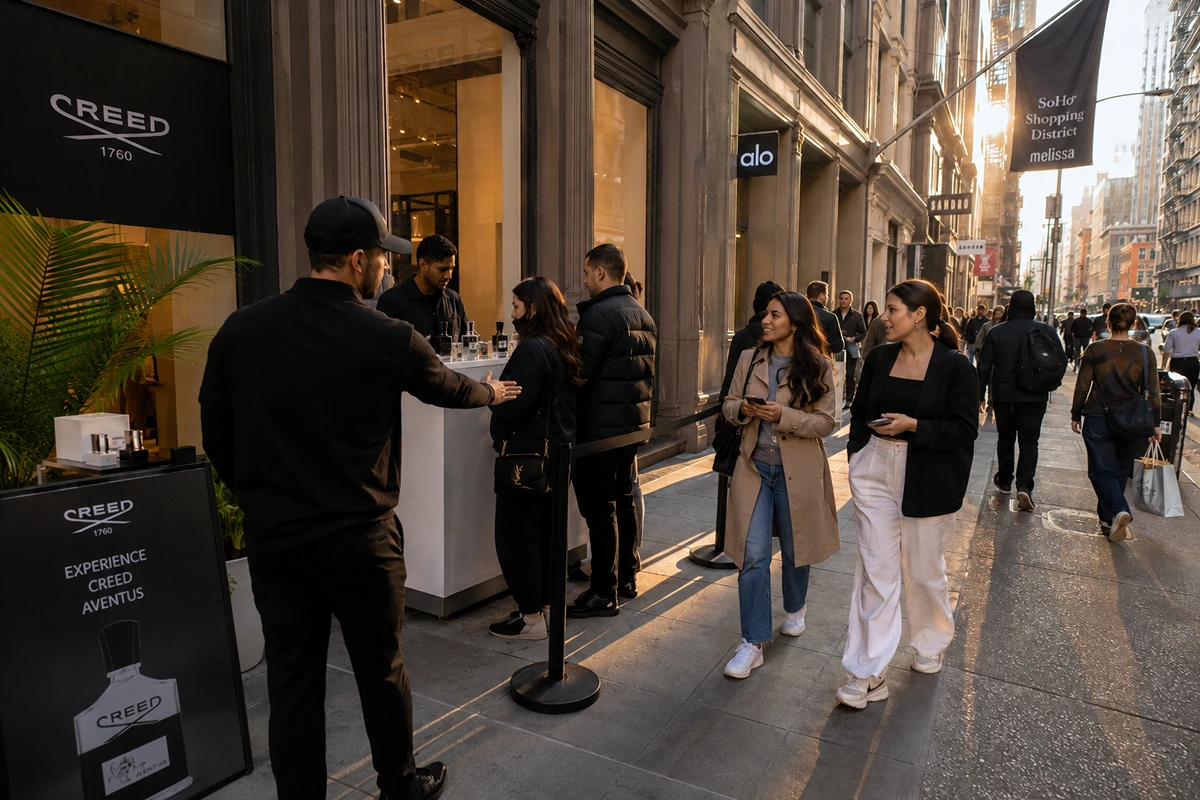
How Eventstaff guerrilla marketing teams Keep the Stunt Moving
At Eventstaff, our guerrilla marketing teams help brands create attention and keep it productive. We place staff where the crowd forms, where shoppers decide whether to engage, and where the next step needs to be clear. That gives the campaign a stronger street presence without letting the sidewalk crowd take over the brand moment.
Our teams support retail activation through product explanation, audience qualification, sampling direction, QR scan guidance, store-entry movement, social prompts, and communication with brand leads or store teams. If attention forms near a doorway, curb edge, or neighboring queue, our staff can adjust the engagement path before the crowd becomes harder to manage.
We can also build a wider staffing mix when the campaign calls for it. Brand ambassadors can manage one-on-one product conversations. Product reps can support demos or feature-led interaction. Street teams can extend campaign reach along nearby blocks, while greeters can support entry if the stunt leads into a store, showroom, or pop-up space.
The service goal is simple: help the brand turn attention into action. In SoHo, that means shoppers understand the offer, interested people know where to go, passersby can still move, and the activation feels controlled without losing energy. Strong guerrilla staffing keeps the stunt visible, useful, and professionally managed.
Bottom Line
A SoHo street stunt can pull a crowd quickly because the district is built around browsing, filming, shopping, and visual discovery. That attention can help a brand, but it can also strain pedestrian traffic flow, storefront access, and campaign clarity when the team does not shape the moment early.
Eventstaff helps brands manage that balance with guerrilla marketing teams who support retail activation through product engagement, audience qualification, crowd shaping, QR or sample direction, and store-entry movement. In SoHo, the right staff plan helps the stunt stay visible, useful, and controlled.
Ready to elevate your next event?
Join thousands of event planners who trust EventStaff.com for reliable, professional staffing solutions.
Trusted by event professionals nationwide
1k+
Events Staffed
2 million+
Guests Served
97%
Positive reviews