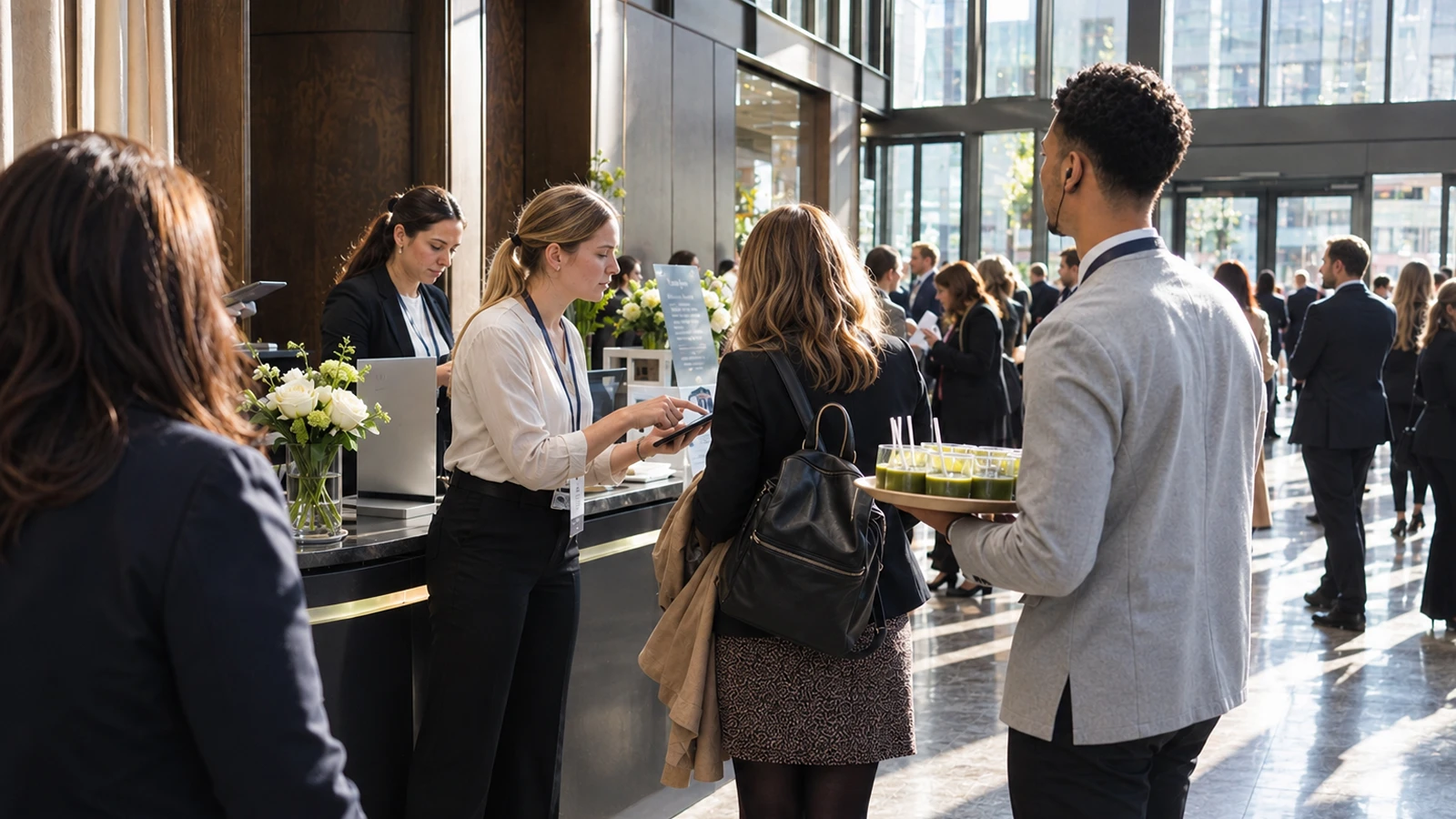

NYFW can make experiential events look successful within seconds. People stop, record, photograph, tag, and move on before the team on-site knows whether anyone understood the offer, remembered the product, or took the next step. That is where Brand Ambassadors change the outcome. In New York’s fashion-week environment, visual attention is easy to attract, but useful engagement has to be earned quickly.
For brands activating around runway shows, pop-ups, hotel lobbies, retail corridors, and sidewalk-facing installations, the risk is simple. A crowd can form around the most photogenic part of the experience while the business goal sits untouched. Brand Ambassadors help turn that camera-first behavior into conversations, QR scans, product trials, RSVP movement, showroom visits, and qualified interest.
CEO Excerpt
“Fashion week creates a rare kind of attention, but attention alone does not build a brand interaction. The best ambassadors know how to read the person in front of them, start the right conversation, and move that moment toward a clear business outcome.”- Daniel Meursing, CEO, Eventstaff
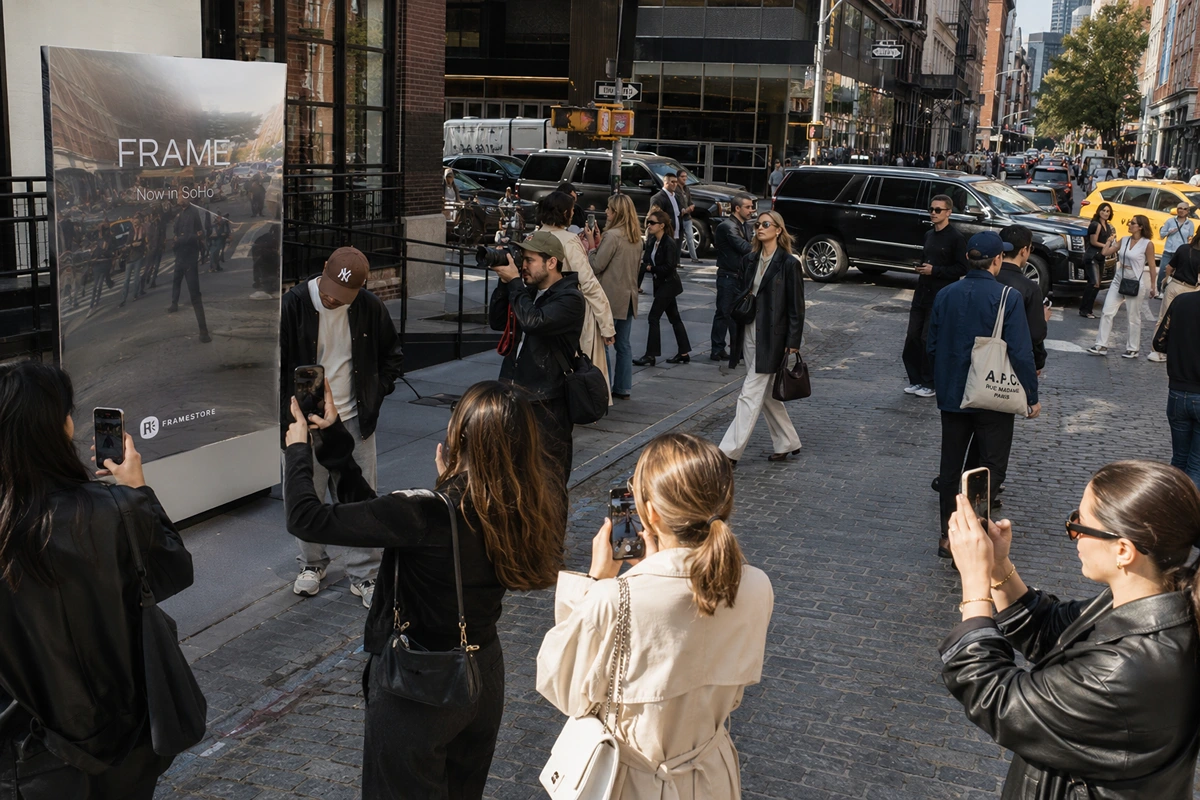
Where NYFW Photo Traffic Turns Into Fast Visual Attention
NYFW foot traffic behaves differently from ordinary weekday movement in Manhattan. People are moving between shows, after-parties, creator meetups, hotel appointments, showroom visits, retail stops, and quick food breaks. Many are already using their phone before they reach a branded footprint, which means their first instinct is often to capture the moment rather than ask what the brand is offering.
That creates a specific problem for Brand Ambassadors. A person may pause for the backdrop, the packaging, the sample tray, the model styling, or the crowd itself, but that pause can last only a few seconds. Around SoHo, Chelsea, Tribeca, the Meatpacking District, and Midtown hotel corridors, people rarely behave like a contained event audience. They drift, cluster, cross, wait for rideshares, and follow whatever looks worth filming.
A static activation can mistake that behavior for engagement. The space looks busy, content gets captured, and the team may feel like the campaign is working. The harder question is whether anyone can explain the product, recall the offer, identify the next step, or connect the brand to the reason they stopped.
Brand Ambassadors fill that gap. They do not wait for every passerby to self-select. They read the moment, approach with a short opening line, and decide whether the person should be guided toward a scan, sample, visit, signup, or quick explanation.

Why Experiential Events Need More Than a Photo Moment
Experiential events around NYFW often depend on speed. A brand may have a sidewalk display, mobile sampling setup, pop-up entrance, showroom invite, retail partnership, or creator-facing moment that is designed to attract immediate attention. That attention has value, but it becomes more useful when someone trained can turn it into a short, clear exchange.
The job of Brand Ambassadors is to create that bridge. They explain what the person is seeing, why it matters, and what the next step is without making the interaction feel heavy. During NYFW, that means using polished, concise language that matches the pace of the street and the expectations of fashion-focused audiences.
A good ambassador does more than smile near a display. They know how to open a conversation with someone who is filming, answer a product question without blocking the flow, and move interested people toward the correct action. For one visitor, that action may be scanning a code. For another, it may be entering a pop-up, joining a waitlist, trying a sample, or following directions to a nearby showroom.
This matters because NYFW attention is rarely uniform. One person may be a buyer between appointments, another may be a creator looking for content, and another may be a tourist drawn in by the crowd. Brand Ambassadors help separate casual visibility from useful intent so the campaign does not rely on photo traffic alone.

Where Street Marketing Breaks Down During Fashion Week
Street marketing during NYFW can lose value when the team treats every passerby the same. A generic pitch may be too long for someone on the way to a show, while a passive handout may be too weak for someone who is already curious. The right approach has to match the street condition, the audience type, and the brand goal.
The most common breakdown happens when the team attracts attention but fails to direct it. Someone takes a photo of the setup, laughs with a friend, asks what is happening, and then leaves before anyone gives them a reason to act. In a city where sidewalk movement keeps shifting, that missed moment is difficult to recover.
New York’s pedestrian environment adds another layer. NYC DOT’s pedestrian mobility work treats sidewalk comfort and convenience as real planning issues, which gives street-facing activations a practical reminder: people need room to keep moving while brands try to engage them. Brand Ambassadors have to create conversations without turning the sidewalk into a stalled audience area.
Strong street marketing also depends on message discipline. The ambassador should know the offer, the target audience, the handoff point, and the maximum interaction length. If the brand wants scans, the staff should move people toward scans. If the goal is showroom traffic, the staff should qualify interest and give clear directions. If the goal is sampling, they should explain the product and keep the line of movement clean.

Why New York Fashion Week Makes the Engagement Window So Short
NYFW is spread across shows, presentations, pop-ups, parties, hotels, restaurants, retail corridors, and cultural moments. The CFDA’s official NYFW schedule gives the week a useful frame because the programming is time-bound and appointment-driven, with activity concentrated across several days rather than one fixed venue footprint. That rhythm affects how people move through the city.
Unlike a closed trade show floor, NYFW street attention is mixed with normal New York movement. A person standing near an activation may be waiting for a car, looking for an address, checking an invite, meeting a stylist, filming street style, or trying to get out of the crowd. The Brand Ambassador has to identify which people are open to engagement and which people need space to keep moving.
Curb pressure can also affect the feel of a street-facing activation. NYC DOT loading zones exist to support pickup, drop-off, loading, and unloading in congested or narrow streets, which is part of the same dense street environment brands must respect during Manhattan events. If rideshares, deliveries, press arrivals, and venue access points are already active, ambassador teams need a clean plan for where conversations should happen.
That is why local awareness matters. A campaign near a SoHo retail corridor may need a different engagement rhythm from one outside a Chelsea presentation space or a Midtown hotel. The audience may look similar in photos, but the movement pattern, patience level, and next-step behavior can change by block.
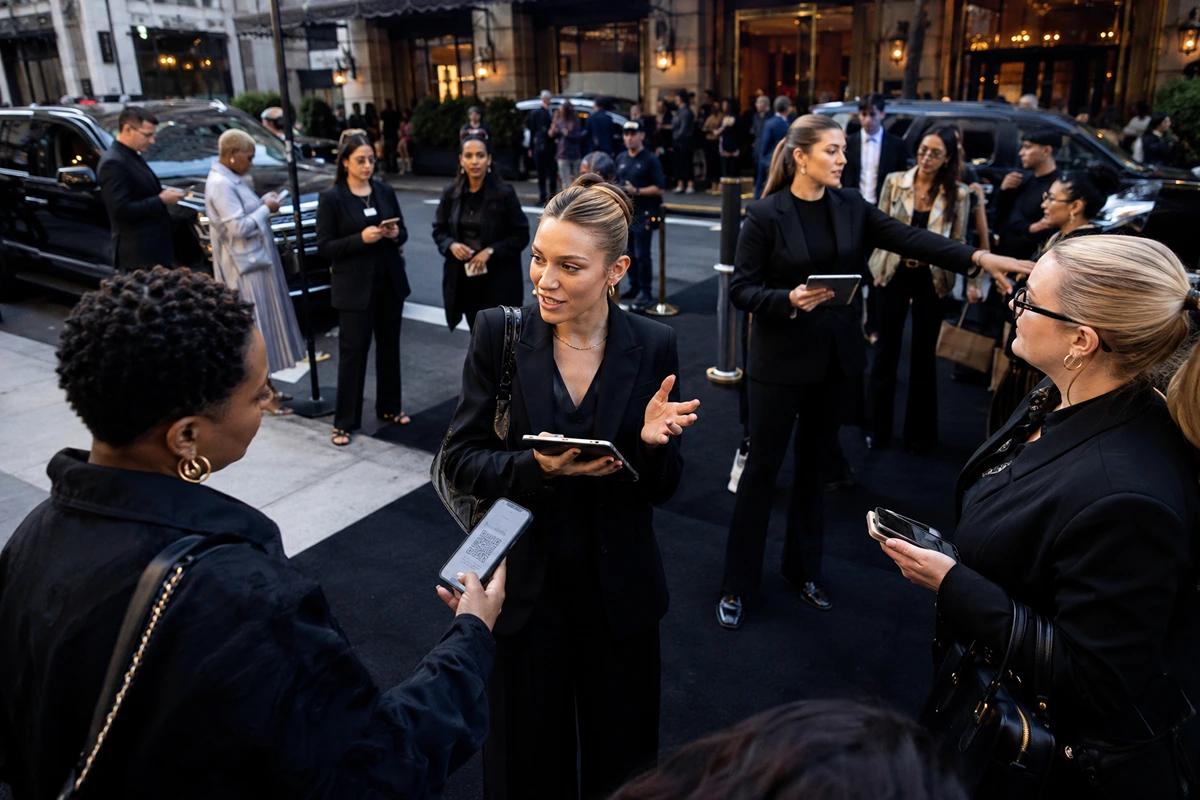
How Eventstaff Brand Ambassadors Turn Attention Into Conversations
At Eventstaff, we provide Brand Ambassadors who understand that NYFW visibility has to be handled with care. Our staff are trained to create polished, useful engagement without overwhelming people who are moving quickly through Manhattan’s fashion-week environment. They know how to open conversations, explain offers, and guide interested guests toward the right next step.
We help brands avoid the passive activation problem. Our Brand Ambassadors do not simply stand near a display and wait for people to ask questions. They watch how people approach, identify the right moment to engage, and use concise language that fits the pace of the street. That can mean a quick product explanation, a short invitation into a pop-up, a QR scan prompt, or a direct handoff to a showroom or retail entrance.
For experiential events, that human layer is what makes the activation measurable. A visual setup may create awareness, but our ambassadors help collect intent. They can support lead capture, sampling flow, product education, guest direction, line-adjacent engagement, and public-facing brand presence while keeping the interaction professional.
We also train for tone. NYFW audiences can include buyers, editors, stylists, creators, VIP guests, tourists, and local shoppers in the same area. A Brand Ambassador has to sound confident without being pushy, polished without being stiff, and informed without turning a short exchange into a long pitch.
Bottom Line
NYFW gives brands a powerful setting for experiential events, but photo traffic should never be treated as the final result. The real value comes when someone stops long enough to understand the offer, take action, and connect the experience to the brand behind it.
For street marketing in New York, Brand Ambassadors help turn fast-moving attention into useful conversations. Eventstaff supports brands with trained ambassadors who can read the sidewalk, approach the right people, explain the message clearly, and keep engagement moving in a way that fits the city and the campaign.
Ready to elevate your next event?
Join thousands of event planners who trust EventStaff.com for reliable, professional staffing solutions.
Trusted by event professionals nationwide
1k+
Events Staffed
2 million+
Guests Served
97%
Positive reviews