

CEO Excerpt
As a staffing operator, I can tell you that an event team leader is not promoted for effort alone but for proven control under pressure. The people who consistently protect guest flow, stabilize zones early, and communicate cleanly are the ones we trust with leadership because they reduce risk for clients and supervisors alike. - CEO Event Staff
An event team leader manages a zone, protects guest flow, and resolves issues before they escalate to supervisors or clients.
An event team leader is a role earned by proving you can protect flow, timing, and client confidence when pressure rises. The role exists to stabilize a defined area of the event when conditions shift.
Instead of focusing only on assigned tasks, an event team leader monitors:
- Break rotations
- Traffic surges
- Coverage gaps
- Escalation timing
- Client visibility
In 2026, hybrid scheduling tools may optimize headcount on paper, but they cannot see tension building in a line or confusion spreading among staff. That is where leadership protects the experience. Understanding how crowd psychology shapes event flow at stadiums gives future leaders a sharper read on when and where pressure is about to build.
Executive Summary
Event team leader roles are earned by demonstrating repeat reliability, zone stability, and structured decision-making under live pressure. This guide outlines the exact career path, responsibilities, promotion signals, and timelines that move event staff into leadership roles within hospitality staffing jobs.
How Does an Event Team Leader Protect Event Operations?
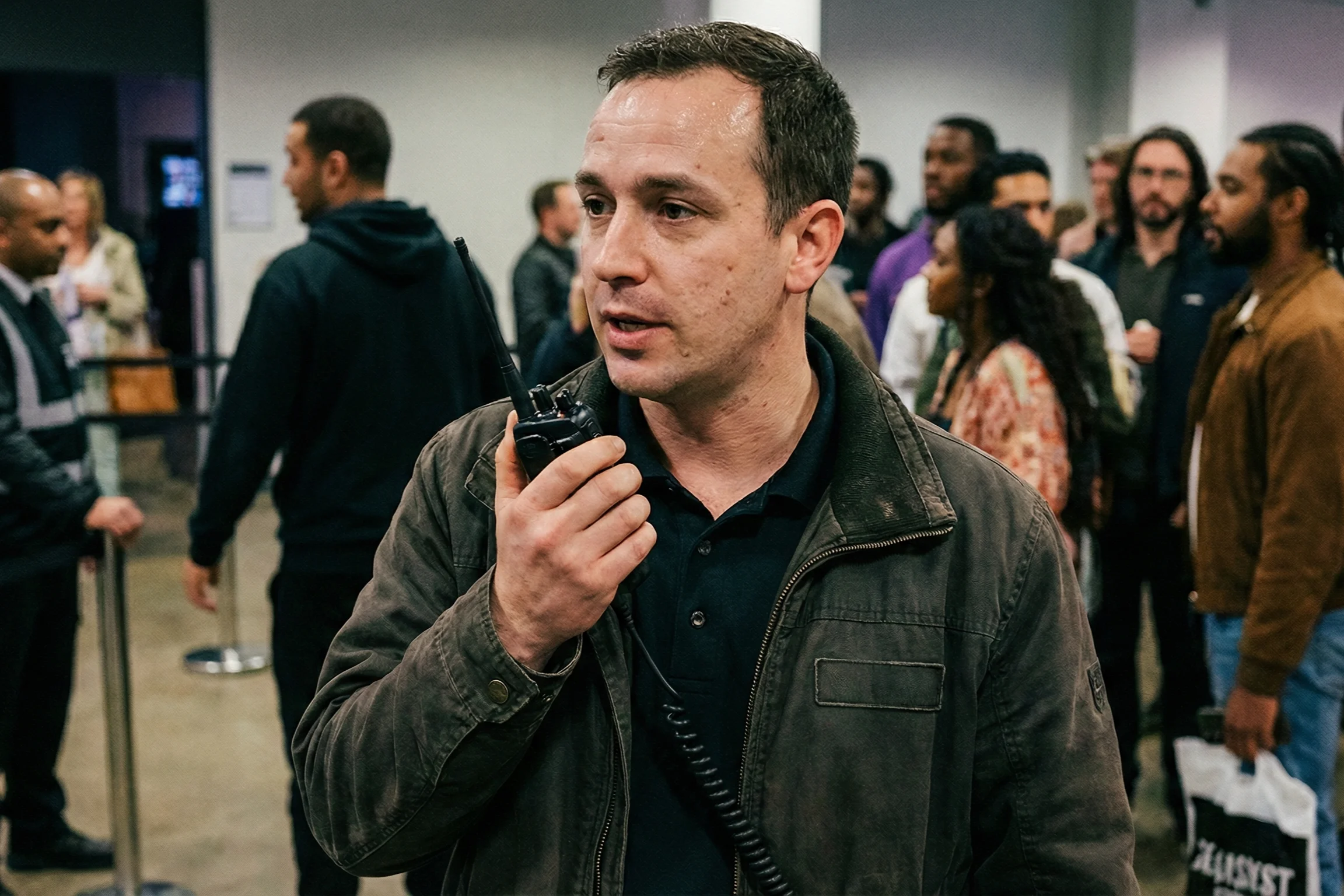
Advancing into an event team leader role requires more than strong performance during a single shift. It requires consistent operational control, visible reliability, and the ability to stabilize live environments when pressure rises.
An event team leader is responsible for protecting a defined zone of an event. That means managing guest flow, monitoring staff coverage, correcting small breakdowns early, and communicating clearly before issues escalate to supervisors or clients. The role exists to reduce risk and protect execution quality during live operations.
For professionals working in hospitality staffing jobs, this position represents a clear leadership milestone. It signals that you can move beyond task execution and begin protecting outcomes. Agencies and supervisors do not promote based on effort alone. They promote based on repeat stability, structured communication, and calm decision-making under pressure.
In modern event environments where guest expectations are high and labor efficiency matters, the event team leader layer is essential. Hybrid scheduling tools can assign headcount, but they cannot interpret line tension, staff fatigue, or client anxiety in real time. That judgment belongs to event staffing cost savings, trained leadership on the ground.
This guide explains:
- What an event team leader actually does during live events
- How staffing agencies identify promotion readiness
- The typical career path within hospitality staffing jobs
- Required skills and realistic timelines for advancement
- What career options are open after stepping into leadership
If your goal is to move from event staff to event team leader, understanding the promotion signals and operational expectations is the first step toward earning the role before holding the title.
Staff executes tasks. An event team leader protects outcomes by preventing small issues from compounding into client-visible problems.
What Is the Typical Career Path in Hospitality Staffing Jobs?
Most hospitality staffing jobs progress from entry staff to senior staff, then to event team leader, based on repeat reliability and stability.
The ladder is structured even when it feels informal.
Common progression:
- Entry-level event staff
- Senior or lead staff
- Event team leader
- Supervisor or manager
Promotion depends on patterns, not personality.
Key signals include
- Call-time reliability
- Clear communication updates
- Early bottleneck detection
- Calm performance corrections
In hospitality staffing jobs, the people who make the room feel steadier move up faster. According to the U.S. Bureau of Labor Statistics, food service management roles are projected to grow 6 percent through 2034, generating roughly 42,000 annual openings ,faster than the average across all occupations.
Entry staff → senior or lead staff → event team leader → supervisor or manager (varies by venue and staffing model)
What Responsibilities Does an Event Team Leader Handle?

An event team leader maintains zone coverage, resolves real-time issues, protects guest flow, and escalates risk before clients notice.
When promoted, your responsibility shifts from task completion to outcome protection.
1. Coverage Control
You monitor:
- Who is in a position
- When breaks rotate
- Where traffic increases
- Whether staffing matches guest flow
2. Real-Time Issue Resolution
You handle:
- No-shows
- Inventory gaps
- VIP friction
- Staff overwhelm
Prioritization follows a clear order:
- Safety
- Client commitments
- Efficiency
OSHA's Crowd Management Safety Guidelines require event planners to designate a specific worker to contact emergency responders, assign a manager to make key decisions in real time, and create a detailed staffing plan with a designated location for every person on site, a structure that mirrors exactly how an event team leader operates within a zone.
3. Structured Communication
Updates must include:
- What is happening
- What action is underway
- When stability is expected
In tighter 2026 labor environments, early correction protects both cost and experience.
4. Performance Monitoring
You correct small drifts before they spread.
Maintain zone coverage, resolve issues early, protect guest flow, and communicate clearly before escalation becomes necessary.
What Skills Are Required to Become an Event Team Leader?
To become an event team leader, you must demonstrate clear delegation, structured escalation, flow awareness, and calm client communication.
Leadership skills develop under pressure.
Clear Communication
- Assign specific tasks
- Confirm understanding
- Set time-based updates
Situational Judgment
Assess issues in this order:
- Safety
- Client commitments
- Efficiency
Flow Awareness
- Notice line buildup
- Notice staff fatigue
- Notice rotation timing
- Notice client-facing gaps
Client-Facing Professionalism
Respond with action-focused clarity instead of defensiveness.
In hospitality staffing jobs, vague direction creates delays. Structured communication protects flow. These are also the same skills that separate reliable promotional staff from average performers. Supervisors track communication quality and engagement consistency long before a formal promotion conversation begins.
Skills Checklist for Aspiring Team Leaders: Practice clear delegation, early escalation, flow awareness, and calm client communication on every shift.
How Do Staffing Agencies Identify Future Event Team Leaders?
Staffing agencies promote candidates who show repeat reliability, calm decision-making, and visible zone control under pressure.
Agencies track patterns across multiple events.
They evaluate:
- On-time arrival
- Credential readiness
- Composure during surges
- Informal leadership signals
- Client feedback consistency
Before formal promotion, many candidates are already operating like leads. Supervisors promote stability, and the person who does not require extra supervision during high-pressure moments. This is exactly the kind of readiness that separates general staff from the trained teams behind large-format festival staffing operations, where zone leaders must self-manage across multiple entry and crowd flow points without direct supervisor oversight.
How Agencies Choose an Event Team Leader: They look for repeat reliability, calm problem-solving, visible zone control, and clean communication under pressure.
How Long Does It Take to Become an Event Team Leader?
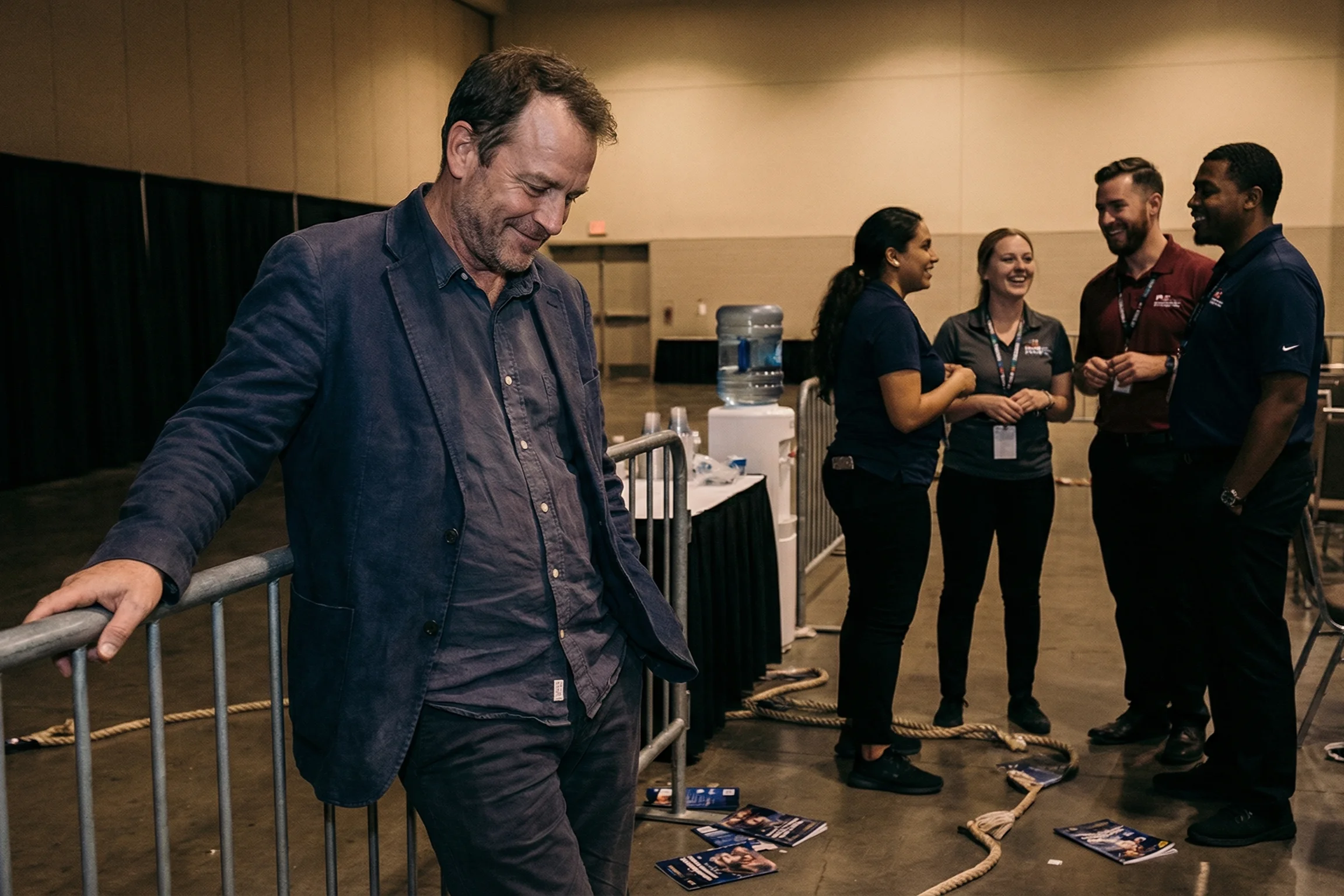
Advancement to event team leader depends more on repeat stability and exposure than on tenure alone.
Timelines vary.
Faster progression occurs when:
- Shifts are frequent
- Supervisors observe performance repeatedly
- Measurable responsibility is requested early
Slower progression occurs when:
- Attendance is inconsistent
- Escalation timing is delayed
- Lead slots are limited
In 2026, tighter labor budgets mean fewer leadership openings at times. According to the U.S. Bureau of Labor Statistics, the median annual wage for food service managers was $65,310 as of May 2024, making the leap into management one of the most financially rewarding moves a hospitality professional can make. Promotion is cumulative, not sudden.
Advancement to event team leader depends more on repeat stability and visibility than on tenure alone.
How Does an Event Team Leader Compare to a Supervisor or Manager?
An event team leader controls one zone, supervisors manage multiple zones, and managers oversee full-event outcomes.

As compliance requirements increase and labor ratios tighten, this leadership layer becomes more critical.
What Career Options Open After Becoming an Event Team Leader?
Event team leader experience qualifies you for supervisor, operations, staffing coordination, and venue leadership roles.
The role proves you can:
- Maintain coverage under pressure
- Protect guest flow
- Escalate risk early
- Coach staff performance
Common next roles include:
- Event operations manager
- Staffing coordinator
- Venue operations lead
- Client services lead
Automation may reduce routine tasks, but it increases exceptions. Leadership handles exceptions.
Event team leader experience proves you can protect stability under pressure, which is the core requirement for supervisor and operations roles.
How Do You Know If You Are Ready for an Event Team Leader Role?
If you consistently protect coverage, communicate clearly, and prevent issues from reaching clients, you are operating at the lead level.
Use this checklist:
- No late arrivals
- Credentials prepared
- Clear time-based updates
- Early bottleneck correction
- Calm performance coaching
- Timely escalation
In hospitality staffing jobs, consistency is more promotable than isolated strong shifts. Measure stability, not effort.
The Case for Earning the Role Before Holding It
The event team leader is a stability role, not a status title. When someone protects flow, timing, and client confidence under pressure, events remain controlled instead of reactive. For professionals in hospitality staffing jobs, advancement depends on visible reliability and structured decision-making, and those looking to build that track record can explore open roles directly through the Event Staff careers page. For planners, structured supervision reduces escalation risk and protects labor efficiency. If you are planning a conference, brand activation, or multi-city program and want aligned leadership coverage before doors open, you can start that conversation through a simple Get a Quote request and structure supervision based on event scale and risk profile. When leadership is structured and earned, growth becomes predictable, and execution becomes stronger.
Ready to elevate your next event?
Join thousands of event planners who trust EventStaff.com for reliable, professional staffing solutions.
Trusted by event professionals nationwide
1k+
Events Staffed
2 million+
Guests Served
97%
Positive reviews