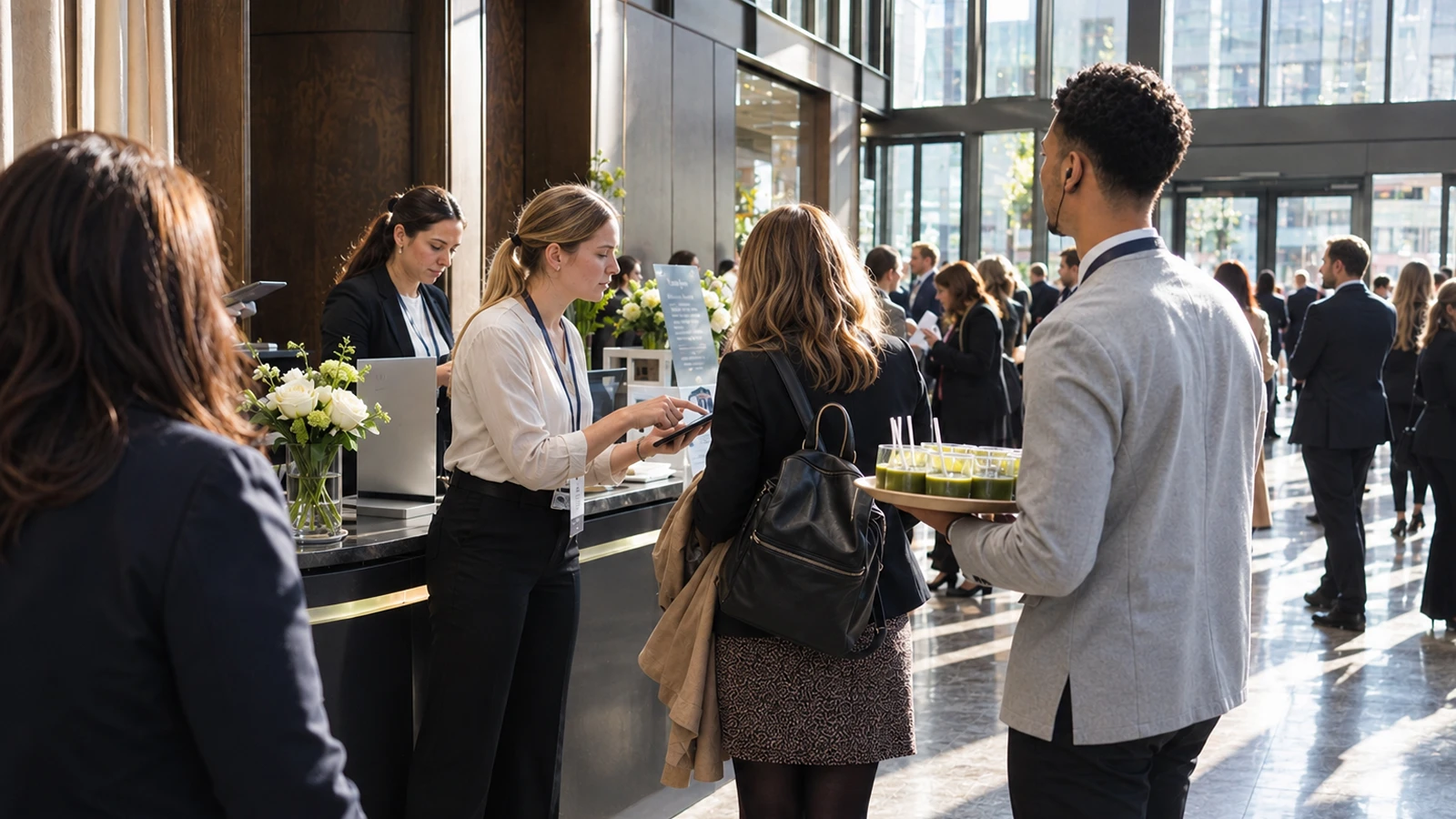

Taste of Chicago gives food, beverage, CPG, restaurant, and app-based brands something most product activations want: people who are already in a discovery mindset. They are walking through Grant Park ready to taste, compare, browse, and stop for something that feels worth their time.
That does not mean every activation gets attention. A food festival crowd is also dealing with vendor lines, live music, family plans, heat, payment flow, and dozens of other choices. For brands, the staffing challenge is turning a quick stop into a sample, a product memory, an opt-in, or a useful conversation before the guest moves on.
That is where event staffing in Chicago has to become more specific than booth coverage. At Taste-style events, the strongest teams separate first contact, sample handoff, product explanation, QR-code support, promotional outreach, and street teams so the interaction stays fast without becoming forgettable.
CEO Excerpt
“I look at food activations by asking what happens after the sample. If the guest tastes something and walks away without knowing the brand, the staffing plan missed the real moment. At a festival like Taste of Chicago, staff have to keep the interaction fast, but they also have to give people one clear reason to remember what they tried.”- Daniel Meursing, CEO, Eventstaff
Quick Answer
Event staffing in Chicago for Taste-style activations should be built around short, high-intent consumer interactions. Brands need brand ambassadors, product reps, sampling staff, promotional staff, and street teams who can move guests from curiosity to sample, signup, product understanding, or brand recall without slowing the food festival flow.

Taste Gives Brands Hungry Crowds, But Attention Is Split
Taste of Chicago returns to Grant Park from July 8 through July 12, 2026, with free admission and daily hours listed from 11 a.m. to 9 p.m. on the official City of Chicago page. Choose Chicago also describes Taste as the city’s signature food festival, built around local eats, live music, and lakefront activity in Grant Park.
For brands, that matters because the audience is already open to trying something. A person walking through Taste is more likely to sample, compare flavors, notice packaging, ask about an offer, or scan a useful promotion than someone moving through a random sidewalk crowd.
The issue is attention. Guests may be hungry, but they are also comparing vendor lines, looking for friends, checking music times, deciding where to sit, handling payment, moving with children, or walking toward the next stage. A brand has a short window to make the stop feel worthwhile.
This is why experiential marketing staffing for product activations has to be more deliberate at food festivals. The staff cannot rely on the sample alone. They need to know how to invite the right person in, make the product clear, and protect the flow when several people arrive at once.

The Sample Is Only the Start of the Interaction
A sample can start a good brand moment, but it can also disappear quickly. Someone tastes something, nods, walks away, and never remembers the brand, the product, or the offer. That is a common risk when the handoff is treated as the whole activation.
At Taste of Chicago, that risk becomes sharper because the audience is surrounded by food choices. A guest may try one sample, buy from another vendor, pass three food trucks, and then head toward the stage. If the staff do not connect the taste to a simple message, the product becomes part of the general festival blur.
The better staffing plan separates the interaction into smaller jobs. Brand ambassadors create the first stop. Sampling staff keep the handoff clean. Product reps answer the question that comes after interest. Promotional staff support the QR code, coupon, app download, loyalty offer, or follow-up action.
Street teams can extend the campaign beyond the booth when the brand needs broader movement. At a Grant Park event, they can engage people near walking paths, food lines, sponsor areas, and festival edges without turning every interaction into a long pitch. Their job is to create interest and guide the right guests back to the activation.
The Taste of Chicago Activation Staffing Map
The table below is the practical planning asset for brands considering event staffing in Chicago for Taste-style product activations. It keeps the staffing conversation focused on what happens at each guest touchpoint.
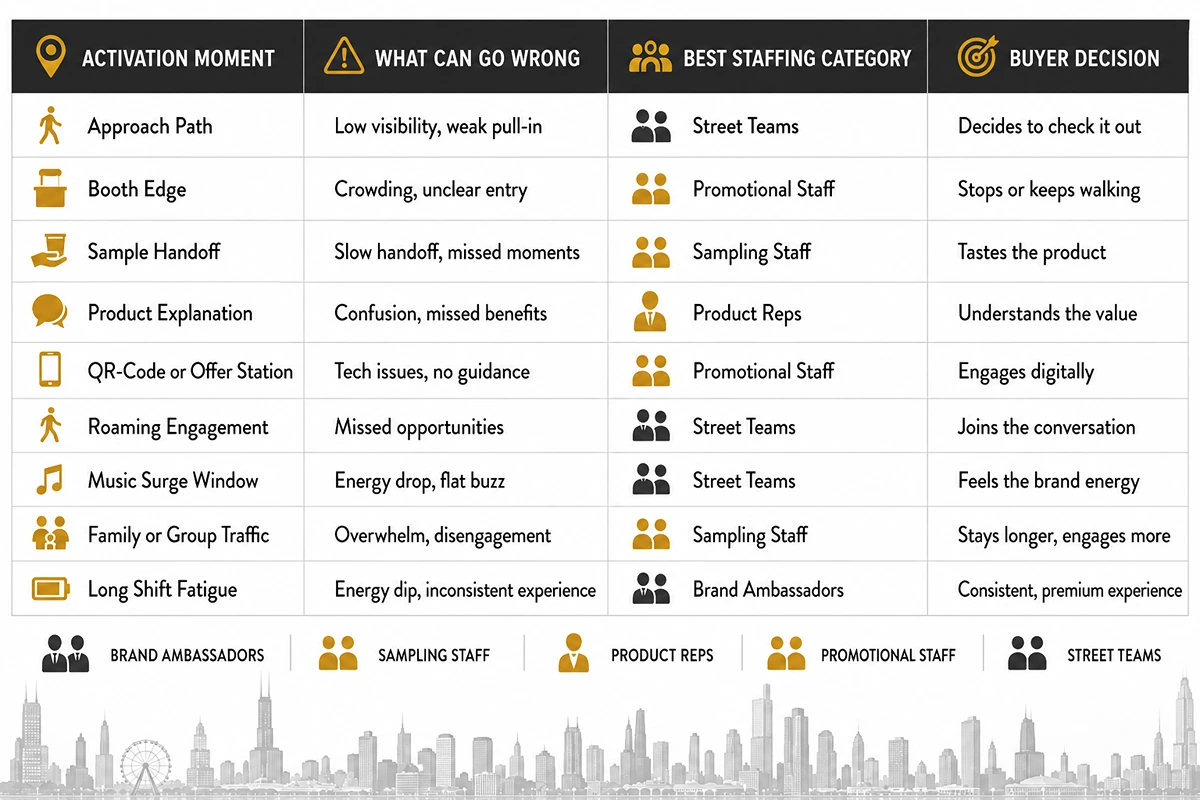
This is the part many brands underestimate. A booth may look simple from the outside, but it contains several different staffing needs once the crowd builds.
If one person is trying to greet guests, hand out samples, explain the product, manage the QR code, answer questions, and keep the booth clean, the interaction starts to break down. The guest feels the confusion before the brand sees it in the results.

Where Event Staffing in Chicago Changes the Activation Plan
Event staffing in Chicago for Taste of Chicago has to account for the city setting, not just the event category. Grant Park sits in the downtown lakefront core, where festival traffic can mix with tourists, office workers, families, transit riders, hotel guests, and people moving between other summer plans.
The official Taste schedule also separates the event into 5-day food vendors, pop-up vendors, food trucks, Snack Shack, and Main Stage food. The same page notes that food vendors will accept credit cards only and that no food tickets will be sold.
That detail matters for brand activations. Guests are already making individual payment decisions at each vendor rather than using a single ticket system. If a brand adds an app download, QR code, coupon redemption, or loyalty signup, staff need to make that step feel simple.
The brand should avoid adding friction to a guest who is already managing menus, lines, music timing, and payment. Promotional staff can help by explaining the offer clearly, helping with the scan, and keeping the line moving if the phone step takes longer than expected.
This is also where street teams can be useful. They can create awareness beyond the booth and direct interested people toward a specific offer, sample, or product moment. The key is making their outreach short, useful, and tied to the guest’s reason for being at Taste.

Product Activations Need Staff Who Can Explain Without Slowing the Line
Food and beverage product activations need more than energy. A guest may ask about ingredients, flavor, caffeine, allergens, packaging, where to buy, whether the product is local, how the offer works, or why the brand is at Taste.
That is where product reps become important. Brand ambassadors can attract attention and start the interaction, but product reps are better suited for the questions that require detail. At a food festival, weak product knowledge can make a brand feel forgettable very quickly.
This is especially important for experiential marketing staffing for product activations. If the campaign includes a new beverage, packaged snack, restaurant concept, delivery app, subscription offer, or retail product, staff need to explain the product in a way that fits the pace of the event.
The explanation should not feel like a long sales pitch. It should be brief enough for the setting and clear enough to give the guest a reason to remember the product later. A strong product rep can adjust between a ten-second answer and a deeper conversation when the guest shows real interest.
The staffing plan should also decide what happens after the explanation. Does the guest scan a code, take a coupon, follow the brand, visit a partner location, use an app, or buy the product later? Product understanding and next action should be connected before the event begins.
Brand Experience Campaigns Need More Than a Booth Team
Event staffing for brand experience campaigns at Taste should be planned around the whole guest experience, not just the table. A brand experience may include visuals, samples, games, photo moments, coupons, product education, social prompts, and staff-led conversation.
The challenge is keeping all of that clean in a food festival setting. A booth that asks too much can slow down. A booth that asks too little can become a giveaway table with weak recall. The staff need to guide people through the right level of interaction for the moment.
Brand ambassadors should make the activation easy to understand from the outside. Promotional staff should keep the offer moving. Product reps should handle detailed questions. Sampling staff should protect the handoff. Street teams should extend the activation when the campaign needs wider reach across nearby festival movement.
Music programming adds another layer. The City of Chicago announcement for Taste’s return to the prime summer season names performers including Beach Bunny, Koffee, Common, Babyface, and Julieta Venegas. Performance timing can change when people are willing to stop.
Before a set, many guests may be moving with purpose. After a set, they may be more open to wandering, tasting, and engaging. A good staffing plan uses those shifts instead of expecting the same interaction pace all day.
Promotional Staffing for Consumer Engagement Events Should Protect the Opt-In
Promotional staffing for consumer engagement events becomes especially important when the brand wants more than visibility. If the goal is a QR scan, app download, coupon claim, loyalty signup, newsletter opt-in, or social follow, the staff need to protect the step where many people drop off.
A guest may like the sample and still avoid the scan if the value is unclear. They may start downloading the app and abandon it when friends keep walking. They may scan the code but leave before completing the form. They may take a coupon but never connect it to the product.
Promotional staff help reduce that drop-off. They explain the value exchange, keep the instruction short, and help guests complete the action without turning the booth into a phone support line.
At Taste, this matters because people are already spending money directly with vendors, checking menus, and moving between food and music. A brand asking for attention has to make the next action feel easy and worthwhile.
The strongest opt-in flow is usually simple. Tell the guest what they get, show them where to scan, help them complete the step if needed, and let them move. The staff should support the process without making it feel like a barrier to the sample or experience.
What Brands Usually Miss at Food Festivals
Many brands treat samples as the main result. That can create the feeling of activity because items are moving quickly and the booth looks busy. The real value comes when the sample connects to product understanding, brand recall, or a next action the guest is willing to take.
Another common mistake is expecting one general staffer to manage too many jobs. A person who is strong at greeting may not be the best person to explain the product. A person who understands the product may not be the best person to keep the booth edge moving. The campaign works better when each staff category has a clear role.
Brands also underestimate how much music timing changes the day. Taste is a long festival, and the crowd does not behave the same way from lunch through evening performances. Staff placement should adjust when people are browsing, eating, waiting for music, leaving a set, or moving through Grant Park.
Some teams under-brief product reps because they assume the product will speak for itself. That is risky at a food festival, where guests are comparing many tastes in a short period. Staff need simple, specific product language that helps the guest remember what they tried.
The final miss is break coverage. Taste runs long hours, and public-facing energy drops when staff are tired, hot, hungry, or stuck in the same role all day. A strong staffing plan rotates people before the experience starts to feel flat.
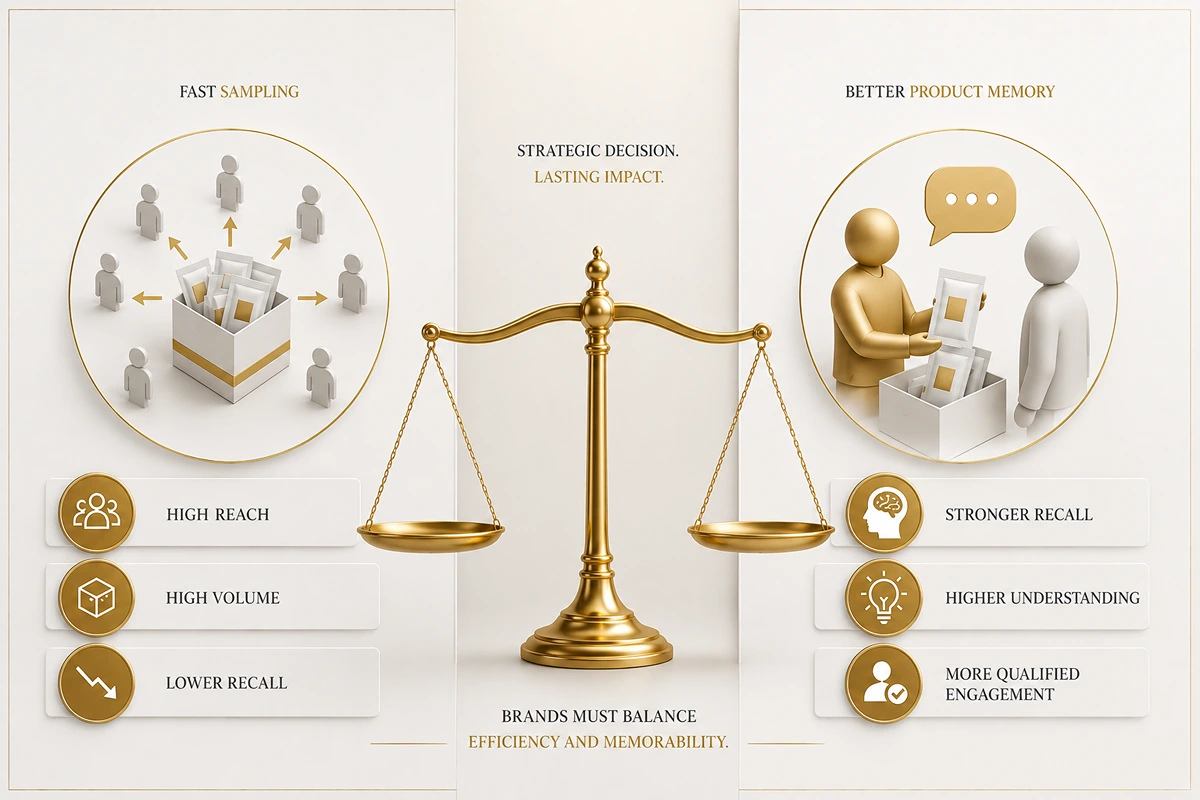
The Main Trade-Off: Fast Sampling or Better Product Memory
At Taste of Chicago, brands may feel pressure to move as many samples as possible. That can be the right goal when the campaign is purely about reach, but it can weaken results if guests leave without remembering the product or understanding the offer.
Better product memory usually requires a slightly more intentional interaction. That does not mean a long conversation. It means a sample handoff paired with one clear product point, one reason to care, and one next step if the guest wants more.
This is where staffing choices matter. Sampling staff can keep the line moving while product reps handle deeper interest. Promotional staff can support the opt-in. Brand ambassadors can keep the booth welcoming. Street teams can bring the right people toward the activation.
The goal is not to slow the festival down. The goal is to keep the interaction fast enough for Taste while giving the guest something to remember after they leave Grant Park.
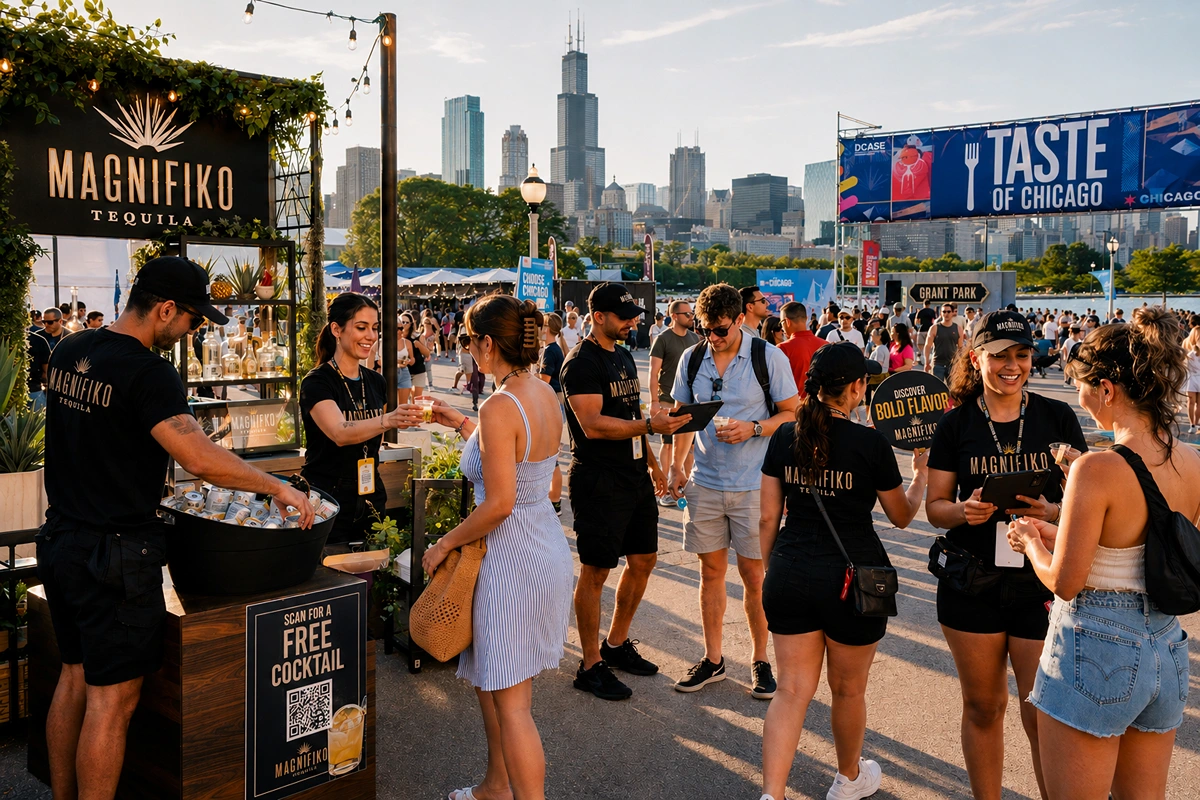
How Eventstaff Fits Taste-Style Activations
Eventstaff fits Taste-style activations when brands need a team built around the real movement of a public food festival. That includes brand ambassadors for first contact, product reps for product explanation, sampling staff for taste trials, promotional staff for offers and opt-ins, and street teams for wider festival engagement.
This kind of staffing is useful for food and beverage brands, CPG launches, restaurant groups, delivery apps, sponsor booths, loyalty campaigns, and consumer engagement programs. Each campaign may have a different goal, but the same staffing principle applies: the guest should understand the offer quickly and move through the interaction without confusion.
For brands planning event staffing in Chicago around Taste of Chicago or similar Grant Park events, the staffing discussion should start before booth layout and signage are finalized. Once the team knows the offer, the sample process, the opt-in step, and the expected guest path, the right staff categories become easier to assign.
Eventstaff can support those plans with public-facing staff who know how to keep the guest experience organized, energetic, and clear. That matters when the brand is trying to turn festival attention into product trial, brand recall, and real consumer engagement.
Bottom Line
Taste of Chicago shows why event staffing in Chicago needs to be planned around the interaction, not just the booth. The crowd may be hungry and open to discovery, but guests are still balancing vendor lines, live music, payment flow, family movement, and limited attention.
For food brand activations, the strongest staffing plans separate first contact, sample handoff, product explanation, promotional opt-ins, and street team outreach. If your goal is more than handing out samples, Eventstaff can help build a team for Taste-style product activations, brand experience campaigns, and consumer engagement events in Chicago.
Ready to elevate your next event?
Join thousands of event planners who trust EventStaff.com for reliable, professional staffing solutions.
Trusted by event professionals nationwide
1k+
Events Staffed
2 million+
Guests Served
97%
Positive reviews