
Crowd management vs crowd control is one of those phrases that sounds academic until you're standing on a show floor watching a line double in ten minutes. Then it gets very real, very fast.
At a glance, both are about keeping people safe. In practice, they solve different problems at different moments. Crowd management shapes how attendees move before pressure builds. Crowd control steps in when something breaks, and safety is on the line.
If you're running conferences, brand activations, or large-scale events, this distinction isn't theoretical. It affects how you design layouts, where you place staff, how much you spend on labor, and how calm or chaotic the event feels. This guide breaks down crowd management vs crowd control, shows how they work together, and helps you decide when each is actually needed as part of modern event safety planning.
Executive Summary
Crowd management and crowd control are often used interchangeably, yet they serve two fundamentally different purposes in event safety. While management focuses on proactive planning and guest service to prevent congestion, control is the reactive enforcement triggered when safety is threatened. Mastering this distinction allows planners to reduce liability risks, stabilize labor costs, and preserve a positive attendee experience. This guide provides a strategic comparison and a decision checklist to help organizers determine the correct ratio of service staff to security personnel.
What Is Crowd Management?
.webp)
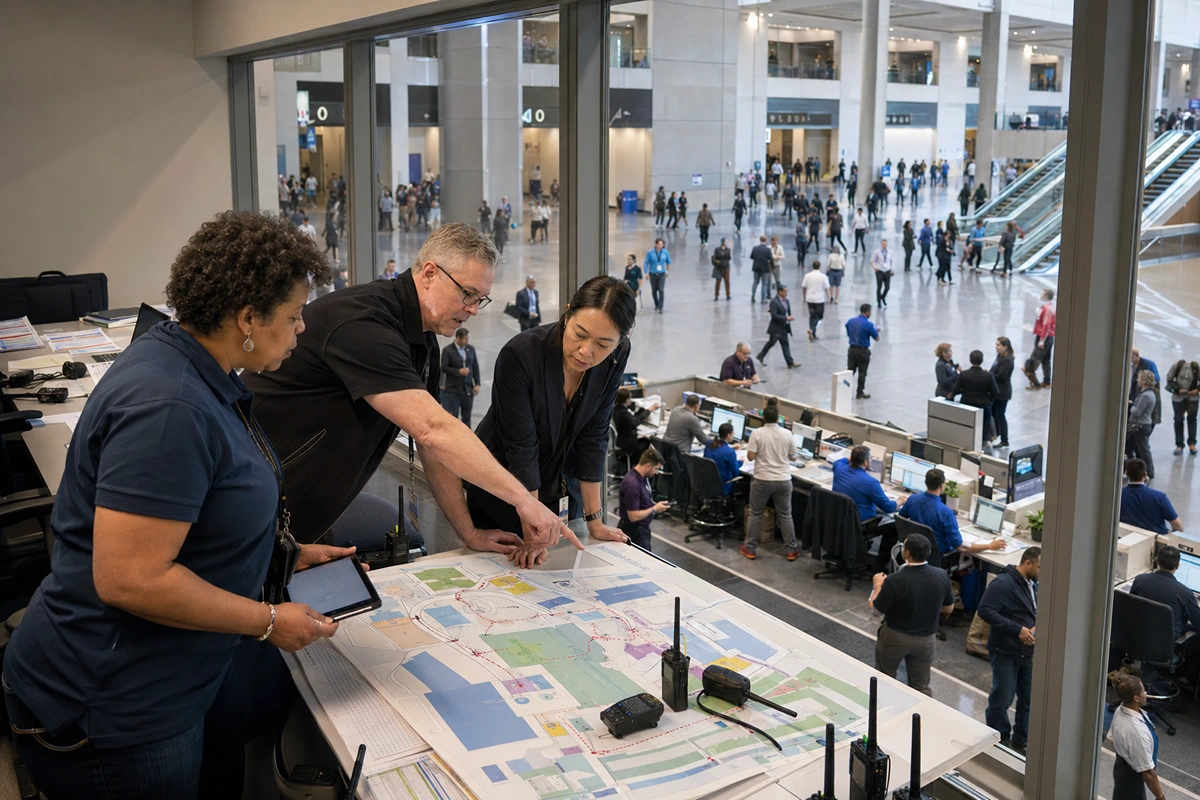
Crowd management is the quiet work that happens before anyone notices there's a crowd at all.
It's a proactive approach focused on planning and prevention. The goal is simple. Keep people moving safely and comfortably so problems never get the chance to form. In the conversation around crowd management vs crowd control, this is the side that lives in layouts, staffing plans, and small decisions that add up.
Effective crowd management at events starts early. Long before doors open, planners are already asking themselves where people will hesitate, where lines might collide, and where attention will spike, questions that mirror the psychology of event flow at stadiums and other high-capacity venues.
In practice, that looks like:
- Monitoring crowd density in high-traffic areas before it becomes visible
- Designing clear, intuitive entry and exit points
- Using signage and announcements that answer questions before guests ask them
- Positioning ushers or crowd marshals exactly where confusion tends to start
When you're managing event crowds well, it feels almost invisible. Guests flow naturally. Lines stay reasonable. Staff spend more time guiding than fixing.
Why crowd management matters
Strong crowd management keeps stress low, timelines intact, and staffing costs predictable. According to the Event Safety Alliance, 80% of incident-related risks stem from lapses in communication and environmental awareness, factors that proactive crowd management directly mitigates. Just as important, it reduces how often you need to rely on reactive crowd control strategies later.
CEO Excerpt
If your security team is the busiest group on the floor, your planning phase likely missed a critical step. We often conflate "Crowd Control" with "Crowd Management," but the former is reactive enforcement while the latter is invisible, proactive flow. The most successful events don't just hire guards; they design a seamless flow that makes heavy-handed enforcement unnecessary. In our latest read, we break down exactly where management ends and control begins so you can staff a safety strategy that protects your guests without killing the vibe.- CEO Event Staff
What Is Crowd Control?
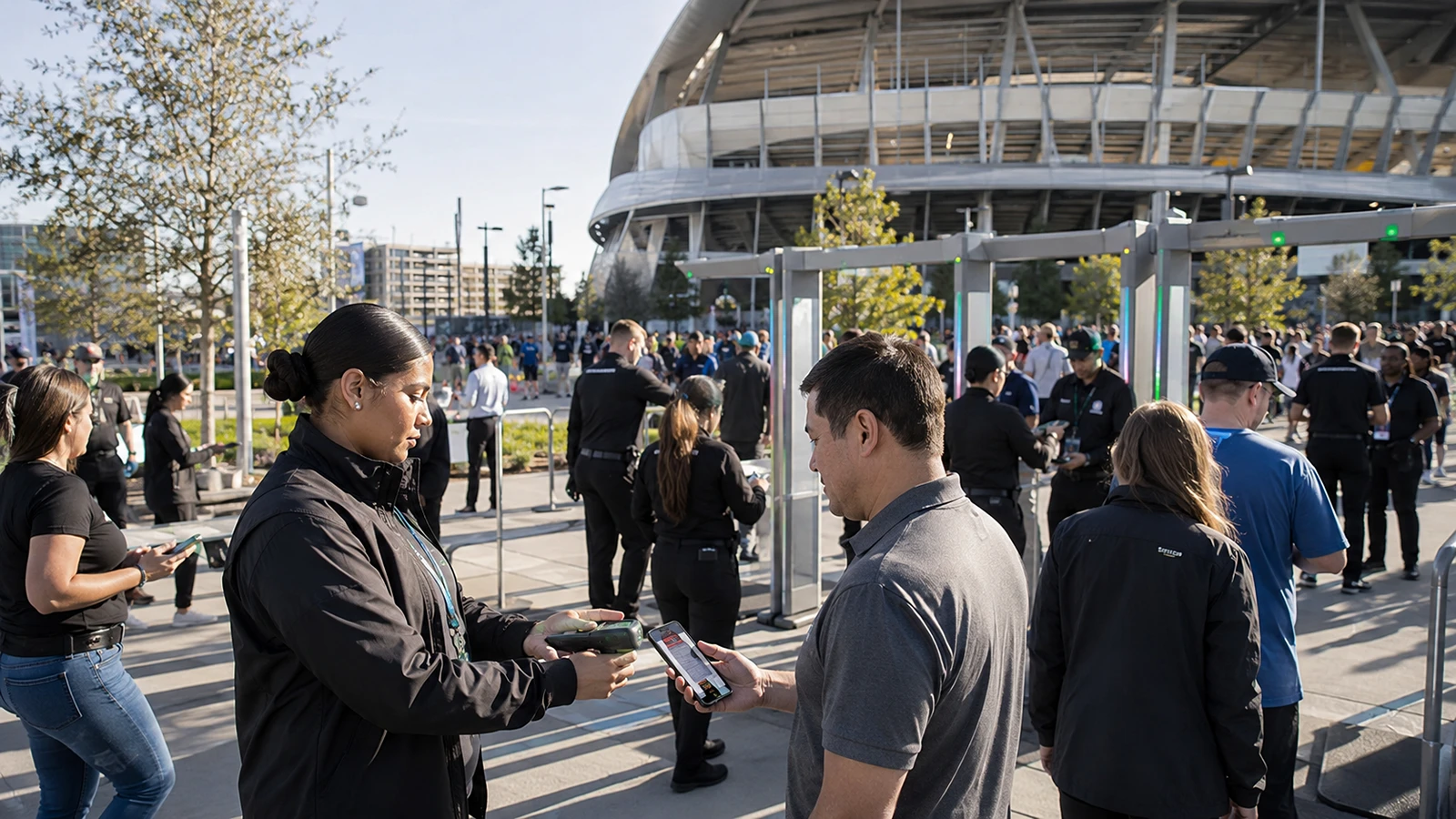
Crowd control is what happens when the plan meets reality and reality pushes back.
It's a reactive approach used when normal crowd flow breaks down and immediate action is required to protect safety. Within crowd management vs crowd control, this is the moment where guiding turns into enforcing.
Crowd control usually isn't triggered by one big failure. It's often a chain reaction. A delayed train unloads a surge. A weather shift sends people indoors. A medical incident blocks a corridor. Suddenly, density climbs faster than staff can redirect.
That's when crowd control strategies come into play:
- Deploying barriers or barricades to block or reroute movement
- Assigning trained security personnel or marshals with clear authority
- Activating emergency response plans during medical, weather, or security incidents
Crowd control requires fast decisions and clear ownership. Entry may need to stop. Access points may need to close. Groups may need to be dispersed before pressure builds further. The Department of Homeland Security (CISA) states that connecting with local authorities and developing plans to identify issues can 'mitigate or avoid' many security incidents at public gatherings.
Why crowd control matters
When something goes wrong, crowd control protects attendees and prevents escalation. In solid event safety planning, these actions are defined in advance so teams aren't debating next steps while risk increases.
What's the Difference Between Crowd Management and Crowd Control?
At its core, crowd management vs crowd control comes down to timing, intent, and responsibility.
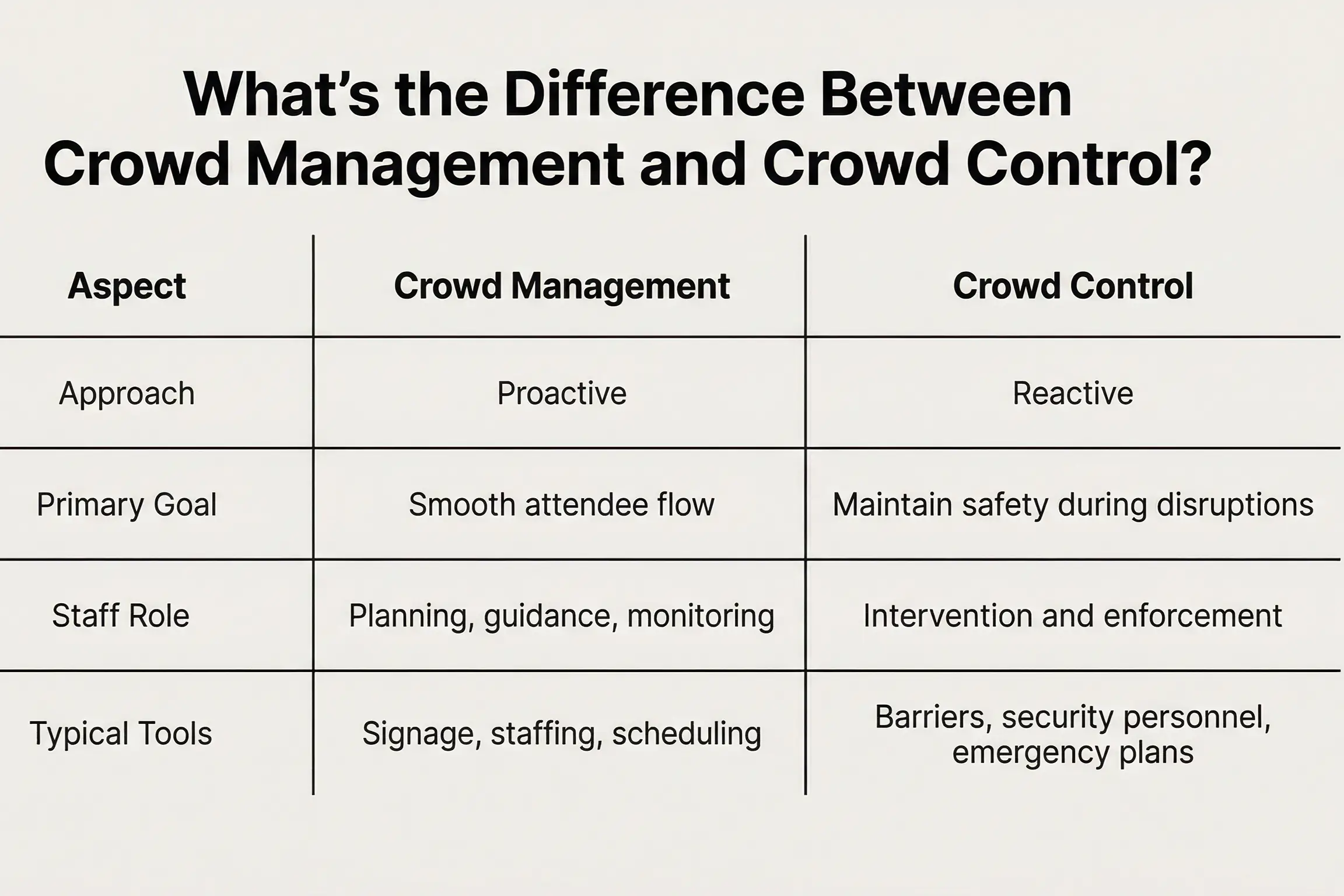
Crowd management is typically led by event planning and staffing teams. Crowd control is usually led by security teams authorized to enforce restrictions when risk rises.
When these roles aren't clearly defined, response slows. Guests get mixed instructions. Pressure builds in the wrong places. When crowd management at events and crowd control strategies are distinct but coordinated, much like the staffing mix needed for conferences, decisions are faster and outcomes are safer.
How Do You Implement Crowd Management at Events?
Implementing effective crowd management at events is less about adding more staff and more about placing the right staff at the right moments.
The foundation is advanced planning, but execution is ongoing. Conditions change. Schedules slip. Guests behave differently from what was expected. Understanding whether you need event runners and floaters can help you maintain flexibility when flow patterns shift.
Key steps for managing event crowds include:
- Mapping the full venue layout, including entrances, exits, transitions, and known congestion zones
- Assigning trained ushers or crowd marshals who can guide movement and answer questions quickly
- Monitoring flow in real time through cameras, sensors, or on-site reporting
- Communicating clearly with signage, announcements, and mobile alerts
Good event safety planning assumes peaks will be uneven. Arrival waves stack. The program breaks release people all at once. Supervisors need the authority to reposition staff without waiting for approvals.
When crowd management is treated as an ongoing operational task rather than a one-time setup, events feel calmer and require far fewer reactive crowd control strategies. This operational mindset is essential whether you're staffing VIP sponsor lounges or managing general admission areas.
When Is Crowd Control Necessary?
Crowd control becomes necessary when planned flow is disrupted, and safety is at risk. In the framework of crowd management vs crowd control, this is the handoff point from prevention to intervention.
Common situations that call for crowd control strategies include:
- Sudden surges at entrances or exits that exceed planned capacity
- Unplanned incidents such as medical emergencies, security threats, or severe weather
- High-risk environments like concerts, festivals, or large sporting events
These moments shouldn't be surprises. As part of event safety planning, teams should define clear triggers that signal when to shift from managing flow to enforcing restrictions. Density thresholds. Blocked access points. Direction from venue or security leadership.
Strong crowd management at events reduces how often this shift is needed. It doesn't remove the need for crowd control. The safest events are prepared for both and know exactly when to transition, a principle that applies whether you're working with brand ambassadors at trade shows or managing stadium crowds.
Your Decision Checklist: Balancing Management and Control
.webp)
Determining the right balance between crowd management and crowd control depends on event type, audience behavior, and capacity margins. Premium event planners should make this decision during early event safety planning, not the week of production.
Use the checklist below to guide your staffing and operational strategy.
1. Is Your Attendee Flow Continuous or Pulsed?
Continuous Flow Events
Examples include trade shows, open houses, and exhibitions. Attendees arrive and move throughout the day at staggered intervals.
For these events, prioritize crowd management at events:
- Strong signage and wayfinding
- Service-oriented ushers
- Real-time density monitoring
- Flexible floor supervisors
Friendly guidance and visibility prevent congestion from forming.
Pulsed Flow Events
Examples include concerts, keynote sessions, and sporting events. Large groups move simultaneously during entry, intermissions, and exit.
For these events, robust crowd control strategies must be built in:
- Structured entry lanes
- Controlled access points
- Physical barriers were necessary
- Security personnel positioned at pressure zones
When thousands move at once, guidance alone is rarely sufficient.
2. What Is the Emotional Temperature of the Event?
Emotional intensity directly affects how you manage event crowds.
Low to Neutral Emotional Environment
Corporate trainings, dinners, and private receptions typically require minimal enforcement. Service-driven crowd management is often enough to maintain smooth flow.
High Energy or High Anticipation Environment
Product launches, celebrity appearances, festivals, and championship games carry heightened emotion. Excitement can quickly turn into pushing or crowd compression.
In these cases, a clear separation between crowd management staff and crowd control leadership is essential. Enforcement authority must be visible and prepared before density peaks.
3. What Is Your Capacity Margin?
Capacity is one of the strongest predictors of risk in crowd management vs crowd control decisions.
- Below 70 percent capacity:
Light crowd management at events may be sufficient. Signage, trained staff, and proactive monitoring typically maintain stability. - Between 70 and 90 percent capacity:
Increase supervision and deploy zone leads. Real time monitoring becomes critical. - Above 90 percent capacity:
Crowd control strategies should be active and ready. Physical barriers, controlled entry, and clear enforcement authority are mandatory. As density increases, the margin for error disappears.
Strategic Takeaway for Event Planners
Balancing crowd management vs crowd control is not about choosing one approach. It is about aligning staffing, authority, and communication with your event profile.
When event safety planning accounts for flow type, emotional intensity, and capacity margins, you reduce liability, protect guest experience, and maintain brand integrity. Proactive planning allows you to manage event crowds confidently while ensuring security teams are ready if conditions shift.
Integrating Management and Control
Understanding crowd management vs crowd control gives event planners more control before issues arise and more confidence when conditions change. Crowd management keeps events moving through planning, staffing, and communication, while crowd control protects safety when disruption demands immediate action. When these approaches are clearly defined and coordinated, planners reduce incidents, stabilize staffing costs, and protect the attendee experience. Used together as part of thoughtful event safety planning, crowd management at events, and crowd control strategies help deliver safer, smoother events in 2026 and beyond. Get a quote today to secure the experienced teams you need for your next production.
Ready to elevate your next event?
Join thousands of event planners who trust EventStaff.com for reliable, professional staffing solutions.
Trusted by event professionals nationwide
1k+
Events Staffed
2 million+
Guests Served
97%
Positive reviews