

If you are planning a live event, product push, pop-up, or public-facing campaign, there is a point where logistics alone stop being enough. You may have a good venue, a polished setup, and a capable internal team, but if nobody is actively drawing people in, starting conversations, guiding the guest journey, or representing the brand with energy and consistency, the event can still feel flat. That is usually the moment promo staff become the right hire.
The question is not simply whether you need more people on site. It is whether you need the kind of people who can create visibility, engagement, and momentum in real time. In this guide, we break down when promo staff make sense, what they actually contribute, and how to tell whether your campaign calls for experiential staff, street teams, booth staff, or popup staff.
CEO Excerpt
“Over the years, I’ve seen campaigns succeed or stall based on one simple factor: whether the right people were in front of the audience at the right moment. Great promo staffing is not filler. It is what turns foot traffic into conversations, attention into action, and a branded setup into a real experience. At Eventstaff, we focus on placing people who understand how live engagement actually works, because that is what clients remember and what audiences respond to.”- CEO, Eventstaff

What Promo Staff Are Hired to Do
At the most practical level, promo staff are there to help brands show up actively, not passively. They do not just stand beside signage or wait for people to approach. They help create movement around the brand.
That can mean greeting attendees, distributing samples, demonstrating products, qualifying interest, collecting leads, directing guests, explaining offers, or increasing visibility in a crowded setting. In some campaigns, they are the first point of contact. In others, they are the difference between a good-looking setup and one that actually performs.
This matters because live events move quickly. Attention spans are short. Guests are distracted. Even well-produced activations can underperform if nobody is making the experience easy, inviting, and worth stopping for.
Good promo staff add structure to that moment. They help your campaign feel staffed with purpose rather than simply populated.
When Promo Staff Make the Most Sense
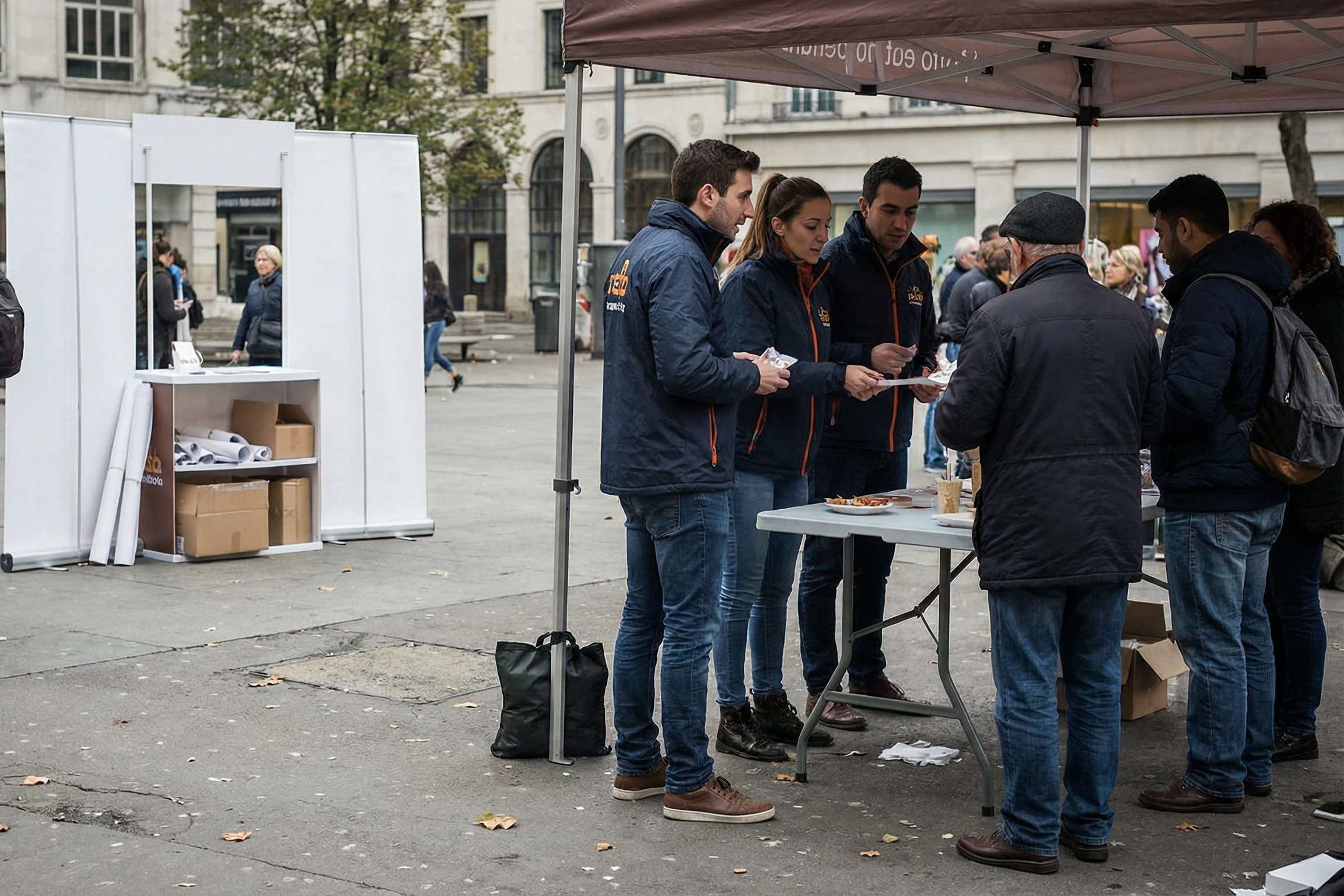
The best time to hire promo staff is when your campaign relies on public interaction. If the event’s success depends on people noticing the brand, approaching the setup, asking questions, trying something, or taking a next step, this role starts making sense quickly.
They are especially useful in a few settings.
Product launches and sampling campaigns
When you are introducing something new, you need more than setup support. You need people who can help guests understand what they are seeing and why it matters.
That is where promo staff are valuable. They keep the launch active, answer basic questions, guide sampling, and reduce the awkward gap between curiosity and participation. Without that layer, many guests simply keep walking.
Trade shows and booth environments
Booth traffic is rarely consistent. It comes in waves, and when it does, your team needs to respond quickly. Some attendees want a fast overview. Others want a short product explanation. Others are only stopping because someone made the booth feel approachable.
In those settings, booth staff help hold the front line. They keep the space from going flat during slow periods and from becoming disorganized during busy ones.
Pop-ups and short-term activations
Pop-ups often look simple from the outside, but on site they can be fast-moving and unpredictable. Guests may need help understanding the flow, navigating a branded experience, or moving from entry to interaction to conversion.
That is where popup staff help. They keep the space active without making it feel chaotic, especially when the campaign is temporary and every hour matters.
Street-level awareness pushes
Some campaigns are built around visibility and reach rather than a fixed event footprint. You may be targeting a neighborhood, a high-traffic retail corridor, a festival perimeter, or commuter-heavy pedestrian zones.
That is when street teams are often the stronger fit. They can help take the message into the environment instead of waiting for the audience to come to you.
Events where your internal team is already stretched
A common mistake is assuming your own team can manage guest interaction on top of everything else. In reality, internal staff are often focused on operations, client management, product issues, VIP handling, or senior stakeholder needs.
If they are already carrying enough, promo staff give you a dedicated engagement layer. That separation usually improves both execution and audience experience.

Which Type of Promo Staff Fits Your Campaign Best
Not every promotional campaign needs the same staffing model. This is where many hiring decisions go wrong. A brand knows it needs support, but it hires too generally. The better approach is to match the staffing type to the environment, audience behavior, and campaign goal.
Experiential staff for hands-on brand interaction
If the campaign is built around participation, guided demos, product storytelling, or branded moments, experiential staff are often the best choice.
They are useful when the interaction itself is the campaign. Maybe guests need to try something, move through a branded activity, engage with a product display, or be guided through a multi-step activation. In those settings, experiential staff help manage both the human side and the pacing side of the experience.
They are also strong when a brand wants polished representation without the stiffness that can make activations feel transactional. The right experiential staff can hold attention while keeping the interaction natural.
Booth staff for structured trade show support
Booth staff are most useful when the challenge is volume, visibility, and front-end engagement in an expo environment.
Trade shows are noisy, competitive, and fast. Brands are fighting for attention in a space where everyone is promoting something. Booth staff help your team handle first-contact conversations, answer simple questions, direct traffic, and keep the booth from becoming passive.
They also create breathing room for sales reps or subject-matter experts who need to focus on more qualified conversations.
Popup staff for temporary branded spaces
Popup staff work best when the event footprint is short-term but customer-facing. These activations often need people who can greet, guide, manage lines, support product interaction, and protect the feel of the brand in a compact space.
Because pop-ups are often time-sensitive, the staffing needs to be flexible. A quiet hour can shift into a crowd surge quickly. Popup staff help smooth that shift without making the environment feel overmanaged.
Street teams for outreach and public visibility
Street teams make the most sense when the campaign goal is reach. You are not just staffing a branded area. You are taking the promotion into the path of the audience.
They work well for awareness pushes, local launches, retail foot-traffic campaigns, festival outreach, and commuter-zone distribution. Strong street teams know how to be proactive without being intrusive. They can move energy outward, create repetition around the brand, and drive people toward a destination, offer, or event touchpoint.
For the right campaign, street teams are not an extra. They are the campaign’s main engine.

Signs You Should Hire Promo Staff Earlier Than Planned
Many brands wait until the final planning stage to think about staffing. By then, the event concept is locked, the footprint is set, and the audience plan is already in motion. That often leads to rushed hiring or the wrong staffing mix.
A few signs usually point to the need earlier.
First, your guest experience depends on interaction, not just attendance. If people need to be welcomed, guided, educated, or encouraged to engage, staff planning should happen early.
Second, the setup looks good on paper, but there is no clear plan for who starts the conversation. That is a common gap. Visual design gets handled. Product messaging gets handled. Human engagement gets left vague.
Third, your internal team is already committed elsewhere. If account leads, marketers, or sales staff are expected to run the event and engage guests at the same time, something usually slips.
Fourth, the event has short windows of high traffic. In those cases, timing matters as much as headcount. You need the right people ready before the rush, not after it.

What Good Promo Staff Change on Site
The value of promo staff becomes easiest to see once the event starts. They change how the event feels from the guest perspective and how the event runs from the brand perspective.
From the guest side, they make the brand easier to approach. They reduce hesitation. They create a warmer first impression. They make it clearer where to go, what to do, and why it is worth stopping.
From the brand side, they improve consistency. Messaging gets repeated more clearly. Guest flow becomes more manageable. Key interactions do not depend entirely on one overextended manager or one highly technical team member.
This is also where the subservice mix matters. Experiential staff can deepen participation. Street teams can widen reach. Booth staff can protect the front of house at an expo. Popup staff can keep a compact activation moving smoothly.
That is why the question is rarely “Do we need staff?” It is usually “What kind of staffing support changes the outcome most?”
How Eventstaff Matches Promo Staff to the Campaign
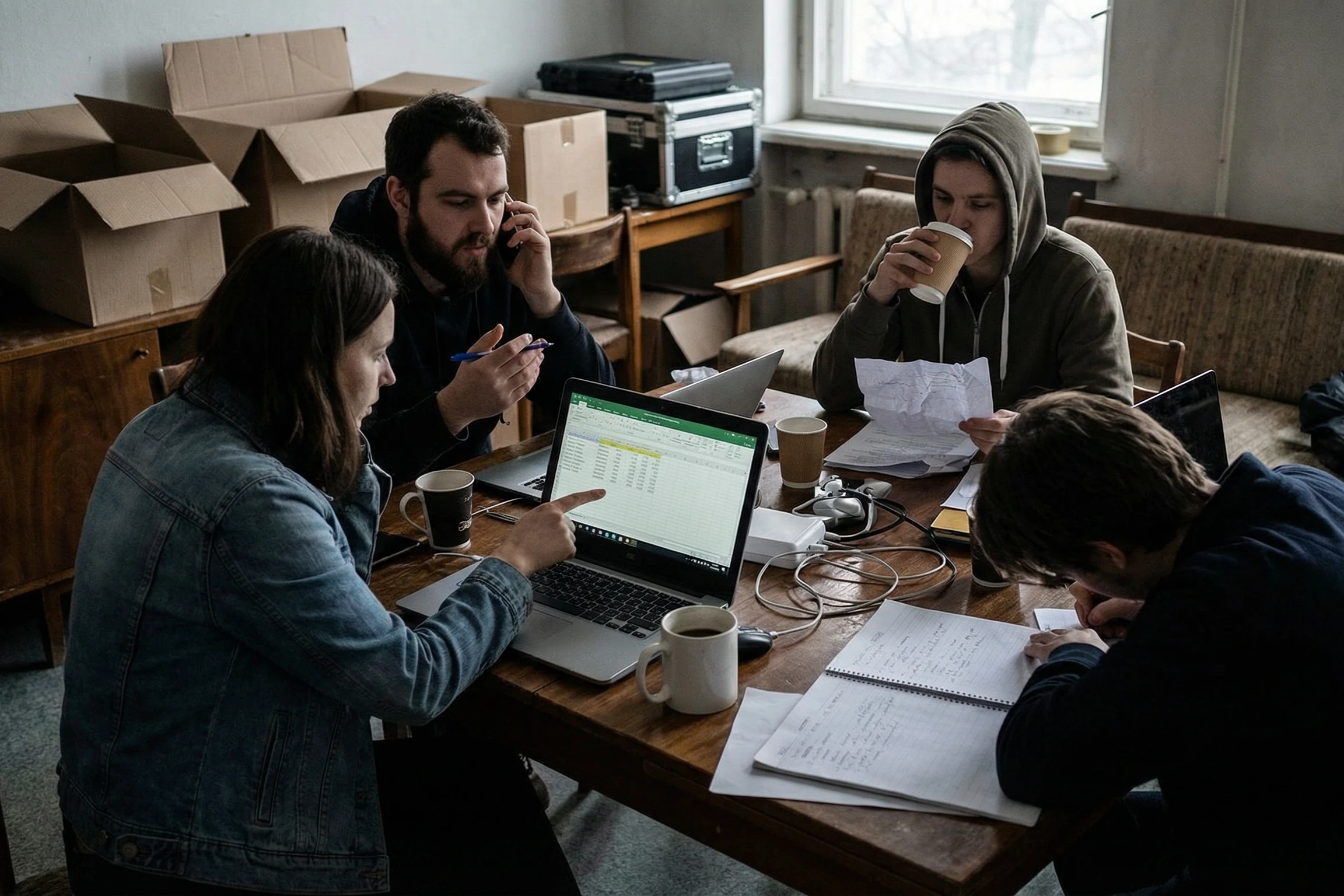
At Eventstaff, the right promotional staffing decision starts with the campaign goal, not the job title.
If the event needs guided interaction, we look more closely at experiential staff. If it is a high-footfall public push, street teams may be the better recommendation. If it is an expo setting with uneven traffic and quick visitor decisions, booth staff usually make more sense. If the activation is temporary, compact, and consumer-facing, popup staff may be the strongest fit.
We also look at simpler but important realities: how much explanation the product needs, how fast guest flow may change, whether the audience is warm or cold, and how much of the brand experience depends on staff presence rather than static assets.
That approach helps avoid generic staffing decisions. It also makes it easier to build a team that fits the campaign instead of forcing the campaign to adapt to the team.
Mistakes to Avoid When Hiring Promo Staff
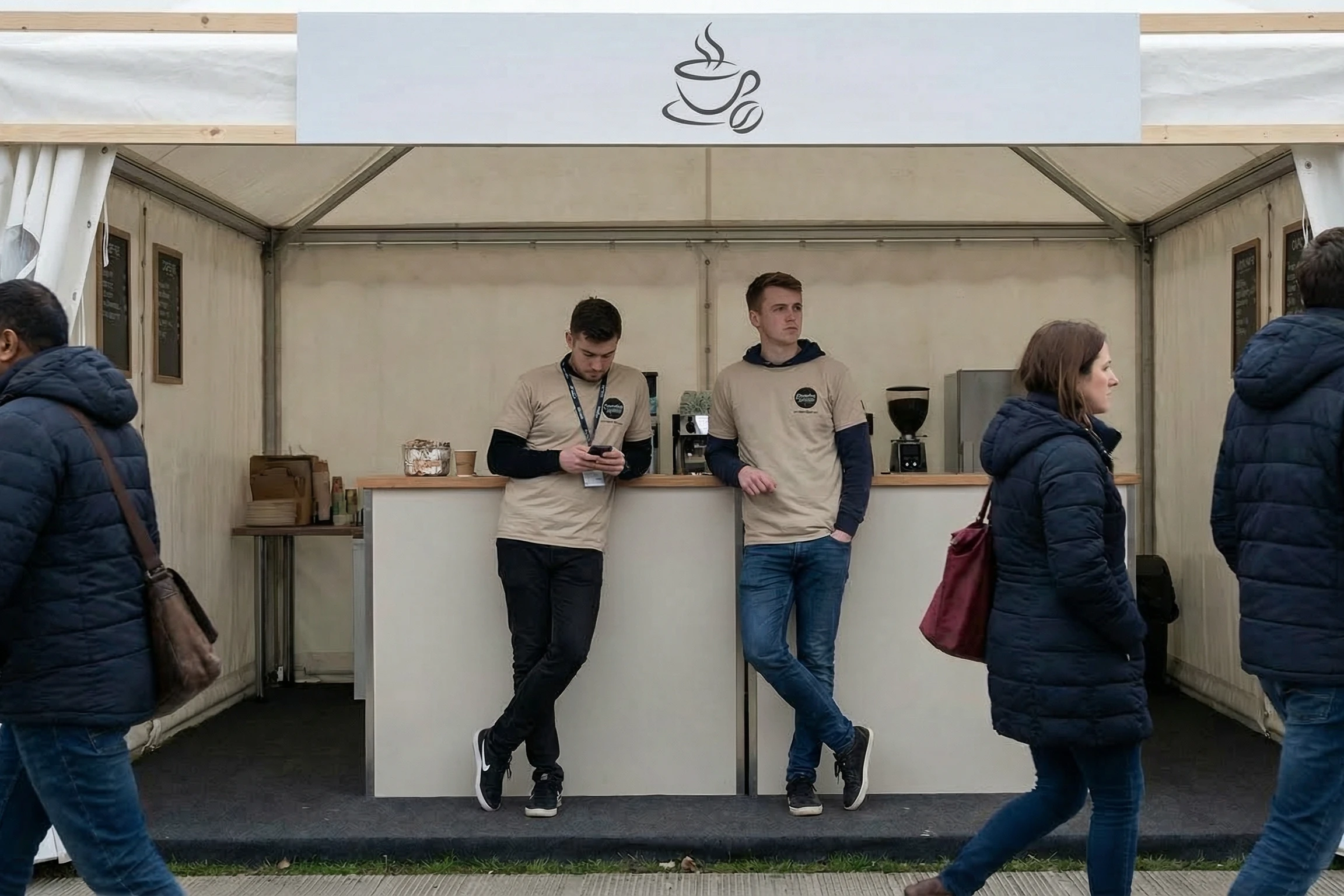
One mistake is hiring only for energy. Strong presence matters, but it is not enough on its own. A campaign may need confident outreach, careful product handling, structured lead capture, or polished guest management. Those are not identical skill sets.
Another mistake is treating all promotional roles as interchangeable. They are connected, but they are not the same. Experiential staff are not automatically the right answer for a street-level flyering push. Street teams are not automatically the best fit for a product demo that needs more control and explanation.
A third mistake is waiting too long to brief the team. Promotional staffing works best when the staff understand what success looks like. Are they driving awareness, collecting leads, distributing samples, increasing dwell time, or directing traffic to a conversion point? The answer changes how they work.
The last mistake is underestimating scale. Some campaigns do not fail because the staff were weak. They fail because there were not enough of them at the exact moments when demand spiked.
Final Words
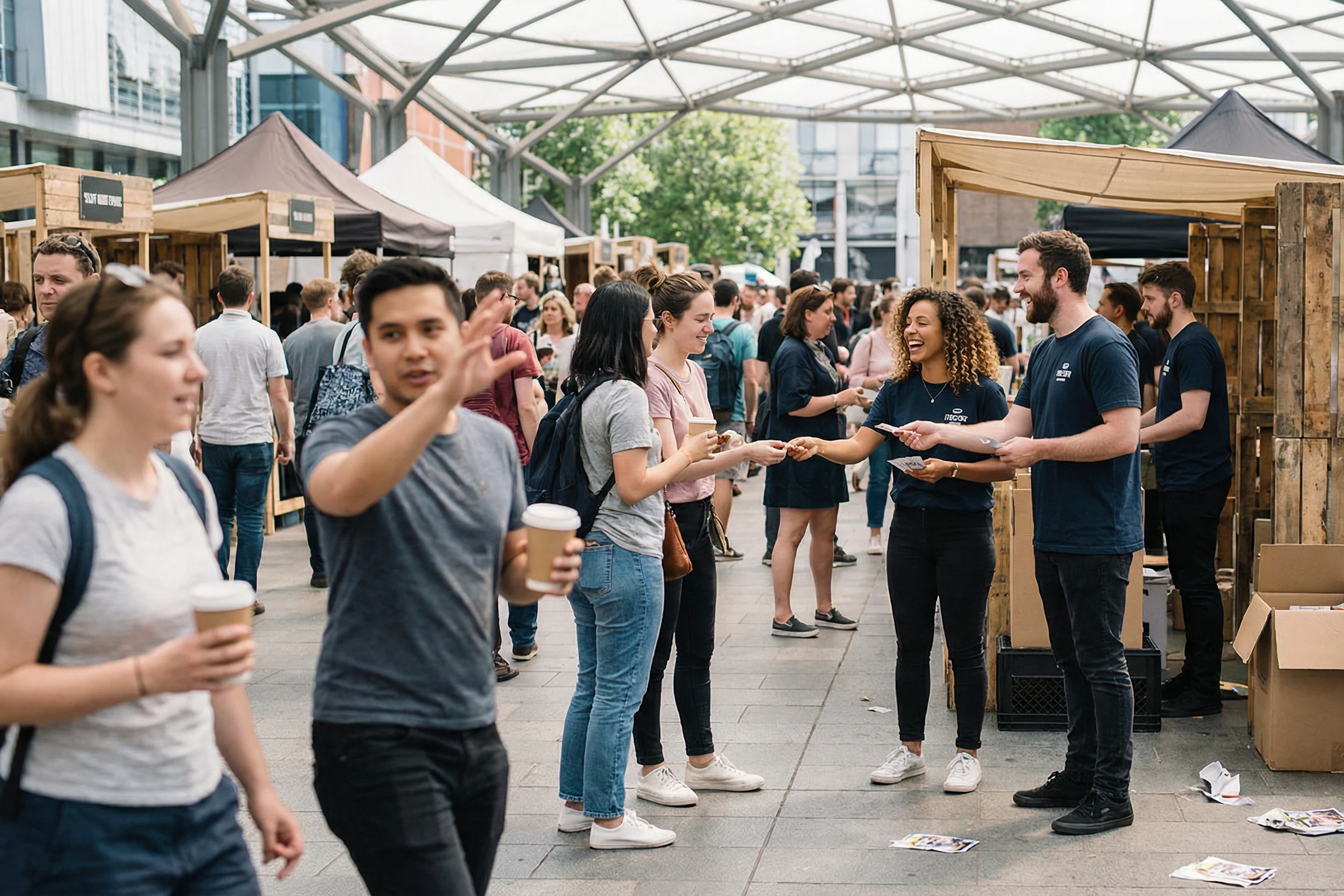
You should hire promo staff when your event or campaign needs active brand presence, real guest interaction, and people who can help turn attention into action. That need can show up in a trade show booth, a pop-up, a product launch, or a street-level outreach push. The key is not just adding bodies. It is choosing the right support model.
When the campaign calls for guided engagement, experiential staff may be the best fit. When it calls for public-facing reach, street teams may do more for the outcome. And when the environment is more structured, booth staff or popup staff may be the smarter choice. The earlier you make that distinction, the stronger the event usually performs.
Ready to elevate your next event?
Join thousands of event planners who trust EventStaff.com for reliable, professional staffing solutions.
Trusted by event professionals nationwide
1k+
Events Staffed
2 million+
Guests Served
97%
Positive reviews