
What Brand Engagement Strategies Actually Feel Natural at Events?
Executive Summary
Most brand engagement strategies fail because they feel forced. Attendees don't want to be sold to, stopped, or scripted. They want experiences that feel optional, useful, and human. The difference between ignored activations and memorable ones comes down to how naturally the interaction fits into the attendee's flow. This guide breaks down which brand engagement strategies actually work at events, why aggressive tactics fail, and how to design interactions that people willingly engage with.
Why Most Brand Engagement Strategies Feel Forced
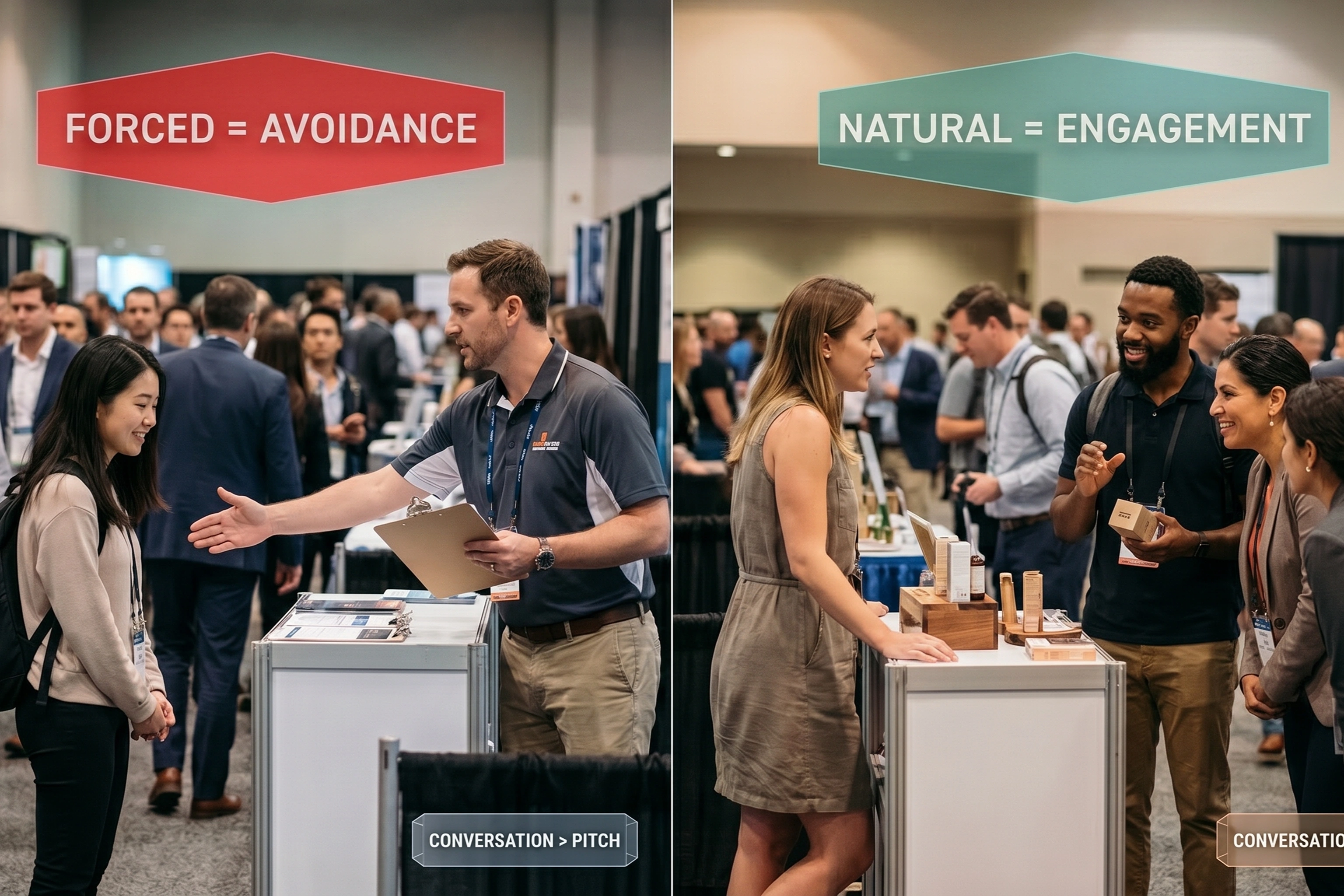
Most brand engagement strategies at events look like this: clipboard surveys, aggressive sampling, scripted pitches. Attendees respond the same way: avoid eye contact, walk faster, and decline interaction.
Quick reality: If someone has to stop what they're doing to engage with you, your strategy is broken. This is why professional brand activation strategies require careful planning and skilled staff.
Attendees dislike interruption, obligation, and obvious selling. These kill brand engagement at events instantly.
Real Example: Willy's Chocolate Experience (Glasgow, 2025)
Willy's Chocolate Experience marketed itself as an immersive Wonka-inspired adventure with elaborate decorations and unlimited samples at £35 per ticket. Attendees found: a sparse warehouse, jelly beans, and half a cup of lemonade. Police were called. Full refunds issued.
The lesson: Aggressive overselling with zero delivery destroys brand trust and staff credibility.
The CEO Insight
“Brand engagement doesn’t fail because of bad ideas it fails because of poor execution. The brands that win at events are the ones that respect attendee behavior and design interactions that feel natural, not forced.”- Daniel Meursing
6 Brand Engagement Strategies That Actually Work
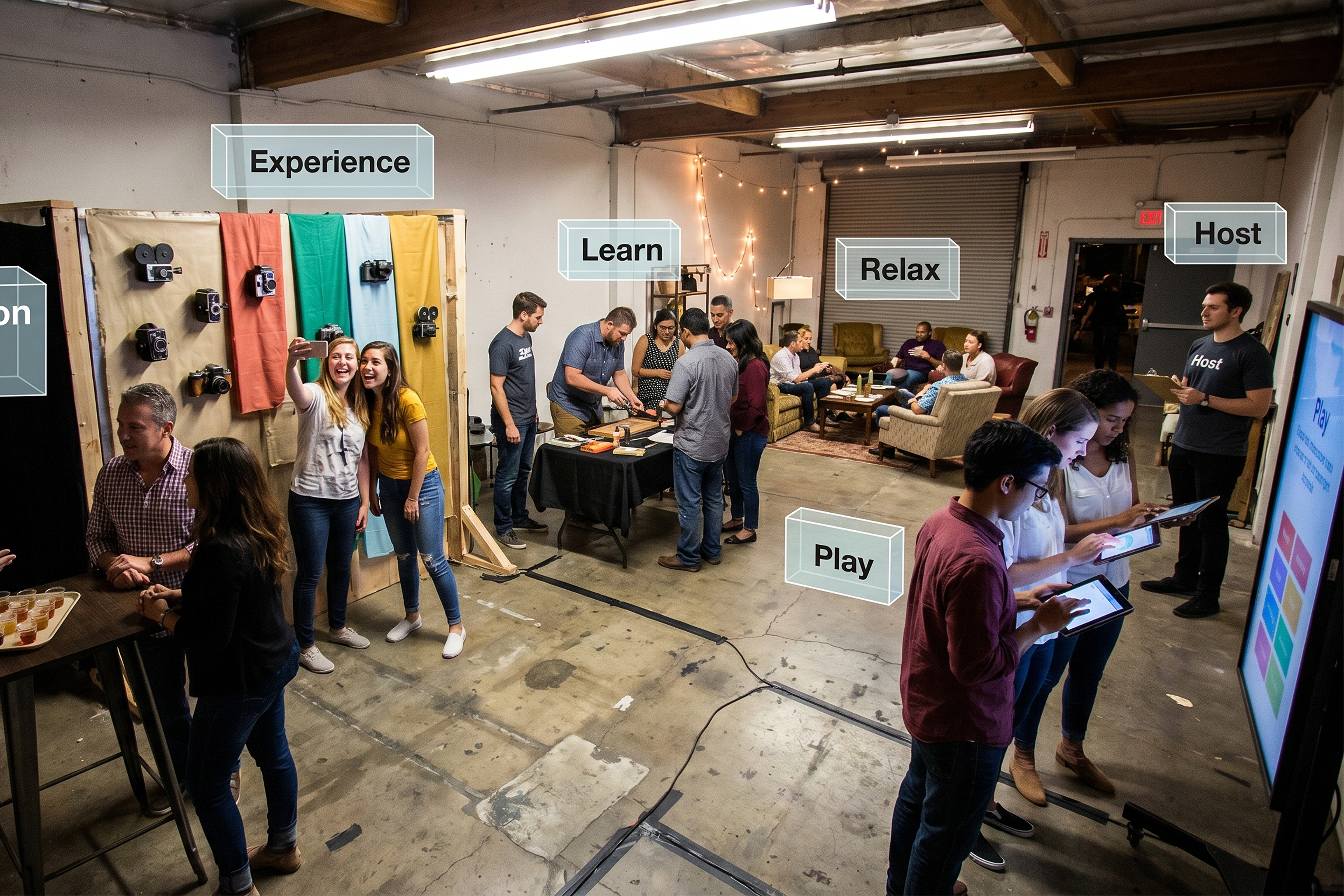
1. Conversation-Led Product Sampling
Instead of "Want to try this?" ask "What flavors do you usually go for?"
This flips the interaction. The attendee feels heard before being sold to. When hospitality staff are trained this way, they become conversation facilitators instead of order-takers. They listen first, offer second.
Real Example: Beefeater organized 2,000+ sampling activations, pairing their gin with premium tonic. Staff were trained as educators, not salespeople. They asked attendees about their favorite spirits, answered questions about distillery heritage and taste profiles, and offered samples as a natural conversation outcome. Result: 73% of consumers said they'd likely purchase, 35% made same-event purchases, and had high repeat attendance year-over-year.
2. Experience-First Photo Moments
Create something people want to capture: immersive setups, interactive displays, visually unique environments. The brand becomes the setting, not the message. People choose to participate because the experience has value, not because there's a sales pitch attached.
This is the foundation of successful promotional staff activation strategies at modern events.
Real Example: Warner Bros' Barbie Selfie Generator at SXSW 2024 used generative AI to let fans create personalized selfies with Barbie-themed backgrounds and characters. No pitch. No script. Users took photos and immediately shared them on TikTok and Instagram. Result: millions of user-generated impressions, zero forced engagement, the Barbie brand visible only through the backdrop.
3. Skill-Based Activities
Offer mini workshops, demos, and interactive stations instead of giveaways. Turn events into learning experiences where attendees gain something real. For large-scale events, trained facilitators manage multiple participants while maintaining the experiential quality and brand message.
Real Example: KitchenAid launched Color of the Year at New York Fashion Week, integrating the color into a 12-piece couture collection. Staff demonstrated how design color translates across fashion and home goods. Attendees participated in live styling sessions, not product pitches. Result: high engagement from fashion-forward audience, brand perceived as design leader, attendees left with inspiration.
4. Gamified Challenges
Free giveaways get attention but don't build engagement. Gamified challenges, scavenger hunts, trivia, and timed activities reward participation and create emotional connection. Earned rewards stick in memory far longer than handouts.
Real Example: Audible's carnival-themed Sound Experience in Austin featured a giant Ferris wheel with audio-enabled gondolas, carnival staples, entertainment games, and costumed characters. Attendees earned rides and prizes through games, not handouts. Result: high foot traffic and repeat participation, the Audible brand is associated with fun and experience. Games like this require staff trained in engagement and crowd management to keep energy high.
5. Passive Engagement Zones
Not everyone wants interaction. Include lounge areas, recharge zones, and casual touchpoints that allow engagement without pressure. Smart brand engagement at events respects that attendees flow through spaces on their own terms. This reduces friction and increases brand affinity significantly.
Real Example: Costco's in-store sampling stations offer free snacks at self-directed stations throughout the warehouse. Attendees choose when and if to stop. Sampling tables are positioned in natural traffic flows, not as interruptions. Result: visitors enjoy samples without stopping their shopping, positive subconscious linking with the brand, higher customer loyalty, and repeat visits.
6. Train Staff as Hosts, Not Salespeople
Even the best strategies fail due to wrong execution. Staff should observe before approaching, ask instead of pitch, and guide instead of push.
.webp)
Real Example: Beefeater's staff training model wasn't just about product knowledge. Each staff member was briefed on gin distillery history and awards, how to ask attendees about their drink preferences, when to offer a sample (after conversation, not before), and how to answer follow-up questions authentically. Staff approached as educators offering a premium drink, not vendors pushing inventory. Result: 73% purchase intent from sample takers—among the highest in the industry. This is why brands rely on short-term specialized event staff trained explicitly in brand engagement tactics.
“A Simple Test for Natural Engagement”
Before launching any activation, ask:
- Would someone engage with this without being prompted?
- Does this add value within 10 seconds?
- Can attendees opt in and out freely?
If the answer is no, the strategy will likely feel forced—no matter how creative it looks on paper.
The Real Difference
Bad brand engagement strategies interrupt, pressure, and sell. Good ones invite, enable, and fit naturally.
Ask yourself: "Would someone engage with this if our brand name wasn't attached?" If no, it's forced. If yes, it works.
Ready to Build Natural Brand Engagement?
Event Staff specializes in brand activation strategies that feel genuine, not forced. We train staff to host, not pitch. We design experiences that fit naturally into attendee behavior.
Contact us today for a consultation
We work across Los Angeles, New York City, Denver, and major markets nationwide.
Let's build an activation where staff make attendees feel valued, not targeted.
Ready to elevate your next event?
Join thousands of event planners who trust EventStaff.com for reliable, professional staffing solutions.
Trusted by event professionals nationwide
1k+
Events Staffed
2 million+
Guests Served
97%
Positive reviews