
Event Crew vs Event Staff: Key Differences, Roles, and When You Need Both
Executive Summary
Most planners don’t realize the difference between event crew vs event staff until something breaks, usually during load-in delays or guest-facing chaos.
The issue is not how many people you hire.
It is what roles you assign them to.
- Event crew handles production: setup, technical execution, logistics
- Event staff handles people: registration, guest flow, hospitality
When these roles overlap, events slow down, teams get confused, and costs rise fast.
In this guide, you’ll learn:
- What event crew actually do
- How event staff differ
- When you need both
- And how to structure teams to avoid costly mistakes
What Does Event Crew Do That Event Staff Cannot?
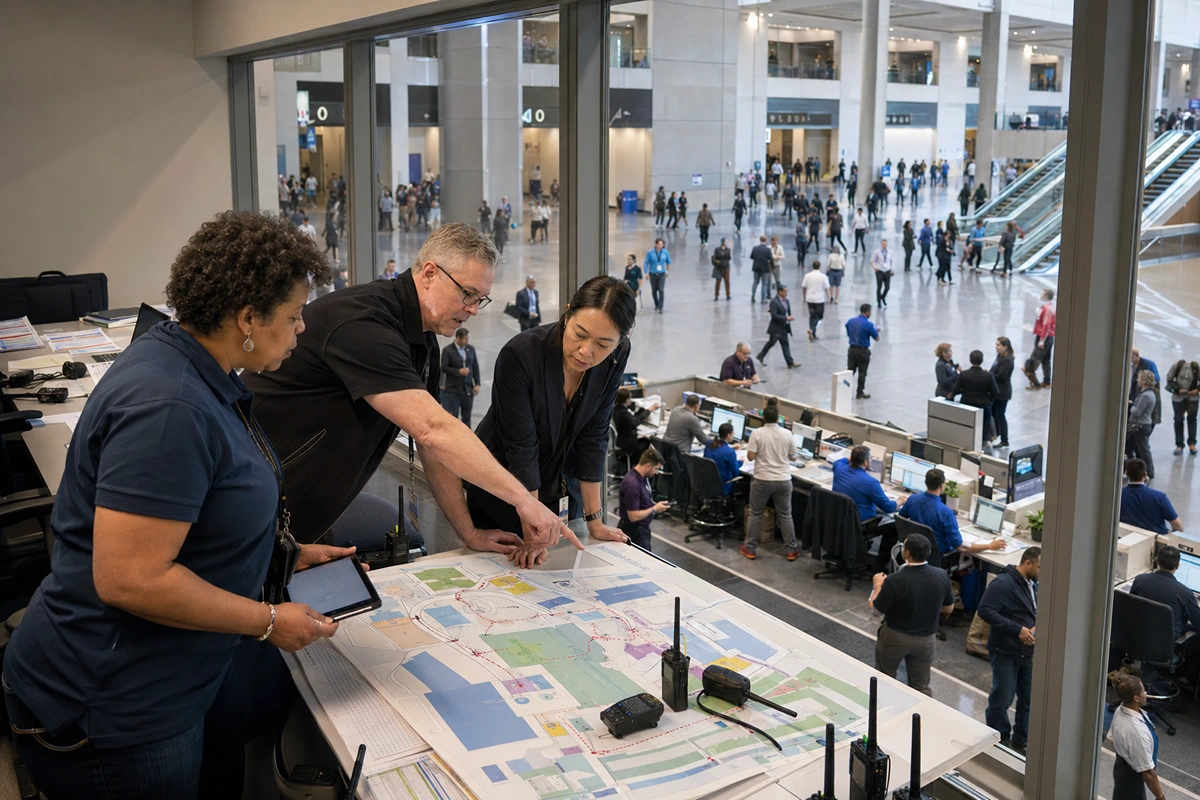
An event crew is built for technical execution, physical labor, setup timing, and backstage coordination.
Their job usually starts before guests arrive.
How Do the Skills, Timing, and Insurance Requirements Differ?
Typical event crew responsibilities include:
- Stage setup
- Rigging support
- AV installation
- Truck unload/load-out
- Barricade placement
- Cable management
- Overnight strike
- Production resets
Most production assistant event roles also sit closer to crew operations because they coordinate vendors, timelines, backstage movement, and technical sequencing.
Event staff operate differently.
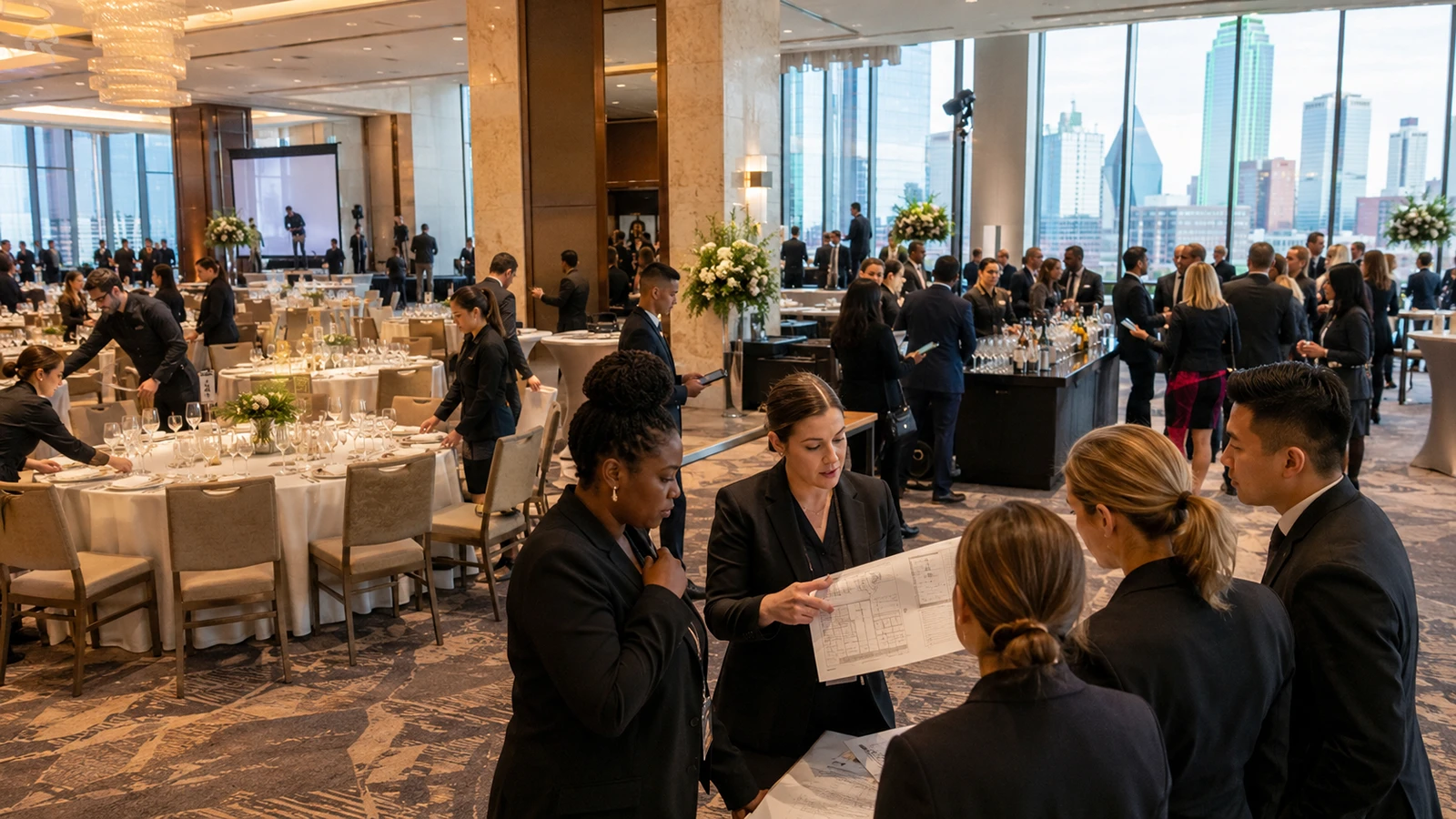
Their focus is:
- Registration
- VIP check-in
- Guest flow
- Seating
- Hospitality
- Crowd guidance
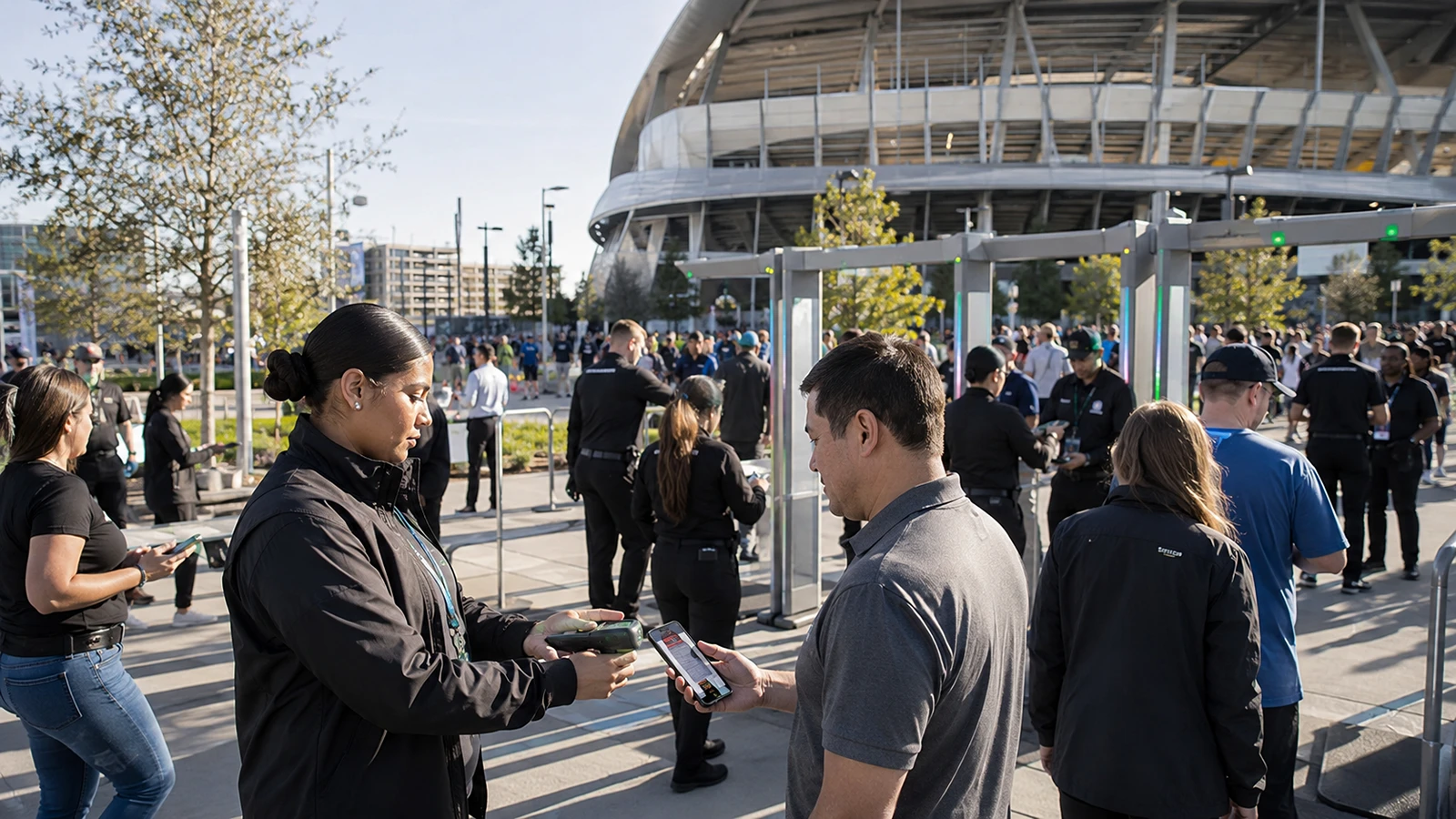
- Badge scanning
- Front-facing communication
The insurance classifications are different too.
Crew work often falls under production labor risk categories. Event staff usually sit under hospitality staffing classifications.
Understanding crew management strategies for large events helps planners implement clear operational separation.
That distinction matters during liability reviews, overtime disputes, and venue compliance checks.
One Las Vegas convention operations manager interviewed by Exhibit City News explained that mixed-role staffing teams created the highest number of event-day delays because workers kept getting reassigned mid-shift instead of staying inside specialized roles.
That happens constantly at underplanned events.
Why Do Events Fail When Crew and Staff Are Combined?
This is where most planners lose operational control.
They assume one labor pool can absorb everything.
It cannot.
Fun Fact
Large conventions often schedule separate overnight event-crew teams because daytime guest-facing staff are not legally authorized for certain production labor tasks in many venues.
What Happens When Event Crew Start Doing Guest-Facing Work?
Here is the common breakdown:
- Setup falls behind
- Doors open early
- Crew members get redirected toward guests
- Registration teams lose support
- Production timelines collapse quietly backstage
Now nobody is fully handling either job.
EventStaff internally separates production and hospitality staffing using what they call the "Movement Split System":
- Production movement team
- Guest movement team
- Transition captain between the two
Exploring event staffing challenges helps identify where crew and staff roles conflict most.
The transition captain becomes critical during:
- Door opening
- Speaker turnover
- Venue reset
- VIP arrival windows
- Breakdown conversion
That operational handoff is usually what determines whether an event feels smooth or reactive.
Generic staffing blogs never talk about that layer.
But experienced planners know that those transition windows decide everything.
The Power Outage Chain of Command (Role Hierarchy Failure)
(Real Coachella/UK festival incident showing crew vs staff role importance)
At a major festival, a sudden power outage demonstrated why crew hierarchy matters. With a clear crew leadership structure in place, the stage manager alerted the Production Director → The electrical team was dispatched within minutes → MC announced a brief pause → Power was restored in 10 minutes. Without that separated crew chain of command, confusion would have spiraled. A similar UK festival without defined crew roles saw confusion cascade across departments. Guest-facing staff tried handling technical decisions. The technical crew handled guest communication. Result: 40-minute delay and guest confidence erosion.
Learning about live event production mistakes shows how operational clarity prevents cascading failures.
Lesson: One production crew failure, redirecting toward guests = entire event timeline collapsing.
How Do You Know Which One Your Event Actually Needs?
The easiest decision framework is simple:
If the role manages equipment, setup, timing, or backstage logistics, you need an event crew.
If the role manages people, flow, experience, or communication, you need event staff.
Understanding large-scale event staffing helps planners identify when separate crews become essential.
What Event Types Need Crew, Staff, or Both?
.webp)
One useful operational benchmark:
Events with active setup happening within 90 minutes of guest arrival almost always need separate crew leadership and staff leadership.
Exploring hospitality staff roles helps distinguish guest-facing operations from production support.
That is where staffing confusion becomes expensive.
The Real Difference Between Event Crew and Event Staff
The difference is not uniform.
It is an operational responsibility.
Event crew protects production timelines.
Event staff protect the guest experience.
When planners separate those systems correctly, events feel controlled.
When they combine them carelessly, problems start stacking fast:
- Delayed load-ins
- Confused worker assignments
- Registration bottlenecks
- Exhausted teams
- Poor guest flow
- Visible operational stress
Understanding conference staffing mix helps implement proper role separation for larger events.
That is why experienced planners rarely ask:
"How many workers do we need?"
They ask:
"What operational movement are we staffing?"
That question changes the entire event plan.
Ready to Separate Crew from Staff Operations?
Contact EventStaff today to discuss crew vs. staff role separation, transition captain positioning, and operational structures that keep production timelines and guest experience running smoothly in parallel.
Ready to elevate your next event?
Join thousands of event planners who trust EventStaff.com for reliable, professional staffing solutions.
Trusted by event professionals nationwide
1k+
Events Staffed
2 million+
Guests Served
97%
Positive reviews