
CEO Excerpt:
“I’ve seen it firsthand, great events don’t succeed because everything goes perfectly. They succeed because someone is on the floor, reading the room, fixing problems before guests ever notice. An experienced Team Leader is the difference between a small issue and a very public failure.” - CEO, Event Staff
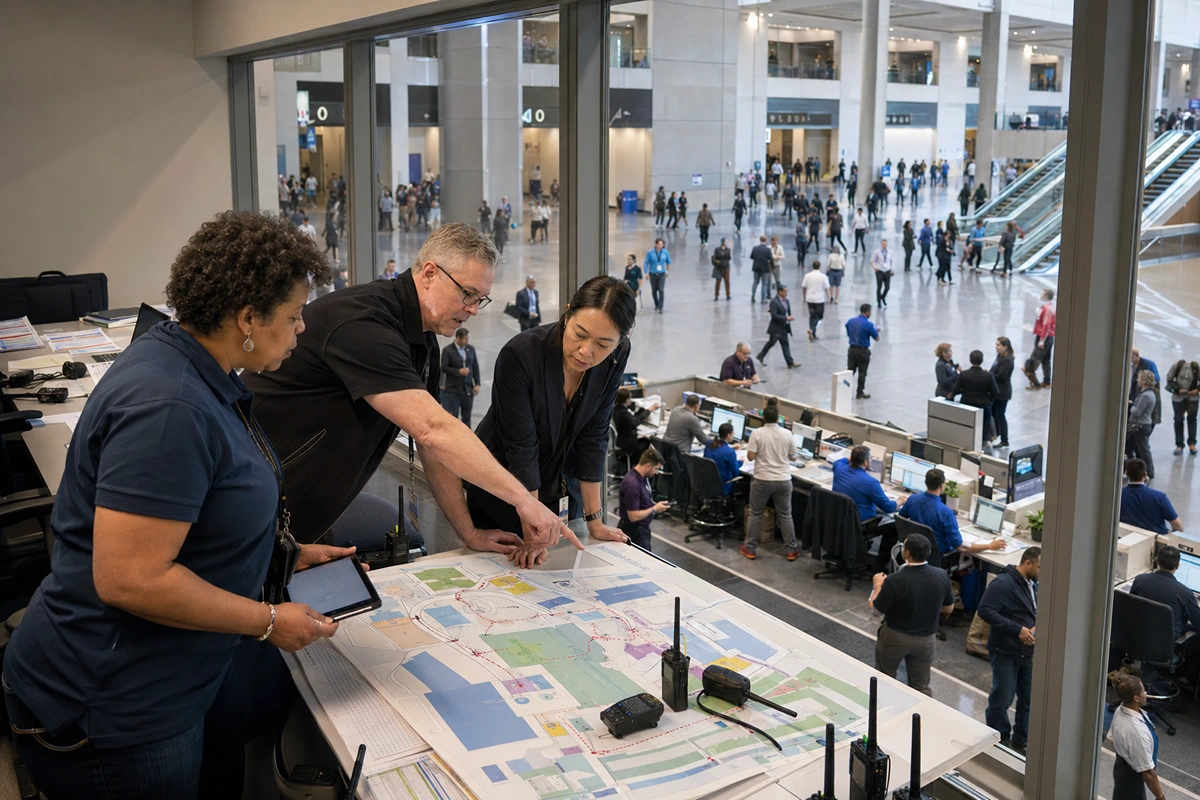
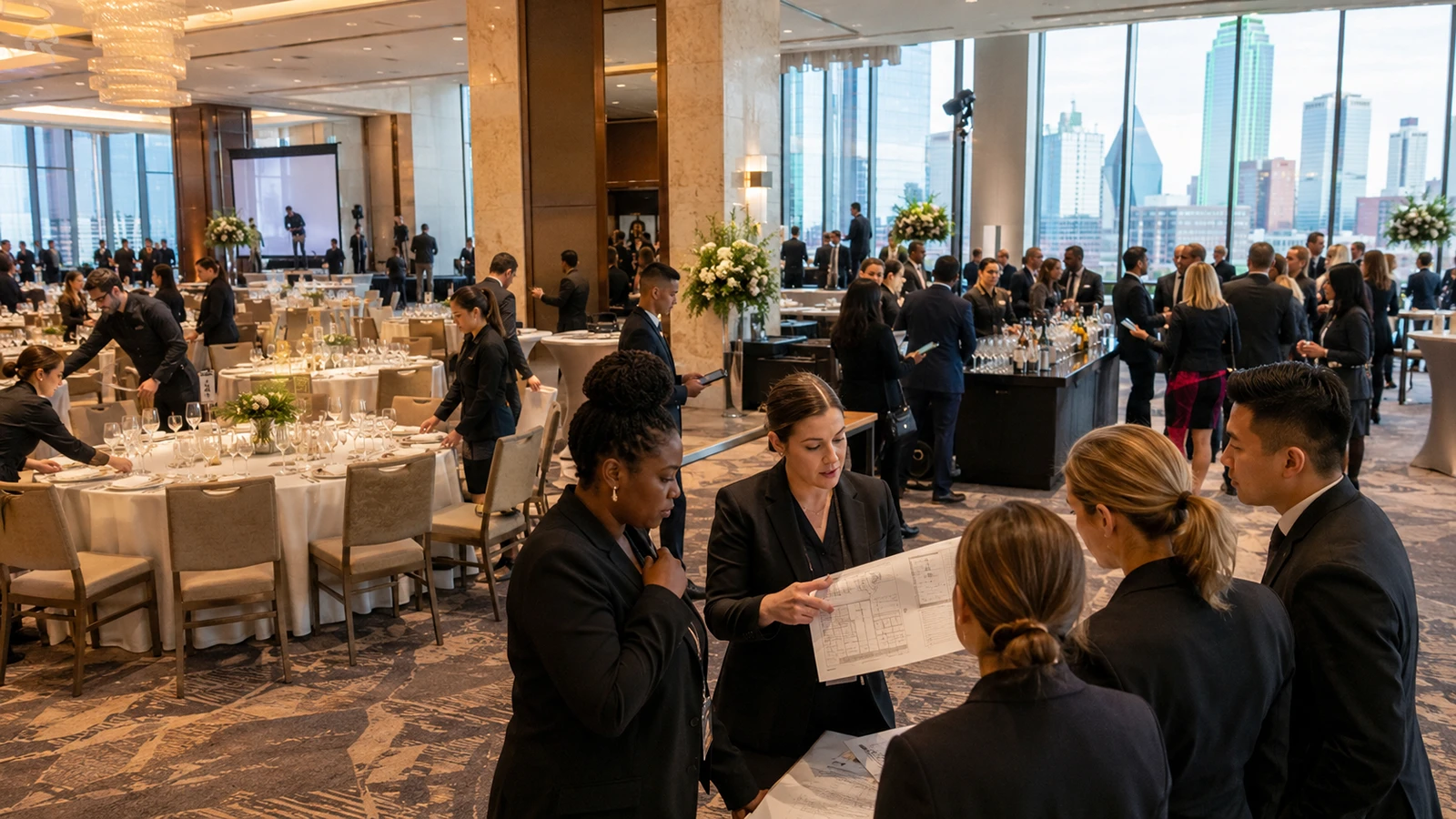
Successful large events run smoothly because someone is actively guiding the team on the floor. While detailed staffing plans set the foundation, real-time leadership is what keeps service steady when conditions change.
Crowds shift, schedules move, and guest needs rise without warning. When these moments are managed well, attendees experience seamless flow, short lines, and consistent service across every zone. This is exactly where an event team leader makes the difference.
An event team leader is responsible for live staffing execution throughout the event. They monitor coverage, manage breaks, resolve conflicts, and redeploy staff as needed to keep every role operating as planned. While planners and staffing coordinators design the roster, the event team leader ensures that the plan performs under real-world pressure, including late arrivals, traffic surges, last-minute layout changes, and no-show scenarios.
Recent staffing outlook reports show that 89 percent of event professionals experience staffing-related challenges during events, which is why real-time leadership is now a standard part of successful large-scale programs.
In this guide, you will learn how an event team leader prevents staffing breakdowns, what the role includes onsite, and why this position plays a critical role in protecting guest experience and brand reputation at major events.
Executive Summary
Large events stay on track when staffing is actively managed on the floor. An event team leader oversees live coverage, manages breaks, and responds to crowd shifts in real time. When issues are handled early, guests experience smooth flow and consistent service. This role ensures staffing plans perform under real conditions, not just on paper.
Who is an Event Team Leader?
An event team leader is the onsite operations lead responsible for managing staff performance, coverage, and service quality in real time. Their primary goal is to keep every role functioning smoothly as the event unfolds.
While recruiters and planners focus on building the staffing plan, the event team leader focuses on executing that plan on the floor. They respond to live conditions, adjust assignments, and resolve issues before they affect guests.
In practical terms, an event team leader is accountable for:
- Coverage: Ensuring every zone and station remains staffed at all times
- Flow: Supporting smooth guest movement through entrances, sessions, and activity areas
- Standards: Maintaining uniformity, punctuality, and service expectations
- Communication: Keeping staff informed about changes and priorities
- Escalations: Handling guest concerns and staffing conflicts quickly and discreetly
Rather than overseeing from a distance, the event team leader stays embedded in active areas, monitoring performance and making adjustments minute by minute. This hands-on approach is what allows large events to remain stable even when plans shift.
Why Events Rely on the Event Team Leader?
Rather than overseeing from a distance, an event team leader operates as an event operations lead, embedded in the action and adjusting staffing decisions minute by minute. This level of event staffing leadership ensures that the guest experience remains seamless regardless of backstage chaos.
Event Team Leader vs. General Supervisor
Although the titles are sometimes used interchangeably, an event team leader and a general supervisor serve different operational purposes on-site.
A general supervisor focuses on overall event logistics and timeline coordination. An event team leader focuses specifically on people, performance, and real-time staffing stability.
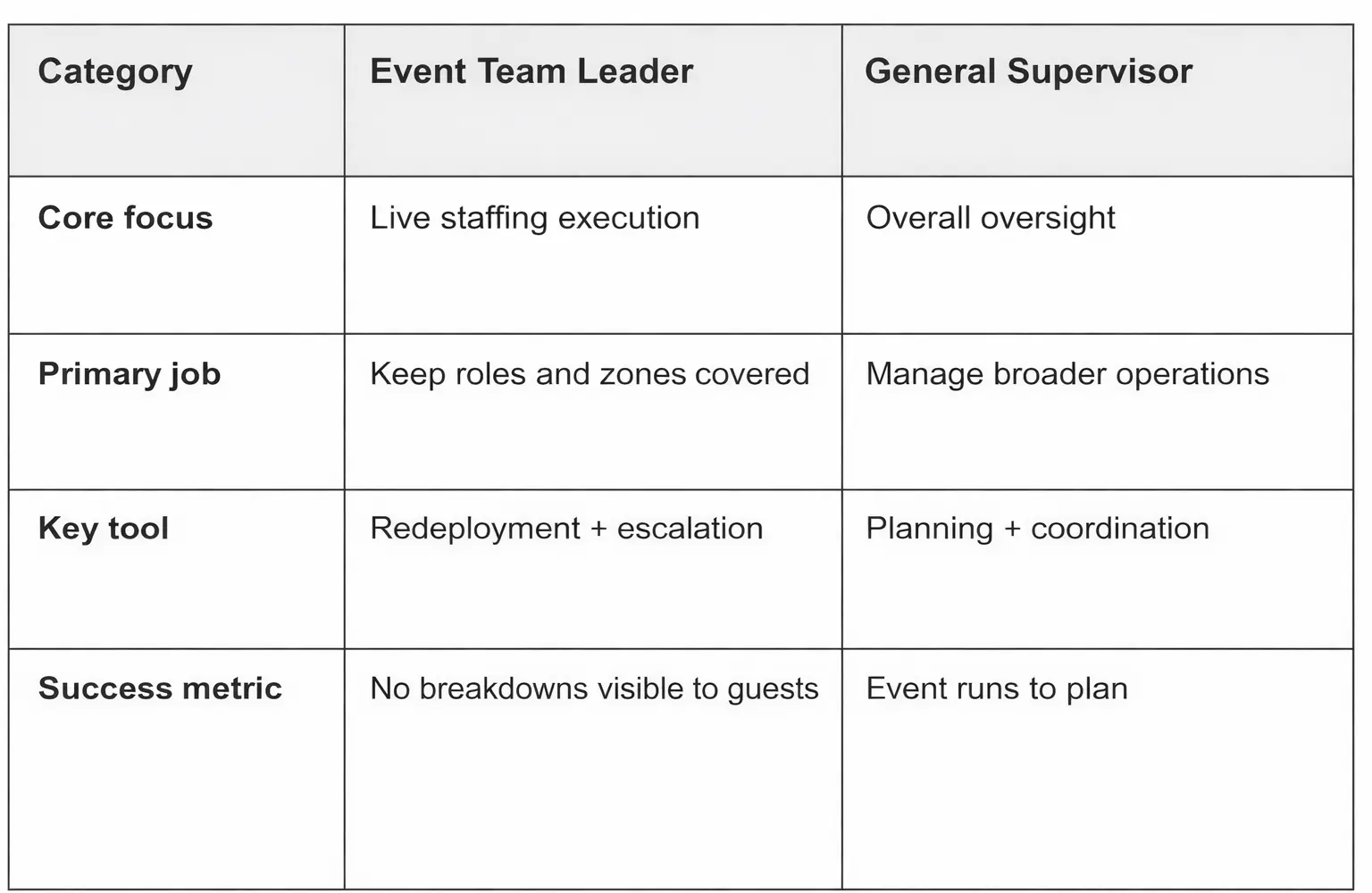
In short, the event team leader protects the guest experience through constant staffing oversight, while the general supervisor manages the wider operational picture. At large or high-traffic events, both roles often work together, but only the event team leader is fully dedicated to maintaining staffing performance throughout the day.
The 5 Most Common Breakdown Points at Large Events
Even well-planned events face pressure when guest flow and staffing demands shift quickly. An experienced event team leader anticipates these moments and positions staff to maintain stability.
The most common breakdown points include:
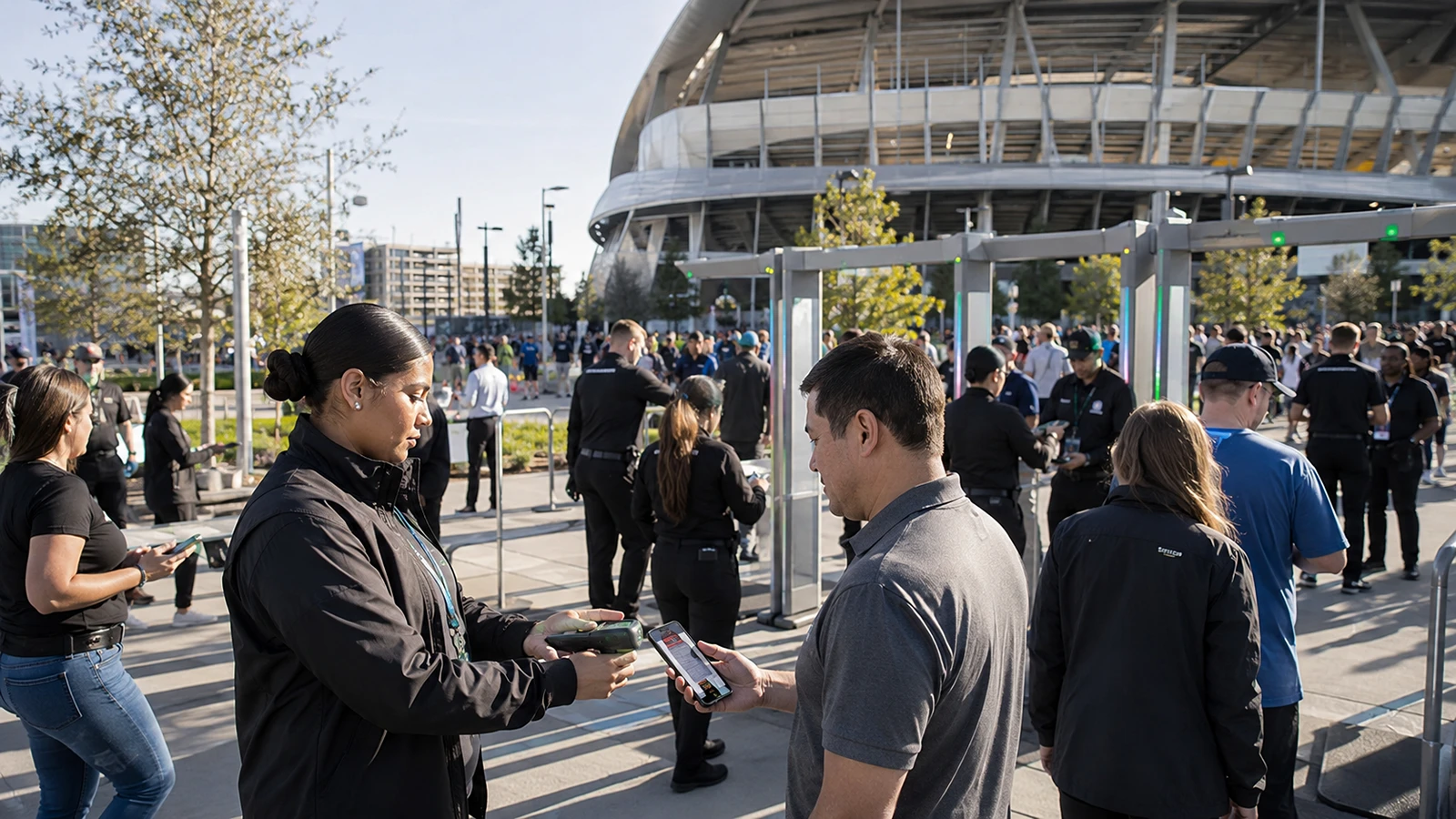
- Check-in and entry surges: Sudden crowd spikes can create long lines if flow is not actively managed
- Session transitions and traffic shifts: Attendees move between spaces at the same time, increasing congestion
- Break coverage and fatigue: Service quality drops when rotations are not coordinated carefully
- Escalations and exceptions: VIP needs, access issues, or guest complaints require a fast response
- Last-minute changes: Layout, timing, or staffing adjustments can disrupt coverage if not handled immediately
This is exactly where an on-site event lead adds measurable value. In Freeman’s attendee research, 80 percent of respondents said in-person events are the most trustworthy source of information, which means even small staffing breakdowns, such as long lines, confusion, or unstaffed zones can chip away at credibility fast.
For a deeper dive on how staff manage these specific choke points, read how to prevent operational bottlenecks.
What This Looks Like at a Live Event
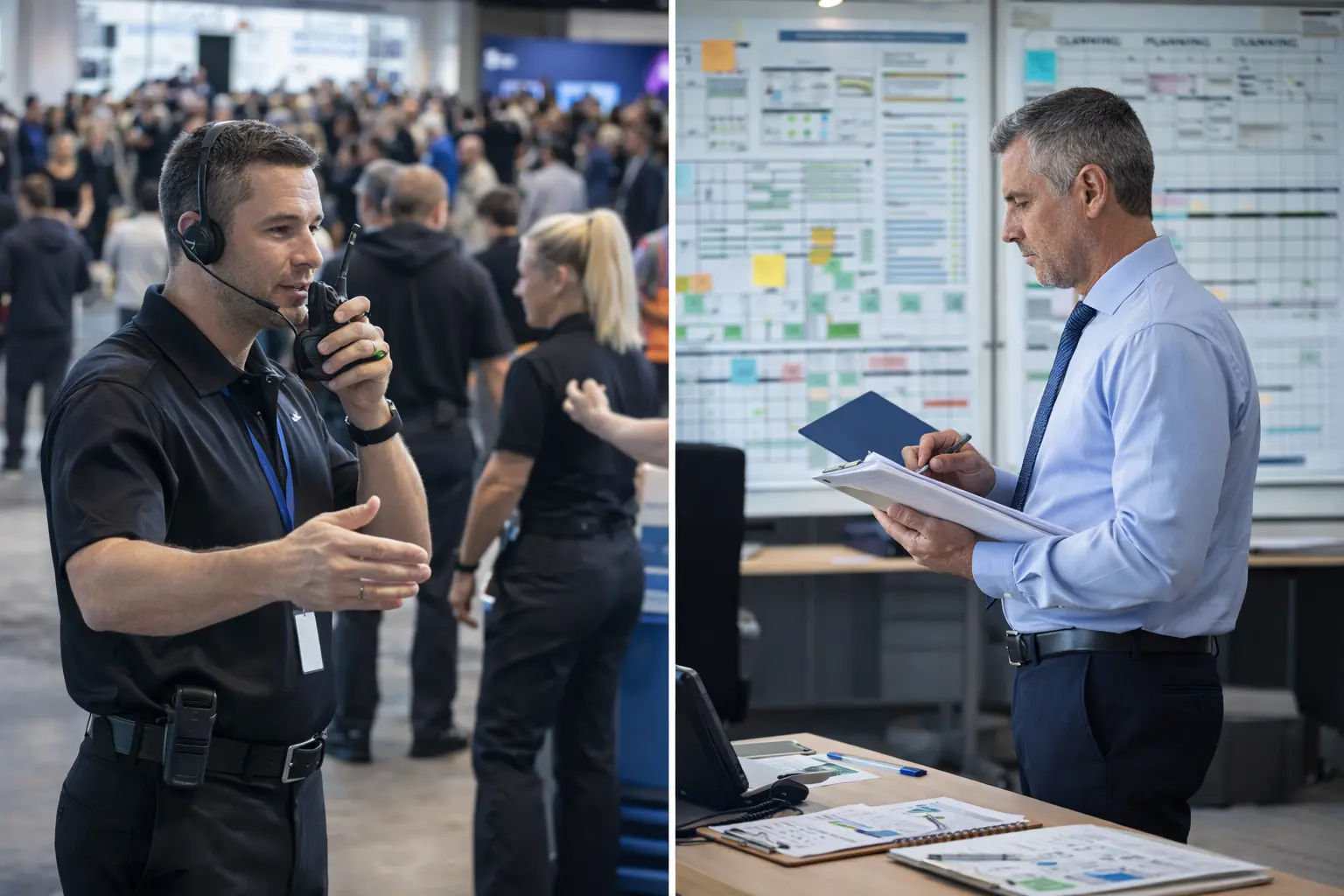
Consider a multi-day trade show with 30 brand ambassadors, rotating product demos, and overlapping session traffic.
Midday, two staff members are delayed returning from breaks, and foot traffic surges after a keynote session ends early. Without intervention, demo stations would go uncovered and lines would form within minutes.
An experienced event team leader responds by:
- Redeploying floaters to demo stations,
- Compressing non-essential roles temporarily,
- And adjusting break schedules to protect high-visibility zones.
Guests experience no delay. The brand experience remains intact. Most importantly, planners are not forced into crisis mode.
This kind of response is difficult to coordinate remotely or from static stations. It requires continuous floor-level leadership.
Event Team Leader Job Description: Core Responsibilities Onsite
At large events, the event team leader operates as the tactical staffing lead on the floor. Their focus is not administrative reporting, but continuous execution and rapid response.
Event-Day Responsibilities of an Event Team Leader
- Lead pre-shift briefings and confirm staff attendance
- Assign staff to roles and zones based on traffic priority
- Enforce uniform, punctuality, and service standards
- Manage breaks and rotations to maintain full coverage
- Coordinate communication using radios or messaging tools
- Handle guest and staffing escalations through a clear escalation plan
- Redeploy staff to relieve bottlenecks in real time
- Activate backup coverage for no-shows or performance issues
- Monitor service quality across all public-facing areas
Best Fit for This Role
This level of staffing leadership is especially valuable for:
- Multi-zone events with separate entrances or activity areas
- High-traffic programs with tight schedules
- Multi-day productions with rotating shifts and large rosters
While some tasks overlap with general event supervisor responsibilities, the difference remains in focus. The event team leader is dedicated to staffing execution, not overall production management. This role exists to keep people, performance, and guest experience stable throughout the event.
The Operating Systems Great Team Leaders Use
Strong event team leaders do not rely on instinct alone. They follow simple, repeatable operating systems that allow them to stabilize staffing even when conditions change quickly.
Core Operating Principles Onsite
- Zone ownership: Every area has a clearly assigned lead or primary staff member
- Escalation ladder: Issues move to the right person without disrupting frontline service
- Live redeployment: Floaters are reassigned to pressure points as they appear
- Briefing discipline: Staff start each shift aligned on priorities and expectations
- Accountability: Performance standards remain consistent throughout the day
These principles allow leaders to make fast decisions without confusion or delays.
Real-Time Staffing Management Loop
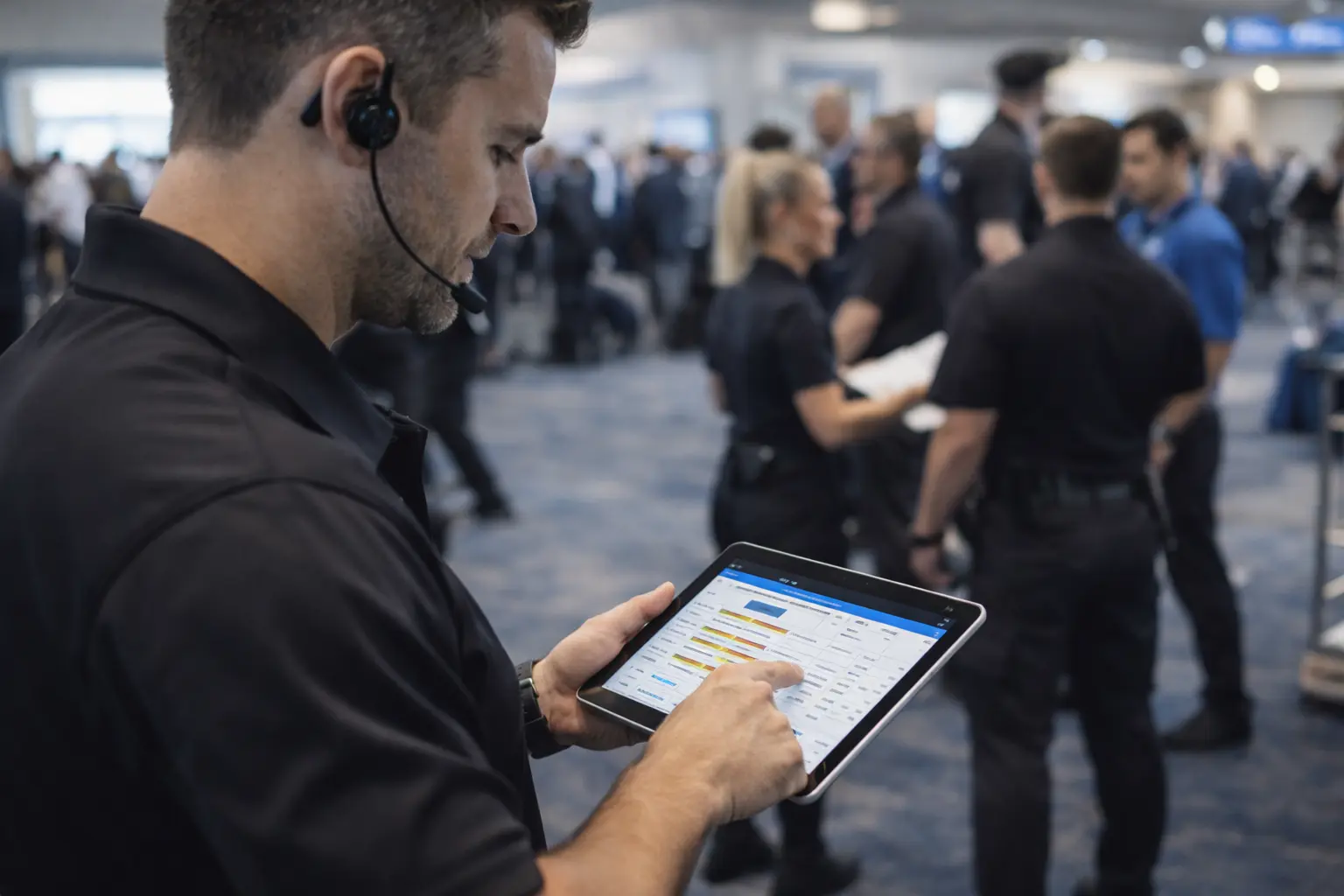
Most experienced leaders follow a continuous cycle:
- Plan
- Brief
- Assign
- Monitor
- Redeploy
- Stabilize
This loop repeats throughout the event and ensures that coverage and service quality stay balanced even as guest behavior and traffic patterns shift.
By using these systems, an event team leader maintains control without creating visible disruption, which keeps the guest experience smooth and predictable.
The 15–30–60 Method for No-Shows and Bottlenecks
Even with strong planning, staffing gaps and traffic spikes can still happen. What protects the event is how quickly stability is restored. Experienced event team leaders rely on a simple response framework known as the 15–30–60 method.
How the 15–30–60 Method Works
First 15 minutes
- Compress non-essential roles
- Protect high-priority guest-facing zones
- Adjust break schedules to maintain coverage
Within 30 minutes
- Redeploy floaters to active bottlenecks
- Adjust traffic flow using signage or ushers
- Rebalance staff across zones based on demand
Within 60 minutes
- Activate backup staff if required
- Fully replace missing or underperforming roles
- Restore original staffing structure where possible
This approach allows leaders to stabilize coverage quietly, often through a predefined staffing escalation plan. Live-event staffing models show that events with an onsite event lead and digital communication tools can reduce the impact of no-shows by 20–30%.
This reliability is exactly why major brands trust staffing logistics for their most critical activations.
Operational Leadership for Complex Rosters
Large events succeed when staffing remains stable, responsive, and guest-ready throughout the day. An experienced event team leader provides the real-time oversight needed to keep service quality high, even when schedules shift or unexpected issues arise. By actively managing coverage, redeploying staff during peak traffic, and resolving escalations quickly, the event team leader protects both guest experience and brand reputation. This level of onsite leadership is especially critical for complex programs such as corporate roadshows, trade shows, product launches, and large-scale brand activations. Whether you are coordinating multi-zone venues, rotating shifts, or high-volume guest flow, placing a trained event team leader onsite ensures your staffing plan performs under real conditions, not just on paper. Event Staff provides experienced event team leaders who specialise in managing complex rosters, supporting crowd flow, and maintaining service standards across every touchpoint of your event. Get a quote today to ensure your staffing plan performs when it matters most.
Ready to elevate your next event?
Join thousands of event planners who trust EventStaff.com for reliable, professional staffing solutions.
Trusted by event professionals nationwide
1k+
Events Staffed
2 million+
Guests Served
97%
Positive reviews