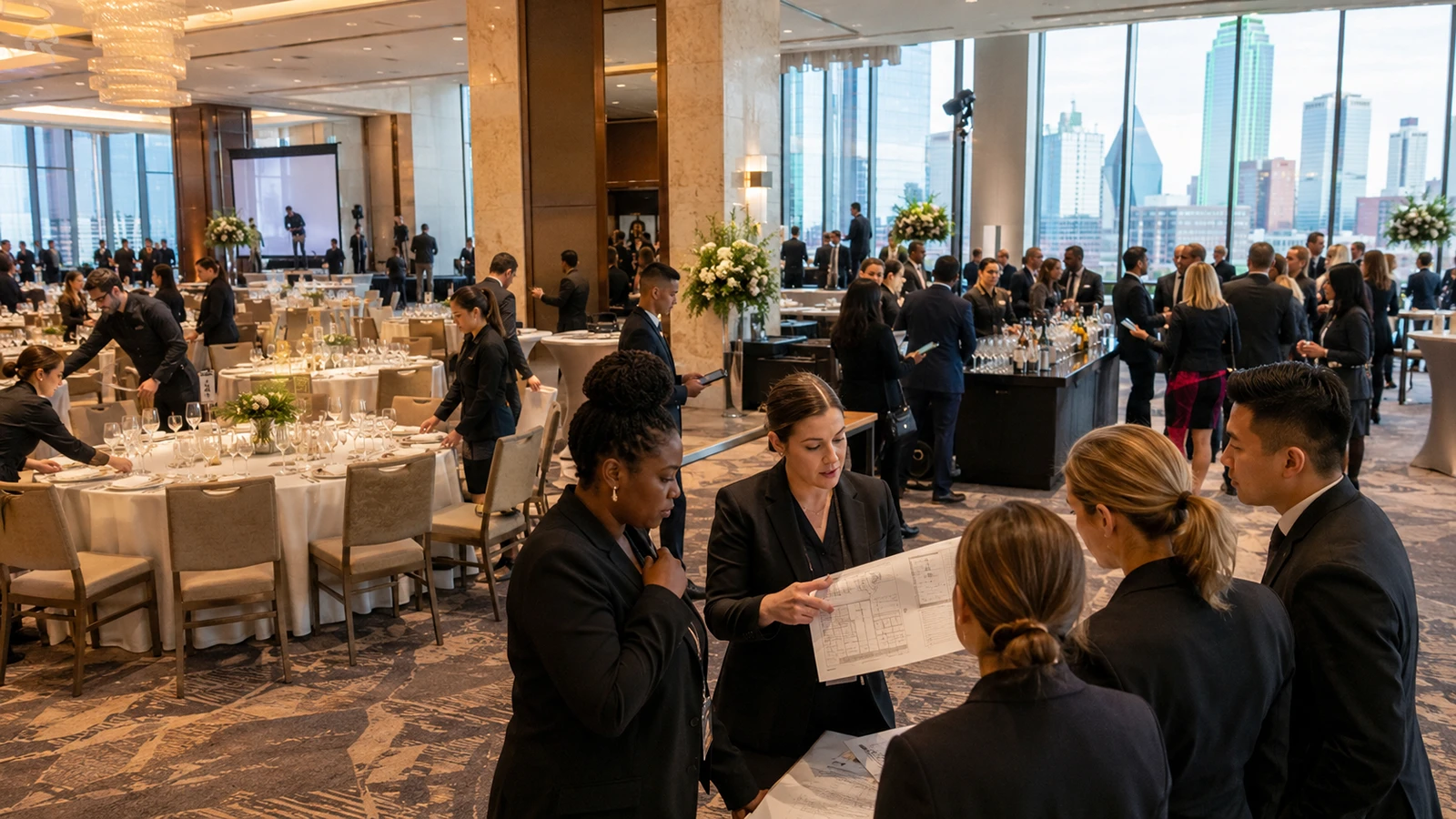

CEO Excerpt
"When a team needs qualified staff for a fixed timeline, the request has to be structured before it gets sent. A vague headcount with no role definitions is the fastest way to slow your own coverage down. We match faster when the scope is clear from the first message." , Daniel Meursing, CEO of Event Staff
Organizations hire project-based recruiting and staffing services when short-term operational needs appear faster than internal hiring cycles can handle. Events, brand activations, hospitality programs, and temporary staffing gaps often require trained staff within a fixed timeline. In these situations, waiting for permanent hiring can delay operations and increase pressure on internal teams.
Project-based staffing services help businesses secure qualified staff for temporary roles without expanding permanent headcount. Event planners, hospitality operators, and brand teams use this approach to deploy trained professionals exactly when demand increases. Because the staffing period is defined in advance, companies can maintain service quality while keeping workforce costs flexible.
Many organizations hire project-based recruiting and staffing services for situations such as:
- Conferences and trade shows that require temporary registration and guest services teams
- Product launches and brand activations that need trained ambassadors
- Seasonal hospitality demand during tourism peaks or holiday periods
- Short-term coverage during hiring gaps, employee leave, or operational surges
When the project scope is clearly defined, project-based staffing services allow teams to scale quickly while protecting guest experience standards. Clear role definitions, shift schedules, and venue details make it easier for staffing partners to match the right professionals to the right assignments.
This guide explains how to hire project-based recruiting and staffing services effectively. You will learn how project-based staffing services work, when this staffing model fits best, what factors affect timelines and cost, and how to structure a staffing request that leads to faster matches and reliable coverage.
Executive Summary
Organizations hire project-based recruiting and staffing services when short-term operational needs require qualified staff within a fixed timeline. This staffing model helps event, hospitality, and brand teams quickly fill temporary roles without expanding permanent headcount. Project-based staffing services provide role-matched professionals, coordinated scheduling, and reliable shift coverage for time-bound programs. When the staffing request includes clear roles, schedules, and venue details, providers can match staff faster and support smooth event or operational execution.
Hire project-based recruiting and staffing services when demand spikes fast
Organizations hire project-based recruiting and staffing services when there is a defined timeline, a clear start date, and a temporary workload that exceeds internal capacity. This approach helps teams respond quickly to operational pressure while maintaining consistent service standards.
According to the American Staffing Association, U.S. staffing companies placed 11 million temporary and contract workers in 2024 alone, a figure that reflects just how broadly businesses across industries rely on short-term staffing solutions to manage fluctuating demand.
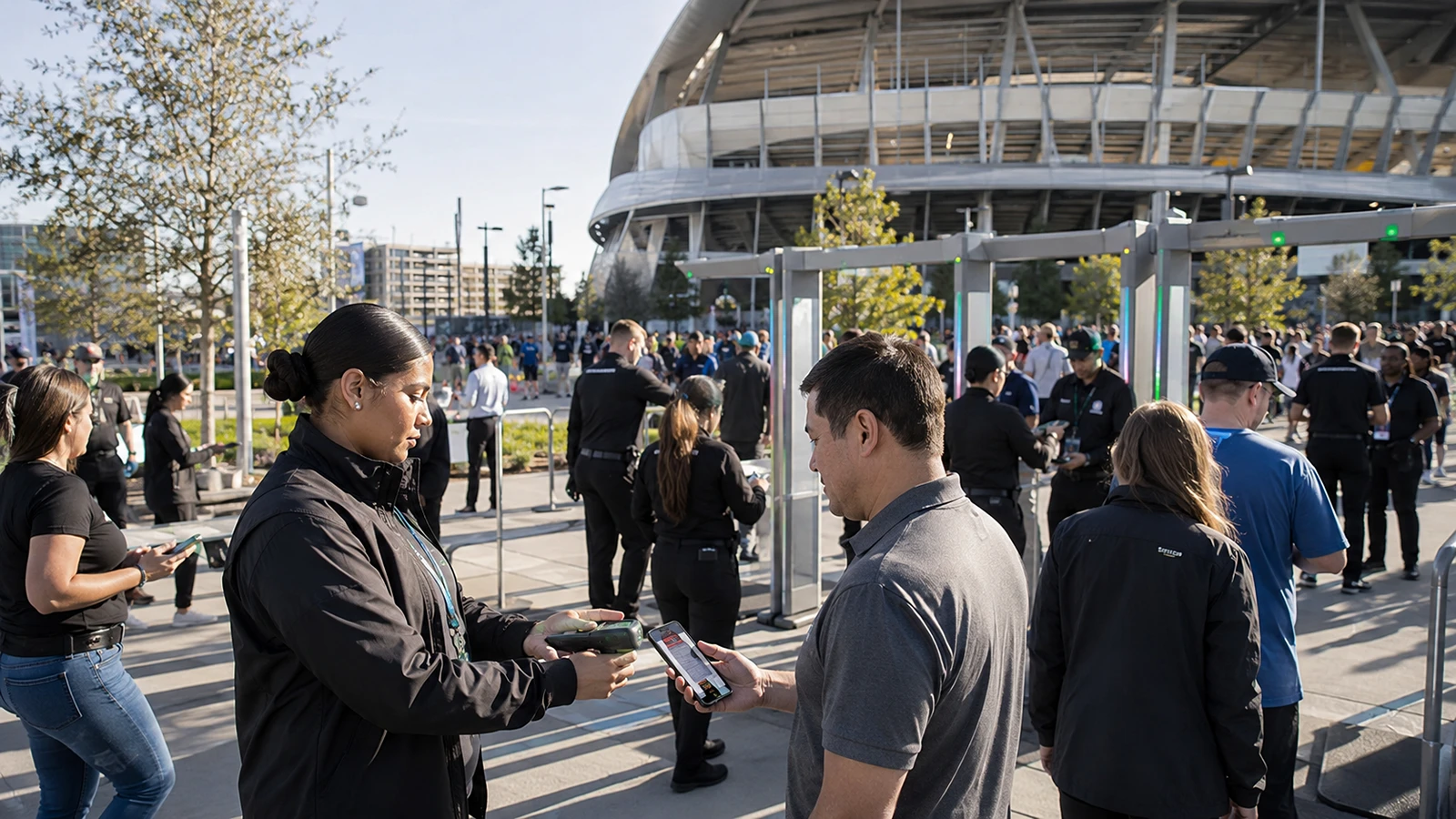
Strong-fit scenarios include:
- Multi-day conferences and trade shows requiring registration and guest services staff
- Seasonal hospitality peaks during holidays or tourism surges
- Pop-ups, roadshows, and product launch activations
- Temporary coverage during hiring gaps or staff leave
Teams that use project-based staffing services usually want to:
- Fill shifts quickly
- Protect guest experience standards
- Reduce overtime pressure on core teams
- Maintain reliable coverage across multiple event dates
Project-based staffing services and what you actually get
Project-based staffing services provide role-matched staff for a defined timeframe along with coordination that helps keep operations organized. Businesses use this model to secure temporary teams for specific shifts, events, or operational programs without managing the full recruiting process internally.
Typical components included in project-based staffing services:
- Role matching based on your staffing requirements
- Shift scheduling and confirmation with staff
- Attendance tracking or check-in procedures
- Replacement options for callouts when available
To improve matching speed, define these details early:
- Roles and headcount needed
- Event or project dates
- Shift times and break expectations
- Venue conditions and access details
- Brand standards, dress code, and presentation guidelines
Before submitting a staffing request, reviewing this guest experience guide can help you define role expectations more precisely, which directly speeds up matching.
Project services staffing for events and hospitality operations
Project-based staffing services provide trained professionals matched to specific roles for a defined project timeline. Instead of managing recruiting, screening, scheduling, and coverage internally, organizations rely on a staffing partner to coordinate the temporary workforce required to execute a program successfully.
Companies hire project-based recruiting and staffing services when they need qualified staff for a short-term assignment that requires reliable attendance, role-specific skills, and clear shift coverage. This model allows event and hospitality teams to scale staffing quickly while keeping operational control over the program.
Typical roles supported through project services staffing
Project services staffing often supports a variety of guest-facing and operational roles, especially in events and hospitality environments.
Common event staffing roles include:
- Registration and attendee check-in staff
- Guest services and wayfinding teams
- Brand ambassadors and promotional representatives
- Queue management and crowd flow support
- VIP guest hosts or hospitality support staff
Hospitality programs may require:
- Banquet servers and catering staff
- Bartenders and bar support teams
- Hosts and hostesses
- Food runners and bussers
- Service support during high-volume dining periods
What is typically included in project-based staffing services
A standard project-based staffing engagement usually includes several coordination and coverage elements that help keep operations organized.
Typical components include:
- Role matching based on your staffing requirements
- Staff availability confirmation for scheduled shifts
- Shift scheduling and coordination
- Attendance tracking or staff check-in procedures
- Replacement options for callouts when available
For example, a three-day conference with approximately 3,000 attendees may require:
- 10 to 12 registration staff per shift
- 4 guest service representatives to support attendee navigation
- 2 queue managers to maintain smooth entry and session flow
In this type of program, project-based staffing services allow the event organizer to focus on the attendee experience while the staffing provider coordinates staffing coverage, scheduling, and confirmations.
Information that helps staffing partners match staff faster
To improve matching speed when you hire project-based recruiting and staffing services, it helps to define the following details early:
- Roles and headcount required
- Event or project dates
- Shift start and end times
- Break schedules and service windows
- Venue access and logistics information
- Brand standards, dress code, and presentation guidelines
Providing these details early allows project-based staffing services to identify qualified staff faster and confirm shift coverage with fewer scheduling delays.
This model helps maintain consistent service during temporary demand spikes. For trade show and conference environments, this booth staffing guide covers how role separation, surge windows, and attendee flow should shape your project-based team structure.
Workflow when you hire project-based recruiting and staffing services

The workflow is straightforward when teams hire project-based recruiting and staffing services with a clear and structured request. A defined process helps staffing partners match the right staff, confirm shifts quickly, and ensure reliable coverage throughout the project timeline.
Typical workflow includes:
Step 1: Intake and role definition
- Roles, headcount, and shift times
- Event location and venue details
- Dress code and presentation expectations
Step 2: Matching and confirmations
- Providers review available staff
- Confirm availability based on roles and schedule
Step 3: Briefing and alignment
- Share run of show
- Assign zones and escalation contacts
Step 4: Day-of operations
- Staff check-in and placement
- Coverage monitoring and adjustments
Project-based staffing services timelines and scaling speed
Timelines for project-based staffing services vary depending on the complexity of the roles, the number of staff required, and how clearly the staffing request is defined. When organizations hire project-based recruiting and staffing services with complete project details, staffing partners can often confirm coverage much faster.
Short-term staffing projects usually move quickly when schedules, roles, and venue logistics are clearly communicated at the start. A structured request allows staffing providers to review available professionals and confirm shift coverage without additional clarification.
Factors that help project-based staffing services move faster
Several elements can significantly improve the speed of staffing confirmations.
These include:
- Clearly defined shift schedules with start and end times
- Detailed role descriptions instead of general headcount requests
- Full venue name, address, and access instructions
- Required skills such as POS experience, bar service, or VIP guest handling
- A single contact person responsible for approvals and communication
When these details are included in the initial request, project-based staffing services can review staff availability and confirm matches more efficiently.
Factors that can slow staffing timelines
Delays often occur when key operational information is missing or frequently changes after the request has been submitted.
Common issues that slow project services staffing include:
- Unclear role definitions or responsibilities
- Schedule adjustments after staffing confirmations begin
- Missing event timelines or operational schedules
- Lack of defined zones or service areas inside the venue
Organizations that hire project-based recruiting and staffing services typically receive faster confirmations when the project scope is stable and operational details are shared early in the planning process.
Pricing factors when you hire project-based recruiting and staffing services
Pricing can vary when organizations hire project-based recruiting and staffing services because staffing needs change depending on the event scope and operational complexity. Understanding the main cost drivers helps teams plan budgets and avoid last-minute surprises.
The U.S. staffing market reached $184 billion in revenue in 2024, according to Staffing Industry Analysts, a scale that reflects the wide variance in service tiers and pricing structures across different staffing models.
Key pricing factors include:
- Role complexity and experience level required
- Shift duration and potential overtime exposure
- Weekend, holiday, or late-night scheduling
- Lead time before the project start date
- Number of locations or coverage zones
- Need for on-site leads or supervisors
- Uniform or brand presentation requirements
When teams hire project-based recruiting and staffing services with a clear schedule and defined roles, providers can estimate staffing costs more accurately. This staffing cost breakdown is worth reviewing before you finalize your project request to understand where budget decisions have the biggest operational impact.
Project services staffing risks and how to avoid mismatches
The biggest risks in project services staffing usually come from unclear expectations, weak attendance controls, and missing backup plans. When roles and responsibilities are not clearly defined, teams may experience coverage gaps or operational confusion during busy event moments.
Common risks include:
- Staff arriving without clear role instructions
- Uneven coverage across event zones
- No replacement plan for unexpected callouts
- Communication gaps during peak service periods
Ways to prevent problems with project services staffing:
- Define roles clearly by zone or station
- Request a lead or supervisor for larger programs
- Confirm the provider's replacement policy
- Share the run of show and critical timing moments
- Set one escalation contact for day-of issues
Hire Project-Based Recruiting and Staffing Services
You get faster matches when you hire project-based recruiting and staffing services using a structured request instead of a vague headcount. Clear project details help providers plan project-based staffing services accurately and confirm the right staff quickly.
Copy and paste this template when requesting project services staffing:
PROJECT STAFFING REQUEST
Event Overview
Project Name: *
Event or Program Dates: *
Venue Name: *
Full Location Address: *
Estimated Attendance or Service Volume:
Staffing Needs
Roles Required: (Example: Registration staff, brand ambassadors, guest services)
Headcount per Role: *
Skill Requirements: (Example: POS experience, bartending, VIP guest handling)
Dress Code or Uniform Requirements:
Schedule & Logistics
Shift Schedule: *
Start Time:
End Time:
Break Details:
Event Zones: (Example: Registration desk, entry points, activation area, VIP lounge)
Critical Timeline Moments: (Example: Doors open, keynote session, product launch, meal service)
Contact Information
Onsite Point of Contact: *
Name:
Phone:
Teams that hire project-based recruiting and staffing services using this format usually receive faster confirmations and stronger staff matches.
Need short-term staffing fast?
Organizations often hire project-based recruiting and staffing services when event timelines or operational demands require qualified staff within a short period. A clear staffing request allows project-based staffing services providers to review requirements quickly and confirm available staff for the scheduled shifts.
When project details such as roles, shift windows, and venue logistics are clearly defined, staffing partners can prepare a staffing plan that aligns with the event schedule and service requirements.
What you can expect after submitting a request
When you submit a structured request for project services staffing, staffing providers can typically respond with:
- A staffing availability check based on your roles and schedule
- A recommended staffing plan based on project needs
- Estimated timelines for staff confirmations
- Initial cost estimates based on the scope of the program
Request a staffing plan for your project
If you need short-term coverage for events, hospitality programs, or temporary operational gaps, hire project-based recruiting and staffing services with a clear project request. Submit your event details, including roles, headcount, shift schedules, and location information, to receive a staffing availability check and a project-based staffing services plan tailored to your program timeline.
Ready to elevate your next event?
Join thousands of event planners who trust EventStaff.com for reliable, professional staffing solutions.
Trusted by event professionals nationwide
1k+
Events Staffed
2 million+
Guests Served
97%
Positive reviews