Thank You

Our team will contact you within 25 minutes, talk soon!
Oops! Something went wrong while submitting the form.
+
Hire vetted crowd, queue and floor staff for your live esports event, plus brand ambassadors for the sponsor area, sized to your venue with a named lead on every shift. We're still there when the finals run long.
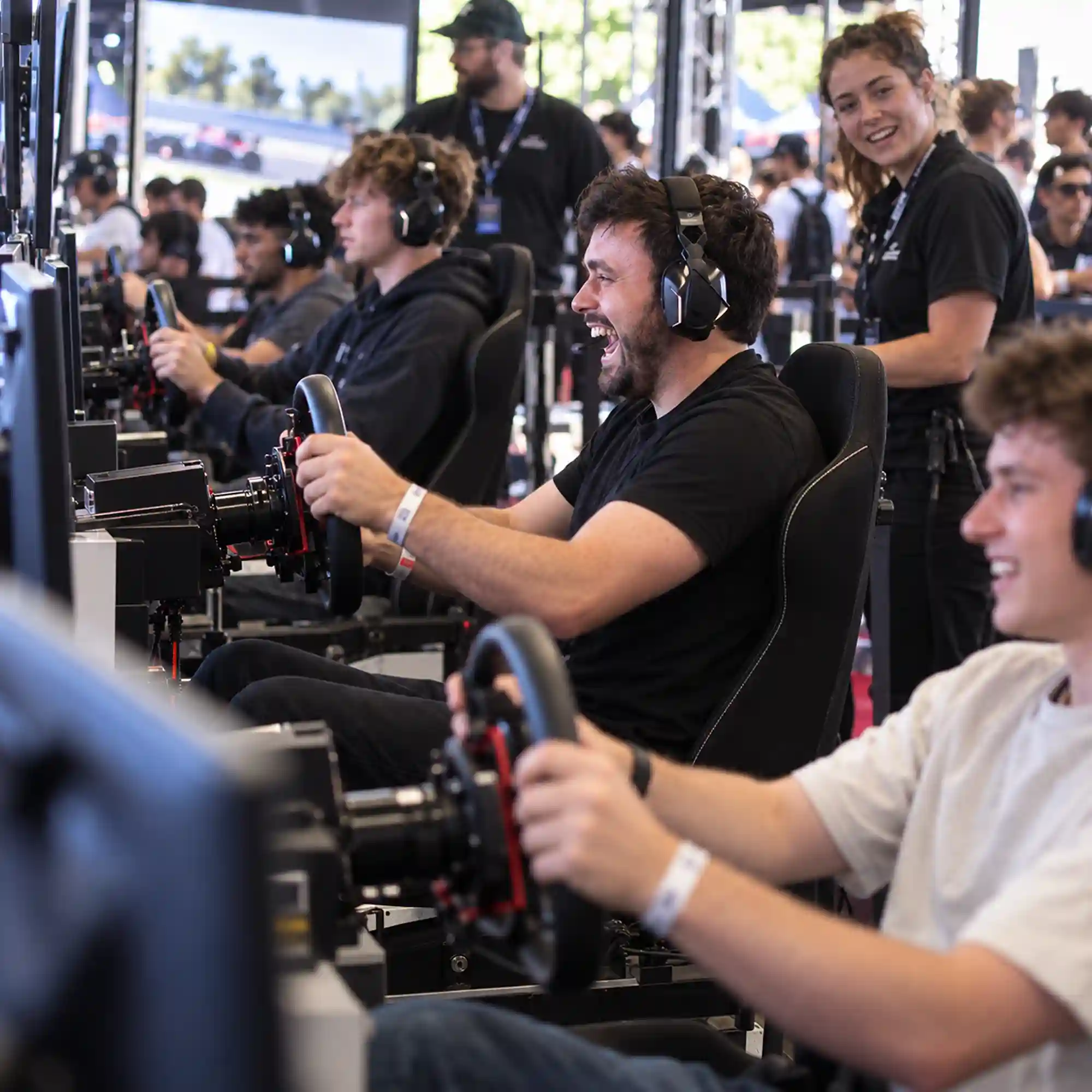
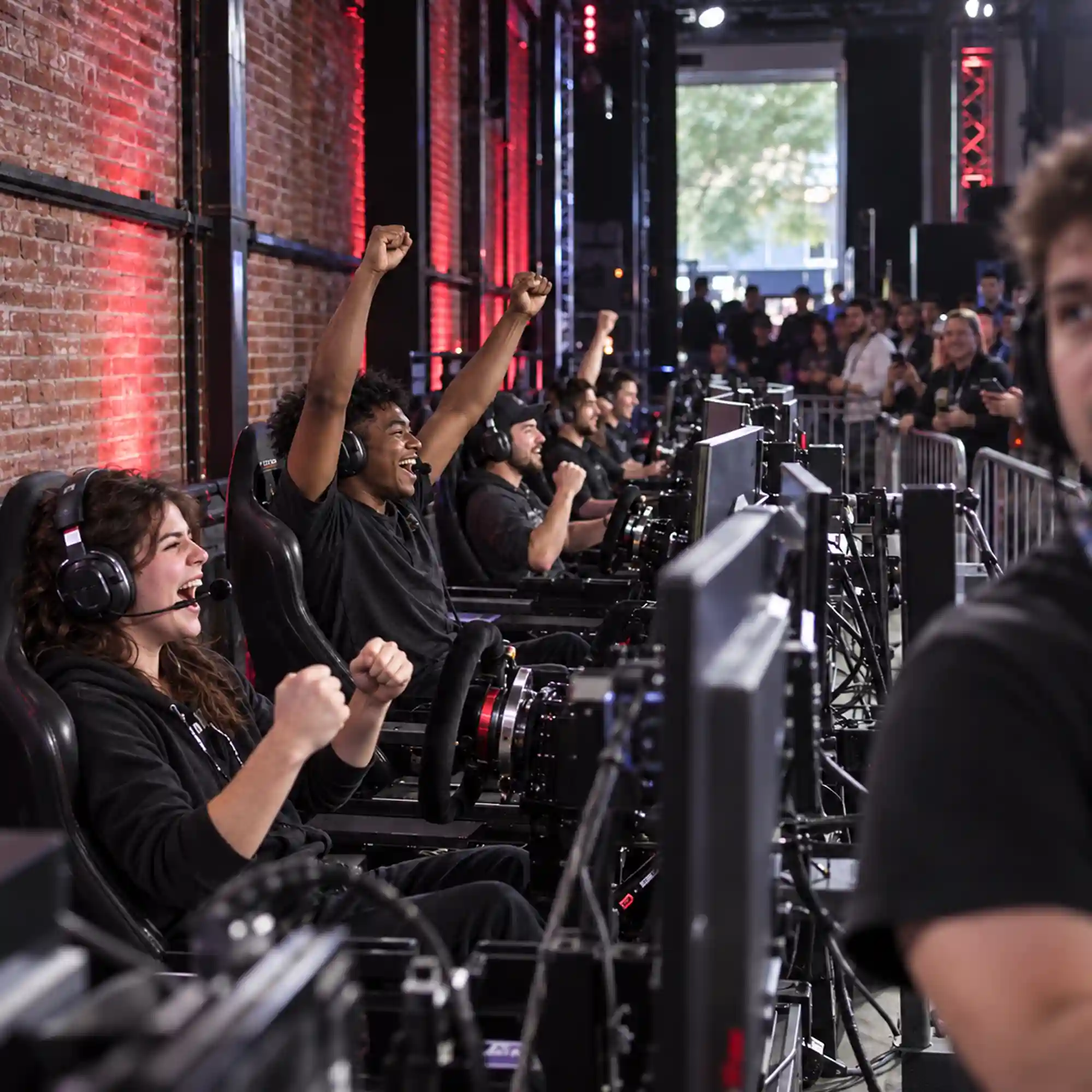
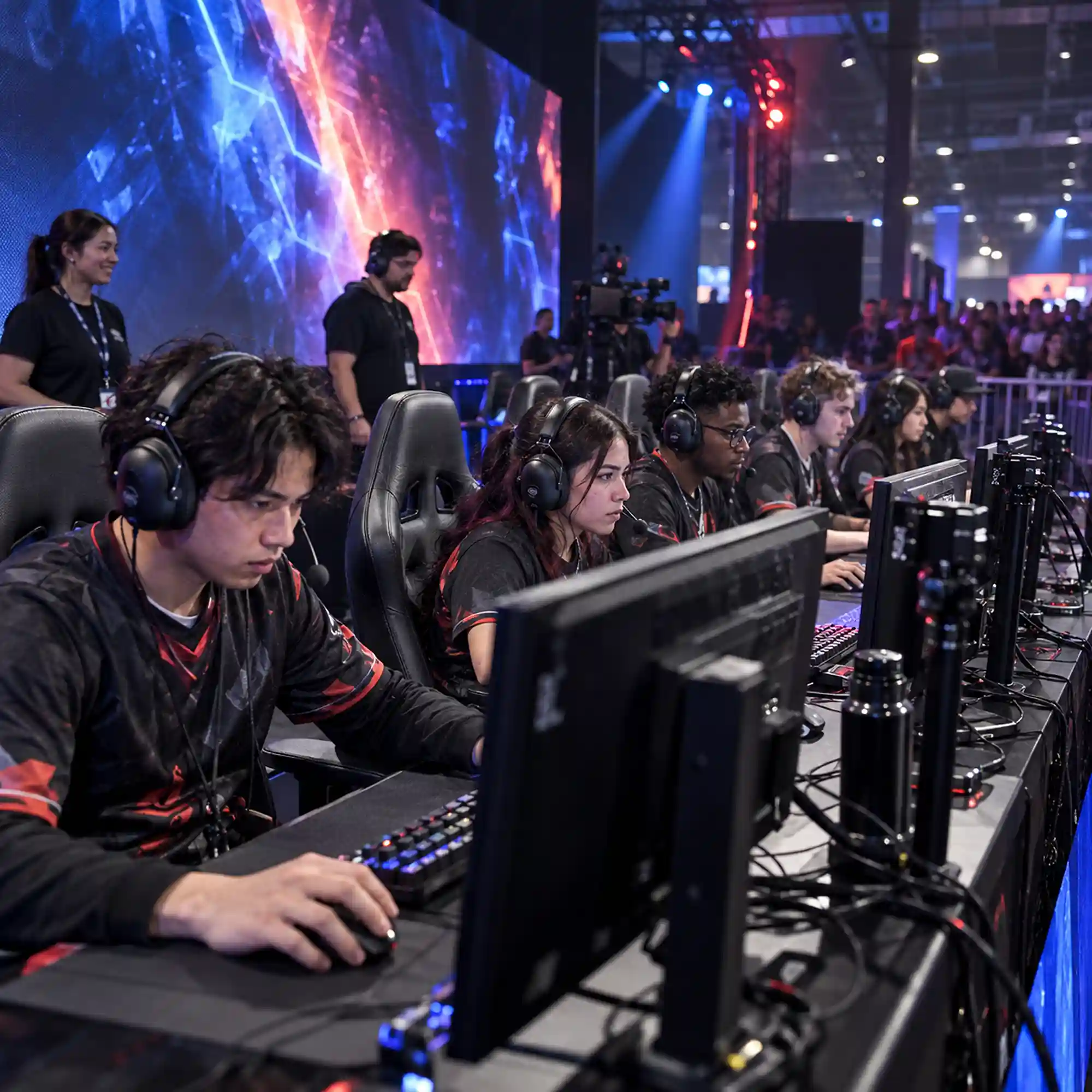
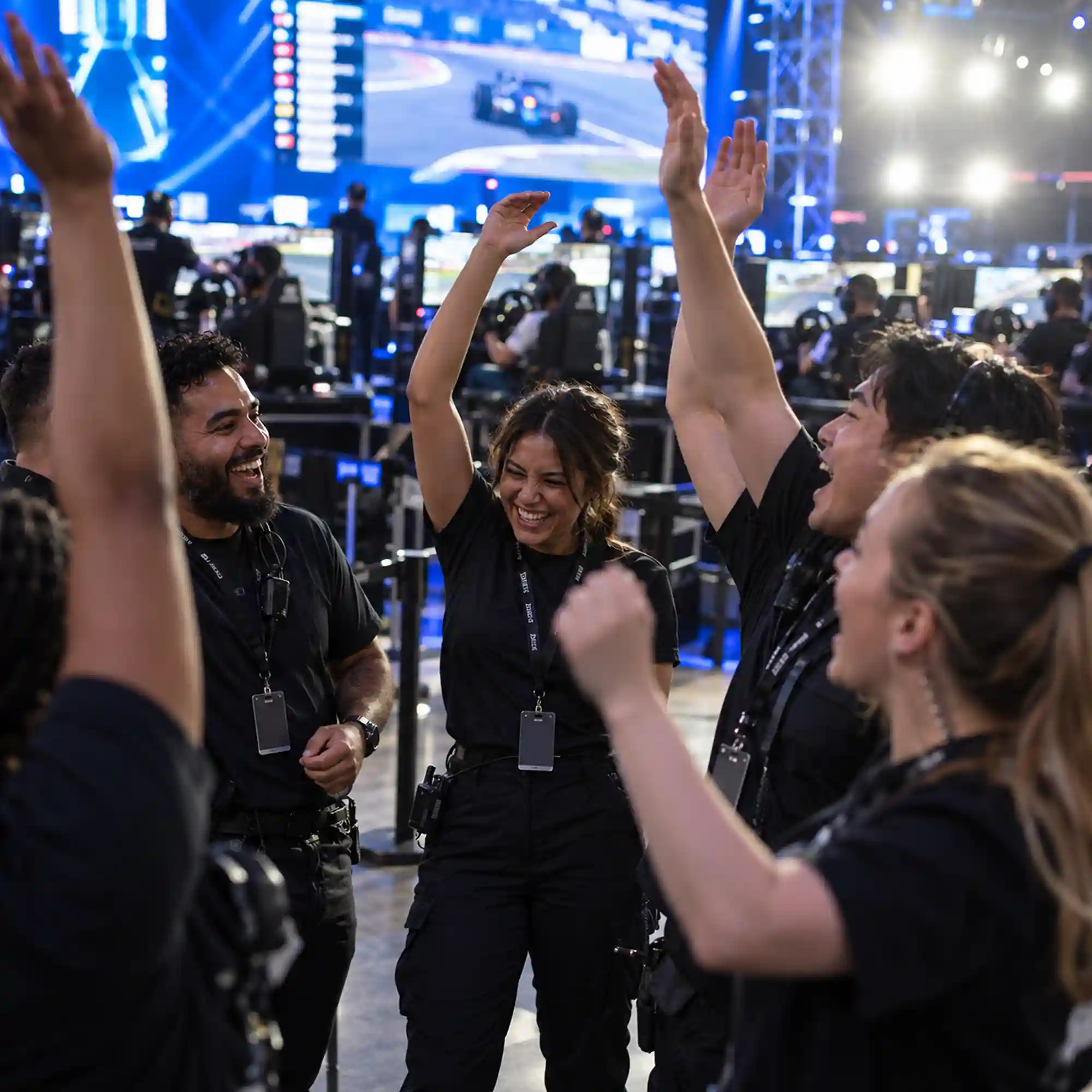









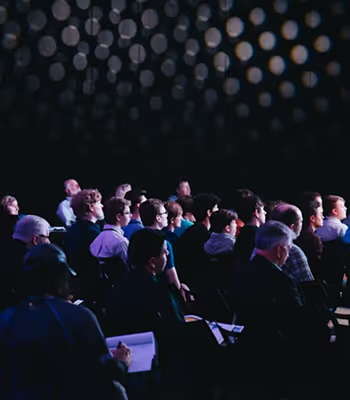



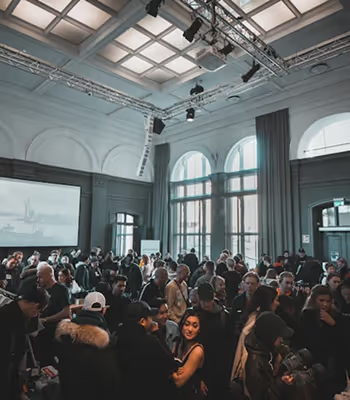
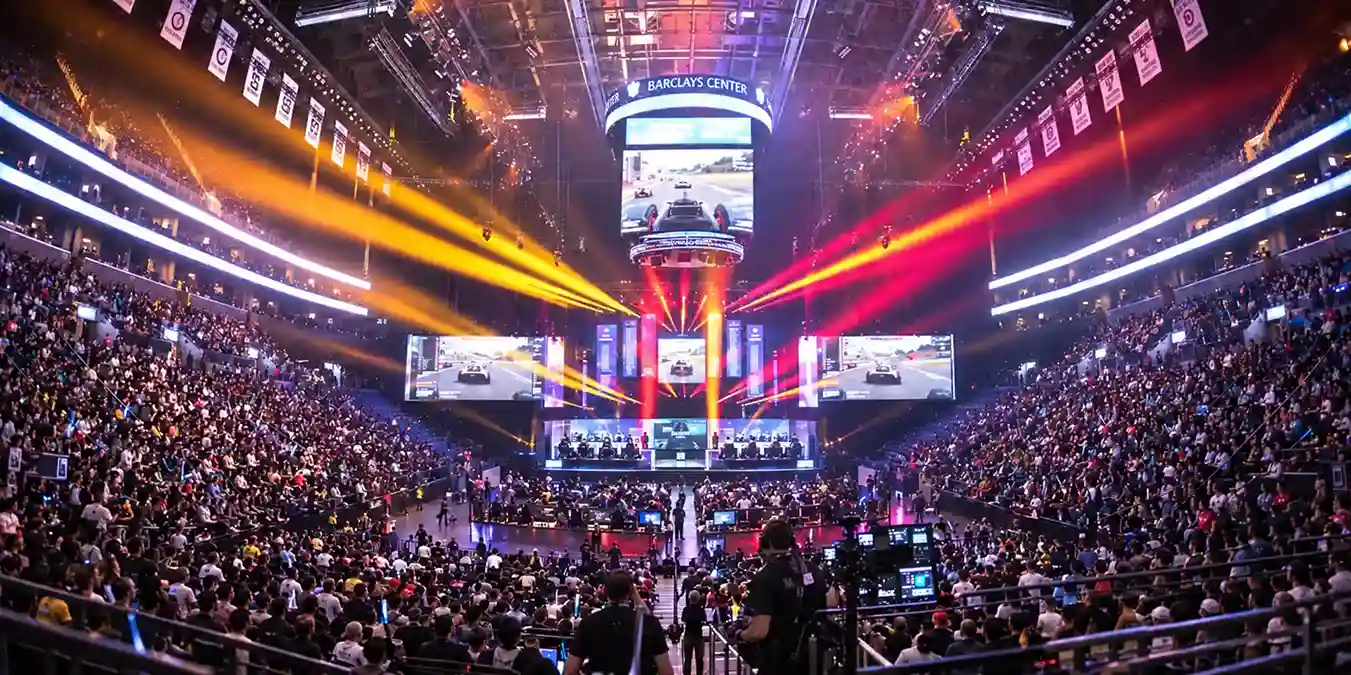
Esports staffing means two different things, and the term gets used for both. One is building rosters and finding players. The other is running the floor on the day of a live event, and that's the one we actually do.
Most esports events run on volunteer crews, and plenty of them go perfectly well that way, year after year. It stops being enough the moment your event can't afford a no-show on finals night, and that's usually when people start looking for something steadier and easier to plan around.
We supply crowd and queue management, greeters, and staff for the sponsor area, all with a named lead on every shift you book with us. That's the floor side of a live event, the part your guests actually walk through and stand in.
How a tournament day usually runs, so you can start sizing up your team before you call anyone.
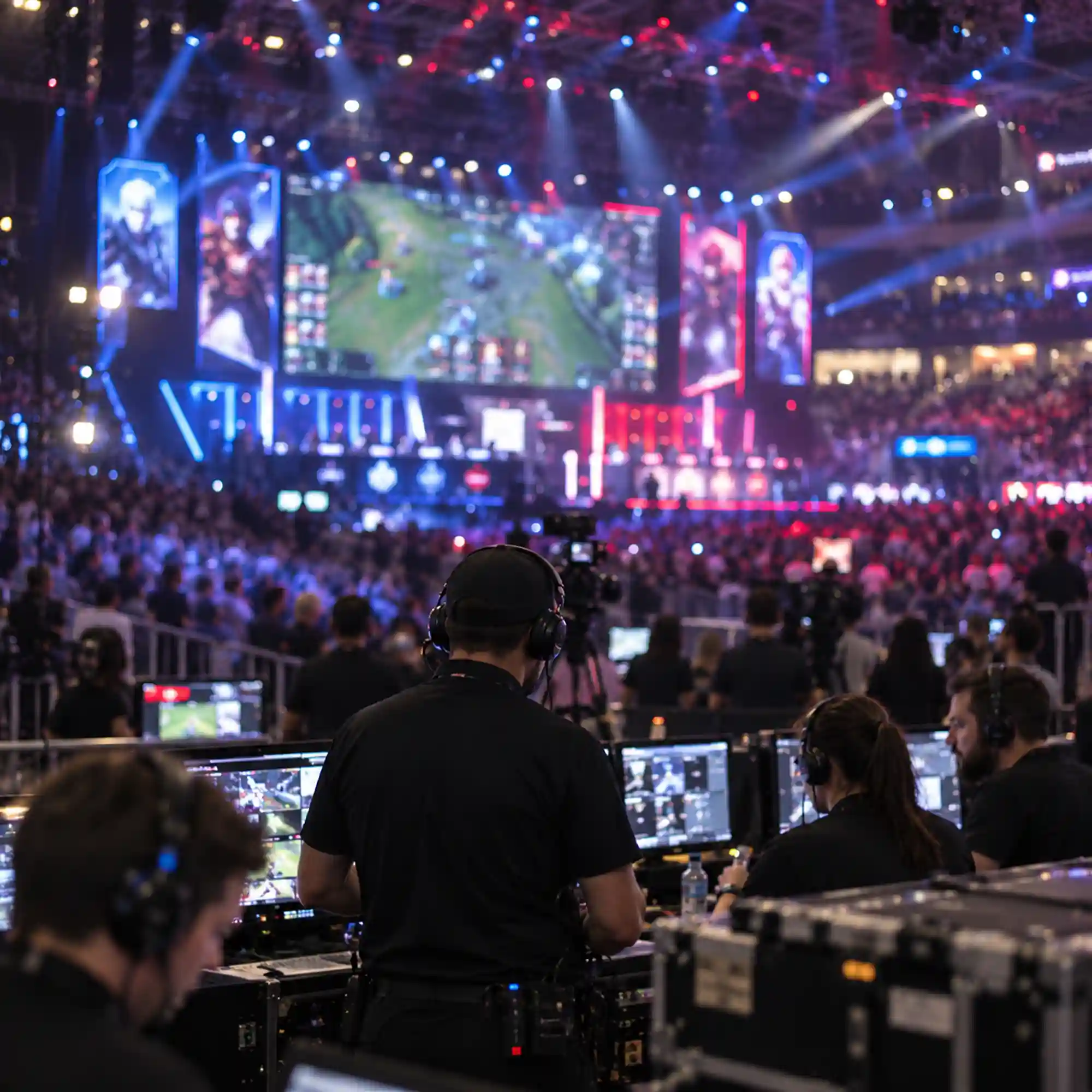
A tournament floor holds an audience for a full day, and most of what people actually remember happens out in the crowd rather than up on the stage itself.
Every staff member is screened and employed directly by us, not pulled from a gig roster the week of the event.
Rostered for a night that ends when the match does, not when the printed schedule on the wall says it should end.
Staffed where the session plan says people will actually be that hour, not spread out evenly across the whole day.
Flow managed at entry, through the quiet stretches in between, and again once the finals crowd shows up in force.
One person who owns the rotation and makes the call the moment something on the actual floor needs a decision.
An arena, a convention hall, or a purpose-built space, all staffed the exact same way no matter which one it is.
We staff large events across the country all year, and a tournament floor is closer to a conference with a stage than to anything else we cover. It's the same team behind our large-scale event and crowd management work.
Most organisers start with volunteers, and plenty of them stay that way for years. People usually come to us once the event has grown past what a volunteer crew can absorb on a bad night, and that's not a knock on the volunteers.
One conversation is usually enough to get a team sized to your venue, briefed and ready well before doors open. For the full roles breakdown, see our esports event management guide.



Typical market rates for the roles a live esports event needs, with final numbers in your quote
Keep people moving at entry, through downtime, and when the finals crowd arrives.
Greet each person at the door and help them find whatever they're looking for.
Work the sponsor area and keep it busy in between sessions on the schedule.
Run whatever the sponsor has built, the same way at hour ten as at hour one.
Scan and qualify each visitor, so the follow-up list is worth something afterward.
Own the rotation, the breaks, and the call whenever the night runs late.
There's no published staff-per-attendee ratio for esports events, so this is a starting point, not a standard.
Three stages for your esports staffing plan, each with a named owner and a date.
Your published session schedule and expected attendance set the team size for the whole event. Those two numbers are really the entire conversation.
The team is briefed on session times, re-entry policy, the finals capacity plan and who calls a stop, with everyone screened and cleared well ahead of time.
A named lead per shift, positions held through the quiet middle as well as the peaks, with an arrangement already in place for the finals running long.
Coverage built around how a tournament day actually runs, not a generic headcount.


A live tournament floor typically needs crowd and queue management, greeters, staff for the sponsor area, and a named lead on every shift you book. The exact number depends on your venue and expected attendance, but most events need cover at entry, through the downtime between sessions, and again when the finals crowd arrives in force. Sponsor-only activations need less: usually just ambassadors and experiential staff working that one area of the floor.
They're two different industries that happen to go by the same name. One side is about finding players, building rosters and filling gaming-industry jobs at studios and organisations. What we supply is different: running the floor on the day of a live event, crowd management, queues, the sponsor area and a lead who keeps the shift on schedule throughout. If you're hiring players or coaches, this isn't the page you need.
Yes, and plenty of events run entirely on volunteer crews for years without any real problem. It tends to stop working once the event grows past what a volunteer roster can absorb on a genuinely bad night, specifically a no-show during the finals slot itself. That's not a comment on the volunteers, it's a scale question, and it's usually the exact point where organisers start looking for a staffing partner instead of another volunteer signup form.
We roster for the finals slot to run long, because it usually does. A concert ends when the set ends, but a tournament ends when the match does, and that can be well past the time printed on the schedule. Overrun length varies by format and title, so we build the buffer into the plan from the start rather than trying to fix it once the crowd is already waiting past the scheduled end time.
No. We don't supply casters, observers, camera operators, broadcast technicians, referees, tournament admins, or IT and network engineers of any kind at all. What we supply instead is the floor side of the event: crowd and queue management, greeters, sponsor-area staff and a named lead who runs each shift from open to close. If your event needs both, the broadcast and technical side comes from a completely separate specialist provider.
Tell us your footprint and panel schedule. You get a headcount, a shift plan and a rate sheet — usually within one business day.
